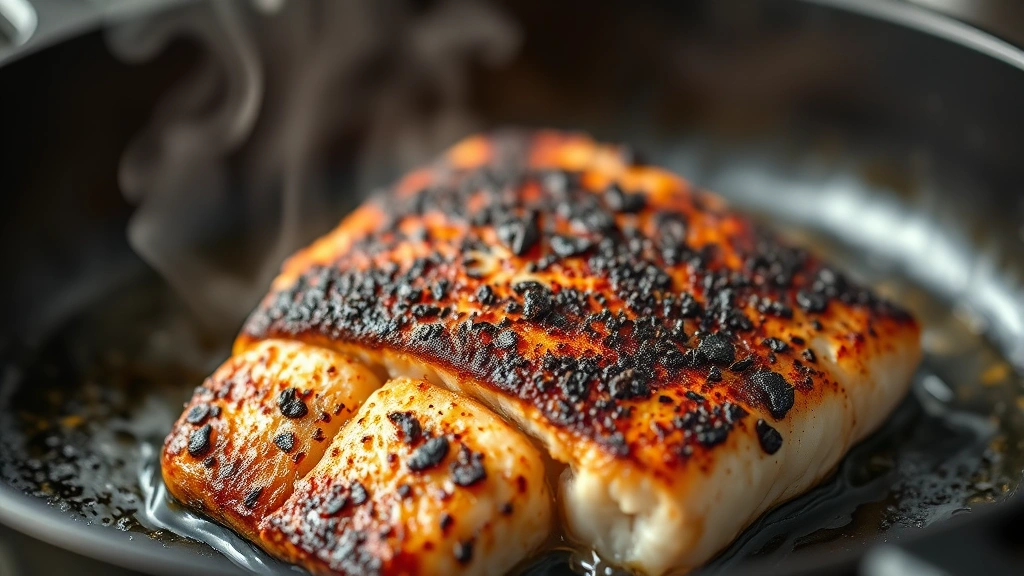
Ultimate Blackened Seasoning Mix: Top Chef Tips for Perfect Flavor Every Time
Blackened seasoning is one of the most versatile and impactful spice blends in modern cooking. Originating from New Orleans Creole cuisine, this bold mixture transforms ordinary proteins and vegetables into restaurant-quality dishes with a distinctive smoky, spicy crust. Whether you’re searing fish, chicken, or beef, mastering the art of blackened seasoning elevates your cooking from home-kitchen casual to professional-grade impressive.
The beauty of blackened seasoning lies in its simplicity and adaptability. Unlike complex spice blends that require a dozen ingredients, the ultimate blackened seasoning mix relies on just a handful of pantry staples combined in precise proportions. The magic happens when you understand how each component contributes to the final flavor profile—the heat, the smoke, the depth, and that unmistakable char that makes blackened dishes so craveable.
This comprehensive guide breaks down everything you need to know about creating and using blackened seasoning like a professional chef, complete with insider tips, variations, and applications across different dishes.

What Makes Blackened Seasoning Authentic
Authentic blackened seasoning emerged from the kitchens of New Orleans, where Chef Paul Prudhomme revolutionized Creole cooking in the 1980s. The technique and seasoning blend reflect the region’s culinary heritage—a fusion of African, French, Spanish, and Native American influences. True blackened seasoning isn’t about adding black color; it’s about creating a flavorful crust through high-heat searing that caramelizes the spice coating.
The key to authenticity is understanding the balance between heat (cayenne and black pepper), aromatic warmth (paprika and garlic), and herbaceous notes (thyme and oregano). Unlike generic spice blends, genuine blackened seasoning prioritizes bold, distinctive flavors that complement rather than overshadow the main ingredient. The paprika provides color and subtle sweetness, while cayenne delivers genuine heat that builds gradually rather than shocking the palate.
When you purchase commercial blackened seasoning, you’re often getting unnecessary fillers, anti-caking agents, and salt. Making your own allows you to control sodium levels, adjust heat intensity, and ensure all ingredients are fresh and potent. Professional chefs understand that freshness matters—spices lose their essential oils and flavor compounds over time, which is why making small batches regularly produces superior results.

The Ultimate Blackened Seasoning Recipe
This is the master recipe that professional chefs rely on, refined through countless kitchen hours and customer feedback. The proportions are calibrated to deliver maximum flavor without overwhelming any single note.
Ingredients:
- 2 tablespoons paprika (smoked paprika for deeper flavor)
- 1 tablespoon garlic powder
- 1 tablespoon onion powder
- 2 teaspoons cayenne pepper
- 2 teaspoons black pepper (freshly ground)
- 1 teaspoon dried thyme
- 1 teaspoon dried oregano
- 1 teaspoon sea salt
- ½ teaspoon white pepper (optional, adds subtle heat)
This yields approximately ⅓ cup of finished seasoning—enough for multiple applications. The beauty of this recipe is its flexibility; you can increase cayenne to 2.5 teaspoons for more heat, or decrease it to 1.5 teaspoons if you’re cooking for heat-sensitive palates. The dried herbs should be relatively fresh (ideally under one year old) to ensure they haven’t lost potency.
Many home cooks make the mistake of using ground spices that have been sitting in their cabinet for years. Invest in fresh spices from reputable sources, and your blackened seasoning will taste noticeably superior. The Spice House and similar specialty retailers offer higher-quality dried herbs and spices than typical grocery store options.
Step-by-Step Mixing Instructions
Proper mixing technique ensures even distribution of all components, preventing clumpy spice blends and ensuring consistent flavor in every application.
- Measure precisely: Use measuring spoons (not pinches or estimates) for each ingredient. Place a sheet of parchment paper on your work surface for easy cleanup and ingredient containment.
- Combine dry ingredients: Pour paprika, garlic powder, onion powder, cayenne, black pepper, thyme, oregano, sea salt, and white pepper into a small bowl. Don’t use a food processor for this step—it can heat the spices and damage delicate flavor compounds.
- Mix thoroughly: Use a small whisk or fork to break up any clumps and distribute ingredients evenly. Mix for at least one minute, ensuring the lighter spices are fully incorporated with the heavier paprika.
- Smell test: Before storing, take a moment to smell the mixture. You should detect layers of aroma—the sweetness of paprika, the pungency of garlic, the heat of cayenne, and the herbaceous notes of thyme and oregano. If any single note dominates unpleasantly, your ratio may be off.
- Transfer to storage: Use a small glass jar with an airtight lid. Label it with the date mixed and contents. Glass jars are superior to plastic, which can absorb oils and odors over time.
The entire process takes about five minutes. This is why making your own easy dinner recipes with blackened seasoning is practical—you can prepare a batch and use it across multiple meals throughout the month.
Pro Tips from Top Chefs
Professional chefs have developed techniques that transform good blackened seasoning into extraordinary results. These insider tips separate mediocre home cooking from restaurant-quality meals.
Use smoked paprika instead of sweet paprika: Smoked paprika adds a subtle smokiness that enhances the blackening process. It creates a more complex flavor profile that reminds diners of authentic New Orleans cooking. Regular paprika is fine in a pinch, but smoked paprika is worth seeking out.
Toast your spices before mixing: Some advanced chefs lightly toast their individual spices (separately, in a dry skillet over low heat for 30-60 seconds) before mixing. This awakens their essential oils and intensifies flavor. Be extremely careful not to burn them—the moment they become fragrant, remove them from heat and let them cool completely before mixing.
Grind your own peppercorns: Black pepper loses potency quickly once ground. If you have a spice grinder or small food processor, grind whole black peppercorns fresh each time you make your blend. The difference is remarkable and immediately noticeable on the palate.
Adjust for your ingredients: Different proteins benefit from slight variations. Fish and shrimp prefer slightly less heat and more herbaceous notes. Red meat can handle more cayenne and bold spices. Chicken falls in the middle. Professional chefs keep a master recipe but adjust ratios based on what they’re cooking.
Consider the cooking method: If you’re using your blackened seasoning in instant pot rice recipe applications or lower-heat cooking, you might want slightly more salt and fewer spices since the coating won’t develop the same char. For high-heat searing, the standard recipe works perfectly.
How to Apply Blackened Seasoning Perfectly
The technique of application matters as much as the seasoning itself. Proper application ensures even coverage and optimal flavor development during cooking.
Pat dry first: Use paper towels to thoroughly dry your protein. Moisture prevents the seasoning from adhering and inhibits proper charring. This step is non-negotiable for restaurant-quality results.
Apply generously but evenly: Don’t be shy with the seasoning. A proper blackened crust requires substantial spice coating. Sprinkle on both sides, pressing gently so the mixture adheres to the surface. The seasoning should visibly coat the entire exterior.
Let it rest: After applying seasoning, let the protein sit for 5-15 minutes at room temperature. This allows the spices to slightly absorb moisture from the surface and adhere more firmly. It also brings the protein closer to room temperature, ensuring more even cooking.
Use high heat: Blackening requires intense heat—a cast-iron skillet preheated until a drop of water immediately sizzles and evaporates. This high temperature creates the characteristic dark crust without overcooking the interior. Add a small amount of oil with a high smoke point (avocado oil or refined vegetable oil work well).
Don’t move it around: Once the protein hits the hot pan, resist the urge to move it. Let it sit undisturbed for 2-4 minutes (depending on thickness) to develop a proper crust. Flip only once for the second side.
Best Foods to Blacken
While blackened seasoning is most famous for fish (particularly redfish), it’s incredibly versatile. Understanding which foods benefit most from blackening helps you use your homemade blend strategically.
Fish and seafood: Redfish, mahi-mahi, salmon, and tuna are classic choices. The bold seasoning complements the delicate, sometimes subtle flavors of fish without overpowering them. Shrimp blackens beautifully, developing a crispy exterior while staying tender inside.
Chicken: Chicken breast and thighs take on blackened seasoning wonderfully. The lean, mild flavor of chicken provides a perfect canvas for bold spices. Blackened chicken works in salads, sandwiches, or as a standalone entrée with rice and vegetables.
Beef: Steaks, particularly thinner cuts like strip steak or flank steak, benefit from blackening. The crust adds textural interest and flavor complexity. Ground beef seasoned with this blend makes exceptional burgers.
Vegetables: Blackened seasoning isn’t limited to proteins. Portobello mushrooms, bell peppers, zucchini, and eggplant all develop wonderful flavor when blackened. This makes the seasoning perfect for vegetarian applications.
Tofu and plant-based proteins: Firm tofu and tempeh develop impressive crusts when blackened. The seasoning adds flavor that these neutral-tasting ingredients need to shine in dishes.
Storage and Shelf Life
Proper storage preserves the potency and freshness of your homemade blackened seasoning blend. Unlike commercial blends with preservatives, your homemade version has a finite lifespan.
Best storage conditions: Keep your blackened seasoning in a cool, dark, dry place. An airtight glass jar in a kitchen cabinet away from the stove and sunlight is ideal. Temperature stability matters—avoid cabinets above the stove where heat fluctuates. Heat, light, and moisture are the enemies of spice freshness.
Shelf life: A properly stored blackened seasoning blend maintains peak potency for 3-4 months. After this period, it doesn’t spoil, but the essential oils in the spices gradually diminish, resulting in less vibrant flavor. Many professional chefs make fresh batches monthly to ensure maximum impact.
Freezer option: For longer storage, place your jar in the freezer. The cold slows oxidation and preserves flavor compounds. Just ensure it’s in an airtight container to prevent moisture absorption when moving from freezer to room temperature.
Freshness indicators: When you open the jar, you should immediately smell the spice blend. If the aroma is muted or barely perceptible, the seasoning is losing potency. Make a fresh batch. The smell test is your best indicator of freshness.
Common Mistakes to Avoid
Even experienced home cooks sometimes make missteps with blackened seasoning. Learning from these common errors helps you achieve consistent, restaurant-quality results every time.
Using old spices: This is the most common mistake. Old, stale spices produce dull, muted flavors. Invest in fresh ingredients and you’ll immediately notice the improvement in your blackened seasoning.
Not adjusting salt in other components: Blackened seasoning contains salt. If you’re using it with other salty elements (soy sauce, worcestershire sauce, stock), you might over-salt your dish. Account for this in your recipe planning.
Applying to cold proteins: Cold meat or fish won’t develop the proper crust. Always bring proteins to room temperature before applying seasoning and cooking. This ensures even cooking and better spice adhesion.
Overcrowding the pan: If you cook multiple pieces in the same pan without adequate space, the temperature drops, and you lose the sear. Cook in batches if necessary. Professional kitchens understand that proper technique sometimes means cooking more slowly.
Burning the seasoning: Extremely high heat can scorch the spices, particularly the paprika, creating bitter flavors. Medium-high to high heat is appropriate, but monitor your pan temperature. If smoke becomes excessive, slightly reduce heat while maintaining a good sear.
Using pre-ground garlic or onion powder that’s expired: These components are particularly prone to losing potency. Check your pantry—if you can’t remember when you bought them, replace them. Fresh garlic and onion powder make a noticeable difference.
Not tasting as you go: When you first make your blackened seasoning, taste it (pinch a tiny amount on your tongue). You should experience layers of flavor. If one element dominates unpleasantly, adjust the recipe next time. Your palate is the ultimate guide.
FAQ
Can I make blackened seasoning without cayenne pepper?
Yes, though the result will be noticeably less spicy. You can substitute with additional black pepper or white pepper for heat without the same intensity. Some people use hot paprika instead, which adds heat with more subtle flavor. However, cayenne is traditional and worth using if you can tolerate the heat.
Is blackened seasoning the same as Cajun seasoning?
Not exactly. Cajun seasoning typically includes more salt and sometimes additional ingredients like celery salt or file powder. Blackened seasoning is more focused on creating a specific crust through spice application and high-heat cooking. They’re related but distinct. Blackened seasoning works better for searing applications, while Cajun seasoning is often used in slow-cooked dishes like gumbo.
Can I use this seasoning in chicken and biscuits recipe applications?
Absolutely. Blackened seasoning works wonderfully on chicken before browning for chicken and biscuits. The crust adds depth to the dish. Use it to sear chicken pieces before adding them to your biscuit dough and cooking liquid.
How much blackened seasoning should I use per pound of protein?
A good rule is 1 to 1.5 teaspoons per pound of protein. This ensures adequate coverage without overwhelming the dish. Adjust based on personal preference for spice intensity and the specific dish you’re preparing.
Can I reduce the salt in my blackened seasoning?
Yes. The recipe includes 1 teaspoon of salt per ⅓ cup of blend, but you can reduce it to ½ teaspoon if you’re watching sodium intake or using the seasoning with already-salty components. Just note that salt helps spices adhere and develop flavor, so don’t eliminate it entirely.
What’s the best oil for blackening?
Use oils with high smoke points: avocado oil (520°F), refined vegetable oil (450°F), or refined coconut oil (450°F). Avoid olive oil and butter, which smoke at lower temperatures. A light coating of oil is all you need—just enough to prevent sticking and enable proper searing.
Can I add other spices to customize my blend?
Definitely. Some chefs add smoked salt, ground coriander, ground cumin, or ground mustard. However, start with the master recipe and add customizations gradually. Each addition changes the flavor profile. Make small batches when experimenting so you don’t waste ingredients.
Is blackened seasoning good for foods to avoid for weight loss considerations?
Blackened seasoning itself is calorie-free and contains minimal sodium per serving (when used appropriately). The issue isn’t the seasoning but often the oils used in cooking and accompanying sauces. You can enjoy blackened proteins as part of a healthy diet by using minimal oil and pairing with vegetables.
Can I make a larger batch and store it longer?
You can make larger batches, but storage time remains the same—3-4 months at room temperature for peak flavor. Making monthly batches ensures freshness. If you want to store longer, freeze your sealed jars, which extends shelf life to 6-8 months while maintaining better flavor than room-temperature storage over extended periods.


