Ultimate Boneless Short Ribs: Chef-Approved Method for Tender, Flavorful Meat
Boneless short ribs represent one of the most underrated cuts in the butcher’s case, offering rich marbling and incredible depth of flavor when prepared correctly. Unlike their bone-in counterparts, boneless short ribs cook more evenly and require less trimming, making them ideal for both weeknight dinners and impressive entertaining. This chef-approved method transforms these humble cuts into restaurant-quality dishes that rival any expensive steakhouse preparation.
The key to mastering boneless short ribs lies in understanding the meat’s composition. These rectangular cuts come from the lower rib section and contain substantial intramuscular fat that renders beautifully during low-and-slow cooking. When you apply proper seasoning, searing, and braising techniques, you unlock a level of tenderness and flavor that will have your guests asking for the recipe. This comprehensive guide walks you through every step, from selection to plating.
Selecting and Preparing Your Boneless Short Ribs
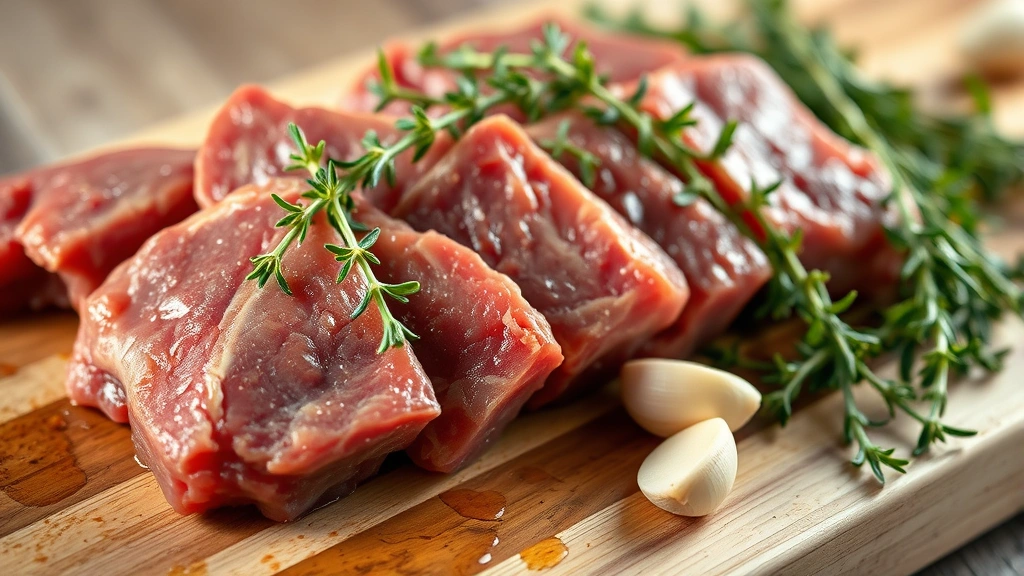
The foundation of an exceptional boneless short ribs dish begins at the butcher counter. Look for cuts that display bright red color with white marbling throughout—this intramuscular fat is essential for flavor and tenderness. Each rib should measure approximately 2 to 3 inches thick and weigh between 8 to 12 ounces. Avoid pieces that appear gray or have excessive browning, as these indicate older meat that may not cook as effectively.
When you bring your ribs home, pat them dry with paper towels immediately. This crucial step removes surface moisture that prevents proper browning during searing. Allow the meat to sit at room temperature for 45 minutes before cooking—cold meat won’t develop a proper crust and will cook unevenly. During this resting period, prepare your braising liquid and chop your aromatics.
Trimming is minimal with boneless short ribs, but you should remove any thick silverskin or excessive external fat that won’t render properly. Leave a thin fat cap intact, as this protects the meat during cooking and adds flavor. If your ribs have irregular shapes, you can gently tie them with kitchen twine to promote even cooking, though this step is optional.
Essential Seasoning and Flavor Building
Seasoning boneless short ribs requires a balance between simplicity and complexity. The best approach combines a straightforward salt-and-pepper base with aromatic vegetables and herbs that infuse the braising liquid. Begin by generously seasoning both sides of each rib with kosher salt and freshly ground black pepper at least 30 minutes before cooking. This allows the salt to penetrate the meat’s surface and enhance its natural flavors.
Build your flavor foundation with a classic mirepoix: carrots, celery, and onions cut into large chunks. These vegetables not only flavor the braising liquid but also create a flavorful bed for the ribs to rest on. Add whole garlic cloves, fresh thyme sprigs, and bay leaves to your braising liquid. Many chefs also incorporate tomato paste, which adds umami depth and helps create a rich, glossy sauce.
The braising liquid itself is critical. A combination of beef stock and red wine (such as Burgundy or Côtes du Rhône) creates complexity and depth. Some recipes use Worcestershire sauce, soy sauce, or balsamic vinegar for additional savory notes. Your liquid should barely cover the ribs—too much liquid dilutes flavors, while too little allows the meat to dry out. For complementary side dishes, explore our rice bowl recipes which pair beautifully with braised meats.
The Perfect Searing Technique
Searing boneless short ribs creates the Maillard reaction, developing complex flavors and a beautiful brown crust that adds depth to your finished dish. Use a heavy-bottomed Dutch oven or large braising pan and heat it over medium-high heat until it’s smoking hot. Add a high-heat oil like avocado oil or grapeseed oil—avoid olive oil, which has a lower smoke point.
Once oil is shimmering, carefully place the ribs in the pan without crowding. You may need to work in batches to maintain proper spacing. Resist the urge to move the meat—let each side develop a deep mahogany crust for 3 to 4 minutes without disturbing it. This patience rewards you with maximum flavor development. After searing all sides, remove the ribs and set them aside on a clean plate.
In the same pan, add your diced aromatics (onions, carrots, celery) and sauté until they begin to caramelize, about 5 minutes. Add tomato paste and cook for another 2 minutes, stirring constantly. Deglaze the pan with red wine, scraping up all the browned bits—these flavorful particles are liquid gold. Pour in your beef stock and return the ribs to the pan, nestling them among the vegetables.
Braising for Maximum Tenderness
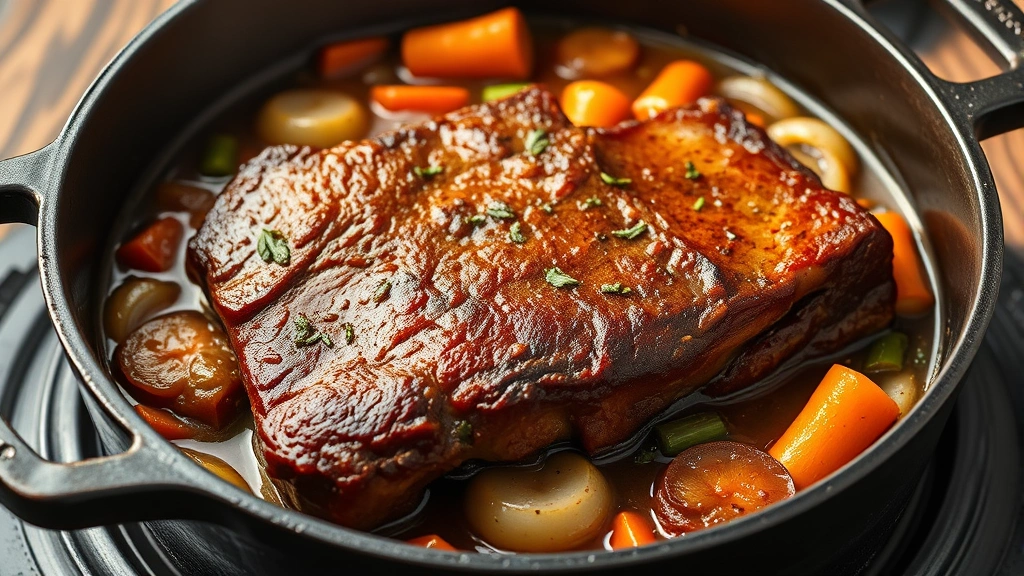
Cover your braising vessel with a tight-fitting lid or aluminum foil and transfer it to a preheated 325°F oven. The low, gentle heat of oven braising ensures even cooking and prevents the tough, stringy texture that can result from high-temperature cooking. Boneless short ribs typically require 2.5 to 3 hours of braising, though thickness variations may require adjusting the time.
Resist checking the ribs constantly, as opening the lid releases heat and extends cooking time. Instead, check the internal temperature at the 2-hour mark using an instant-read thermometer. The ribs are done when they reach 190°F internally and a fork pierces the meat with virtually no resistance. The meat should be fork-tender, nearly falling apart at the slightest pressure.
For those seeking comfort food recipes, this braising method delivers ultimate satisfaction. The low-and-slow approach also works beautifully in a slow cooker set to low for 6 to 8 hours, making it perfect for busy schedules. If using a slow cooker, reduce the braising liquid by one-third since evaporation is minimal in that environment.
Once the ribs reach perfect tenderness, carefully remove them from the braising liquid using tongs or a slotted spoon. Strain the cooking liquid through a fine-mesh sieve, pressing on the vegetables to extract all flavorful liquid. Skim excess fat from the surface using a fat separator or by refrigerating the liquid overnight and lifting off the congealed fat layer.
Finishing Touches and Plating
The braising liquid transforms into a silky, flavorful sauce that elevates your dish from good to exceptional. Pour the strained liquid into a saucepan and bring it to a simmer over medium heat. If you prefer a thicker sauce, make a slurry by whisking 2 tablespoons of cornstarch with 3 tablespoons of cold water, then whisk it into the simmering liquid. Simmer for 5 minutes until the sauce coats the back of a spoon.
For a more refined presentation, finish the sauce with a knob of cold butter whisked in off the heat—this adds silkiness and a subtle richness that makes the sauce restaurant-quality. Taste and adjust seasoning with additional salt and pepper as needed. Some chefs add a splash of vinegar or lemon juice to brighten the sauce’s flavors, cutting through the richness.
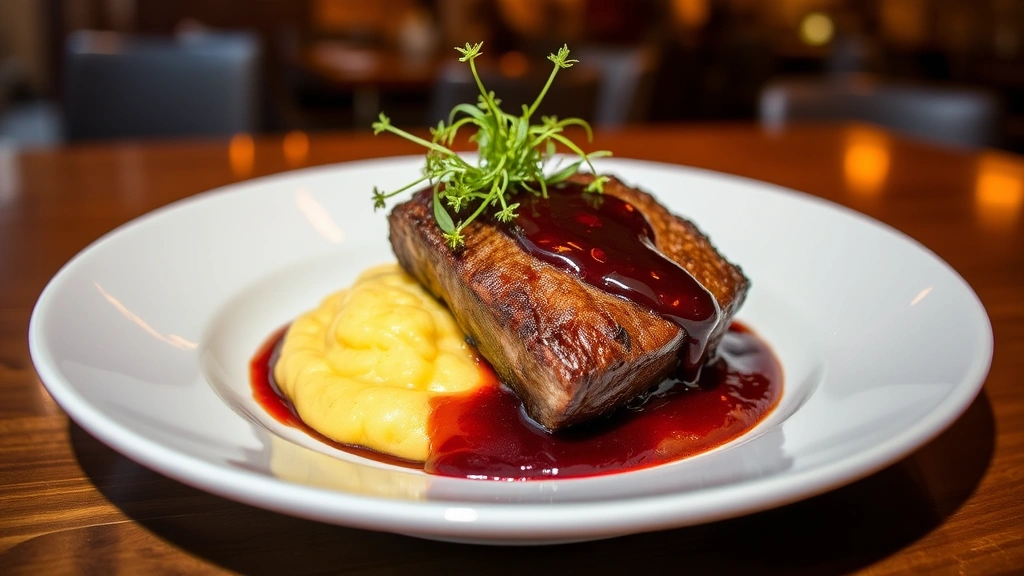
When plating, arrange the braised short ribs on warm plates or a serving platter. Spoon the sauce generously around and over the meat, ensuring each portion receives vegetables and rich sauce. Garnish with fresh thyme, parsley, or chives for a pop of color and fresh flavor. A simple gluten and dairy free recipes option involves serving the ribs over cauliflower puree or roasted root vegetables instead of traditional starches.
Serving Suggestions and Pairings
Boneless short ribs pair beautifully with a variety of side dishes that complement their rich, savory character. Creamy polenta provides a luxurious base that soaks up the flavorful sauce. Mashed potatoes, particularly those enriched with butter and cream, offer classic comfort that lets the meat shine. For lighter options, try roasted root vegetables like parsnips, carrots, and beets, which add natural sweetness that balances the meat’s richness.
Grain-based sides work wonderfully too. Consider serving your boneless short ribs over rice bowl recipes for an elegant presentation. Farro, barley, or wild rice absorb the braising liquid beautifully and add textural interest. Egg noodles tossed with butter and fresh herbs create an elegant, restaurant-style presentation.
For wine pairings, select bottles that match the braising liquid’s profile. If you braised with Burgundy, serve a similar Pinot Noir or Côtes du Rhône. Bordeaux-style blends work well with ribs braised in full-bodied red wine. If you prefer white wines, choose aged whites like white Burgundy or Alsatian varieties that have sufficient body to stand up to the meat’s richness. Beer enthusiasts should consider Belgian ales or English brown ales, which complement braised meats beautifully.
For entertaining, boneless short ribs offer significant advantages over other proteins. The recipe can be completed a day or two ahead and actually improves as flavors meld and develop. Simply reheat gently in a 300°F oven until warmed through. This make-ahead quality makes boneless short ribs perfect for dinner parties and special occasions. Check out additional chili recipe crockpot options for slow-cooker entertaining inspiration.
FAQ
What is the difference between boneless and bone-in short ribs?
Boneless short ribs cook more evenly and require less trimming than their bone-in counterparts. Bone-in ribs offer slightly more flavor from the bone marrow but require longer cooking times and more careful butchering. Boneless versions are ideal for consistent, restaurant-quality results with less preparation fuss.
Can I use a slow cooker instead of the oven?
Absolutely. Set your slow cooker to low and cook for 6 to 8 hours, reducing the braising liquid by one-third since slow cookers minimize evaporation. The results are equally tender and flavorful, making this method perfect for busy schedules. Sear the ribs before placing them in the slow cooker for optimal flavor development.
How do I know when boneless short ribs are done?
Properly cooked boneless short ribs should reach an internal temperature of 190°F and pierce easily with a fork. The meat should be incredibly tender, nearly falling apart when handled. Don’t rush this process—undercooked short ribs will be tough and chewy, while properly cooked ones are fork-tender and melt in your mouth.
Can I make this recipe ahead of time?
Yes, this is one of the recipe’s greatest advantages. Prepare the entire dish up to 3 days ahead, refrigerating the ribs in their braising liquid. The flavors actually improve as they meld together. Reheat gently in a 300°F oven until warmed through, about 30 to 45 minutes depending on quantity.
What if my sauce is too thin?
Create a slurry by whisking cornstarch with cold water in a 1:1.5 ratio, then whisk it into the simmering sauce. Simmer for 5 minutes until thickened. Alternatively, reduce the sauce by simmering uncovered until it reaches your desired consistency. For extra richness, whisk in cold butter at the end.
Are boneless short ribs expensive?
Boneless short ribs are considerably more affordable than premium steaks or other luxury cuts, yet deliver restaurant-quality results. Their reasonable price point makes them perfect for special dinners without breaking the budget. They’re also more economical than bone-in ribs since you’re not paying for bone weight.
Can I use a different braising liquid?
Absolutely. Try braising in beef stock with dark beer, or use red wine with chicken stock for a lighter version. Some chefs use Asian-inspired liquids with soy sauce, ginger, and star anise. The key is ensuring your liquid has sufficient flavor and body to complement the meat’s richness.
How should I store leftover boneless short ribs?
Store ribs in an airtight container with their braising liquid for up to 4 days in the refrigerator or up to 3 months in the freezer. The liquid protects the meat and keeps it moist during storage. Thaw frozen ribs overnight in the refrigerator before reheating.


