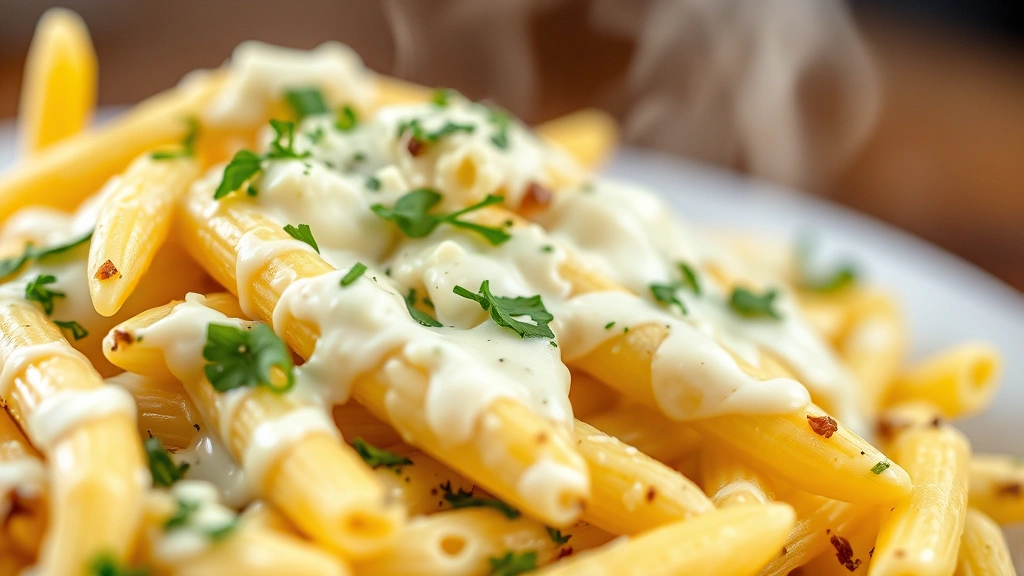
Boursin cheese pasta has become a beloved weeknight dinner staple for home cooks everywhere, and for good reason. This creamy, herbaceous dish comes together in under 30 minutes with minimal ingredients, yet delivers restaurant-quality flavor that feels indulgent enough for entertaining. The magic lies in Boursin cheese—a French spreadable cheese infused with garlic, herbs, and spices—which melts seamlessly into pasta, creating a luxurious sauce without requiring heavy cream or complicated techniques.
Whether you’re a beginner cook looking for foolproof dinner ideas or an experienced home chef seeking quick weeknight solutions, this boursin cheese pasta recipe delivers consistent, delicious results every single time. The beauty of this dish is its adaptability; you can customize it with vegetables, proteins, and pasta shapes to match your pantry and preferences. Let’s explore everything you need to know to master this creamy classic.
What is Boursin Cheese and Why Use It
Boursin is a soft, creamy cheese that originated in France and has become increasingly accessible in American grocery stores. Unlike harder cheeses that require grating, Boursin comes in a spreadable format similar to cream cheese, making it incredibly convenient for pasta dishes. The standard variety features a blend of garlic, herbs de Provence, and black pepper, though flavored versions with sun-dried tomato, shallot, or other seasonings are also available.
The reason boursin works so beautifully in pasta sauces relates to its composition. The high fat content allows it to melt smoothly into a silky sauce when heated with pasta water, while the pre-mixed seasonings eliminate the need for extensive seasoning adjustments. Unlike traditional cream-based sauces that require careful temperature control to prevent breaking, Boursin’s formulation is forgiving and reliable. According to culinary science resources, soft cheeses with emulsifying salts create more stable sauces because they’re specifically designed to combine fat and water without separating.
One significant advantage is that you’re essentially getting a pre-made herb blend, which means your final dish tastes herbaceous and complex without needing fresh herbs (though adding them is always an option). This makes the recipe accessible to home cooks who may not keep fresh herbs on hand regularly.
Essential Ingredients You’ll Need
The beauty of this recipe lies in its simplicity. Here’s what you’ll gather before starting:
- Boursin cheese: One 5.2-ounce package (approximately 150 grams) is standard for serving 4 people. This size block melts perfectly into a sauce for one pound of pasta.
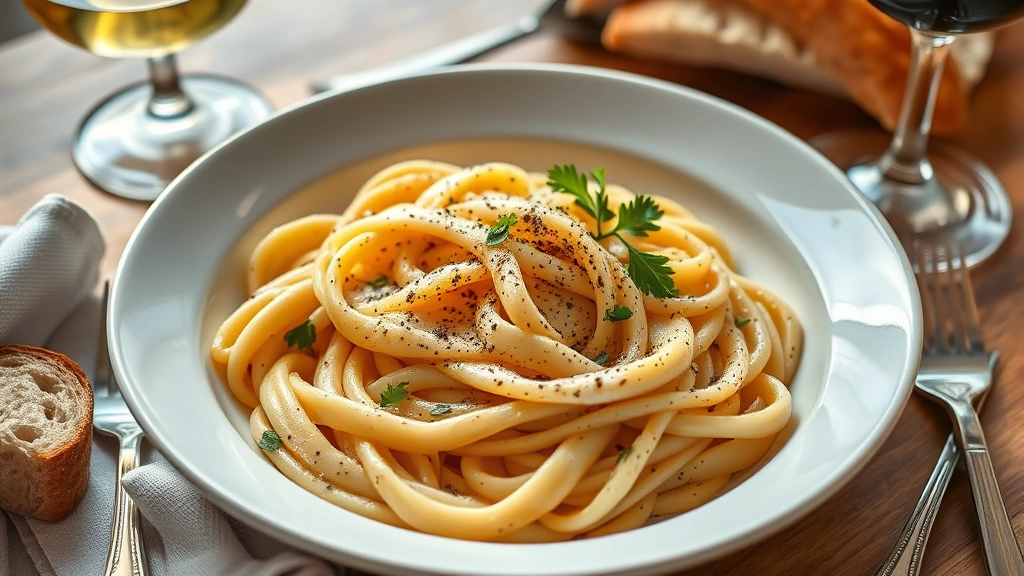
- Pasta: One pound of your preferred shape. Penne, fettuccine, and rigatoni work particularly well because their shapes capture the creamy sauce beautifully. You can also use spaghetti or linguine for a more delicate presentation.
- Butter: Two tablespoons for richness and to help create the sauce base.
- Garlic: Two to three cloves, minced, though this is optional since Boursin already contains garlic. Many home cooks skip this step, but fresh garlic adds a slightly sharper note.
- Pasta water: Reserve approximately one cup of starchy water after draining your pasta. This is crucial—the starch helps emulsify the sauce and creates the right consistency.
- Black pepper and salt: For final seasoning adjustments.
- Optional additions: Fresh parmesan, red pepper flakes, fresh parsley, lemon zest, or sun-dried tomatoes.
Quality matters for pasta, so choose bronze-cut (trafilata) pasta if possible, as it has a rougher texture that grabs sauce more effectively than smooth pasta. For a healthier option, explore high protein recipes for weight loss by substituting whole wheat or chickpea-based pasta.
Step-by-Step Cooking Instructions
Preparation Phase (5 minutes):
Begin by bringing a large pot of salted water to a rolling boil. The water should taste like the sea—this is your only opportunity to season the pasta itself. While waiting for the water to boil, remove your Boursin cheese from the refrigerator and let it sit at room temperature for a few minutes. This allows it to soften slightly, making it easier to incorporate into the sauce. Mince your garlic if using, and measure out your other ingredients.
Cooking the Pasta (8-12 minutes):
Once water reaches a boil, add your pasta and stir immediately to prevent sticking. Follow package directions for cooking time, but aim to finish one to two minutes before the pasta reaches complete tenderness. You want it al dente—tender but still with a slight firmness when bitten. This matters because the pasta will continue cooking slightly when combined with the warm sauce. Reserve at least one cup of pasta water in a separate container before draining.
Creating the Sauce (3-5 minutes):
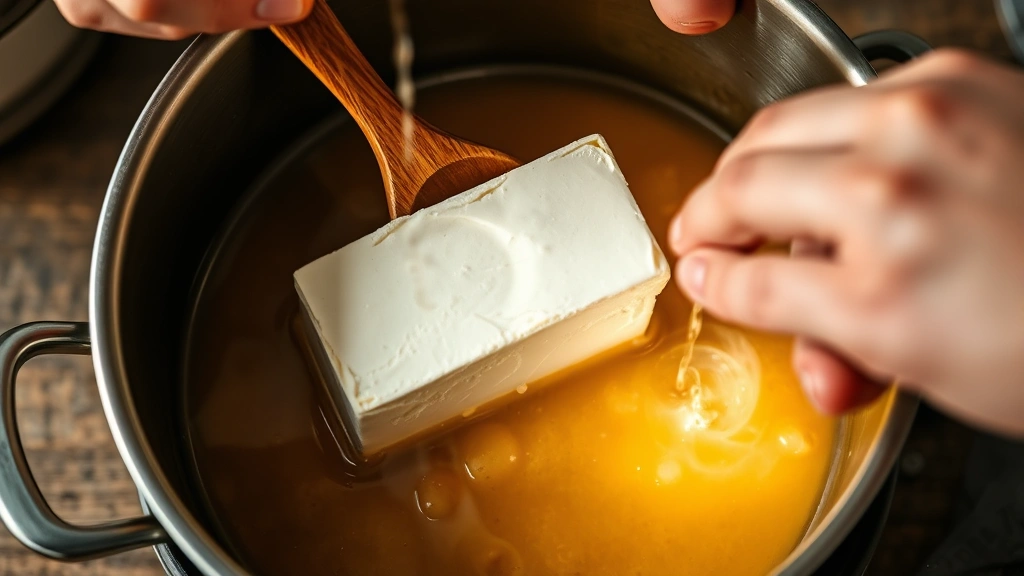
Return the empty pasta pot to medium heat and add butter. If using fresh garlic, add it now and cook for about 30 seconds until fragrant, being careful not to burn it. Add the Boursin cheese directly to the pot and begin stirring. The cheese will start breaking down immediately. Continue stirring constantly for about one minute until the cheese becomes creamy and begins to coat the pot.
Slowly add pasta water, one-quarter cup at a time, while continuing to stir. Watch as the mixture transforms from chunky to smooth and sauce-like. The starch in the pasta water is essential—it helps emulsify the fat from the cheese and butter, creating a cohesive sauce rather than separated, greasy puddles. You may not need all the water; stop adding when you reach your desired consistency. Remember that the sauce will continue thickening slightly as it cools.
Combining Pasta and Sauce (2 minutes):
Add your drained pasta to the pot and toss vigorously for about one minute. Every piece of pasta should become coated in the creamy Boursin sauce. If the mixture seems too thick, add more pasta water by the tablespoon. If it’s too thin, let it simmer for another minute to reduce slightly.
Taste and adjust seasoning with salt and black pepper. Remember that Boursin already contains salt, so taste before aggressively seasoning. If you’re serving this as part of a easy homemade bread recipes dinner, you may want slightly less salt overall.
Variations and Customization Ideas
The basic recipe is fantastic on its own, but creative additions elevate it further. Protein additions include grilled chicken breast (sliced), crispy bacon, sautéed shrimp, or ground Italian sausage. Cook proteins separately and add them after combining pasta with sauce to maintain proper texture.
Vegetable options work beautifully in this dish. Sauté mushrooms, spinach, sun-dried tomatoes, or roasted red peppers separately and fold them in before serving. Cherry tomatoes, when halved and warmed through, burst slightly and add brightness. Fresh asparagus, cut into two-inch pieces, can be added to the pasta water during the last two minutes of cooking, then drained along with the pasta.
For flavor variations, try different Boursin varieties if your store carries them. Sun-dried tomato Boursin creates an Italian-inspired version, while some brands offer cracked pepper or shallot options. Adding fresh herbs like basil, parsley, or thyme at the end provides freshness that complements the cooked herb notes from the cheese. A squeeze of fresh lemon juice brightens the overall dish and cuts through the richness.
Transform this into a lighter option by using half-and-half or whole milk instead of butter, though the final result will be less luxurious. For a spicier version, add red pepper flakes to the butter before incorporating the cheese, or stir in a pinch of cayenne pepper.
Pasta shape matters more than home cooks typically realize. Tube pastas like penne and rigatoni trap sauce inside and between ridges. Ribbon pastas like fettuccine create elegant presentations and allow sauce to coat long strands. Short, twisted shapes like fusilli maximize surface area for sauce coverage. Experiment with your preferred shapes to discover your favorite combination.
Serving Suggestions and Pairings
This pasta is rich and satisfying, so it works beautifully as the main course with simple sides. A crisp green salad with vinaigrette provides textural contrast and helps balance the creamy sauce. Roasted vegetables like broccoli, Brussels sprouts, or green beans add nutrition and visual appeal without competing for flavor attention.
Crusty bread is essential for soaking up any remaining sauce on your plate. If you’re planning a full meal, consider pairing with easy frosting recipe desserts like chocolate mousse or tiramisu, which pair well with Italian-inspired dinners.
For beverages, this dish pairs wonderfully with white wines like Pinot Grigio, Sauvignon Blanc, or Vermentino. The acidity cuts through the cream and cleanses the palate between bites. If you prefer non-alcoholic options, consider easy mocktail recipes with herbal notes like basil-infused water or sparkling apple cider.
Entertaining tip: You can prepare everything up to the point of adding pasta water, then finish the sauce while guests arrive. This takes only a few extra minutes and ensures they enjoy the pasta at its peak temperature and creamiest consistency.
Storage and Make-Ahead Tips
Boursin cheese pasta is best enjoyed immediately after cooking, but leftovers keep well for three to four days in an airtight container in the refrigerator. The sauce may thicken as it cools due to the cheese and butter solidifying. Reheat gently on the stovetop over low heat, adding a splash of milk or pasta water to restore the creamy consistency. Avoid microwaving, which can cause uneven heating and potentially separate the sauce.
You can prepare individual components ahead of time: cook and drain pasta up to two hours in advance (toss with a tiny bit of olive oil to prevent sticking), chop vegetables the night before, and even mince garlic in advance. However, combining everything must happen close to serving time for optimal texture and temperature.
This dish doesn’t freeze particularly well because the sauce can become grainy when thawed. If you must freeze, do so only for up to one month, and expect slightly diminished quality. Freeze in individual portions for easier reheating.
For meal prep purposes, consider cooking the sauce separately and storing it in a container, then combining with freshly cooked pasta when ready to eat. This approach maintains better texture than freezing the completed dish.
FAQ
Can I make boursin cheese pasta without cream or butter?
Yes, though the result will be less luxurious. Replace butter with olive oil and use pasta water as your only liquid. The sauce will be thinner and less coating, but still flavorful. Some home cooks prefer this lighter version, especially when serving with vegetables or proteins.
What if my sauce breaks or becomes grainy?
This rarely happens with Boursin because it’s formulated to be stable, but if it does, immediately remove from heat and whisk in a tablespoon of cold pasta water. The key is not overheating the sauce—keep it at a gentle simmer rather than a rolling boil.
Is Boursin cheese expensive compared to other pasta sauce ingredients?
A 5.2-ounce package typically costs $3-5 depending on your location and store. For a dish serving four people, that’s roughly $1 per person for the main ingredient—quite reasonable, especially considering it eliminates the need for multiple fresh herbs and seasonings.
Can I use store-bought pesto instead of Boursin?
You can, but the result is different. Pesto-based pasta requires less liquid and creates a different flavor profile. Boursin’s garlic and herb blend is more subtle and cooking-friendly than pesto’s raw basil intensity.
How do I know if my pasta water is starchy enough?
Properly starchy pasta water should look slightly cloudy or milky, not completely clear. This cloudiness indicates the presence of starch molecules that will help emulsify your sauce. Using the water from the last few minutes of pasta cooking provides the most starch.
What’s the best pasta shape for beginners making this recipe?
Penne is ideal for beginners because its tube shape naturally holds sauce, making it forgiving if your sauce consistency isn’t perfect. Fettuccine is the next best choice for a more elegant presentation.
Can I add cream to this recipe?
Absolutely. Adding half a cup of heavy cream or half-and-half creates an even richer sauce. Reduce the amount of pasta water proportionally to maintain consistency. This variation appeals to those who prefer maximum creaminess.
How do I prevent the Boursin from clumping?
Ensure your Boursin cheese is slightly softened before adding it to the pot, and stir constantly while it melts. Adding pasta water gradually rather than all at once helps it incorporate smoothly. Cut the cheese into smaller pieces if it comes in a large block.
Is this recipe suitable for dietary restrictions?
The base recipe contains dairy and gluten (in pasta). For gluten-free diets, use gluten-free pasta—the sauce remains unchanged. For dairy-free versions, this recipe is challenging because Boursin is dairy-based, though dairy-free cream cheese alternatives exist, they don’t perform identically.
Can I make this with fresh herbs instead of Boursin?
Yes, but you’re essentially creating a different recipe. Combine butter, fresh garlic, fresh herbs (parsley, basil, thyme), cream, and pasta water to create a sauce, then toss with pasta. It will work, but lacks the specific flavor profile of Boursin cheese.
How can I make this recipe more interesting for repeat servings?
Rotate protein additions (chicken one week, shrimp the next), vary vegetables seasonally, try different Boursin varieties if available, or change your pasta shape. Adding fresh herbs, lemon zest, or red pepper flakes creates subtle variations that keep the dish feeling fresh.


