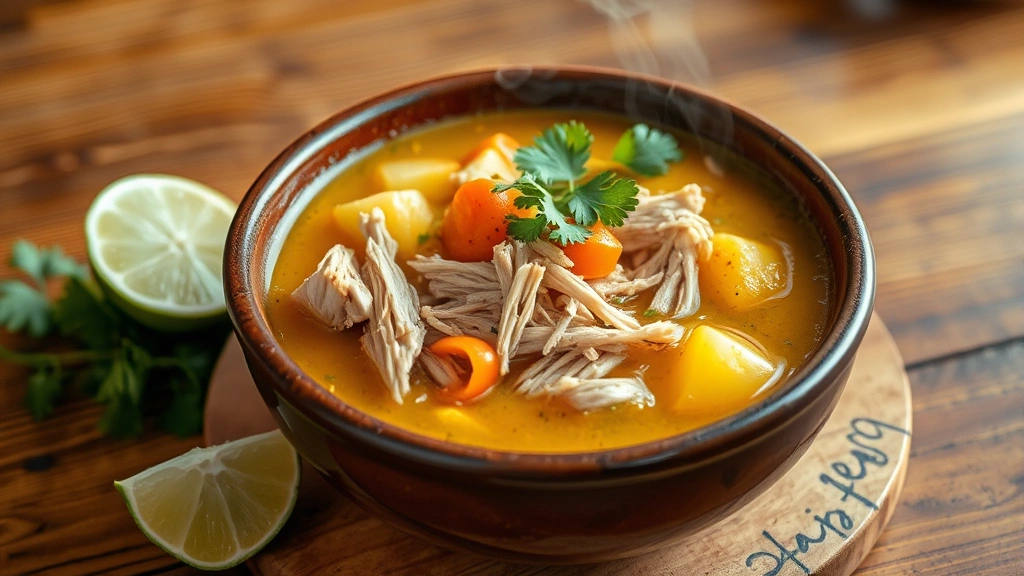
Caldo de Pollo Recipe: Abuela’s Trusted Method
There’s something profoundly comforting about a steaming bowl of caldo de pollo—the golden broth infused with tender chicken, vegetables, and generations of family wisdom. This beloved Mexican soup transcends mere sustenance; it’s liquid comfort that heals the body and soothes the soul. Whether you’re recovering from illness, seeking warmth on a chilly evening, or simply craving authentic home cooking, caldo de pollo delivers with its simple elegance and nourishing power.
Abuela’s version of this classic soup has been passed down through families for generations, each iteration perfecting the balance of flavors and textures. Unlike quick weeknight soups, this traditional method requires patience and attention to detail—but the rewards are immeasurable. The long, slow simmering extracts maximum flavor from the bones and aromatics, creating a broth so rich and satisfying that you’ll understand why this soup holds such a special place in Mexican culinary tradition.
This recipe captures the essence of that trusted family method, breaking down each step so you can recreate Abuela’s magic in your own kitchen. Whether you’re a seasoned cook or exploring Mexican cuisine for the first time, you’ll find this caldo de pollo recipe accessible, rewarding, and absolutely delicious.
Essential Ingredients for Authentic Caldo de Pollo
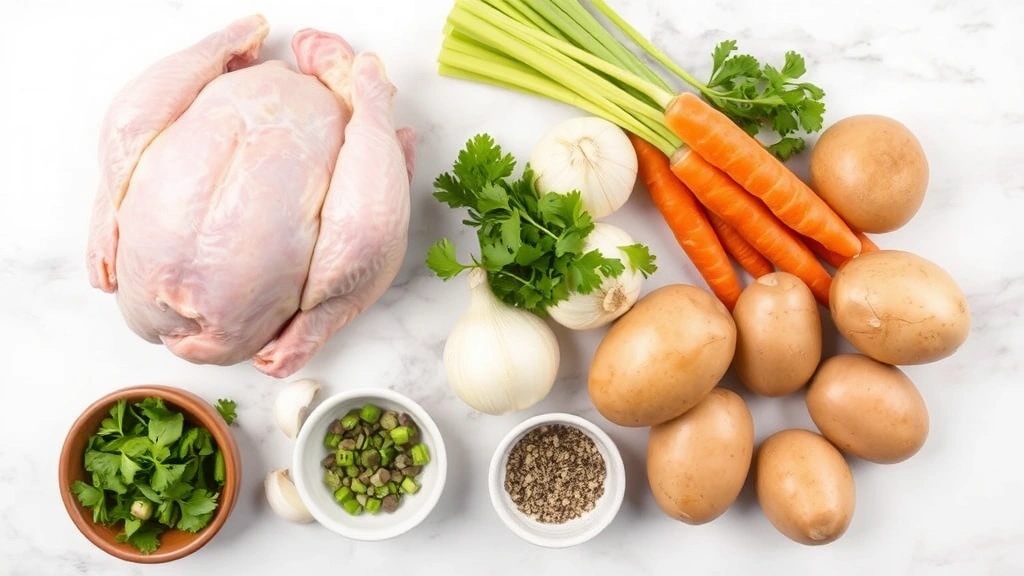
The beauty of caldo de pollo lies in its straightforward ingredient list. Unlike complex recipes requiring specialty items, this soup relies on pantry staples and fresh produce you likely already have. The foundation begins with quality chicken—traditionally, a whole chicken or chicken pieces with bones are preferred over boneless breasts, as the bones contribute gelatin and deep flavor to the broth.
For the vegetables, you’ll need carrots, celery, onions, and potatoes. These humble aromatics form the flavor base that makes caldo de pollo so distinctive. Fresh garlic and cilantro add brightness and authenticity, while simple seasonings like salt and black pepper allow the natural flavors to shine. Some families add dried oregano or bay leaves for subtle complexity. The key is using fresh ingredients rather than relying on bouillon cubes or artificial broths—the difference in taste is remarkable.
Here’s what you’ll gather:
- 2-3 pounds whole chicken or mixed chicken pieces (bone-in preferred)
- 3 large carrots, cut into chunks
- 3 celery stalks, roughly chopped
- 1 large onion, quartered
- 4-5 medium potatoes, peeled and cubed
- 6 garlic cloves, minced
- 12 cups water or low-sodium chicken stock
- 1/2 cup fresh cilantro, chopped
- 2 bay leaves
- 1 teaspoon dried oregano
- Salt and black pepper to taste
- Lime wedges for serving
Preparation Steps: Setting Up for Success
Proper preparation determines whether your caldo de pollo achieves that restaurant-quality depth or falls flat. Begin by thoroughly rinsing your chicken under cold water, removing any excess skin or debris. Pat it dry with paper towels—this step, though simple, helps the chicken brown properly if you choose to sear it first (a technique that adds extra flavor).
Next, prepare your vegetables with intention. Peel and roughly chop your carrots into 2-inch pieces rather than thin slices—larger pieces maintain their texture throughout the long cooking process and are easier to fish out if desired. Cut celery into similar-sized chunks. Quarter your onion with the papery skin still attached; this outer layer adds color and flavor to the broth. Peel and cube your potatoes, keeping them slightly larger than bite-sized so they don’t disintegrate during cooking.
Mince your fresh garlic rather than using pre-minced varieties, which lack the vibrant flavor necessary for this soup. Have your cilantro cleaned and roughly chopped, ready to add at the end. Measure your water or stock and have it ready—some cooks prefer stock for added depth, while purists use only water, allowing the chicken to provide all the flavor.
This preparation stage takes approximately 15-20 minutes but prevents scrambling once cooking begins. Abuela always said that organized preparation is the mark of a respectful cook—you’re honoring both your ingredients and those who will enjoy the meal.
The Cooking Method: Patience and Technique
Heat a large stockpot over medium-high heat. Some traditional recipes begin by browning the chicken pieces for 3-4 minutes per side, creating a flavorful fond on the pot’s bottom. This optional step adds depth but isn’t essential—the long simmer extracts sufficient flavor regardless. If browning, remove the chicken and set aside; if skipping, proceed directly to the next step.
Add your quartered onion and minced garlic to the pot, stirring for 1-2 minutes until fragrant. This brief sauté awakens the aromatics, releasing their essential oils and creating a flavor foundation. Add your prepared carrots and celery, stirring gently for another minute.
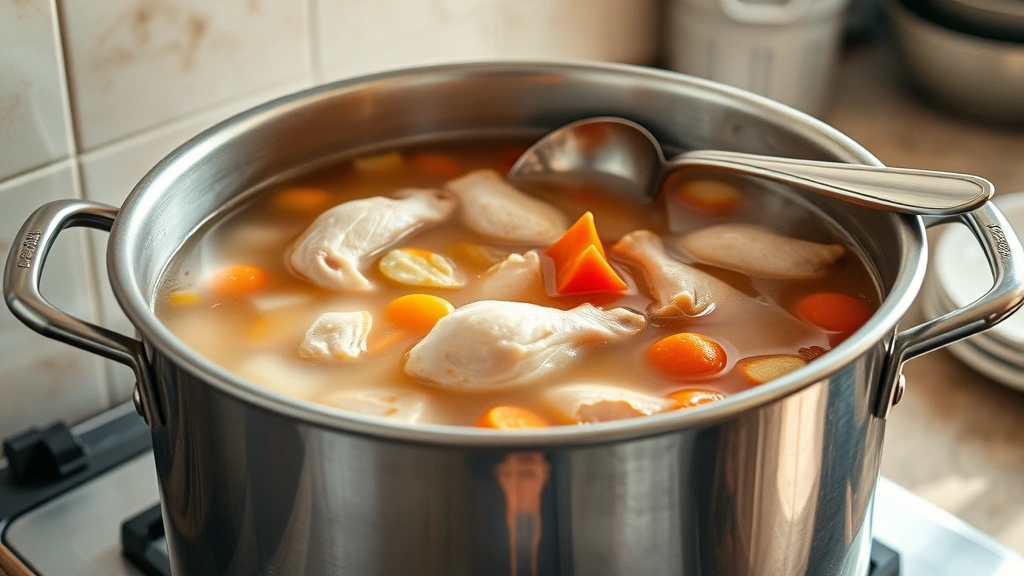
Return the chicken to the pot if you browned it, or add it now if you skipped that step. Pour in your 12 cups of water or stock, ensuring the chicken is covered. Bring everything to a gentle boil over medium-high heat. Once boiling, reduce heat to medium-low and skim away any foam or impurities that rise to the surface—this step clarifies the broth, making it beautifully golden rather than cloudy.
Add your bay leaves and dried oregano now. Let the soup simmer gently, partially covered, for 45 minutes to 1 hour. The chicken should be extremely tender and nearly falling from the bones. This extended cooking time is crucial; rushing this stage compromises the final product. The long, gentle heat extracts collagen from the bones, transforming into gelatin that gives authentic caldo de pollo its signature silky mouthfeel.
After the initial cooking period, add your cubed potatoes and continue simmering for another 20-25 minutes until the potatoes are completely tender. Now taste your broth and adjust seasoning with salt and black pepper. Remember that flavors concentrate as liquid reduces, so season conservatively at first.
Once the chicken is cooked through and easily shreds, carefully remove it from the pot. Set it aside to cool slightly, then shred the meat into bite-sized pieces, discarding bones, skin, and cartilage. Return the shredded chicken to the pot, stirring gently to combine.
This total cooking time of 1.5 to 2 hours might seem lengthy, but it’s essential for developing the deep, authentic flavors that distinguish homemade caldo de pollo from rushed versions. The extended simmer allows vegetables to soften completely, creating a harmonious texture throughout the soup.
Serving Traditions and Accompaniments
In Mexican households, caldo de pollo is served with ceremony and specific accompaniments that elevate the experience. Traditional service includes fresh lime wedges, allowing each diner to add brightness according to their preference. A squeeze of lime juice just before eating brightens the rich broth and adds complexity.
Serve your caldo de pollo with warm corn tortillas on the side—some diners tear tortillas into the broth, while others use them to wrap shredded chicken for a hybrid eating experience. Fresh cilantro should be available as a garnish; many add a generous handful to their individual bowls for herbaceous freshness.
For those seeking best healthy food recipes, caldo de pollo is naturally nutritious—the long-simmered broth contains collagen and minerals extracted from bones, making it excellent for joint health and overall wellness. Pair it with homemade bread for a complete, satisfying meal.
Some families add diced avocado, sliced radishes, or finely diced onion directly into their individual bowls. These fresh additions provide textural contrast and additional nutritional value. A drizzle of quality olive oil adds richness, though traditional recipes typically don’t include this step.
Caldo de pollo also pairs beautifully with easy dinner recipes for beginners, serving as a complete meal on its own or as a first course before lighter main dishes. The soup’s versatility makes it appropriate for casual family dinners, formal gatherings, or quiet recovery meals.
Recipe Variations: Making It Your Own
While Abuela’s traditional method remains unchanged in most families, regional variations exist throughout Mexico and among diaspora communities. Understanding these variations helps you adapt the recipe to personal preferences or ingredient availability.
Vegetable Additions: Some regions add zucchini, green beans, or corn kernels during the final cooking stages. These additions are typically made 10-15 minutes before serving to maintain their texture and nutritional value. Others incorporate chayote squash, a traditional Mexican ingredient that adds subtle sweetness and pleasant texture.
Spice Levels: While traditional caldo de pollo is mild, some families add heat through jalapeños or a pinch of cayenne pepper. These additions should be subtle—the goal is enhancing rather than overwhelming the delicate broth. Fresh serrano peppers, added whole and removed before serving, impart flavor without excessive heat.
Protein Variations: Although chicken is traditional, turkey produces excellent results with similar cooking times. Some families prepare separate batches with beef bones for a richer, deeper broth, though this deviates significantly from the classic recipe. Fish-based versions exist in coastal regions but represent distinct dishes rather than true caldo de pollo.
Broth Enhancement: Adding a Parmesan rind during cooking (removed before serving) contributes umami depth. Some cooks add a small piece of dried guajillo or ancho chile for subtle complexity, though this should be used sparingly to maintain authenticity.
Quick Version: For busy weeknights, pressure cookers reduce cooking time to 30-40 minutes while maintaining quality. Instant Pot or similar devices work well, though traditional slow simmering remains superior for developing maximum flavor. For quick breakfast recipes, leftover caldo de pollo transforms into a nourishing morning meal.
Storage and Make-Ahead Tips
One of caldo de pollo’s greatest advantages is its make-ahead potential. The flavors actually improve after sitting overnight, as ingredients continue melding and the broth deepens. Store cooled soup in airtight containers in the refrigerator for up to four days. The gelatin from chicken bones will solidify when cold, creating a layer of fat on top—this protective layer helps preserve the soup and can be skimmed away or left for added richness.
For longer storage, freeze caldo de pollo in quart-sized containers for up to three months. Leave approximately one inch of headspace to accommodate expansion during freezing. Thaw overnight in the refrigerator or reheat gently in a pot over medium-low heat, adding a splash of water if the broth has become too concentrated.
Many home cooks prepare large batches specifically for freezing, creating a convenient emergency meal. Thawed caldo de pollo reheats beautifully without quality degradation—in fact, many claim frozen-then-thawed versions taste superior to fresh batches, as flavors have additional time to marry. This make-ahead approach fits perfectly within meal planning strategies, ensuring nourishing food is always available.
For meal prep purposes, store broth and solid ingredients separately. Freeze concentrated broth without vegetables or chicken, then add fresh components when reheating. This approach maintains optimal texture and prevents vegetables from becoming mushy during storage.
Frequently Asked Questions About Caldo de Pollo
Can I use boneless, skinless chicken breasts?
While boneless breasts work, they produce inferior results. Bone-in thighs or a combination of pieces create richer broth through collagen extraction. If using only breasts, reduce cooking time to 30-40 minutes and add a chicken bone broth or stock to compensate for missing gelatin. The final product won’t achieve the same silky mouthfeel as traditional versions using bone-in chicken.
Why is my broth cloudy instead of clear and golden?
Cloudiness results from insufficient skimming at the beginning or boiling too vigorously. Ensure you skim foam and impurities during the first 5-10 minutes, and maintain a gentle simmer throughout cooking. If your broth is already cloudy, strain it through cheesecloth into a clean pot, then reheat gently. Future batches will benefit from lower heat and diligent skimming.
How do I know when the chicken is fully cooked?
After 45 minutes to 1 hour of simmering, the chicken should easily shred with a fork or spoon. The meat will be falling from bones and tender throughout. Internal temperature should reach 165°F (74°C), though extended gentle simmering ensures thorough cooking. Undercooked chicken poses food safety risks, so when in doubt, simmer longer.
Can I make this in a slow cooker?
Yes, slow cookers work well for caldo de pollo. Add all ingredients to the slow cooker, set to low, and cook for 6-8 hours. You’ll sacrifice the browning step and initial aromatics sauté, but the extended cooking still produces good results. For best results, sauté onion and garlic in a separate pan first, then add to the slow cooker.
What if I don’t have fresh cilantro?
Fresh cilantro provides authentic flavor, but dried cilantro or parsley offer acceptable substitutes. Use one-third the amount of dried cilantro as fresh (about 2-3 tablespoons). While not identical, these alternatives maintain the soup’s character. Avoid skipping this ingredient entirely, as it provides essential brightness.
Is caldo de pollo appropriate for specific diets?
Caldo de pollo is naturally gluten-free when served with corn tortillas, making it suitable for those avoiding wheat. It’s paleo-friendly, keto-adaptable (reduce potatoes), and generally aligns with whole-food approaches. The long-simmered broth contains collagen and minerals beneficial for joint health and gut healing, connecting to broader wellness trends. Compare with other best breakfast food recipes for dietary variety.
Can I add rice or noodles to the soup?
Yes, though this represents a variation rather than traditional preparation. Add rice or fine noodles during the final 15-20 minutes of cooking, ensuring they don’t overcook and turn mushy. Some families prepare rice separately and add it to individual bowls rather than cooking it directly in the broth, maintaining better texture control.
How much sodium does homemade caldo de pollo contain?
Homemade versions contain significantly less sodium than canned broths or restaurant versions, typically 800-1200 mg per serving depending on added salt. You control sodium levels completely, making it ideal for those monitoring intake. Using unsalted or low-sodium stock reduces sodium further while allowing you to season to taste.


