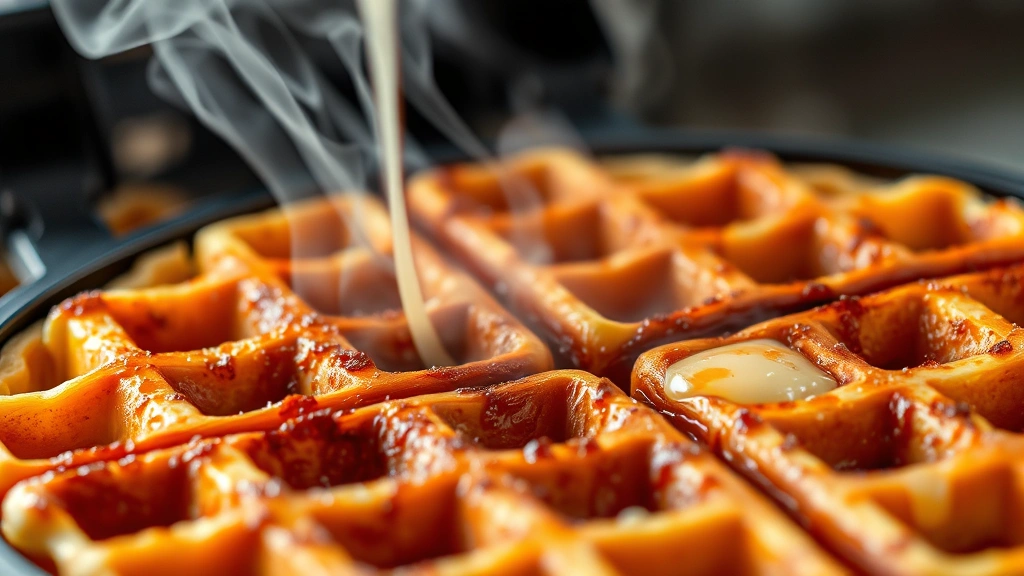
Best Chaffle Recipe? Tried and True Method
Chaffles have revolutionized breakfast for low-carb and keto enthusiasts everywhere. These crispy, golden waffles made in a waffle iron combine the simplicity of eggs and cheese with endless flavor possibilities. Whether you’re following a specific diet or simply looking for a quick, satisfying breakfast, mastering the perfect chaffle technique will transform your mornings. The beauty of chaffles lies in their versatility—they’re naturally gluten-free, require minimal ingredients, and deliver restaurant-quality results in under five minutes.
After countless kitchen experiments and testing various methods, I’ve discovered the secrets to creating chaffles with the ideal texture: crispy exteriors and tender, slightly custardy centers. This comprehensive guide will walk you through everything you need to know about making the best chaffles, from ingredient selection to troubleshooting common mistakes. You’ll learn professional techniques that transform basic egg-and-cheese combinations into breakfast masterpieces that rival traditional waffles.
What Exactly Are Chaffles?
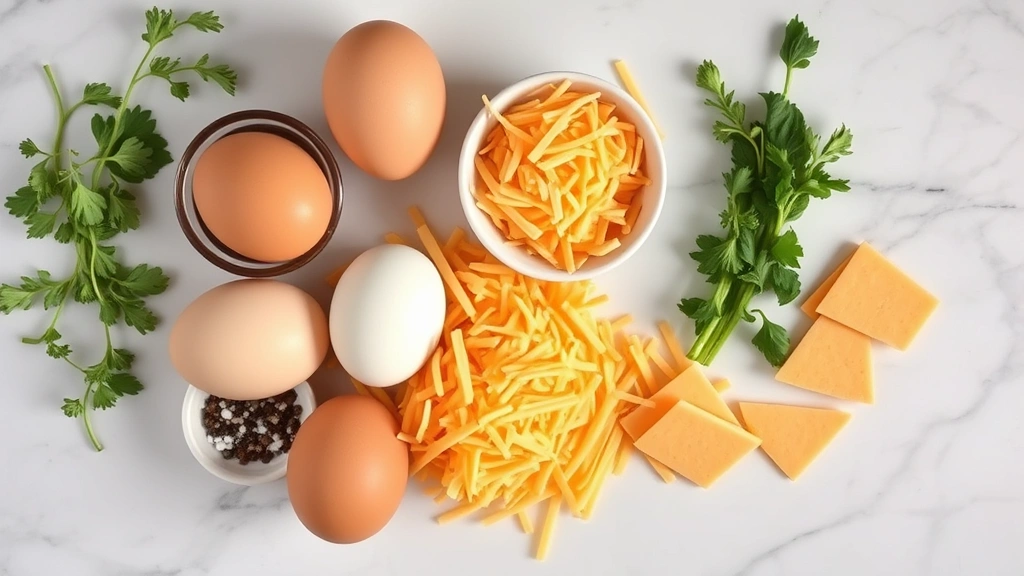
Chaffles are a modern invention that combines the words “cheese” and “waffles.” Unlike traditional waffles made with flour-based batter, chaffles use a simple mixture of eggs and shredded cheese as their foundation. The result is a naturally low-carb, high-protein breakfast option that’s become wildly popular among people following ketogenic diets and those seeking best healthy food recipes.
The concept emerged around 2017 and quickly gained traction in low-carb communities. What makes chaffles special is their incredible versatility. You can serve them sweet with sugar-free syrup and berries, or savory with bacon and avocado. They work as breakfast items, lunch bases, or even dinner components. The waffle iron creates a perfectly crispy exterior while maintaining a tender interior, delivering textural contrast that keeps every bite interesting.
Chaffles typically contain just two to four ingredients, making them accessible for busy mornings. They’re ready in minutes, require no special baking skills, and produce minimal cleanup. For those exploring quick breakfast recipes, chaffles represent the ultimate solution to the constant dilemma of what to eat when time is limited.
Essential Ingredients for Perfect Chaffles
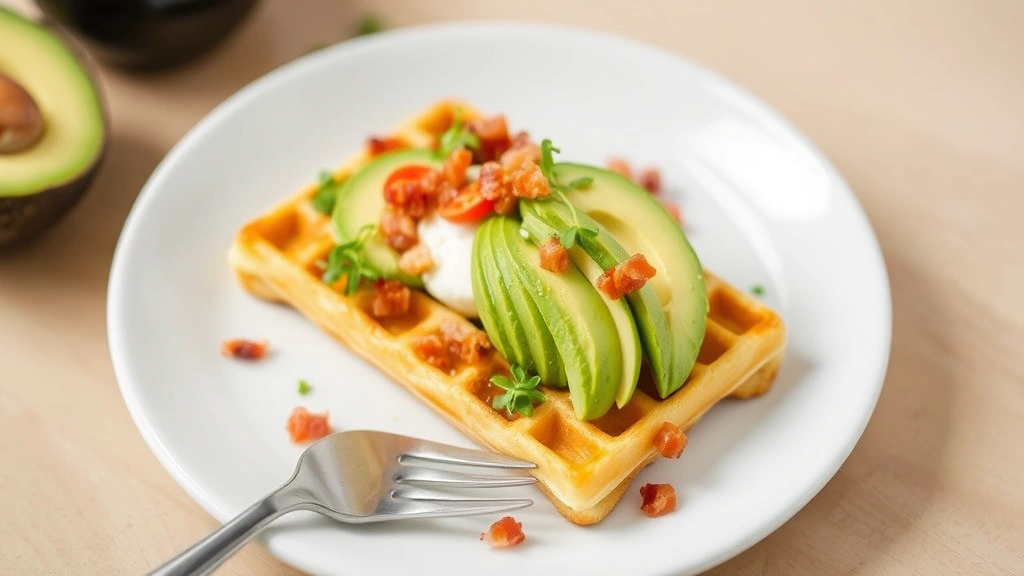
The foundation of exceptional chaffles begins with understanding your ingredients. While the basic recipe requires only eggs and cheese, the quality and type of each component significantly impact your final result.
Eggs: The Binding Agent
Large eggs work best for chaffles, as they provide consistent moisture and binding power. Room-temperature eggs incorporate more smoothly into your cheese mixture, creating a more uniform batter. Use one to two eggs per chaffle, depending on your waffle iron’s size. The egg whites provide structure, while the yolks contribute richness and help achieve that custardy center texture.
For best results, separate your eggs if you’re looking for extra-fluffy chaffles. Whipping egg whites until soft peaks form and folding them into the yolk-cheese mixture creates an airier texture. However, the traditional method of simply whisking whole eggs together works beautifully for most home cooks.
Cheese: Flavor and Structure
Sharp cheddar remains the most popular choice for chaffles, delivering bold flavor and excellent melting properties. Shred your cheese fresh from a block rather than using pre-shredded varieties, which contain anti-caking agents that can affect texture. The natural oils in freshly shredded cheese create superior moisture distribution throughout your chaffle.
Other excellent cheese options include mozzarella (which creates a more tender crumb), gruyere (for sophisticated, nutty notes), and a blend of cheddar and parmesan for enhanced flavor complexity. Aim for approximately one cup of tightly packed shredded cheese per two eggs. The cheese should comprise about sixty percent of your chaffle’s volume.
Optional Flavor Enhancers
While basic chaffles shine on their own, strategic additions elevate them significantly. A quarter teaspoon of salt per chaffle enhances cheese flavor. Freshly ground black pepper adds subtle complexity. For savory variations, consider one-quarter teaspoon of garlic powder, Italian seasoning, or smoked paprika. These additions should be whisked into the egg mixture before combining with cheese.
Step-by-Step Chaffle Cooking Method
Mastering the proper technique ensures consistent, restaurant-quality results every single time you make chaffles.
Preparation Phase
- Preheat your waffle iron: Set it to medium-high heat and allow five to seven minutes for proper temperature distribution. A properly heated iron creates the crispy exterior that defines excellent chaffles. Many waffle irons have indicator lights; wait for the light to turn off and turn back on, indicating it has reached full temperature.
- Gather and measure ingredients: Have everything ready before you begin. This mise en place approach prevents scrambling once you start cooking. Room-temperature eggs incorporate more smoothly than cold ones.
- Shred your cheese: If using block cheese, shred it fresh immediately before cooking. The oils remain active and distribute more effectively throughout your mixture.
Mixing Phase
- Crack eggs into a mixing bowl: Use a medium-sized bowl that gives you adequate space for whisking. Whisk eggs thoroughly for about thirty seconds until the yolks and whites combine completely and the mixture becomes slightly frothy.
- Add seasonings: Incorporate salt, pepper, and any other dry seasonings at this stage. Whisk for an additional ten seconds to distribute seasonings evenly.
- Fold in shredded cheese: Using a rubber spatula, gently fold the shredded cheese into the egg mixture using a folding motion rather than stirring. This technique prevents overworking the eggs while ensuring even cheese distribution. The batter should appear chunky with visible cheese pieces.
Cooking Phase
- Apply cooking spray or butter: Lightly coat both the top and bottom plates of your waffle iron. Use cooking spray, melted butter, or ghee. This step proves crucial for preventing sticking and ensuring even browning.
- Pour batter carefully: Spoon approximately one-quarter to one-third cup of batter into the center of your waffle iron, depending on your iron’s size. For standard four-inch waffle irons, use the smaller amount. Distribute the batter evenly, leaving slight space from the edges.
- Close and cook: Gently close the waffle iron and cook for three to five minutes. Resist the urge to open it prematurely. The chaffle is ready when steam stops escaping from the iron’s edges and the exterior appears golden brown.
- Remove and cool slightly: Using a fork or small spatula, carefully remove the chaffle and place it on a plate. Allow one to two minutes for cooling before serving. This resting period allows the exterior to firm up further while the interior remains tender.
Pro Tips for Crispy Results
Achieving that perfect crispy exterior requires attention to several technical details. Temperature control proves absolutely essential. Your waffle iron should reach medium-high to high heat. If your chaffles emerge pale or soft, your iron isn’t hot enough. Conversely, if they brown too quickly on the outside while remaining raw inside, reduce heat slightly.
The thickness of your batter directly affects cooking time and texture. Thinner batter creates crispier, more delicate chaffles, while thicker batter produces denser, more cake-like results. Experiment with your preferred consistency. Start with one-quarter cup of batter and adjust based on your iron’s size and your texture preferences.
Don’t skimp on the cooking spray. A generous coating ensures even heat distribution and prevents sticking. Some cooks prefer clarified butter or ghee for superior browning and flavor. The fat promotes the Maillard reaction, which creates those desirable golden-brown, crispy edges.
Cheese selection significantly impacts crispiness. Higher-fat cheeses like sharp cheddar and gruyere create crispier exteriors than lower-fat varieties. The fat in the cheese contributes to browning and crispness. Blending two cheese varieties—such as cheddar and parmesan—produces exceptional texture and flavor complexity.
Avoid opening your waffle iron until steam stops escaping. This premature opening releases steam, interrupting the cooking process and resulting in undercooked interiors. Trust the process and wait for visual cues before checking doneness. Experienced chaffle makers often set a timer for four minutes and resist peeking until the timer sounds.
Flavor Variations and Toppings
One of the greatest joys of chaffles is their incredible versatility. Once you master the basic technique, endless flavor possibilities await.
Savory Chaffle Variations
Bacon and Cheddar: Crumble two slices of cooked bacon into your egg-cheese mixture. This combination delivers smoky, salty notes that pair beautifully with savory toppings like avocado and tomato.
Italian Herb: Add one-half teaspoon of Italian seasoning, one-quarter teaspoon of garlic powder, and a pinch of red pepper flakes to your basic mixture. Top with marinara sauce and additional parmesan for a pizza-like experience.
Breakfast Sandwich Base: Make plain chaffles and sandwich them with scrambled eggs, cheese, and your choice of breakfast meats. Chaffles work perfectly as bread substitutes for those exploring low carb dinner recipes and lunch options.
Sweet Chaffle Variations
Vanilla Berry: Add one-quarter teaspoon of vanilla extract to your egg mixture. Serve topped with fresh berries, whipped cream, and a drizzle of sugar-free maple syrup.
Cinnamon Cream Cheese: Blend one-quarter cup of softened cream cheese with one-eighth teaspoon of cinnamon and a touch of sweetener. Fold this mixture into your eggs and cheese for subtle sweetness and richness.
Chocolate Chip: Add one-quarter teaspoon of vanilla extract and one-quarter cup of sugar-free chocolate chips to your basic mixture. These create delightful pockets of sweetness throughout.
Topping Ideas
Savory toppings include avocado slices, smoked salmon, sautéed mushrooms, caramelized onions, and hollandaise sauce. Sweet options feature fresh berries, Greek yogurt, almond butter, sugar-free chocolate sauce, and whipped cream. The structural integrity of chaffles means they support generous toppings without becoming soggy.
Storage and Reheating Guidelines
Chaffles store beautifully, making them perfect for meal preparation. Allow cooked chaffles to cool completely before storing. Place them in an airtight container with parchment paper between layers to prevent sticking. Refrigerated chaffles keep for up to four days.
To reheat, place chaffles directly in your toaster oven at 350°F for three to four minutes. This method restores crispiness better than microwaving. Alternatively, use your waffle iron on medium heat for two to three minutes. This technique revitalizes the exterior while warming the interior perfectly.
Chaffles also freeze exceptionally well. Cool them completely, then arrange in a single layer on a baking sheet and freeze for two hours. Transfer frozen chaffles to a freezer bag where they keep for up to one month. Reheat directly from frozen using the same methods as refrigerated chaffles, allowing an extra minute or two for cooking time.
Common Chaffle Problems Solved
Problem: Chaffles stick to the waffle iron. Solution: Ensure adequate cooking spray or butter on both plates. Some cooks apply spray between each chaffle. Additionally, confirm your waffle iron is hot enough. Insufficient heat causes sticking. Wait for complete preheating before cooking.
Problem: Pale, soft chaffles that lack crispiness. Solution: Increase your waffle iron’s temperature to medium-high or high. Ensure adequate cooking time—resist opening the iron prematurely. Consider using higher-fat cheeses and applying generous cooking spray.
Problem: Raw, custardy centers with dark exteriors. Solution: Reduce waffle iron temperature and extend cooking time. Thinner batter also helps, as it cooks more evenly. If your iron runs very hot, medium temperature might be appropriate.
Problem: Chaffles fall apart or crumble. Solution: Ensure adequate cheese-to-egg ratio. Cheese provides binding structure. Use one cup of cheese per two eggs as a baseline. Additionally, avoid opening the waffle iron too early, which interrupts cooking and weakens structure.
Problem: Bland flavor despite seasoning. Solution: Use quality, flavorful cheese. Block cheese offers superior taste to pre-shredded varieties. Consider blending two cheese types. Increase salt slightly—chaffles require more seasoning than you might expect. Add fresh herbs or spice blends for complexity.
For additional inspiration beyond chaffles, explore the Fresh Plated Daily Blog for more innovative recipe ideas and cooking techniques that will expand your culinary repertoire.
FAQ
Can I make chaffles without a waffle iron?
While a waffle iron creates the characteristic texture, you can cook chaffles in a skillet or on a griddle. However, they won’t achieve the same crispy exterior and distinctive shape. Pan-fried chaffles resemble more traditional omelets. For the best results, investing in an inexpensive waffle iron is worthwhile.
Are chaffles truly keto-friendly?
Yes, basic chaffles containing only eggs and cheese are naturally keto-friendly. A typical chaffle contains less than one gram of carbohydrates, making them excellent for ketogenic diets. However, flavored variations with sweeteners or specialty ingredients should be evaluated individually for carbohydrate content.
How do I prevent my chaffles from being too eggy?
The “eggy” flavor typically results from insufficient cheese or overcooking. Ensure adequate cheese in your mixture—aim for one cup per two eggs. Additionally, avoid cooking too long. Overcooked chaffles develop stronger egg flavors. Three to four minutes is usually optimal.
Can I prepare chaffle batter in advance?
Yes, you can prepare batter up to four hours ahead. Keep it in an airtight container in the refrigerator. The batter may separate slightly; simply whisk again before cooking. However, freshly made batter produces superior results, so cook within a few hours when possible.
What’s the best cheese for chaffles?
Sharp cheddar remains the most popular choice, offering excellent flavor and melting properties. Gruyere provides sophisticated, nutty notes. Mozzarella creates tender results. Many cooks blend two varieties for optimal flavor and texture. Avoid pre-shredded cheese containing anti-caking agents.
Can I add vegetables to chaffles?
Yes, finely diced vegetables can work, though they add moisture. Use vegetables sparingly and pat them dry before adding. Sautéed mushrooms, finely minced bell peppers, and spinach work well. Avoid watery vegetables like tomatoes unless cooked down first to remove excess moisture.
How many calories are in a basic chaffle?
A typical chaffle made with two eggs and one cup of shredded cheese contains approximately 200-250 calories, with roughly 15-18 grams of protein and minimal carbohydrates. Exact values depend on cheese type and egg size. Calculate precise values using your specific ingredients for dietary tracking.
Are chaffles suitable for meal prep?
Absolutely. Chaffles freeze and reheat beautifully, making them ideal for meal preparation. Prepare a batch on Sunday, freeze them, and reheat throughout the week. They work as breakfast bases, lunch components, or snacks. Pair them with different toppings throughout the week for variety.


