Creamy Cheddar Cheese Sauce: Chef’s Favorite Recipe
A truly exceptional cheddar cheese sauce is one of those foundational culinary skills that transforms ordinary dishes into restaurant-quality meals. Whether you’re drizzling it over homemade bread, spooning it onto steamed vegetables, or using it as a base for mac and cheese, mastering this creamy cheddar cheese sauce recipe will elevate your cooking instantly. The key to achieving that silky, luxurious texture lies in understanding the balance between heat, fat, and cheese—a combination that professional chefs have perfected over decades.
This chef-approved creamy cheddar cheese sauce comes together in just 10 minutes, yet tastes like you’ve spent hours perfecting it. The secret isn’t complicated: quality ingredients, proper technique, and attention to temperature. Many home cooks struggle with grainy or broken sauces, but by following this step-by-step guide, you’ll create a glossy, velvety sauce that clings beautifully to whatever you’re serving it with. Let’s dive into what makes this recipe special and how to execute it flawlessly every single time.
Essential Ingredients for Perfect Cheddar Cheese Sauce
The foundation of any exceptional cheddar cheese sauce recipe starts with quality ingredients. You don’t need many components, but each one plays a crucial role in achieving that desired creamy texture and rich flavor profile. Here’s what you’ll need:
- Butter: Use unsalted butter (2-3 tablespoons) as your fat base. Unsalted gives you better control over the final salt content. Quality butter contains more milk solids, which contribute to a silkier sauce.
- All-purpose flour: This creates the roux, which acts as a thickening agent. You’ll need about 2 tablespoons. Never skip this step, as it prevents graininess and ensures a smooth consistency.
- Whole milk: Use 1½ cups of whole milk, not skim. The fat content in whole milk is essential for creating that luxurious mouthfeel. Cold milk is fine; it will warm as you cook.
- Sharp cheddar cheese: This is non-negotiable. You need 2 cups of freshly shredded sharp cheddar—not pre-shredded from a bag. Pre-shredded cheese contains anti-caking agents that prevent it from melting smoothly and create a grainy texture.
- Seasonings: Kosher salt, freshly ground black pepper, and a pinch of cayenne pepper add depth without overpowering the cheese flavor. Many chefs also add a touch of dry mustard powder (½ teaspoon) for complexity.
- Optional additions: A splash of Worcestershire sauce, a teaspoon of hot sauce, or a pinch of smoked paprika can elevate the flavor profile significantly.
The quality of your cheddar cheese makes the biggest difference. Aged cheddar has more complex flavors than mild varieties, creating a more sophisticated sauce. If you can source artisanal cheddar from a local cheese maker or specialty shop, the difference will be immediately apparent. The cheese should be at room temperature before adding to your sauce—this ensures it melts evenly without clumping.
Step-by-Step Preparation Guide
Creating the perfect creamy cheddar cheese sauce requires patience and attention to detail. Follow these steps precisely for consistent, professional results every time you prepare this recipe.
- Create your roux base: Melt butter in a medium saucepan over medium heat. Once melted and foaming, add your flour immediately. Stir constantly for 1-2 minutes, creating a paste-like consistency. This cooking time removes the raw flour taste and creates the thickening base for your sauce. The roux should smell slightly nutty, not raw.
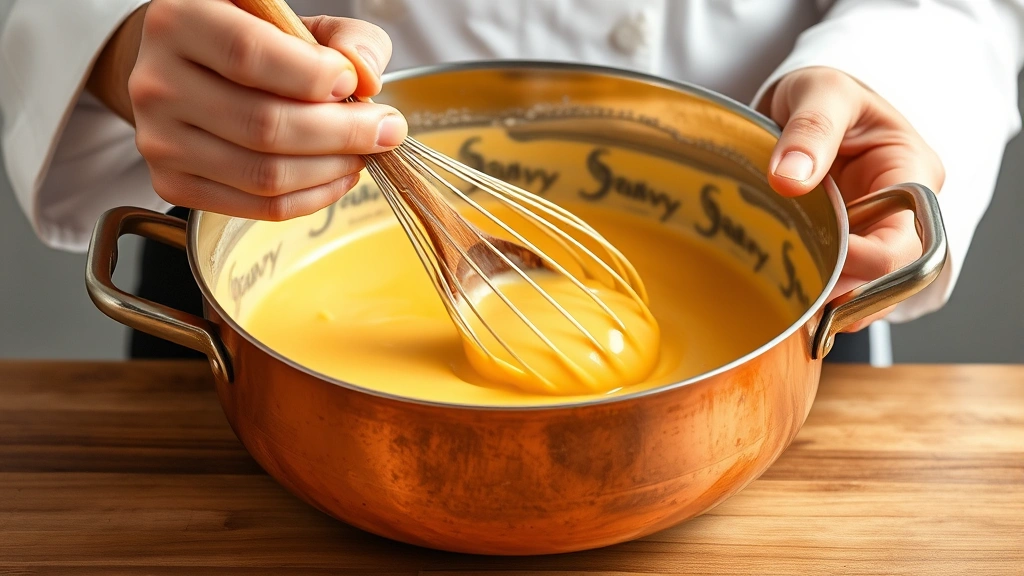
- Gradually add milk: Pour in your milk slowly while whisking constantly. Start with about ¼ cup, whisking vigorously to break up any lumps in the roux. Once smooth, continue adding the remaining milk in a steady stream while whisking. This gradual incorporation prevents lumps from forming—rushing this step is the primary cause of grainy sauces.
- Cook the béchamel base: Continue cooking and stirring for 3-4 minutes until the mixture thickens slightly and coats the back of a spoon. You should see steam rising, indicating the sauce is heating through. The mixture will coat a spoon when it’s ready—draw your finger across the spoon’s back, and the line should hold.
- Prepare your cheese: While the béchamel is cooking, shred your cheddar cheese if you haven’t already. Ensure the cheese is at room temperature, as cold cheese will cause temperature fluctuations that can break the sauce. Place it in a bowl near your stovetop for quick access.
- Add seasonings: Season your béchamel with kosher salt, freshly ground black pepper, and cayenne pepper. Taste as you go—you can always add more salt, but you can’t remove it. This is the perfect moment to add dry mustard powder, Worcestershire sauce, or hot sauce if desired.
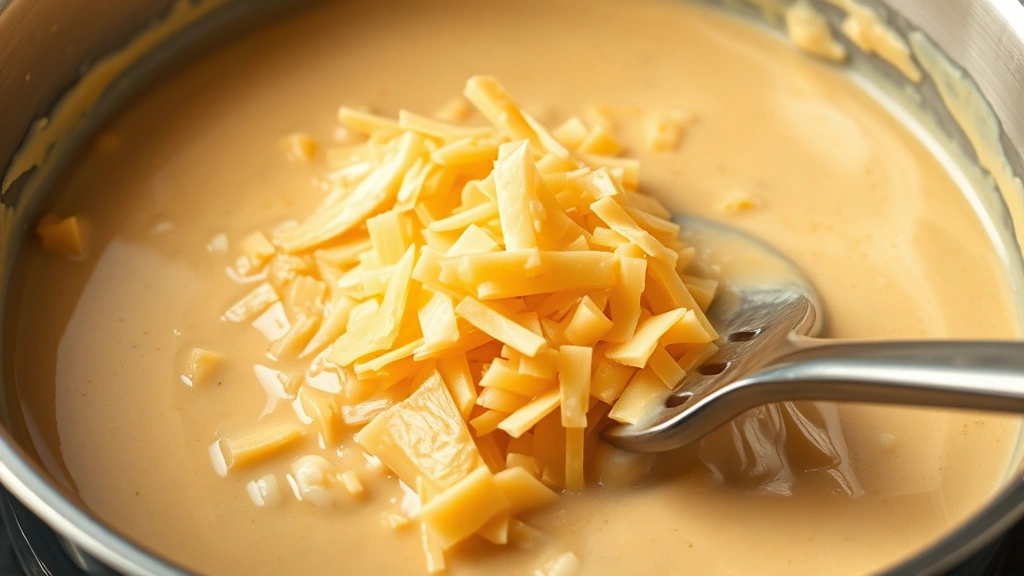
- Lower heat and add cheese: Reduce heat to low or medium-low. This is critical—high heat can cause the cheese proteins to separate, resulting in a grainy, broken sauce. Gradually add your shredded cheddar cheese, a handful at a time, stirring constantly. Wait until each addition is mostly melted before adding more cheese.
- Achieve silky texture: Once all cheese is incorporated, continue stirring gently for 1-2 minutes until the sauce is completely smooth and glossy. You should see no graininess or separation. If the sauce seems too thick, add milk one tablespoon at a time. If too thin, let it simmer gently for another minute.
- Final taste adjustment: Remove from heat and taste one final time. Adjust seasonings as needed. The sauce should taste bold and cheesy, not bland. This is your moment to fine-tune the flavor profile.
The entire process takes approximately 10-12 minutes from start to finish. This speed makes it perfect for weeknight dinners or when you need to prepare a sauce quickly before serving.
Temperature Control: The Critical Factor
Temperature management separates successful cheddar cheese sauce recipes from disappointing ones. Understanding why temperature matters will help you troubleshoot any issues that arise.
When cheese heats too quickly or at too high a temperature, the milk fats separate from the milk solids, causing the sauce to become grainy and oily. Professional chefs maintain careful temperature control throughout the cooking process. The béchamel should simmer gently, never boil. Once you begin adding cheese, the temperature should drop even further—ideally to a gentle simmer or even slightly below boiling.
A culinary thermometer is incredibly helpful for monitoring temperature. Aim to keep the sauce between 160-180°F (70-82°C) once the cheese is added. If your sauce breaks or becomes grainy, you can often recover it by removing it from heat and whisking in a splash of cold milk or a tablespoon of sour cream. The acid and cooler temperature can help re-emulsify the sauce.
Room temperature is also important for ingredients. Cold cheese added to a hot sauce will cause temperature drops that promote separation. Similarly, cold milk added to hot roux requires vigorous whisking. These details might seem minor, but they’re what professional kitchens obsess over to maintain consistency.
Troubleshooting Common Sauce Problems
Even experienced cooks occasionally encounter issues with cheese sauces. Here’s how to identify and fix the most common problems:
- Grainy or broken texture: This happens when cheese proteins separate, usually from high heat or rapid temperature changes. If you notice this developing, immediately remove the sauce from heat and whisk in a tablespoon of cold milk or sour cream. The acid helps re-emulsify the sauce. Alternatively, blend the sauce briefly with an immersion blender to restore smoothness.
- Too thick: If your sauce thickens too much, simply whisk in milk one tablespoon at a time until you reach the desired consistency. Remember that the sauce will thicken slightly as it cools, so aim for slightly thinner than your final desired consistency.
- Too thin: A thin sauce needs more thickening agent. Make a slurry by mixing 1 tablespoon cornstarch with 2 tablespoons cold milk, then whisk it into your sauce over low heat. Alternatively, simmer the sauce gently for 2-3 minutes to reduce and thicken it slightly.
- Lacks flavor: Cheese sauce should taste bold and satisfying. If yours tastes flat, add more salt gradually, tasting as you go. A touch of cayenne pepper, dry mustard powder, or even a few dashes of hot sauce can add complexity. Some chefs add a tablespoon of grated Parmesan for extra umami depth.
- Separates upon sitting: This occurs when the sauce cools and fat solidifies separately from the liquid. Gently reheat while whisking, and it should come back together. For serving, keep the sauce warm in a double boiler or slow cooker set to warm, stirring occasionally.
Prevention is always easier than correction. By following the temperature guidelines and ingredient preparation steps outlined above, you’ll minimize the chance of encountering these issues.
Flavor Variations and Enhancements
While a classic creamy cheddar cheese sauce recipe is wonderful on its own, you can easily customize it to match your menu and preferences. Here are some variations that professional chefs use:
- Smoky cheddar sauce: Add ½ teaspoon smoked paprika and a pinch of liquid smoke. This works beautifully with venison recipes or grilled vegetables.
- Jalapeño and lime: Finely dice a fresh jalapeño and add to the béchamel before cheese. Finish with fresh lime juice for brightness. This complements Mexican-inspired dishes perfectly.
- Herb-infused version: Stir in fresh herbs like thyme, sage, or chives at the end of cooking. Refer to our guide on how to preserve herbs to understand which fresh herbs work best and how to use them effectively.
- White wine reduction: Simmer ½ cup white wine in a separate pan until reduced by half, then incorporate into your sauce for sophisticated flavor depth.
- Roasted garlic: Add 3-4 cloves of roasted garlic, minced finely, for sweet, mellow garlic flavor that doesn’t overpower the cheese.
- Bacon and onion: Caramelize diced onions separately, cook crumbled bacon, and stir both into your finished sauce for savory complexity.
- Beer cheese sauce: Replace ½ cup of milk with ½ cup of pale ale or IPA. The beer adds depth and slight bitterness that balances the richness beautifully.
Experimentation is encouraged. The base recipe is forgiving enough to accommodate various additions while maintaining its essential character. Start with small amounts of any new ingredient and taste frequently to ensure you don’t overwhelm the cheese flavor.
Storage and Reheating Tips
Proper storage ensures you can enjoy your cheddar cheese sauce recipe across multiple meals. Here’s how to handle it like a professional:
- Refrigerator storage: Transfer cooled sauce to an airtight container and refrigerate for up to 4 days. The sauce will thicken significantly as it cools due to the fat solidifying. This is completely normal.
- Freezer storage: Cheese sauces can be frozen for up to 3 months in freezer-safe containers. Leave about ½ inch headspace for expansion. Label with the date for easy reference.
- Reheating on stovetop: Place frozen or refrigerated sauce in a saucepan over low to medium-low heat. Stir frequently, adding milk one tablespoon at a time if the sauce seems too thick. The low heat prevents the sauce from breaking again. This method takes 5-10 minutes depending on the quantity.
- Reheating in microwave: Transfer sauce to a microwave-safe bowl and heat in 30-second intervals, stirring between each one. This method requires more attention to prevent overheating but works quickly.
- Double boiler method: For the gentlest reheating, use a double boiler. Place sauce in the top pot over simmering water and stir occasionally until warm. This prevents any risk of scorching or breaking.
- Make-ahead strategy: You can prepare the béchamel base up to 2 days ahead, then add cheese just before serving. This flexibility makes meal planning easier.
When reheating, remember that a slightly thinner sauce will thicken as it cools. Aim for consistency that’s slightly looser than your final desired texture. Many chefs prepare their cheddar cheese sauce recipe fresh each time to ensure optimal texture, but storage options provide excellent flexibility for busy schedules.
FAQ
Can I use pre-shredded cheese for this cheddar cheese sauce recipe?
While possible, pre-shredded cheese is not recommended for this recipe. Anti-caking agents in commercial pre-shredded cheese prevent smooth melting and create a grainy, broken sauce. Fresh-shredded cheese from a block melts uniformly and creates the silky texture that defines a great sauce. The small effort of shredding cheese yourself yields dramatically better results.
What’s the difference between sharp and mild cheddar in this sauce?
Sharp cheddar is aged longer than mild cheddar, developing more complex, tangy flavors. Sharp cheddar creates a more sophisticated sauce with greater depth of flavor. Mild cheddar produces a gentler, more approachable sauce. For a chef’s favorite recipe, sharp cheddar is preferred, but you can use mild if you prefer a more subtle cheese flavor.
Can I make this sauce dairy-free?
Yes, with substitutions. Use dairy-free butter and unsweetened plant-based milk (oat or cashew milk work best). For cheese, use high-quality dairy-free cheddar alternatives. The technique remains identical, though dairy-free versions may not achieve quite the same silky texture due to lower fat content. Nutritional yeast can add cheesy flavor depth to dairy-free versions.
How long does fresh cheddar cheese sauce keep?
Refrigerated in an airtight container, this sauce stays fresh for 3-4 days. Freezer storage extends this to 3 months. Always check for off-smells or unusual appearance before using stored sauce. When properly stored, it remains safe and delicious throughout this timeframe.
Why did my sauce break despite following the recipe?
Sauce breaks primarily due to high heat or rapid temperature fluctuations. If you added very cold cheese to very hot sauce, or if the burner temperature was too high, breaking can occur. The good news: broken sauce is often salvageable. Remove from heat and whisk in cold milk or a dollop of sour cream to help re-emulsify it.
What dishes pair best with this creamy cheddar cheese sauce?
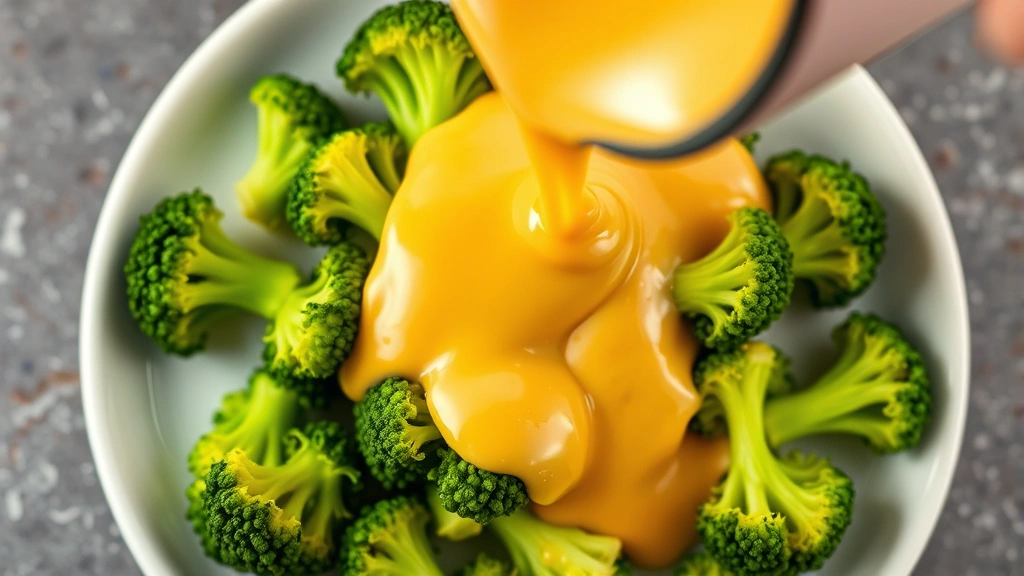
Beyond the obvious mac and cheese, this sauce works beautifully over steamed broccoli, baked potatoes, grilled vegetables, homemade pasta, nachos, and burgers. It’s also excellent for dipping homemade bread or vegetable sticks. Even low carb dinner recipes can feature this sauce when served over cauliflower or zucchini. The versatility is one of its greatest strengths.
Can I add cream cheese to make it extra creamy?
Yes, adding 2-3 ounces of room-temperature cream cheese creates additional richness and creaminess. Add it after the béchamel thickens but before the cheddar. Stir until completely smooth before incorporating the cheddar cheese. This variation produces an exceptionally luxurious sauce.
What’s the best way to keep sauce warm for serving?
A slow cooker set to warm setting works perfectly for keeping sauce warm during dinner service. Stir occasionally to prevent a skin from forming on top. Alternatively, use a double boiler with gently simmering water underneath. Both methods maintain temperature without risking sauce breakdown from direct high heat.


