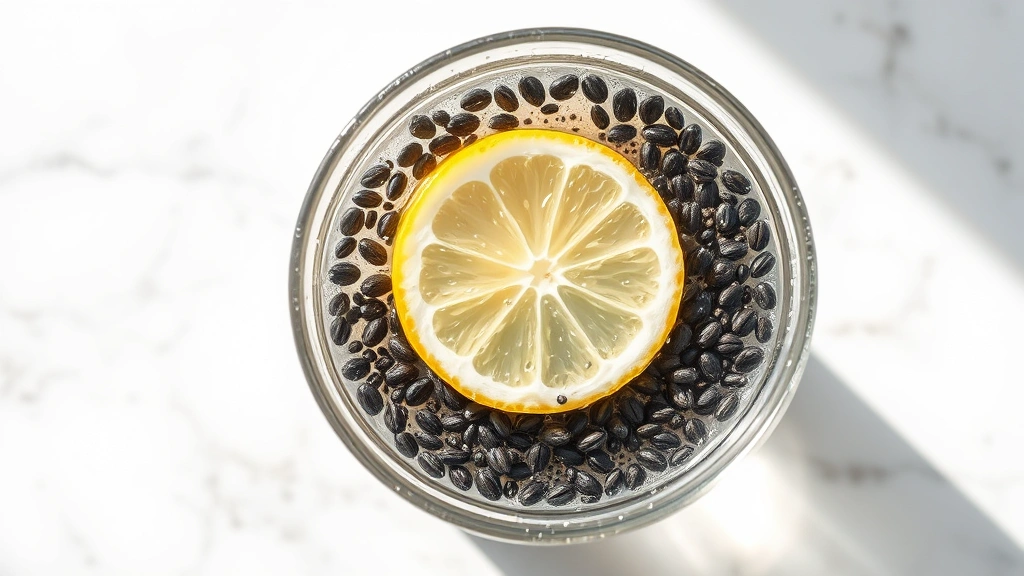
Boost Energy with Chia Seed Water: Nutritionist Approved Recipe
Chia seed water has become a go-to beverage for health-conscious individuals seeking a natural energy boost without the crash associated with caffeine-heavy drinks. These tiny seeds, originating from Central America, pack an impressive nutritional punch that can transform your daily hydration routine. When soaked in water, chia seeds develop a gel-like coating that creates a refreshing, nutrient-dense drink that’s both satisfying and beneficial for your body.
What makes chia seed water particularly special is its ability to provide sustained energy throughout the day. Unlike sugary sports drinks or energy beverages loaded with artificial ingredients, this simple concoction delivers real nutritional value in the form of fiber, protein, omega-3 fatty acids, and essential minerals. Whether you’re looking to enhance your fitness routine, improve digestion, or simply stay hydrated with purpose, chia seed water offers a versatile solution that fits seamlessly into any lifestyle.
Why Chia Seeds Are Energy Powerhouses
Chia seeds contain a remarkable combination of nutrients that work synergistically to boost your energy levels naturally. These seeds are approximately 40% fiber by weight, making them one of the most fiber-rich plant foods available. The soluble fiber absorbs water and creates a gel substance that slows digestion, providing steady energy release rather than rapid spikes and crashes.
The protein content in chia seeds is equally impressive, accounting for about 12% of their composition. This makes them an excellent choice for vegetarians, vegans, or anyone looking to increase their protein intake without consuming meat. When combined with water, these proteins become more bioavailable, meaning your body can absorb and utilize them more effectively.
Chia seeds are also rich in omega-3 fatty acids, specifically alpha-linolenic acid (ALA). A single ounce of chia seeds provides more omega-3s than a serving of salmon, supporting heart health and brain function. These healthy fats contribute to sustained energy by promoting stable blood sugar levels throughout the day.
Additionally, chia seeds contain essential minerals including magnesium, phosphorus, manganese, and calcium. Magnesium plays a crucial role in energy production at the cellular level, while calcium supports muscle function and nerve transmission. These minerals work together to enhance physical performance and reduce fatigue.
Basic Chia Seed Water Recipe
Creating your own chia seed water at home is remarkably simple and requires just two basic ingredients. This foundational recipe serves as the base for numerous variations and flavor enhancements.
Ingredients:
- 1-2 tablespoons of raw chia seeds
- 8 ounces of filtered or distilled water
- Optional: 1 teaspoon of honey or agave nectar for sweetness
- Optional: Fresh lemon or lime juice for flavor
Step-by-Step Instructions:
- Measure your chia seeds: Start with 1 tablespoon if you’re new to chia seed water, increasing to 2 tablespoons as you become accustomed to the texture. One tablespoon provides approximately 4-5 grams of fiber and 2 grams of protein.
- Pour water into a glass: Use filtered water at room temperature or chilled water depending on your preference. Room temperature water allows the seeds to hydrate more quickly and evenly.
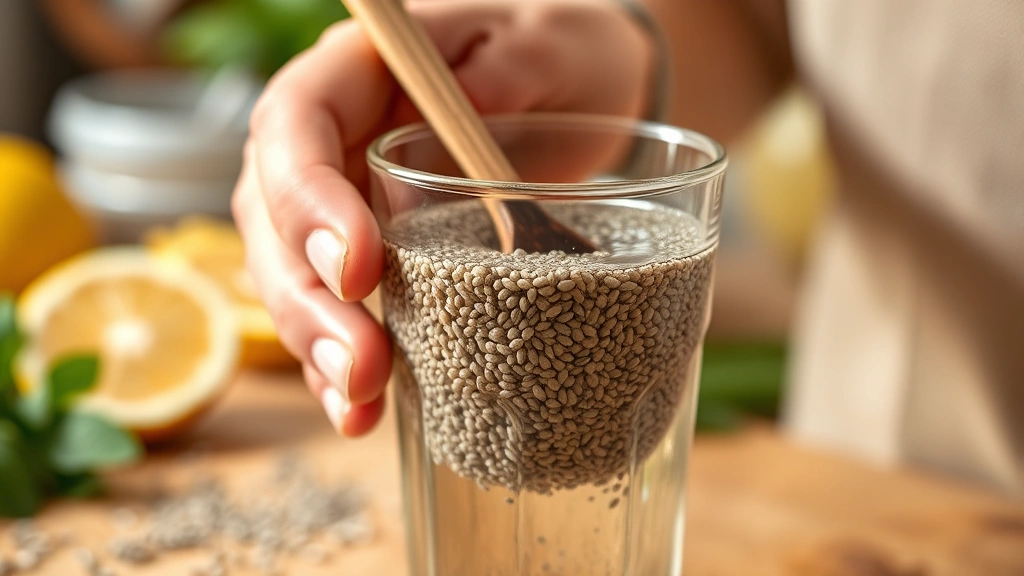
- Add the chia seeds: Sprinkle the seeds directly into the water. Stir immediately and continuously for the first 30 seconds to prevent clumping. The seeds will begin absorbing water immediately.
- Wait 5-10 minutes: Allow the mixture to sit undisturbed. During this time, the chia seeds will absorb water and develop their characteristic gel coating. You’ll notice the liquid becoming thicker and more viscous.
- Stir again: Give the drink another good stir to ensure all seeds are evenly distributed and fully hydrated. This prevents seeds from settling at the bottom.
- Add flavor enhancers: This is the perfect moment to add honey, lemon juice, or other flavorings if desired. Stir well to combine.
- Consume immediately or chill: Drink your chia seed water right away, or refrigerate for up to 2 hours for a colder beverage.
The entire preparation process takes less than 15 minutes from start to finish, making it an incredibly convenient addition to your daily routine. Many people prepare their chia seed water the night before, storing it in the refrigerator for grab-and-go convenience.
Flavor Variations and Combinations
While plain chia seed water is nutritious and refreshing, countless flavor variations can enhance palatability and provide additional health benefits. These combinations work beautifully and can be tailored to your taste preferences and nutritional goals.
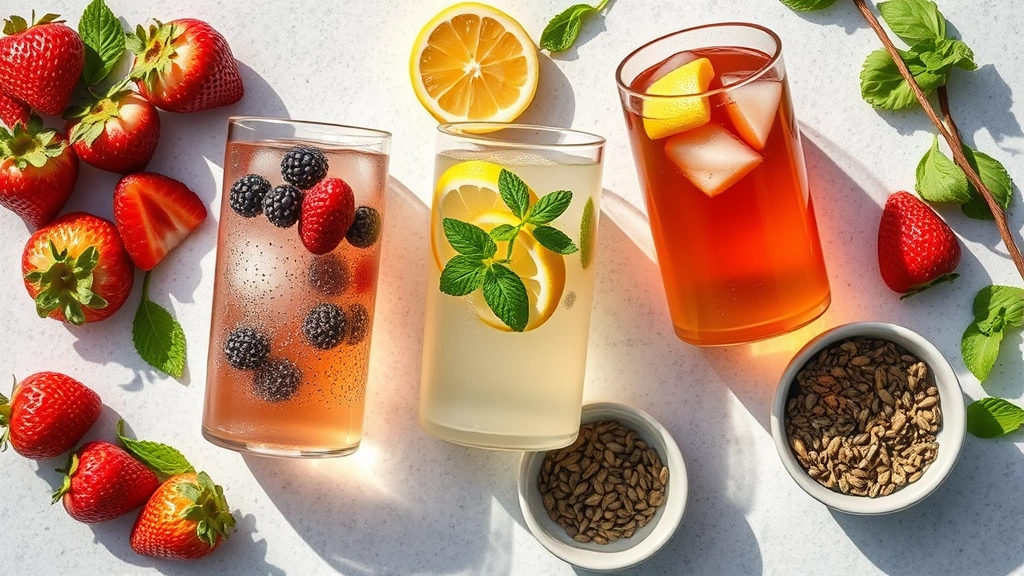
Citrus Bliss Variation: Add the juice of half a fresh lemon or lime to your chia seed water. Citrus not only improves flavor but also enhances mineral absorption from the chia seeds. The vitamin C content supports immune function and energy metabolism. For extra brightness, add a thin slice of lemon as garnish.
Berry Infusion: Blend fresh or frozen berries like blueberries, strawberries, or raspberries with your water before adding chia seeds. Berries contribute antioxidants and natural sweetness. This variation pairs wonderfully with a simple meal plan for sustained energy throughout the day.
Coconut Water Base: Replace regular water with pure coconut water for added electrolytes and tropical flavor. Coconut water naturally contains potassium, sodium, and magnesium—minerals crucial for hydration and energy production. This variation is particularly beneficial for post-workout recovery.
Herbal Tea Foundation: Prepare chia seed water using cooled herbal tea instead of plain water. Chamomile tea creates a calming beverage, while green tea adds antioxidants and a subtle caffeine boost. Peppermint tea provides digestive support and refreshing flavor.
Maple and Cinnamon Blend: Add a teaspoon of pure maple syrup and a pinch of ground cinnamon to your chia seed water. Cinnamon may help regulate blood sugar levels, while maple syrup provides minerals like manganese and zinc. This warming variation is perfect for cooler months.
Ginger and Turmeric Powerhouse: Incorporate fresh ginger juice and a pinch of turmeric for anti-inflammatory properties. Both ingredients support digestion and may reduce exercise-related inflammation. The spicy notes create an energizing beverage with medicinal qualities.
Health Benefits Explained
Nutritionists consistently recommend chia seed water for its comprehensive health benefits. Understanding these advantages helps explain why this simple beverage has gained such widespread popularity among health-conscious individuals.
Sustained Energy Release: The combination of fiber, protein, and healthy fats in chia seeds creates sustained energy without blood sugar spikes. The soluble fiber forms a gel in your digestive system, slowing carbohydrate absorption and maintaining stable glucose levels. This prevents the energy crashes common with sugary drinks and processed snacks.
Enhanced Hydration: Chia seeds’ unique gel-forming ability helps your body retain water more effectively. The soluble fiber acts like a sponge, holding water and minerals in your digestive tract. This extended hydration is particularly valuable for athletes and individuals in hot climates.
Digestive Support: The high fiber content promotes healthy digestion and regular bowel movements. Chia seed water acts as a prebiotic, feeding beneficial gut bacteria that support overall digestive health and immune function. Improved digestion directly correlates with better energy levels and nutrient absorption.
Heart Health Benefits: The omega-3 fatty acids in chia seeds support cardiovascular function by promoting healthy cholesterol levels and reducing inflammation. Regular consumption may help lower blood pressure and reduce the risk of heart disease, contributing to overall vitality and longevity.
Weight Management Support: The high fiber and protein content promotes satiety, helping you feel fuller longer. This natural appetite suppression can support healthy weight management without restrictive dieting. When combined with balanced meal options, chia seed water becomes part of a comprehensive nutritional strategy.
Blood Sugar Regulation: Research published by The Academy of Nutrition and Dietetics indicates that chia seeds help regulate blood glucose levels. The fiber and protein slow digestion, preventing rapid blood sugar fluctuations that lead to energy crashes and increased hunger.
Nutrient Absorption Enhancement: The minerals in chia seeds, particularly when consumed with vitamin C-rich citrus, improve nutrient bioavailability. This means your body can better absorb and utilize minerals from other foods consumed throughout the day.
Storage and Preparation Tips
Proper storage and preparation techniques ensure your chia seed water remains fresh, nutritious, and delicious. These practical tips maximize the shelf life and quality of your beverage.
Storing Chia Seeds: Keep dry chia seeds in an airtight container away from direct sunlight and heat. A cool, dark pantry or cupboard is ideal. Properly stored chia seeds remain fresh for up to two years, making them an economical pantry staple. Consider purchasing from organizations focused on whole food nutrition to ensure quality sourcing.
Prepared Chia Seed Water Storage: Once prepared, chia seed water can be refrigerated for up to 2-3 hours. The seeds may continue absorbing water and thickening over time, so consume within this window for optimal texture. If the mixture becomes too thick, simply add more water and stir.
Batch Preparation: For convenience, prepare larger batches by multiplying the recipe. Mix 6-8 tablespoons of chia seeds with 48 ounces of water. Divide into individual containers and refrigerate. This batch method saves time during busy weeks.
Preventing Seed Clumping: The key to smooth chia seed water is immediate, vigorous stirring upon adding seeds to water. Stir for at least 30 seconds to ensure seeds are evenly distributed. A fork or small whisk works better than a spoon for breaking up potential clumps.
Temperature Preferences: Experiment with water temperature to find your preference. Room temperature water hydrates seeds fastest, while ice-cold water creates a more refreshing beverage. Some people prefer warm chia seed water, especially when using herbal tea bases.
Quality Water Selection: Use filtered or distilled water to avoid chlorine and mineral interference. If using tap water, let it sit in an open container for 24 hours to allow chlorine to dissipate, or use a simple water filter pitcher.
Best Times to Drink Chia Seed Water
Timing your chia seed water consumption optimizes its energy-boosting benefits. Different times of day offer distinct advantages depending on your lifestyle and goals.
Morning Energy Boost: Drinking chia seed water first thing in the morning jumpstarts your metabolism and provides sustained energy for the day ahead. The fiber and protein prevent mid-morning hunger, eliminating the need for sugary snacks. This morning ritual pairs perfectly with a nutritious breakfast option for comprehensive morning nutrition.
Pre-Workout Performance: Consume chia seed water 30-45 minutes before exercise for enhanced endurance and performance. The combination of carbohydrates, protein, and healthy fats provides sustained fuel for your workout while the minerals support muscle function and hydration.
Post-Workout Recovery: Drinking chia seed water after exercise supports muscle recovery and rehydration. The protein aids muscle repair, while the minerals replenish electrolytes lost during sweating. This recovery beverage is particularly effective when consumed within 30 minutes of finishing your workout.
Afternoon Slump Prevention: Rather than reaching for coffee or energy drinks mid-afternoon, enjoy chia seed water to combat fatigue naturally. The sustained energy release prevents the afternoon crash many people experience, maintaining productivity and mental clarity through the evening.
Before Meals: Drinking chia seed water 15-20 minutes before meals enhances satiety and aids digestion. The fiber content slows gastric emptying, promoting steady nutrient absorption and preventing overeating. This practice supports weight management goals when combined with balanced snacking options.
Evening Hydration: While chia seed water contains no caffeine, consuming it in the evening provides hydration without interfering with sleep. The calming properties of certain herbal variations (like chamomile-based chia seed water) can actually promote relaxation before bedtime.
FAQ
How much chia seed water should I drink daily?
Most nutritionists recommend starting with one 8-ounce serving daily, gradually increasing to 2-3 servings as your body adjusts. Begin with 1 tablespoon of seeds per serving and increase to 2 tablespoons once comfortable. Listen to your body and adjust based on digestive response. Drinking more than 3 servings daily may cause digestive discomfort due to excessive fiber intake.
Can chia seed water replace my regular water intake?
While chia seed water is hydrating, it shouldn’t completely replace plain water consumption. Aim for a balanced approach: drink plain water as your primary hydration source and enjoy chia seed water as a supplemental beverage. This ensures you maintain proper hydration while gaining the specific benefits chia seeds provide.
Are there any side effects from drinking chia seed water?
Most people tolerate chia seed water well, but some may experience digestive adjustments including bloating or changes in bowel movements due to increased fiber intake. These effects typically subside within a few days as your digestive system adapts. Starting with smaller seed amounts and gradually increasing helps minimize discomfort. If you have a history of gastrointestinal issues, consult your healthcare provider before significantly increasing fiber consumption.
Can children drink chia seed water?
Yes, children can safely consume chia seed water in age-appropriate portions. Start with smaller amounts (½ to 1 tablespoon of seeds) and ensure adequate water consumption. The nutritional benefits—particularly protein and minerals—support children’s growth and development. However, very young children (under 3 years) should consume chia seed water cautiously due to potential choking hazards from the gel texture.
Does chia seed water help with weight loss?
Chia seed water supports weight management through multiple mechanisms: increased satiety from fiber and protein, improved digestion, and stable blood sugar levels. However, it’s not a magic weight loss solution. When combined with a balanced diet and regular exercise, chia seed water becomes a valuable tool in a comprehensive weight management strategy. The sustained energy it provides may also encourage more consistent physical activity.
What’s the difference between white and black chia seeds?
Nutritionally, white and black chia seeds are virtually identical, containing the same proportions of fiber, protein, omega-3s, and minerals. The color difference results from different plant varieties. Black seeds have a slightly earthier flavor, while white seeds are more neutral. Choose based on personal preference and availability—both deliver equivalent health benefits.
Can I consume chia seed water if I’m pregnant or breastfeeding?
Chia seed water is generally considered safe during pregnancy and breastfeeding, as it’s a whole food with no harmful compounds. The nutrients—particularly omega-3s, fiber, and minerals—support maternal health and fetal development. However, pregnant and breastfeeding women should consult their healthcare provider before making significant dietary changes to ensure alignment with individual health circumstances.
How long does it take to feel the energy benefits?
Some people notice improved energy levels within 30 minutes to 1 hour of consuming chia seed water, while others require consistent consumption over several days to experience noticeable benefits. Factors including current nutritional status, activity level, and overall health influence how quickly you’ll perceive improvements. Most people report sustained energy and reduced afternoon fatigue after 1-2 weeks of regular consumption.


