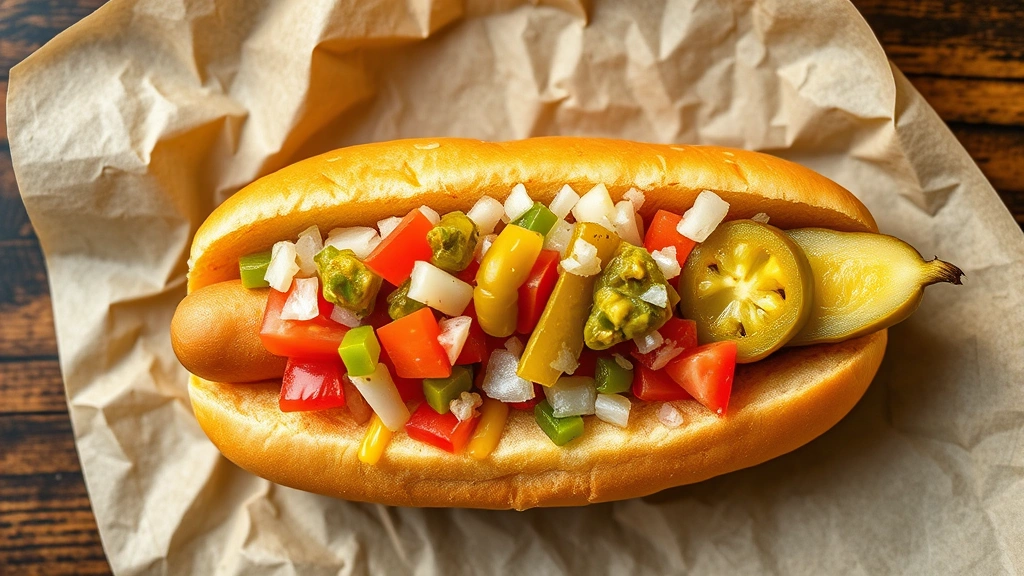
Chicago Dog Recipe: Authentic Taste Guide
The Chicago-style hot dog stands as an iconic American street food, representing decades of culinary tradition in the heart of the Midwest. Unlike its minimalist cousins across the country, a true Chicago dog demands precision, respect, and a very specific combination of toppings that would be considered sacrilege to omit or alter. This comprehensive guide walks you through creating an authentic Chicago dog recipe that captures the essence of what makes this regional delicacy so beloved.
Whether you’re planning a backyard barbecue, hosting a game day gathering, or simply craving a taste of Chicago street culture, mastering the Chicago dog recipe requires understanding both the technical elements and the cultural significance behind each component. From selecting the perfect frankfurter to layering toppings in the correct order, every detail matters when recreating this legendary sandwich.
What Makes a Chicago Dog Authentic
An authentic Chicago dog recipe distinguishes itself through strict adherence to traditional toppings and preparation methods that have remained largely unchanged since the 1920s. The foundation rests upon understanding that a Chicago dog is never, under any circumstances, topped with mustard of the yellow variety—this is considered the cardinal sin of Chicago dog preparation. Instead, bright yellow mustard serves as the base, followed by a precise sequence of additional toppings that create layers of flavor and texture.
The philosophy behind the Chicago dog recipe emphasizes balance and harmony among ingredients. Each component contributes a distinct flavor profile: the savory pop of celery salt, the sharp bite of sport peppers, the sweetness of relish, the umami depth of onions, and the freshness of tomatoes and pickles. This combination creates a complex taste experience that elevates the simple hot dog into something approaching culinary art.
Understanding the cultural context of the Chicago dog recipe enhances appreciation for why certain rules exist. Chicago’s immigrant communities, particularly Polish, German, and Italian populations, influenced the development of this iconic street food. The toppings reflect the availability of ingredients in early 20th-century Chicago and the preferences of working-class neighborhoods where vendors first perfected this recipe.
When exploring other regional American recipes, you’ll notice how different areas have developed their own signature styles. For comparison, understanding Peruvian chicken recipe traditions shows how regional ingredients shape local cuisines. Similarly, the Chicago dog recipe represents a uniquely American interpretation of street food culture.
Essential Ingredients for Chicago Dog Recipe
Creating an authentic Chicago dog recipe requires sourcing quality ingredients that will elevate your final product. The hot dog itself deserves careful consideration—opt for all-beef frankfurters from reputable producers, as these provide superior flavor and texture compared to cheaper alternatives. Vienna Beef hot dogs are the traditional choice used by Chicago street vendors, representing the gold standard for this recipe.
The complete ingredient list for Chicago dog recipe includes:
- All-beef hot dogs (preferably Vienna Beef or equivalent quality)
- Hot dog buns (poppy seed buns are traditional and recommended)
- Yellow mustard (bright yellow, applied in a thin zigzag pattern)
- Chopped white onions (finely diced, raw)
- Bright green relish (specifically sweet pickle relish, not dill)
- Tomato slices (fresh, ripe, cut into wedges)
- Dill pickle spears (whole, not chopped)
- Celery salt (the secret ingredient that defines Chicago style)
- Sport peppers (small, thin green peppers—these are essential, not optional)
The sourcing of these ingredients significantly impacts your Chicago dog recipe’s authenticity. Sport peppers deserve special attention—these small, intensely hot peppers provide the signature heat that distinguishes Chicago dogs from other regional styles. If sport peppers prove difficult to locate at your local grocery store, specialty food shops or online retailers often carry them year-round.
Celery salt represents another crucial ingredient that many home cooks overlook. This seasoning blend combines salt with celery seed and creates the distinctive flavor profile that Chicago natives immediately recognize. While you could theoretically make celery salt at home by grinding celery seeds with kosher salt, purchasing pre-made celery salt ensures consistency in your Chicago dog recipe.
For those interested in easy homemade bread recipes, consider making your own poppy seed buns to elevate your Chicago dog recipe even further. Fresh, homemade buns create an incomparable textural contrast to the other components and demonstrate real commitment to authenticity.
Step-by-Step Preparation Guide
Preparing an excellent Chicago dog recipe involves several preparation stages that should be executed in a specific sequence. Begin by gathering all ingredients and preparing components in advance—this mise en place approach ensures smooth assembly when you’re ready to cook.
Preparing Your Components:
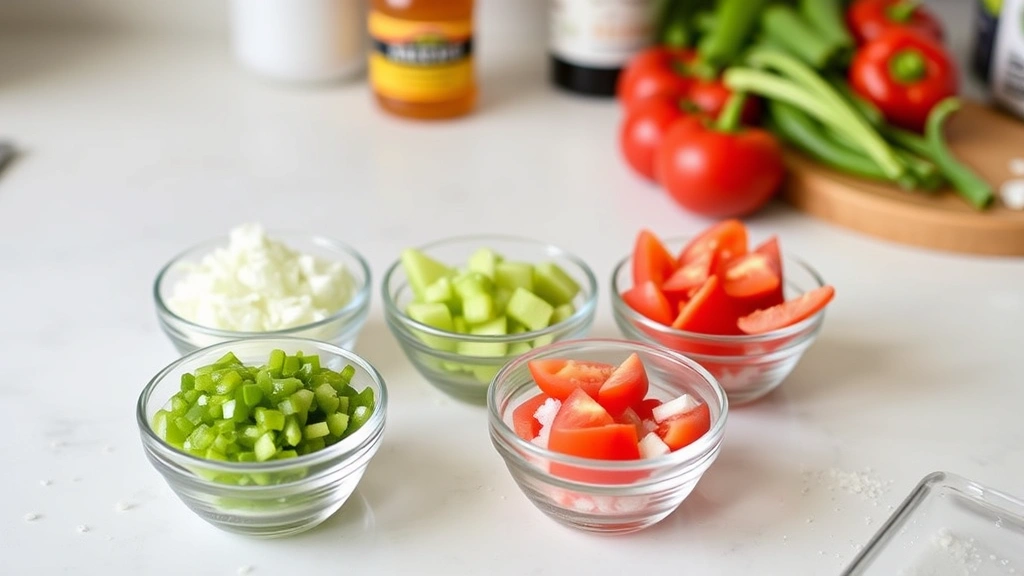
- Chop white onions finely into small dice, keeping them raw and crisp. Some prefer onions chopped so fine they’re almost minced, while others prefer slightly larger pieces. Aim for consistency in your Chicago dog recipe.
- Slice fresh tomatoes into wedges rather than rounds. This creates better structural integrity when stacking on the hot dog and allows toppings to settle properly.
- Measure out bright green relish into a small bowl, having it ready for application. Don’t use this step to drain excess liquid—the relish should maintain its moisture.
- Prepare dill pickle spears by patting them dry slightly with paper towels. This prevents excess moisture from making your bun soggy.
- Have sport peppers ready and accessible. These should be whole, uncut, and at room temperature.
- Measure celery salt into a small dish where you can easily access it with a pinch or small spoon.
The cooking stage of your Chicago dog recipe is straightforward but requires attention to detail. Heat your cooking surface—whether a grill, griddle, or boiling water—until it reaches the proper temperature. The hot dog should be heated through completely, developing a slight char or browning on the exterior if grilled. This typically takes 3-5 minutes depending on your heat source and the thickness of your frankfurters.
Simultaneously, lightly toast your poppy seed bun to warm it through and add subtle flavor. Avoid over-toasting, which can create a texture that’s too crispy and difficult to eat gracefully. A light golden color is ideal—you want the bun warm and slightly textured, not charred or hard.
Topping Assembly Order
The sequence in which you apply toppings to your Chicago dog recipe is not arbitrary—it follows a logical progression that ensures structural integrity and optimal flavor distribution. This specific order has been refined by Chicago vendors over nearly a century and should be followed precisely for authenticity.
The correct topping sequence for Chicago dog recipe:
- Place the hot dog in the bun first, ensuring it sits centered and stable. This foundation is crucial.
- Apply yellow mustard in a thin zigzag pattern along the length of the hot dog. Use restraint—excessive mustard overwhelms other flavors. The pattern should be visible but not drowning the frankfurter.
- Add chopped white onions as your second layer, distributing them evenly along the length. These provide textural contrast and sharp flavor.
- Apply bright green relish next, again in a distributed pattern. The relish adds sweetness and prevents the hot dog from feeling too savory.
- Sprinkle celery salt generously over the relish and onions. This is where many home cooks falter—don’t be shy with celery salt. It’s the defining flavor of Chicago style.
- Add tomato wedges carefully, pressing them slightly into the relish and onions so they don’t slide off. Tomatoes add freshness and juiciness.
- Place dill pickle spears lengthwise along the hot dog. These provide structural support and acidic brightness.
- Top with whole sport peppers placed strategically along the length. These should rest visibly on top, making their presence known.
The logic behind this arrangement becomes apparent as you construct your Chicago dog recipe. The mustard and relish create a flavor base, the onions and celery salt provide aromatic components, tomatoes add moisture and freshness, pickles provide structure and acidity, and sport peppers deliver final heat and visual impact. Each layer builds upon the previous one, creating complexity without chaos.
Some Chicago dog recipe vendors and experienced home cooks develop slight personal variations in this order, but the general progression remains consistent. The key principle involves building from wet/sticky components to dry ones, with heat-providing peppers positioned last for maximum impact.
Common Mistakes to Avoid
Even with detailed instructions, many people preparing Chicago dog recipe at home make preventable errors that compromise authenticity. Understanding these pitfalls helps you avoid them and create superior results.
The most common Chicago dog recipe mistakes include:
- Using regular yellow mustard incorrectly: While yellow mustard is essential, applying it too heavily creates an overpowering flavor that drowns out other components. The zigzag pattern exists for a reason—it distributes mustard evenly without excessive quantity.
- Substituting dill relish for sweet relish: This fundamentally alters your Chicago dog recipe’s flavor profile. Sweet pickle relish provides the necessary sweetness that balances the savory and spicy elements. Dill relish creates an entirely different (though not necessarily bad) experience.
- Omitting or skimping on sport peppers: Some home cooks reduce sport peppers due to heat concerns, but this removes a defining characteristic of authentic Chicago style. The peppers should be visible and present.
- Using cooked or canned onions: The onions in Chicago dog recipe must be raw, crisp, and freshly chopped. Cooked or canned onions lack the necessary textural contrast and sharp flavor.
- Applying toppings in incorrect order: While slight variations exist, following the established sequence ensures structural stability and optimal flavor progression.
- Using low-quality hot dogs: Cheap frankfurters lack the beefy flavor and firm texture that quality hot dogs provide. This economy measure undermines your entire Chicago dog recipe.
- Over-toasting the bun: Buns should be warm and slightly crispy, not hard and brittle. Over-toasting makes the Chicago dog difficult to eat and detracts from the overall experience.
- Adding ketchup or mayo: These condiments have no place in an authentic Chicago dog recipe. Purists consider their addition almost offensive, as these flavors conflict with the carefully balanced topping combination.
Beyond these technical mistakes, avoid the psychological error of dismissing the Chicago dog recipe as “just a hot dog.” The simplicity is deceptive—creating an excellent version requires attention to detail, quality ingredients, and respect for tradition.
Serving and Pairing Suggestions
The Chicago dog recipe doesn’t exist in isolation—it’s traditionally served as part of a complete meal experience. Understanding proper serving contexts and complementary dishes enhances your appreciation and enjoyment of this iconic food.
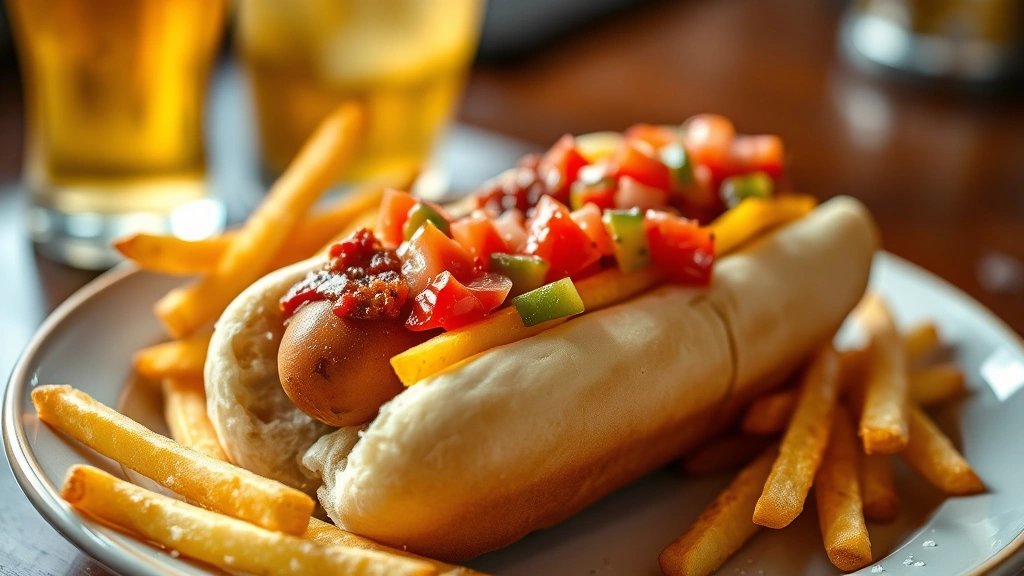
Traditionally, Chicago dogs are served with Chicago-style french fries, which are typically thin-cut and seasoned with celery salt (reinforcing the celery salt theme throughout the meal). The fries provide a neutral, crispy counterpoint to the complex flavors of the hot dog itself. Some Chicago establishments season their fries with additional seasonings like garlic powder or paprika, but celery salt remains the traditional choice.
Beverage pairings for Chicago dog recipe meals:
- Cold beer is the classic pairing, with light lagers and pilsners being traditional choices. The carbonation and slight bitterness complement the rich, savory flavors of the hot dog.
- Root beer or cream soda provides a non-alcoholic alternative that echoes the sweetness of the relish and provides refreshment.
- Iced lemonade or iced tea offers acidic brightness that cuts through the richness of the frankfurter and toppings.
- Classic cola works acceptably, though it’s less traditional than beer or root beer.
If you’re hosting a Chicago-themed gathering, consider complementing your Chicago dog recipe with other regional specialties. Summer salad recipes featuring fresh vegetables provide a lighter contrast to the richness of hot dogs. Alternatively, chicken meatball recipe dishes can round out a more substantial menu.
For dessert after a Chicago dog recipe meal, healthy dessert recipes featuring fresh fruit provide a refreshing conclusion that doesn’t feel overly heavy after consuming frankfurters and toppings.
Chicago dog recipe meals are inherently casual and social—they’re meant to be enjoyed at street vendors, casual restaurants, or backyard gatherings rather than formal dining settings. The eating experience should be relaxed and unpretentious, focusing on the pleasure of the food itself rather than sophisticated presentation.
FAQ
Can I make a Chicago dog recipe ahead of time?
Chicago dogs are best assembled immediately before eating. While you can prepare individual components in advance (chopped onions, sliced tomatoes, etc.), the assembled hot dog should be consumed fresh. The bun begins absorbing moisture from toppings after a few minutes, and the overall textural experience degrades if the hot dog sits assembled for extended periods.
Where can I find sport peppers for my Chicago dog recipe?
Sport peppers are increasingly available at mainstream grocery stores in the produce section, particularly in areas with larger Hispanic populations. Specialty food shops, farmers markets, and online retailers like Specialty Produce carry them year-round. If fresh sport peppers are unavailable, some vendors sell pickled sport peppers as an acceptable substitute, though the flavor profile shifts slightly.
Is Vienna Beef the only acceptable hot dog brand for Chicago dog recipe?
While Vienna Beef is the traditional and most authentic choice, other high-quality all-beef frankfurters from reputable producers work acceptably. Look for hot dogs with minimal fillers, no by-products, and genuine beef as the primary ingredient. The key is choosing quality over economy—cheap hot dogs will compromise your entire Chicago dog recipe.
What if I can’t tolerate spicy food in my Chicago dog recipe?
Sport peppers provide significant heat, and reducing them compromises authenticity. However, if you’re heat-sensitive, you have a few options: use fewer peppers, remove the pepper seeds (which contain most of the capsaicin heat), or simply pick the peppers off after taking a bite if you’re not prepared for the intensity. Some people bite the pepper first to get the heat, then eat the rest of the hot dog more gradually.
Can I grill my hot dog instead of boiling it for Chicago dog recipe?
Absolutely. Many Chicago vendors use flat-top griddles, and grilling works excellently. Grilling creates a slightly charred exterior and deeper flavor compared to boiling. The key is avoiding excessive charring, which can make the hot dog tough and bitter. Aim for light browning on the exterior while maintaining a juicy interior.
How does Chicago dog recipe compare to other regional hot dog styles?
Different American regions have developed distinct hot dog traditions. New York uses sauerkraut and spicy brown mustard. Coney Island style incorporates chili and onions. Los Angeles features bacon and grilled peppers. The Chicago dog recipe distinguishes itself through the specific combination of toppings, particularly the celery salt and sport peppers, and the strict prohibition against ketchup. Each style reflects regional preferences and available ingredients.
Should I use poppy seed or plain buns for Chicago dog recipe?
Poppy seed buns are traditional and recommended for authentic Chicago dog recipe preparation. The poppy seeds add subtle flavor and visual appeal. However, if poppy seed buns are unavailable, quality plain hot dog buns work acceptably—just ensure they’re fresh and of good quality rather than mass-produced varieties.


