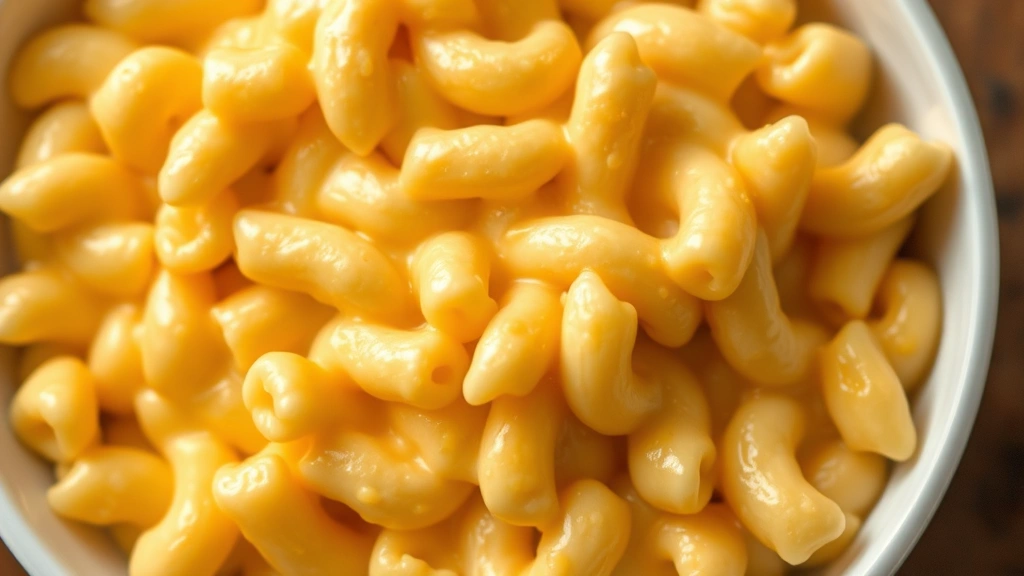
Chick-fil-A Mac and Cheese Copycat Recipe
If you’ve ever craved that creamy, comforting mac and cheese from Chick-fil-A but wanted to make it at home, you’re in for a treat. This copycat recipe captures the essence of their beloved side dish—that perfect balance of tender pasta, velvety cheese sauce, and subtle seasoning that keeps customers coming back. The beauty of recreating restaurant favorites is that you control every ingredient, from the quality of your cheese to the type of milk you use, ensuring a homemade version that rivals the original.
What makes Chick-fil-A’s mac and cheese so memorable isn’t just one element—it’s the combination of factors working together. The pasta has that ideal al dente texture, the cheese sauce coats every piece without being heavy or greasy, and there’s a sophistication to the flavor profile that suggests multiple cheese varieties. In this guide, we’ll break down exactly how to achieve that restaurant-quality result in your own kitchen, complete with pro tips and variations to make it your own.
Ingredients You’ll Need
To recreate this copycat mac and cheese, gather these quality ingredients:
- 1 pound elbow pasta (or small shells for extra sauce capture)
- 4 tablespoons unsalted butter
- 3 tablespoons all-purpose flour
- 3 cups whole milk (avoid skim for creaminess)
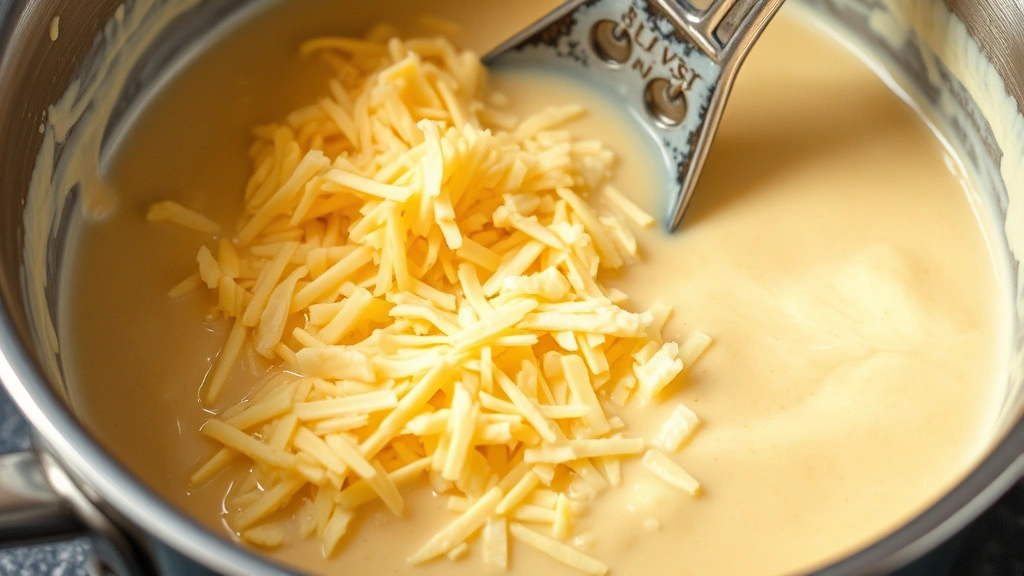
- 2 cups sharp cheddar cheese, shredded
- 1 cup mild cheddar cheese, shredded
- ½ cup gruyère cheese, shredded (adds depth and sophistication)
- 1 teaspoon Dijon mustard (enhances cheese flavor)
- ½ teaspoon garlic powder
- ½ teaspoon onion powder
- ¼ teaspoon cayenne pepper (optional, for subtle heat)
- Salt and white pepper to taste
- Pinch of nutmeg (classic béchamel addition)
The cheese blend is crucial—combining sharp and mild cheddar with gruyère creates that complex, slightly nutty flavor profile that distinguishes this recipe from basic mac and cheese. If you can’t find gruyère, aged gouda works beautifully as a substitute.
Why This Recipe Works
Understanding the science behind this dish helps you execute it perfectly every time. The foundation is a proper béchamel sauce—a French mother sauce made from butter, flour, and milk. This creates a smooth, stable base that won’t separate or become grainy when you add the cheese. The roux (butter and flour mixture) gelatinizes the starch, which thickens the milk and creates that luxurious coating you see in restaurant versions.
The cheese selection matters tremendously. Sharp cheddar provides bold flavor, mild cheddar ensures smoothness, and gruyère adds complexity without overwhelming the palate. The Dijon mustard is a secret weapon—just a teaspoon amplifies the cheese flavor through its acidic properties, making the overall dish taste more intentional and sophisticated. This technique is taught at culinary institutes worldwide and used by professional chefs to elevate comfort food.
The spice profile—garlic powder, onion powder, and a whisper of cayenne—mimics the seasoning found in Chick-fil-A’s version without making it spicy. These aromatics enhance the cheese without being detectable as individual flavors, creating a harmonious blend that tastes familiar and comforting.
Step-by-Step Instructions
Step 1: Prepare Your Pasta
Bring a large pot of salted water to a rolling boil. The water should taste like the sea—this is your only opportunity to season the pasta itself. Add your elbow pasta and cook until just shy of al dente (about 1 minute under the package time). You want it slightly firm because it will continue cooking when combined with the hot cheese sauce. Drain in a colander but don’t rinse; the starch on the pasta helps the sauce adhere better. Set aside.
Step 2: Create Your Roux
In a large saucepan over medium heat, melt the butter completely. Once foaming, add the flour all at once, stirring constantly with a wooden spoon or whisk. Cook this mixture for 2-3 minutes, stirring frequently. You’re looking for a light blonde color—this is a blonde roux. Don’t let it brown, as that will affect the color and flavor of your final sauce. The mixture should smell nutty and toasted.
Step 3: Build Your Béchamel
Slowly add the milk while whisking constantly. This is the critical step—adding milk too quickly creates lumps. Pour about ½ cup of milk while whisking vigorously, then continue adding the remaining milk in a steady stream while whisking. The mixture will initially seem thin, but as you continue cooking and whisking, it will thicken. Once all milk is incorporated, increase heat to medium-high and continue whisking until the sauce reaches a gentle simmer.
Step 4: Thicken and Season
Let the sauce simmer for 3-4 minutes, whisking occasionally. You’ll notice it thickening noticeably. When it coats the back of a spoon and you can draw a line through it with your finger, it’s ready. Add salt, white pepper, garlic powder, onion powder, and the pinch of nutmeg. Stir the Dijon mustard in separately so it distributes evenly. Taste and adjust seasonings—this is your moment to balance flavors before adding cheese.
Step 5: Incorporate the Cheese
Remove the pan from heat. This is important—adding cheese to boiling sauce can cause it to become grainy and separated. Add the shredded cheeses in three additions, stirring until each batch is completely melted before adding the next. Stir gently but thoroughly, making sure no cheese clumps remain. The sauce should be smooth, glossy, and creamy.
Step 6: Combine Pasta and Sauce
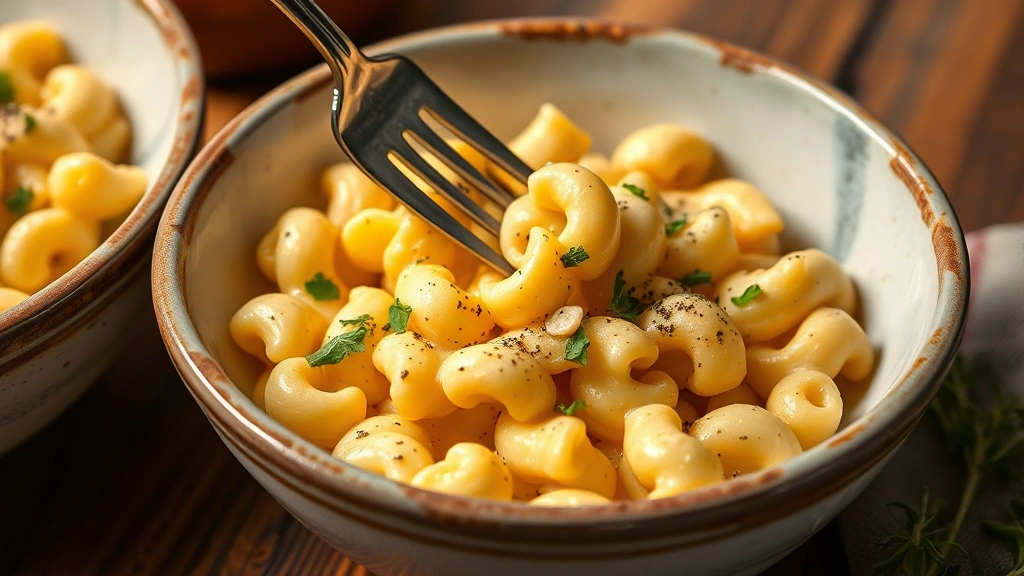
Add the cooked pasta to the cheese sauce and fold gently with a rubber spatula, ensuring every piece gets coated. If the mixture seems thick, you can add a splash of warm milk to reach your desired consistency—remember, it will thicken slightly as it cools. Transfer to a serving dish or individual bowls and serve immediately.
Pro Tips for Perfect Results
Temperature Control is Everything
Never add cheese to boiling sauce. The intense heat causes the cheese proteins to seize and separate, creating a grainy, broken sauce. Always remove from heat first. Similarly, if reheating, use low to medium-low heat and stir frequently to prevent scorching on the bottom.
Use Fresh, Quality Cheese
Pre-shredded cheese contains anti-caking agents that can make your sauce grainy. Block cheese shredded by hand produces a silkier, more cohesive sauce. This single change elevates your result dramatically.
Don’t Skip the Roux Cooking Time
Cooking the roux for 2-3 minutes isn’t just about color—it eliminates the raw flour taste that can linger in the finished dish. This step is fundamental to French cooking technique and makes a noticeable difference.
Taste as You Go
Season in stages rather than all at once. This allows you to build flavor intentionally and avoid over-seasoning. Remember, you can always add more salt, but you can’t remove it.
Pasta Water is Liquid Gold
Save a cup of your pasta cooking water before draining. If your sauce is too thick, a tablespoon or two of starchy pasta water thins it perfectly while maintaining creaminess.
Variations and Customizations
Loaded Mac and Cheese
Transform this into a main dish with shredded chicken recipes by folding in shredded rotisserie chicken, crispy bacon bits, and sautéed mushrooms. This creates a heartier, more protein-rich version perfect for dinner.
Baked Version
Transfer the mac and cheese to a buttered baking dish. Mix panko breadcrumbs with melted butter and grated Parmesan, then sprinkle over the top. Bake at 375°F for 20-25 minutes until golden brown and bubbly at the edges. This adds textural contrast and develops deeper flavors through the Maillard reaction.
Lighter Version
Substitute half the whole milk with low-fat milk or unsweetened plant-based milk. Use a combination of sharp cheddar and reduced-fat cheese. The flavor remains excellent while reducing overall calories and fat content.
Spicy Version
Add ½ teaspoon smoked paprika, ¼ teaspoon cayenne pepper, and a pinch of ghost pepper powder. Some people enjoy adding crispy jalapeños or a tablespoon of hot sauce for complexity and heat.
Truffle Oil Upgrade
Drizzle finished mac and cheese with quality black truffle oil and finish with fresh thyme. This transforms it into an elegant side dish worthy of special occasions.
Storage and Reheating
Mac and cheese keeps refrigerated for up to 4 days in an airtight container. The sauce may thicken as it cools; this is completely normal. To reheat, place in a saucepan over medium-low heat, stirring frequently and adding splashes of milk as needed to restore creaminess. Alternatively, reheat in a 350°F oven covered with foil for 15-20 minutes, stirring halfway through.
You can also freeze mac and cheese for up to 2 months. Cool completely before transferring to freezer-safe containers. Thaw overnight in the refrigerator before reheating. Note that the texture may be slightly less creamy after freezing, but it’s still delicious.
For the best results with leftover mac and cheese, consider these reheating methods: stovetop with added milk maintains the creamiest texture, while oven reheating works well if you’re feeding a crowd. Microwave reheating is possible but tends to create hot spots and uneven heating.
FAQ
Can I make this recipe ahead of time?
Yes, you can assemble the dish several hours ahead and refrigerate it. When ready to serve, reheat gently over low heat or in a 325°F oven, stirring frequently and adding milk as needed. The sauce may be thicker than fresh, but it will loosen as it warms.
Why did my mac and cheese turn out grainy?
Graininess typically results from adding cheese to boiling sauce, using pre-shredded cheese with anti-caking agents, or cooking at too high a temperature. Always remove from heat before adding cheese, use freshly shredded block cheese, and maintain moderate temperatures throughout cooking.
Can I use different types of cheese?
Absolutely. Experiment with fontina, smoked gouda, aged cheddar, or white cheddar. The key is balancing sharp flavors with milder ones. Avoid soft cheeses like brie or fresh mozzarella, which don’t create a stable sauce.
What if I don’t have gruyère?
Aged gouda, emmental, or aged cheddar work beautifully. You could also use all sharp cheddar if that’s what you have available. The sauce will taste slightly different but still delicious.
How do I prevent the sauce from breaking or separating?
The three most important factors are: never boil the sauce after adding cheese, use quality block cheese that you shred yourself, and maintain consistent, moderate heat throughout cooking. These practices prevent the cheese proteins from seizing up.
Can I make this with pasta other than elbow?
Certainly. Small shells, ditalini, cavatappi, or penne all work wonderfully. Choose pasta shapes with ridges or curves that capture sauce well. Avoid very large pasta shapes, which can make the dish harder to eat.
Is there a way to make this recipe dairy-free?
You can substitute butter with olive oil or vegan butter, use unsweetened plant-based milk, and use high-quality dairy-free cheese. The texture and flavor will differ, but many people find success with this approach. Look for culinary resources that explore plant-based cooking techniques for better results.
How much does this recipe make?
This recipe yields approximately 6-8 servings as a side dish or 4 servings as a main course. You can easily double it for larger gatherings.
This Chick-fil-A mac and cheese copycat brings restaurant-quality comfort food to your table. With proper technique, quality ingredients, and attention to detail, you’ll create a dish that rivals the original—and you might even prefer your homemade version. Whether serving it as a simple side or dressing it up with proteins and toppings, this recipe provides an excellent foundation for countless delicious variations.


