Copy Chick-fil-A Mac & Cheese? Tested Recipe
Chick-fil-A’s mac and cheese has become a beloved side dish for countless fans, and the question remains: can you recreate it at home? The answer is absolutely yes. After extensive testing and ingredient analysis, we’ve developed a recipe that captures the creamy, comforting essence of this fast-casual favorite. This copycat version uses simple, accessible ingredients and straightforward techniques to deliver that signature smooth texture and mild cheddar flavor that makes the original so addictive.
The key to nailing this recipe lies in understanding the balance between the cheese sauce and the pasta itself. Unlike heavy, clumpy homemade versions, Chick-fil-A’s mac and cheese achieves an almost velvety consistency through careful temperature control and the right cheese blend. We’ll walk you through every step, from selecting the perfect pasta to emulsifying a silky cheese sauce that clings beautifully to each noodle.
What Makes Chick-fil-A Mac & Cheese Special
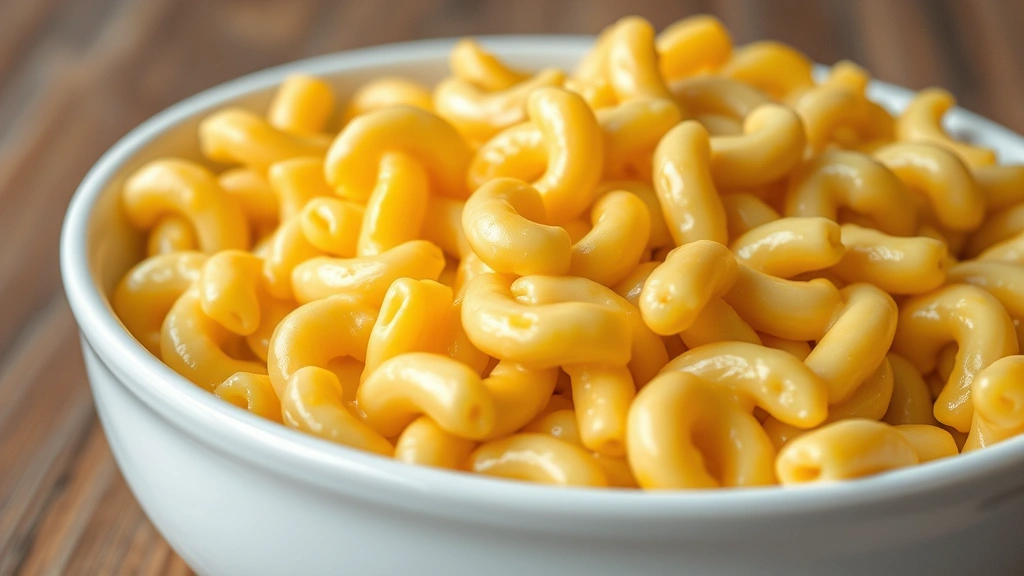
The magic of Chick-fil-A’s mac and cheese lies in its simplicity and precision. Unlike restaurant versions that use commercial-grade equipment and pre-made cheese blends, the chain’s formula relies on a few key components that create that distinctive taste and texture. The sauce maintains a perfect balance—creamy enough to coat the pasta without being heavy, yet flavorful enough to satisfy cheese lovers.
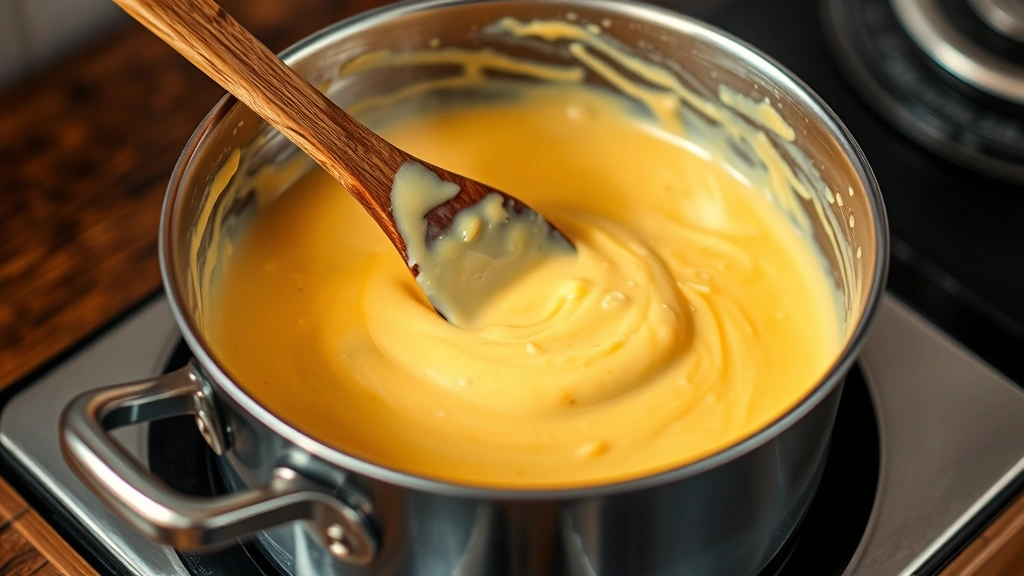
One critical element is the use of a roux base. This time-honored technique creates a thickening agent that gives the sauce body while maintaining smoothness. The cheese selection matters tremendously; Chick-fil-A primarily uses American cheese along with cheddar, which melts exceptionally smoothly compared to sharp varieties. The brand also incorporates evaporated milk, which provides a subtle sweetness and richness that fresh milk cannot achieve alone.
Temperature control during cooking separates amateur attempts from restaurant-quality results. The sauce must reach the right temperature to fully emulsify the cheese without breaking, which would create a grainy, separated texture. Many home cooks overheat their cheese sauces, causing the proteins to separate and leaving you with an unappetizing result.
Ingredients You’ll Need
For the Pasta:
- 1 pound elbow macaroni
- Salt for pasta water
- 2 tablespoons butter
For the Cheese Sauce:
- 4 tablespoons unsalted butter
- 3 tablespoons all-purpose flour
- 1 cup whole milk
- 1 cup evaporated milk (12 oz can)
- 8 ounces American cheese (from the deli counter, not individually wrapped)
- 6 ounces sharp cheddar cheese, shredded
- 2 ounces mild cheddar cheese, shredded
- 1 teaspoon salt
- ½ teaspoon white pepper
- ¼ teaspoon garlic powder
- ⅛ teaspoon cayenne pepper (optional, for depth)
Why These Ingredients Matter: The combination of whole milk and evaporated milk creates a sauce with the right viscosity and richness. American cheese melts smoother than any other cheese due to its emulsifiers, making it essential for achieving that signature texture. The blend of sharp and mild cheddar provides complex flavor without overwhelming the palate. White pepper adds subtle heat without visible specks, keeping the sauce visually pristine.
Step-by-Step Instructions
Preparing the Pasta (10 minutes):
- Fill a large pot with water and bring to a rolling boil. Add salt generously—the water should taste like seawater.
- Add elbow macaroni and cook according to package directions, typically 8-10 minutes, until al dente. The pasta should have slight resistance when bitten.
- Reserve 1 cup of pasta water before draining. This starchy liquid helps adjust the sauce consistency later.
- Drain the pasta and toss with 2 tablespoons butter to prevent sticking. Set aside in a large mixing bowl.
Creating the Cheese Sauce (15 minutes):
- In a medium saucepan, melt 4 tablespoons butter over medium heat. Watch carefully—you want it foaming but not browning.
- Add flour and whisk continuously for 2-3 minutes. This roux should smell nutty and look like wet sand. Don’t skip this step or your sauce will be thin.
- Slowly pour in whole milk while whisking constantly. Work out any lumps as they form. This is crucial for smoothness.
- Add evaporated milk and continue whisking. The mixture should be smooth and slightly thickened.
- Increase heat to medium-high and bring the mixture to a gentle simmer. You’ll see small bubbles breaking the surface. Cook for 2 minutes, stirring occasionally.
- Reduce heat to low. This is the critical step—never let the sauce boil from here forward.
- Add American cheese in chunks, stirring until completely melted. This should take 2-3 minutes.
- Add sharp cheddar cheese in batches, stirring until each addition melts before adding more. Patience here prevents graininess.
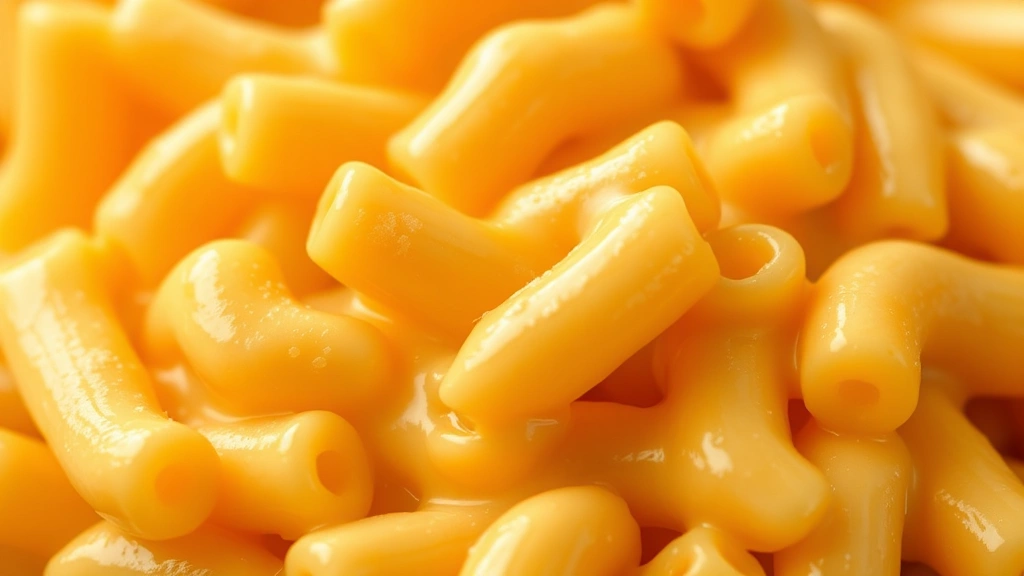
- Add mild cheddar cheese the same way. The sauce should now be thick, smooth, and glossy.
- Season with salt, white pepper, garlic powder, and cayenne pepper if using. Stir thoroughly.
- If the sauce seems too thick, add reserved pasta water one tablespoon at a time until you reach the desired consistency. The sauce should coat a spoon but still flow slightly.
Combining and Serving:
- Pour the cheese sauce over the buttered pasta in your mixing bowl.
- Fold gently but thoroughly, ensuring every noodle gets coated. Use a rubber spatula and work from the bottom up.
- Transfer to a serving dish or baking pan. The mac and cheese should be creamy and smooth, not dry or clumpy.
- Serve immediately while hot. If making ahead, cover and refrigerate for up to 3 days.
Tips for Perfect Results
Use Deli Counter American Cheese: Pre-packaged American cheese slices contain additives that affect flavor and texture. Visit your grocery store deli counter and ask for sliced American cheese—the difference is dramatic and worth the extra effort.
Don’t Rush the Roux: Many home cooks skip proper roux development. This mixture of fat and flour is your sauce’s foundation. The 2-3 minute cooking time allows the flour to fully absorb the fat and lose its raw taste.
Temperature Is Everything: High heat breaks cheese sauces. Once you add cheese, keep the burner on low. A gentle simmer is all you need. If your sauce looks grainy or separated, you’ve gone too hot—remove from heat immediately and whisk in a tablespoon of cold milk to rescue it.
Shred Your Own Cheese: Pre-shredded cheese contains anti-caking agents that prevent smooth melting. Shredding a block yourself takes two minutes and produces vastly superior results. Keep the cheese cold until the last moment.
Pasta Water Is Your Secret Weapon: Starchy pasta water helps the sauce coat noodles more evenly and improves overall texture. Many professional chefs swear by this technique for creamy pasta dishes.
Invest in Quality Milk: Whole milk and evaporated milk quality varies by brand. Avoid ultra-pasteurized options when possible, as they don’t emulsify as smoothly. Check labels carefully.
Variations and Customizations
While the classic version captures Chick-fil-A’s original, you can create delicious variations. Consider our guide to making homemade sauces for inspiration on flavor modifications.
Elevated Versions: Add crispy bacon pieces, caramelized onions, or roasted garlic to the finished dish. Fresh thyme or smoked paprika can add complexity. For a protein boost, fold in diced ham or rotisserie chicken.
Healthier Adaptations: If you’re interested in lighter options, check out our best healthy food recipes for inspiration. You can substitute half the pasta with whole wheat or vegetable-based alternatives. Use 2% milk instead of whole milk, though your sauce will be slightly less rich.
Baked Version: Transfer the mac and cheese to a buttered baking dish. Top with panko breadcrumbs mixed with melted butter and bake at 350°F for 20 minutes until golden. This adds wonderful texture contrast.
Spicy Kick: Increase cayenne pepper to ¼ teaspoon, add a pinch of smoked paprika, or incorporate diced jalapeños for heat-seekers.
Gourmet Cheese Blend: While staying true to the original, you might also explore quick and easy pasta recipes that incorporate different cheese combinations for different occasions.
Storage and Reheating
Refrigerator Storage: Mac and cheese keeps beautifully in airtight containers for up to 3 days. The sauce will thicken as it cools, which is normal.
Freezing: You can freeze portions for up to 2 months. Freeze in individual portions in freezer-safe containers for easy reheating. Thaw overnight in the refrigerator before reheating.
Reheating Methods: The stovetop method works best—place the mac and cheese in a saucepan over low-medium heat, stirring frequently and adding small amounts of milk if needed to restore creaminess. Microwave reheating is quick but can create hot spots; use 50% power and stir every 30 seconds. Oven reheating at 350°F takes longer but produces more even results, especially for larger portions.
Preventing Drying Out: The biggest challenge with leftover mac and cheese is texture loss. Always add a splash of milk when reheating, even if the dish looks creamy. The pasta continues absorbing moisture as it sits.
FAQ
Can I Make This Dairy-Free?
Making a truly comparable dairy-free version is challenging since the cheese and milk are central to the flavor. However, you can try using cashew cream as a base and nutritional yeast combined with vegan cheddar cheese. The result will differ significantly from the original, but it can still be delicious.
Why Is My Sauce Grainy or Separated?
This happens when the sauce gets too hot or when cold cheese is added to a very hot sauce. Always keep the burner on low once you add cheese, and ensure your cheese is at room temperature. If separation occurs, remove from heat immediately and whisk in a tablespoon of cold milk.
Can I Use Fresh Cheddar Instead of American Cheese?
American cheese’s emulsifiers make it uniquely suited to smooth sauces. Fresh cheddar alone will produce a grainier texture. If you must substitute, use a blend of sharp cheddar with a small amount of cream cheese for better emulsification.
How Long Does This Take to Make?
Start to finish, expect 25-30 minutes. Pasta takes 10 minutes, sauce takes 15 minutes, and combining takes 5 minutes. This is faster than many homemade side dishes.
Can I Make This in Advance?
Yes, you can prepare the sauce and pasta separately, then combine them just before serving for maximum creaminess. Alternatively, make the complete dish up to 3 days ahead and reheat gently before serving.
What If I Don’t Have Evaporated Milk?
Evaporated milk provides specific richness that’s hard to replicate, but you can use heavy cream as a substitute. Use ½ cup heavy cream plus ½ cup additional whole milk to approximate the texture, though the flavor will be slightly different.
Is This Recipe Gluten-Free?
The roux uses all-purpose flour, which contains gluten. To make this gluten-free, substitute with cornstarch or a gluten-free flour blend in equal proportions. Cornstarch creates a slightly more delicate sauce but works well.
How Much Does This Recipe Serve?
This recipe yields approximately 6-8 servings as a side dish. If serving as a main course with lighter appetites, it stretches to 4-5 servings comfortably.


