Easy Chicken and Potatoes Recipe: A Family Favorite That’s Simple to Make
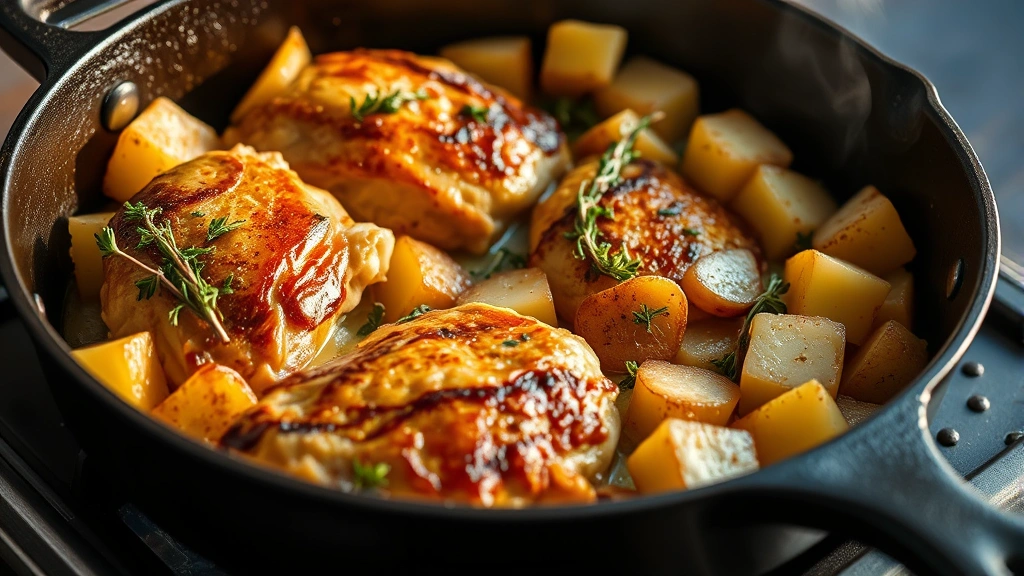
When it comes to weeknight dinners that satisfy everyone at the table, few dishes rival the comfort and simplicity of a well-made chicken and potatoes recipe. This classic combination has graced family tables for generations, and for good reason—it’s affordable, nourishing, and absolutely delicious. Whether you’re a busy parent looking for a quick meal solution or a home cook wanting to master a fundamental dish, this easy chicken and potatoes recipe delivers on all fronts.
The beauty of this dish lies in its versatility and straightforward preparation. You don’t need fancy techniques or hard-to-find ingredients. With just chicken breasts or thighs, potatoes, and a handful of pantry staples, you can create a restaurant-quality meal that your family will request again and again. The chicken becomes tender and juicy while the potatoes absorb all the savory flavors, creating a one-pan wonder that minimizes cleanup and maximizes flavor.
This guide will walk you through everything you need to know about making the perfect chicken and potatoes dish, from selecting your ingredients to troubleshooting common issues. By the end, you’ll have a reliable recipe in your cooking arsenal that works for casual weeknight dinners, meal prep sessions, or even impressing guests with minimal effort.
Why This Recipe Works So Well
The chicken and potatoes combination is more than just a convenient meal—it’s a nutritionally balanced dish that provides protein, carbohydrates, and essential vitamins in one convenient package. Chicken delivers lean protein that keeps you satisfied, while potatoes offer complex carbohydrates and important minerals like potassium and vitamin C.
What makes this recipe particularly appealing is its adaptability to different cooking methods and dietary preferences. You can prepare it on the stovetop in about 30 minutes, slow-cook it for a hands-off approach, bake it in the oven for even cooking, or even use an Instant Pot for lightning-fast preparation. This flexibility means you can adjust the cooking method based on your schedule and kitchen equipment.
The flavor development in this dish comes from the interaction between the chicken juices, potato starches, and seasonings. As everything cooks together, the potatoes absorb the savory chicken broth while the chicken stays moist from the surrounding steam and liquid. This creates a harmonious blend of textures and tastes that’s greater than the sum of its parts.
Many home cooks appreciate this recipe because it teaches fundamental cooking techniques. You’ll learn about proper seasoning, moisture management, and how to judge doneness in both proteins and vegetables. These skills translate to countless other dishes, making this recipe an excellent foundation for building culinary confidence.
Essential Ingredients and Substitutions
Before diving into the cooking process, let’s examine each ingredient and understand why it matters. Quality ingredients make a noticeable difference, though you don’t need to splurge on premium products.
The Chicken
You have flexibility here depending on your preference and what’s available. Chicken breasts cook faster and are leaner, making them ideal if you’re watching fat intake or short on time. Chicken thighs, conversely, contain more fat and connective tissue, which breaks down during cooking to create incredibly moist, flavorful meat. For the best of both worlds, use a combination of breasts and thighs. Bone-in, skin-on pieces add extra flavor and richness, while boneless, skinless options offer convenience and lower fat content.
When selecting chicken, look for pieces that are similar in size so they cook evenly. If using breasts, pound them to uniform thickness to prevent some pieces from drying out before others finish cooking.
The Potatoes
The type of potato you choose significantly affects the final dish. Russet potatoes are starchy and break down slightly, creating a creamier texture and helping thicken the cooking liquid. Yukon Gold potatoes have a naturally buttery flavor and hold their shape better, creating distinct potato pieces. Red potatoes are waxy and maintain their structure well, perfect if you prefer clearly defined potato chunks. For this recipe, Yukon Gold or a mix of varieties works beautifully.
Cut potatoes into even, bite-sized pieces—roughly ¾ to 1 inch cubes. Uniform sizing ensures everything cooks at the same rate. Avoid cutting too small, as potatoes can disintegrate, or too large, as they won’t cook through in a reasonable time.
Aromatics and Seasonings
Onions, garlic, and herbs form the flavor foundation. Yellow onions provide sweetness and depth, while garlic adds pungent, savory notes. Fresh herbs like thyme, rosemary, and bay leaves elevate the dish significantly, but dried versions work well too—just use about one-third the amount. Salt and black pepper are non-negotiable for proper seasoning at multiple stages of cooking.
Liquid Component
Chicken broth is the traditional choice, offering complementary flavors and body. Vegetable broth works for a lighter version, while beef broth creates a deeper, richer taste. Water is acceptable in a pinch but lacks the depth of flavor that broth provides. Some recipes add a splash of white wine or apple cider for acidity and complexity.
Fat for Cooking
Olive oil is the most common choice, offering good flavor and a high smoke point for searing. Butter adds richness and a subtle dairy note. Some cooks prefer a combination of both for optimal flavor and cooking properties.
Step-by-Step Preparation Instructions
Proper preparation sets the foundation for success. Following these steps ensures your dish comes together smoothly.
Gathering and Prepping Ingredients
Start by gathering all ingredients and arranging them within arm’s reach—professional chefs call this “mise en place.” Measure seasonings into small bowls, mince garlic, slice onions, and cut potatoes into uniform pieces. Patting the chicken dry with paper towels is crucial; moisture prevents proper browning and creates steam instead of the flavorful crust you’re after.
Seasoning the Chicken
Generously season both sides of the chicken pieces with salt and black pepper at least 15 minutes before cooking. This allows the seasoning to penetrate the meat rather than sitting on the surface. Don’t be shy—chicken can handle bold seasoning.
Preparing the Cooking Vessel
For stovetop cooking, use a large, heavy-bottomed pot or Dutch oven with a lid. For oven cooking, a large baking dish or oven-safe pot works perfectly. Having proper equipment prevents hot spots that cause uneven cooking and allows for better heat distribution.
Different Cooking Methods Explained
The beauty of this recipe is its flexibility across cooking methods. Each approach offers distinct advantages.
Stovetop Method
This is the quickest approach, typically taking 30-35 minutes from start to finish. Heat oil in a large pot over medium-high heat. Once shimmering, add chicken pieces and brown them for 3-4 minutes per side until golden. Don’t crowd the pan—work in batches if necessary. Remove chicken and set aside.
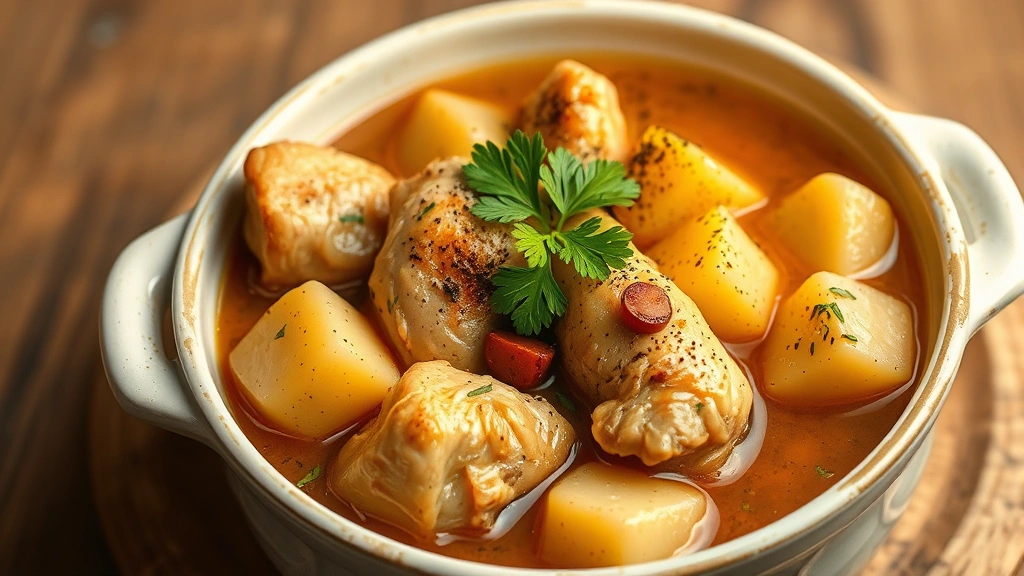
In the same pot, sauté diced onions for 3-4 minutes until softened. Add minced garlic and cook for another minute. Pour in chicken broth, scraping up any browned bits stuck to the bottom—this is liquid gold for flavor. Add potatoes, return chicken to the pot, and season with herbs. Bring to a simmer, cover, and cook for 15-20 minutes until potatoes are tender and chicken reaches 165°F internal temperature.
Oven Method
This hands-off approach is perfect for entertaining or when you need to attend to other tasks. Brown the chicken and sauté aromatics as described above, then transfer everything to a baking dish. Add broth and herbs, cover with foil, and bake at 375°F for 30-35 minutes until potatoes are fork-tender and chicken is cooked through.
Slow Cooker Method
For maximum convenience, brown the chicken on the stovetop first for flavor development, then combine all ingredients in a slow cooker. Cook on low for 6-8 hours or high for 3-4 hours. The extended cooking time makes even tougher cuts incredibly tender, though you can use any chicken pieces you prefer.
Instant Pot Method
Using the sauté function, brown chicken and aromatics as usual. Add broth and potatoes, then seal the lid and cook on high pressure for 8 minutes. Quick-release the pressure and check doneness. This method is ideal for busy weeknights when you need dinner on the table quickly.
Delicious Flavor Variations
Once you master the basic recipe, exploring variations keeps meals interesting. Each variation transforms the dish while maintaining its fundamental simplicity.
Mediterranean Version
Add sun-dried tomatoes, Kalamata olives, and fresh oregano. Include diced bell peppers and a splash of lemon juice for brightness. This version pairs beautifully with fresh spinach stirred in at the end.
Asian-Inspired Variation
If you enjoy Asian recipes, try incorporating soy sauce, ginger, and sesame oil. Add mushrooms and snap peas for texture, and finish with green onions and sesame seeds. Serve over rice instead of potatoes for an entirely different experience.
Creamy Garlic Version
Reduce the broth by half and add heavy cream or sour cream at the end for a rich, creamy sauce. Increase the garlic significantly for a bold flavor. Fresh parsley stirred in before serving adds color and freshness.
Spiced Version
Add paprika, cumin, and a touch of cayenne for warmth. Include diced tomatoes and black beans for a Southwestern twist. Serve with fresh cilantro and lime wedges.
Italian Herb Version
Use Italian seasoning, fresh basil, and a splash of balsamic vinegar. Add diced tomatoes and mozzarella cheese stirred in at the end for a comfort-food upgrade.
Serving Suggestions and Pairings
While chicken and potatoes is a complete meal on its own, thoughtful accompaniments elevate the dining experience.
Vegetable Sides
Fresh summer salad recipes provide a crisp counterpoint to the warm, hearty main dish. A simple green salad with vinaigrette, roasted broccoli, or steamed green beans all work wonderfully. The acidity in salad dressings cuts through the richness and aids digestion.
Bread Accompaniments
Crusty bread is essential for soaking up every drop of sauce. Garlic bread, dinner rolls, or focaccia add comfort-food appeal. For a lighter option, serve with whole grain bread or crackers.
Beverage Pairings
This dish pairs well with white wines like Sauvignon Blanc or Pinot Grigio if you enjoy wine. For non-alcoholic options, sparkling water with lemon or herbal iced tea complements the meal nicely.
Dessert Considerations
Since this is a hearty main course, lighter desserts work best. Fresh fruit, sorbet, or a simple homemade ice cream provides a refreshing finish without overwhelming the palate.
Storage and Reheating Tips
One of this recipe’s best features is how well it stores and reheats, making it excellent for meal prep.
Refrigerator Storage
Cool the dish to room temperature before transferring to airtight containers. Properly stored, it keeps for 3-4 days in the refrigerator. The flavors actually improve as the ingredients continue to meld.
Freezer Storage
This dish freezes beautifully for up to 3 months. Portion into individual containers or freeze the entire batch in a freezer-safe dish. Thaw overnight in the refrigerator before reheating for best results.
Reheating Methods
For stovetop reheating, place in a pot over medium heat, adding a splash of broth if the sauce has reduced too much. Cover and heat until warmed through, about 10-15 minutes. In the oven, cover with foil and heat at 350°F for 20-25 minutes. Microwave portions in a covered dish, stirring halfway through, though this method can result in uneven heating.
Meal Prep Strategy
This recipe is ideal for Sunday meal prep. Make a large batch and portion into containers for grab-and-go lunches throughout the week. The combination of protein, carbs, and vegetables makes it a nutritionally balanced meal that satisfies hunger.
Frequently Asked Questions
Can I use frozen chicken for this recipe?
Yes, though thawed chicken produces better browning and more even cooking. If using frozen chicken, add 5-10 minutes to your cooking time and ensure it reaches 165°F internally before serving.
What if my potatoes aren’t tender after cooking?
Cut them into smaller pieces next time, or choose a different potato variety. Russet potatoes cook faster than waxy varieties. You can also partially cook potatoes before adding chicken.
How do I prevent the chicken from drying out?
Don’t overcook—remove chicken when it reaches 165°F internally, not 170°F or higher. Using a meat thermometer ensures accuracy. Bone-in, skin-on pieces are more forgiving than boneless, skinless breasts.
Can I add vegetables like carrots or celery?
Absolutely! Carrots work beautifully and take about the same time as potatoes. Celery adds flavor to the broth but becomes mushy if cooked too long, so add it partway through. Peas should be added in the last few minutes.
Is this recipe suitable for meal prep?
Yes, it’s one of the best easy chicken casserole recipe options for meal planning. Make a large batch on Sunday and enjoy throughout the week. It reheats beautifully and maintains quality for several days.
What’s the best broth to use?
Homemade chicken broth offers superior flavor, but quality store-bought broth works well too. Look for low-sodium varieties so you can control the salt level. Avoid broth with added sugar or excessive additives.
Can I make this dairy-free?
The basic recipe is naturally dairy-free. If making a creamy version, substitute coconut milk or cashew cream for heavy cream. The dish remains delicious without any dairy additions.
How do I know when it’s done cooking?
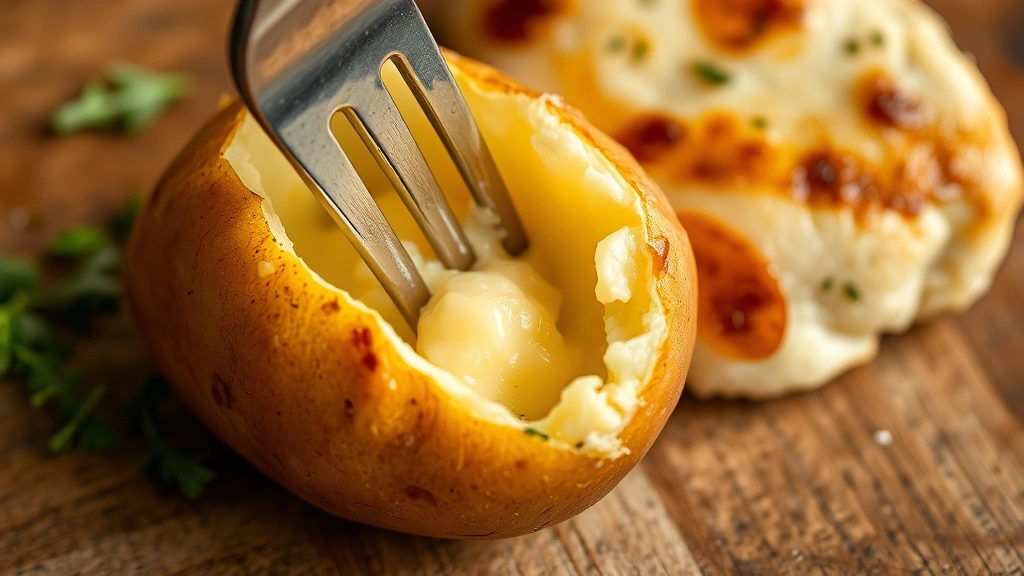
Chicken should reach 165°F internal temperature when tested with a meat thermometer at the thickest part. Potatoes should be fork-tender and easily pierced. The broth should be simmering but not vigorously boiling.
Can I cook this in a slow cooker overnight?
Yes, but brown the chicken first for flavor development. Use the low setting for 6-8 hours. Overnight cooking may result in slightly softer potatoes, but the dish remains delicious.
What can I serve alongside this dish?
Consider pairing with ground beef and rice recipes concepts for side dish inspiration. A simple salad, steamed vegetables, or crusty bread all complement the main course beautifully.
Is this recipe budget-friendly?
Absolutely! Chicken, potatoes, and onions are affordable staples. This recipe offers excellent value and typically costs less per serving than restaurant meals. It’s perfect for families watching their food budget.
Can I double this recipe?
Yes, doubling works well for larger families or meal prep. Cooking time may increase slightly since the pot is fuller. Use a larger cooking vessel and ensure everything is submerged in liquid.
This easy chicken and potatoes recipe represents comfort food at its finest—simple ingredients transformed into something greater through proper technique and thoughtful seasoning. Whether you’re cooking for a family weeknight or meal prepping for the week ahead, this reliable dish delivers satisfaction every time. Start with the basic recipe to master the fundamentals, then explore variations to keep meals exciting. With practice, you’ll develop the intuition to adjust seasonings and cooking times based on your equipment and preferences, making this recipe uniquely yours. The investment in learning this dish pays dividends for years to come.


