Ultimate Chicken & Sausage Dish: Chef’s Secret Recipe for Restaurant-Quality Results
There’s something magical about the combination of tender chicken and savory sausage that transforms an ordinary weeknight dinner into a restaurant-worthy masterpiece. This classic pairing has been a cornerstone of cuisines across the globe—from Spanish paella to Italian risotto to Southern comfort food classics. The secret that professional chefs guard jealously isn’t just about quality ingredients; it’s about understanding the fundamental cooking techniques that coax maximum flavor from every component on the plate.
What makes a truly exceptional chicken and sausage dish stand apart from mediocre versions? The answer lies in proper preparation, strategic layering of flavors, and knowing exactly when to apply heat and when to let ingredients meld together in harmony. Throughout this guide, we’ll unlock the professional techniques that elevate this humble combination into something truly spectacular, whether you’re cooking for your family or impressing dinner guests.
Selecting Premium Chicken and Sausage
The foundation of any exceptional chicken and sausage recipe begins at the market. Professional chefs understand that ingredient quality directly correlates with final dish quality, and this principle is absolutely non-negotiable when working with proteins.
Chicken Selection Guidelines: Look for chicken with pale, unblemished skin and a firm texture. Free-range or pasture-raised birds offer superior flavor compared to conventionally raised poultry because of their diet and lifestyle. When selecting cuts, consider the cooking method you’ll employ. Bone-in, skin-on thighs and breasts retain moisture better during cooking than boneless options. The dark meat of thighs contains more fat, which contributes to juiciness and flavor development.
Visit your local butcher if possible—they can provide guidance on freshness indicators and may offer specialty cuts tailored to your specific recipe needs. Whole chickens, while requiring more butchering, often provide superior quality at better prices than pre-cut portions.
Sausage Variety and Selection: The sausage you choose dramatically influences your final dish. Italian sausage varieties split into two categories: sweet (fennel-forward, mild) and hot (spiced with red pepper flakes). Spanish chorizo brings smoky, paprika-driven flavors ideal for paella-style preparations. French saucisse offers delicate seasoning that works beautifully in creamy preparations. Portuguese linguiça provides robust, garlic-forward profiles.
Fresh sausage (uncured) requires thorough cooking to reach safe internal temperatures, while cured varieties like chorizo can be sliced and added near the end of cooking. Examine the ingredient list—quality sausages contain primarily meat, fat, salt, and spices without excessive fillers or preservatives.
For healthy chicken recipes, consider using leaner sausage varieties or adjusting your sauce base to incorporate more vegetables and less fat.
Essential Preparation Techniques
Professional kitchens operate on the principle of mise en place—having everything prepared, measured, and ready before cooking begins. This practice prevents rushed decisions and ensures consistent results.
Chicken Preparation: Pat chicken pieces completely dry using paper towels. Moisture on the surface prevents proper browning through a process called the Maillard reaction, which creates the flavorful golden crust that distinguishes restaurant-quality dishes. Season generously with kosher salt and freshly ground black pepper at least 30 minutes before cooking—this allows salt to penetrate the meat, enhancing flavor throughout.
If using bone-in chicken, trim excess skin but leave some intact for protection during cooking. For boneless cuts, consider pounding to uniform thickness, ensuring even cooking. Some chefs prefer brining chicken in saltwater for 2-4 hours before cooking, which increases moisture retention by up to 15 percent.
Sausage Preparation: Fresh sausage benefits from being removed from casings and formed into small meatballs or crumbled for even distribution throughout the dish. This technique increases surface area for browning and ensures each bite contains sausage flavor. Cured sausages like chorizo should be sliced at a slight angle, creating larger surface area for flavor release.
Brown sausage separately before adding to your main dish—this prevents the proteins from overcrowding the pan and ensures proper crust development. Reserve the rendered fat; it becomes liquid gold for building flavor foundations in your sauce.
Building Flavor Foundations
The difference between amateur and professional cooking often comes down to sauce and flavor base development. This is where patience and technique truly shine.
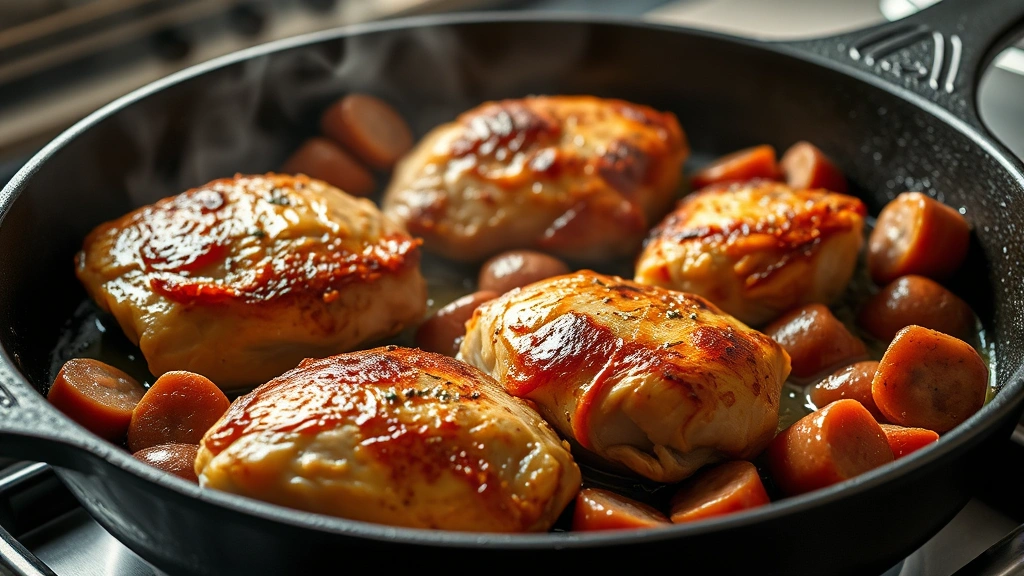
The Searing Process: Heat your cooking vessel (Dutch oven, heavy-bottomed skillet, or paella pan) until it’s hot enough that a drop of water immediately sizzles and evaporates. This temperature ensures proper browning without steaming the proteins. Work in batches—overcrowding causes temperature drops that result in pale, steamed proteins rather than golden, flavorful crusts.
Sear chicken skin-side down first, undisturbed, for 6-8 minutes until deeply golden. Flip and sear the other side for 4-5 minutes. Remove from the pan and set aside. This initial browning creates fond—those flavorful brown bits stuck to the pan bottom—which become the foundation of your sauce.
Aromatics and Flavor Building: In the same pan with residual fat and fond, add finely diced onions, minced garlic, and diced bell peppers. Cook over medium heat for 5-7 minutes until softened and fragrant. This combination, known as the holy trinity in Creole cooking, creates the flavor base that defines your dish.
Add tomato paste and cook for 2-3 minutes, stirring constantly. This caramelization step intensifies tomato flavor and adds depth. Deglaze the pan with wine (dry white for lighter dishes, red for heartier preparations), scraping the bottom with a wooden spoon to incorporate all that valuable fond into your sauce.
Stock and Braising Liquid: Chicken or vegetable stock serves as the braising medium that keeps proteins moist while infusing them with flavor. Homemade stock, simmered with chicken bones, aromatics, and herbs for several hours, provides superior flavor compared to commercial varieties. If using store-bought stock, taste it first—some brands are quite salty.
For enhanced depth, consider using a combination: 75% chicken stock with 25% beef stock, or adding a splash of crockpot chili recipe base for additional umami complexity.
Cooking Methods and Timing
Several cooking methods work beautifully for chicken and sausage dishes, each producing distinct results and suited to different situations.
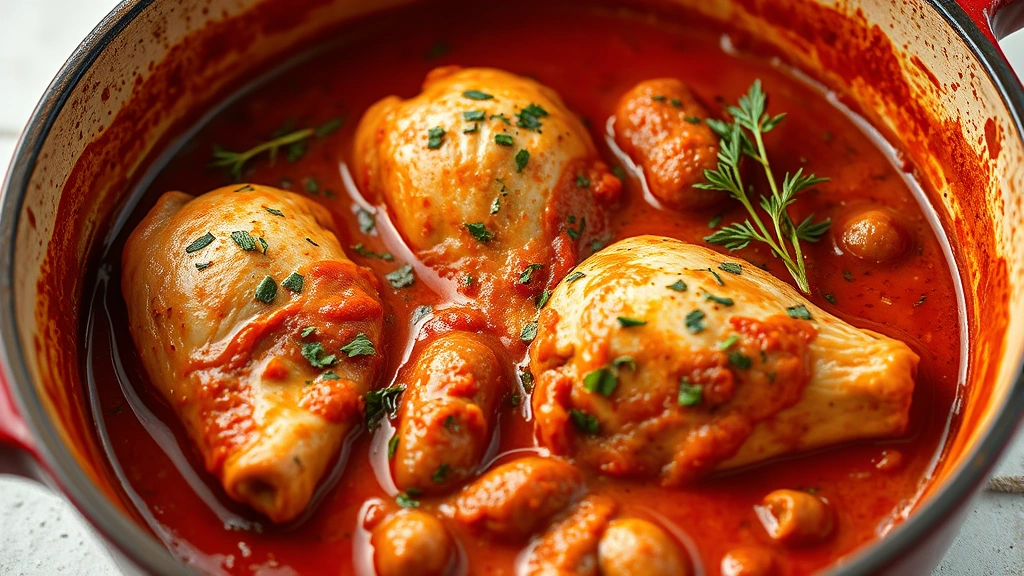
Braising Method (Stovetop): This technique combines initial browning with gentle, moist cooking. After building your flavor base and adding stock, return the seared chicken to the pan along with browned sausage. Bring to a simmer, then reduce heat to maintain a gentle bubble—approximately 180-190°F. Cover partially with a lid (leaving it slightly ajar allows some evaporation while maintaining moisture).
Cooking time depends on chicken size: bone-in thighs typically need 35-45 minutes, while breasts require 25-30 minutes. The chicken is done when it reaches 165°F at the thickest part (measured with an instant-read thermometer without touching bone). Remove chicken and tent loosely with foil to keep warm while you finish the sauce.
Oven Braising Method: Transfer your browned proteins and flavor base to a Dutch oven, cover, and braise in a 325°F oven for 45-60 minutes. This method provides even heat distribution, reducing the need for stirring and monitoring. The enclosed environment prevents excessive evaporation, resulting in more tender, succulent proteins.
One-Pan Skillet Method: For quicker weeknight preparation, use a large skillet with a tight-fitting lid. After browning proteins and building your flavor base, add stock to reach halfway up the chicken pieces. Bring to a simmer, cover, and cook for 25-35 minutes until chicken reaches safe temperature. This method works particularly well when you’ll serve the dish directly from the cooking vessel.
Slow Cooker Preparation: While not traditional, slow cooker methods work for chicken and sausage. Brown proteins and aromatics in a skillet first, then transfer to your slow cooker with stock and seasonings. Cook on low for 6-8 hours or high for 3-4 hours. Note that slow cooking produces less flavorful browning, so the stovetop browning step becomes even more critical.
Temperature Control: Maintaining proper cooking temperature prevents overcooking. The gentle simmer temperature (180-190°F) cooks proteins through without toughening muscle fibers. Rapid boiling breaks down collagen too quickly and can result in dry, stringy meat.
Professional Finishing Touches
The final minutes of cooking separate good dishes from exceptional ones. This is where refinement happens.
Sauce Reduction: Remove cooked chicken and sausage, then increase heat to medium-high. Let the braising liquid reduce by one-third to one-half, concentrating flavors and creating a more luxurious consistency. Stir occasionally to prevent sticking. The sauce is ready when it coats the back of a spoon and leaves a visible trail when you draw your finger across it.
Mounting with Butter: A professional technique that adds silky mouthfeel: remove the pan from heat and whisk in cold cubed butter, 1 tablespoon at a time. This emulsification creates a glossy, luxurious sauce. Add butter only after removing from heat—high temperatures break the emulsion.
Acid Balancing: Taste your finished dish and adjust seasonings. If it tastes flat, add brightness with lemon juice, white wine vinegar, or sherry vinegar—just a small amount, about 1 teaspoon at a time. Acid awakens flavors and prevents the dish from tasting heavy.
Fresh Herb Incorporation: Stir in fresh herbs (parsley, thyme, basil, or oregano) in the final minute. Fresh herbs added at the end maintain their bright, delicate flavors rather than becoming muted through prolonged cooking. Reserve some whole leaves for garnish to add visual appeal.
Texture Variation: Consider adding textural elements in the final moments: crispy breadcrumb topping, toasted nuts, or sautéed mushrooms. These additions prevent the dish from becoming monotonous.
Wine and Sauce Pairing Strategies
Wine selection dramatically influences your finished dish, and understanding these pairings elevates your cooking.
White Wine Preparations: Dry white wines (Sauvignon Blanc, Pinot Grigio, Albariño) work beautifully in lighter preparations, particularly when using chicken breasts or white sausages. These wines deglaze the pan effectively, and their acidity brightens the finished sauce. Vermouth offers herbal complexity that pairs exceptionally well with Mediterranean-style preparations.
Red Wine Preparations: Fuller-bodied red wines (Burgundy, Pinot Noir, Côtes du Rhône) suit darker sausages like chorizo or spicy Italian varieties. Red wine braising creates deeper, more complex sauces ideal for cooler-weather meals. The tannins in red wine complement the richness of dark meat and cured sausages.
Sauce Consistency Options: Some chefs prefer thin, glossy pan sauces that cling lightly to proteins. Others prefer thicker, more substantial gravies. Consistency depends on your final reduction level and whether you add a slurry (cornstarch mixed with cold water) or beurre manié (butter mixed with flour). Add these thickeners slowly, stirring constantly, until you reach desired consistency.
Flavor Complexity Additions: Consider these professional additions for sauce depth: a spoonful of Dijon mustard, anchovy paste (just 1/2 teaspoon for umami without fishiness), or a splash of balsamic vinegar. Caramelized tomatoes, sun-dried tomato paste, or even a pinch of saffron create memorable flavor profiles.
For additional inspiration on protein preparation, explore filet mignon recipes to understand high-end meat preparation principles applicable to chicken and sausage cooking.
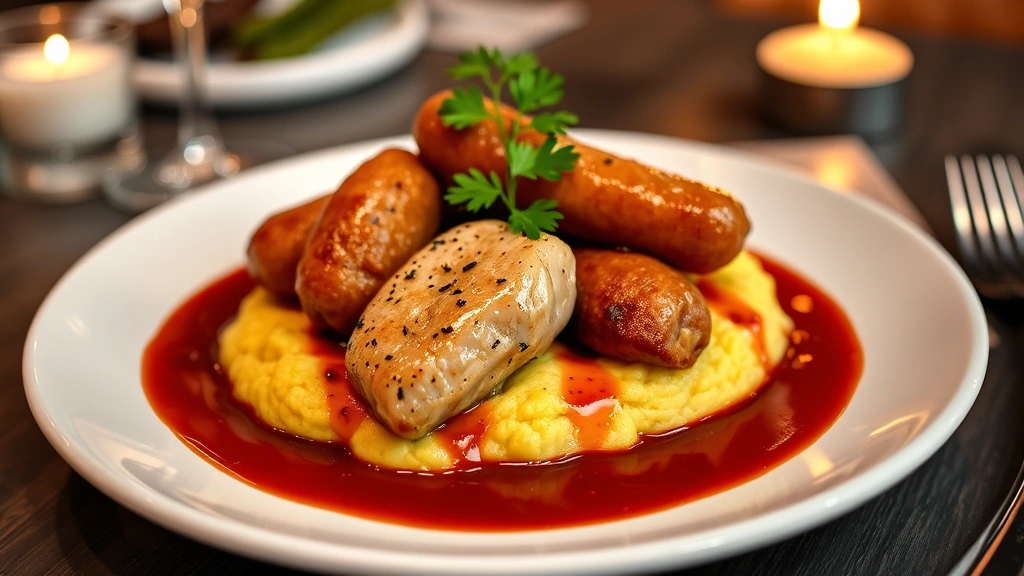
Serving Suggestions: Present your chicken and sausage dish over creamy polenta, buttered egg noodles, or saffron rice. The starch absorbs the luxurious sauce, creating a complete, satisfying meal. Alternatively, serve alongside roasted vegetables or a crisp salad to balance the richness.
Consider beverage pairings beyond the cooking wine. A chilled Vermentino, rosé, or light-bodied red complements these dishes beautifully without overwhelming the palate. For non-alcoholic options, a well-made bone broth sipped alongside offers complementary umami.
If you’re planning a complete menu, balance this rich main course with lighter appetizers and desserts. A simple green salad with vinaigrette before the main course, followed by something light like coconut cake recipe, creates pleasing contrasts throughout the meal.
Frequently Asked Questions
Can I make chicken and sausage ahead of time?
Absolutely. In fact, many braises improve after sitting overnight, as flavors meld and develop further complexity. Cool completely, refrigerate in an airtight container for up to 3 days, or freeze for up to 2 months. Reheat gently over low heat, adding a splash of stock if the sauce has thickened too much. The reheating process rarely overcooks the proteins since they’re already fully cooked.
What if my chicken comes out dry?
Dryness typically results from overcooking or insufficient braising liquid. Prevent this by using an instant-read thermometer and removing proteins at exactly 165°F. If it happens, slice the chicken and serve it swimming in sauce—the sauce moisture will compensate. For future attempts, use bone-in, skin-on cuts, which retain moisture better than boneless options. Brining before cooking also significantly improves moisture retention.
Can I substitute chicken with other proteins?
Yes, though cooking times adjust. Pork shoulder, lamb, or even seafood (shrimp or scallops) work beautifully with sausage. Adjust cooking times accordingly—lean proteins like shrimp need only 5-10 minutes, while tougher cuts like pork shoulder need 2-3 hours. The flavor-building techniques remain constant.
How do I make this dish healthier?
Several strategies reduce calories without sacrificing flavor. Use skinless chicken breast, select lean sausage varieties, and remove excess fat from the pan after browning. Replace half the braising liquid with low-sodium vegetable stock, and increase vegetable content (mushrooms, zucchini, green beans). Serve over vegetables or cauliflower rice instead of starch. These modifications work beautifully and align with healthy chicken recipes principles.
What sausage works best for beginners?
Italian sausage (either sweet or hot, depending on spice preference) offers the most forgiving option. It’s widely available, pairs with common aromatics and herbs, and provides recognizable flavor. As you gain confidence, experiment with chorizo, andouille, or specialty sausages from local butchers.
Can I make this in a slow cooker or Instant Pot?
Slow cookers work well if you brown proteins first on the stovetop, then transfer to the slow cooker. Cook on low for 6-8 hours. Instant Pots use sauté mode for browning, then pressure cook for 12-15 minutes at high pressure, followed by natural pressure release. Both methods require less active cooking time but produce slightly less flavorful browning than traditional stovetop methods.
What’s the difference between braising and stewing?
Braising uses enough liquid to come halfway up the proteins, while stewing fully submerges them. Braising is ideal for chicken and sausage because it allows skin to stay slightly exposed, maintaining some texture while proteins cook gently in the surrounding moisture. Stewing works better for tougher cuts that benefit from complete submersion during extended cooking.
How do I prevent sauce from breaking or separating?
Sauce separation typically occurs from excessive heat or improper emulsification. Keep temperatures at a gentle simmer, never a rolling boil. When mounting with butter, remove from heat first and whisk constantly. If sauce does break, remove from heat and whisk in a tablespoon of cold water or cream to re-emulsify. Temperature control throughout is your best prevention strategy.
Can I use frozen chicken?
Thaw chicken completely in the refrigerator before cooking—this typically takes 24 hours for whole birds, 12 hours for cut pieces. Cooking frozen chicken extends cooking time significantly and produces uneven results. Thawing ensures proper browning and even cooking throughout.
What side dishes pair best with chicken and sausage?
Starchy sides that absorb sauce work beautifully: creamy polenta, buttered egg noodles, saffron rice, or roasted potatoes. Alternatively, serve over a bed of wilted greens for lighter presentations. A crisp salad alongside provides textural and flavor contrast. For special occasions, consider pairing with a frozen margarita recipe for refreshing beverage contrast.
How do I store leftovers properly?
Cool completely before transferring to airtight containers—leaving hot food out allows bacterial growth. Refrigerate for up to 3 days or freeze for up to 2 months. When freezing, leave 1 inch of headspace in containers to allow for expansion. Thaw overnight in the refrigerator before reheating. Reheat gently over low heat, adding stock if needed to restore sauce consistency.
Mastering chicken and sausage recipes opens doors to countless variations and flavor combinations. The techniques outlined here—proper ingredient selection, patient preparation, temperature control, and thoughtful finishing—form the foundation of exceptional cooking. Whether you’re preparing a casual weeknight dinner or impressing dinner guests, these professional methods ensure consistently delicious results. Start with a simple preparation using these fundamental techniques, then gradually experiment with different sausage varieties, wine selections, and sauce additions. Your confidence and skill will grow with each preparation, and soon you’ll be creating restaurant-quality dishes in your own kitchen.


