Perfect Chicken Carbonara? Chef-Approved Recipe
Chicken carbonara represents one of the most misunderstood dishes in modern cooking. Originating from Rome, this creamy pasta dish has inspired countless variations, and adding chicken transforms it into a heartier, protein-packed meal that satisfies even the most voracious appetites. The beauty of carbonara lies in its simplicity—just a few quality ingredients create something extraordinary when technique and timing align perfectly.
Many home cooks struggle with carbonara because they approach it like a cream-based sauce, but authentic preparation requires understanding the delicate balance between heat, eggs, and pasta water. This guide walks you through every step to master chicken carbonara recipe execution, ensuring your dish rivals restaurant quality. Whether you’re preparing a weeknight dinner or impressing guests, these chef-approved techniques will elevate your cooking.
Essential Ingredients for Authentic Chicken Carbonara
Building a remarkable chicken carbonara starts with understanding each ingredient’s role. Unlike many pasta dishes that rely on tomatoes or cream, carbonara depends on the interplay between eggs, cheese, and pasta starch to create its signature silky texture.
Eggs: Use only large, room-temperature eggs. The yolks provide richness while the whites help create the creamy sauce through emulsification with pasta water. Some chefs use only yolks for extra decadence, but whole eggs offer better texture balance. Always source the freshest eggs available—older eggs won’t emulsify as effectively.
Cheese: Pecorino Romano remains the traditional choice, offering sharp, salty notes that define authentic carbonara. Parmigiano-Reggiano works as an alternative, though it’s milder. Avoid pre-grated cheese, which contains anti-caking agents that prevent proper melting. Purchase a wedge and grate it fresh using a microplane for finest results.
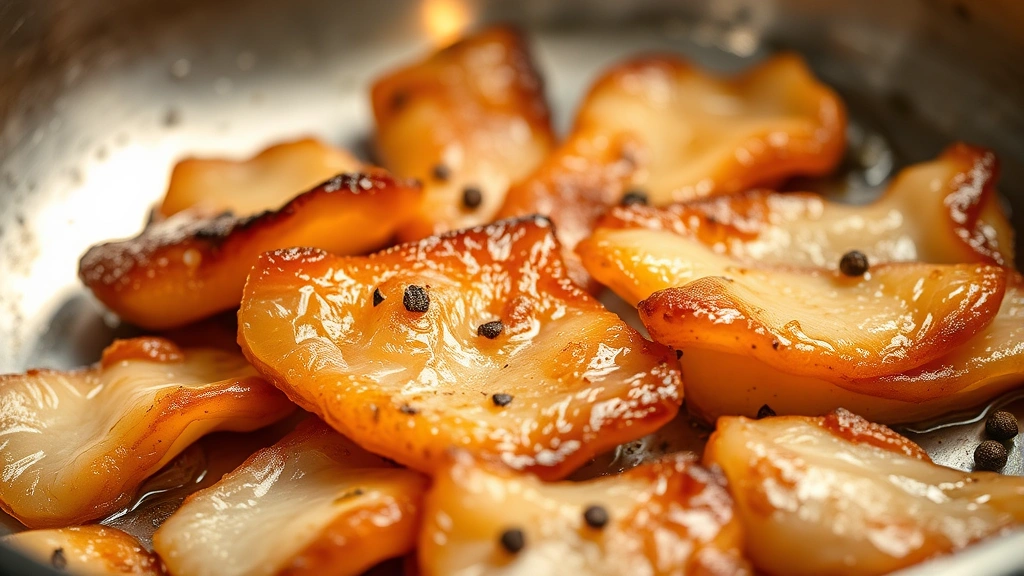
Guanciale: This cured pork jowl provides irreplaceable flavor and fat. If unavailable, high-quality pancetta serves as an acceptable substitute, though guanciale’s complexity cannot be replicated. Never use bacon—its smoky flavor clashes with the delicate egg sauce. The rendered fat becomes your cooking medium, so quality matters tremendously.
Pasta: Spaghetti remains traditional, though tonnarelli or bucatini work beautifully. Use bronze-cut (trafilata) pasta, which has a rougher texture that grips sauce better than smooth industrial varieties. Cook pasta to al dente—slightly firm to the bite—as it continues cooking when tossed with the hot sauce.
Black Pepper: Freshly cracked pepper distinguishes excellent carbonara from mediocre versions. Grind it immediately before cooking to preserve volatile oils that provide complexity.
Selecting and Preparing Your Chicken
Chicken transforms carbonara into a complete protein dish while maintaining the sauce’s delicate character. The key lies in using properly cooked, tender chicken that doesn’t overwhelm the traditional flavors.
Choosing Your Cut: Boneless, skinless chicken breasts cook quickly and slice elegantly, though they can dry out if overcooked. Chicken thighs offer more forgiving cooking because their higher fat content keeps them juicy. For best results, use a combination—thigh meat for flavor, breast meat for lighter texture. Pound breasts to even thickness before cooking to ensure uniform doneness.
Cooking Methods: Pan-searing produces superior flavor through browning reactions. Heat oil or butter in a heavy skillet over medium-high heat, season chicken generously with salt and pepper, then cook until golden brown—approximately 6-7 minutes per side for breasts, 8-10 for thighs. Let meat rest for 5 minutes before slicing, allowing juices to redistribute throughout the muscle fibers. Alternatively, poach chicken gently in seasoned broth for 12-15 minutes until cooked through, then shred or cube as desired.
Explore shredded chicken recipes for additional preparation techniques that maximize tenderness. Temperature matters—remove chicken from heat at 160°F (71°C) internal temperature, as carryover cooking will raise it to the safe 165°F (74°C) threshold.
The Science Behind Perfect Carbonara Sauce
Understanding carbonara’s science separates home cooks from true practitioners. This isn’t a cream sauce—it’s an emulsion created through the marriage of egg proteins, pasta starch, and fat.
Emulsification Process: When you combine warm pasta with beaten eggs, the heat denatures egg proteins, allowing them to bond with fat molecules. Simultaneously, starch released from cooking pasta acts as an emulsifier, creating a cohesive sauce without any cream. This happens at specific temperatures—too hot and eggs scramble; too cool and they won’t emulsify. The target range is 140-160°F (60-71°C).
According to Serious Eats, the ratio of egg to pasta water determines sauce consistency. Generally, use 3 egg yolks plus 2 whole eggs per pound of pasta, adjusted with reserved pasta water to reach desired thickness. This science-backed approach removes guesswork from the process.
Pasta Water’s Critical Role: Don’t discard that starchy cooking water—it’s essential. The starch acts as a binder, helping fat and egg proteins combine smoothly. Reserve at least one cup before draining pasta. Add water gradually, starting with ¼ cup, adjusting based on sauce thickness as you toss.
Temperature Control: Remove the pan from heat before combining ingredients. The residual heat from hot pasta creates the ideal cooking temperature for eggs. If your pan is too hot, immediately place it in a bowl of ice water to cool before adding the egg mixture.
Step-by-Step Cooking Instructions
Now let’s execute the perfect chicken carbonara with precision timing and technique.
Preparation Phase (15 minutes before cooking):
- Remove eggs from refrigerator and let them reach room temperature—this prevents temperature shock when combining with hot pasta
- Dice guanciale into ¼-inch pieces
- Grate Pecorino Romano using a microplane until you have approximately 1½ cups
- Crack fresh black pepper and measure 2 teaspoons
- Cut prepared chicken into bite-sized pieces or thin slices
- Fill a large pot with salted water (approximately 6 quarts) and bring to rolling boil
Guanciale and Chicken Cooking:
- In a large, heavy skillet over medium heat, render guanciale pieces slowly, stirring occasionally, for 8-10 minutes until fat releases and meat becomes crispy
- If using pancetta, cook slightly faster over medium-high heat, approximately 5-6 minutes
- Add prepared chicken pieces to the pan with guanciale fat, cooking until heated through—approximately 3-4 minutes if already cooked, or longer if cooking from raw
- Remove pan from heat and set aside, keeping the mixture warm but not actively cooking
Pasta Cooking:
- Once water reaches a rolling boil, add pasta and stir immediately to prevent sticking
- Cook according to package directions, but reduce time by 1 minute—pasta will finish cooking when tossed with sauce
- When pasta reaches al dente consistency, reserve 1½ cups of pasta water in a separate container
- Drain pasta immediately, shaking the colander to remove excess water
Sauce Assembly (the critical moment):
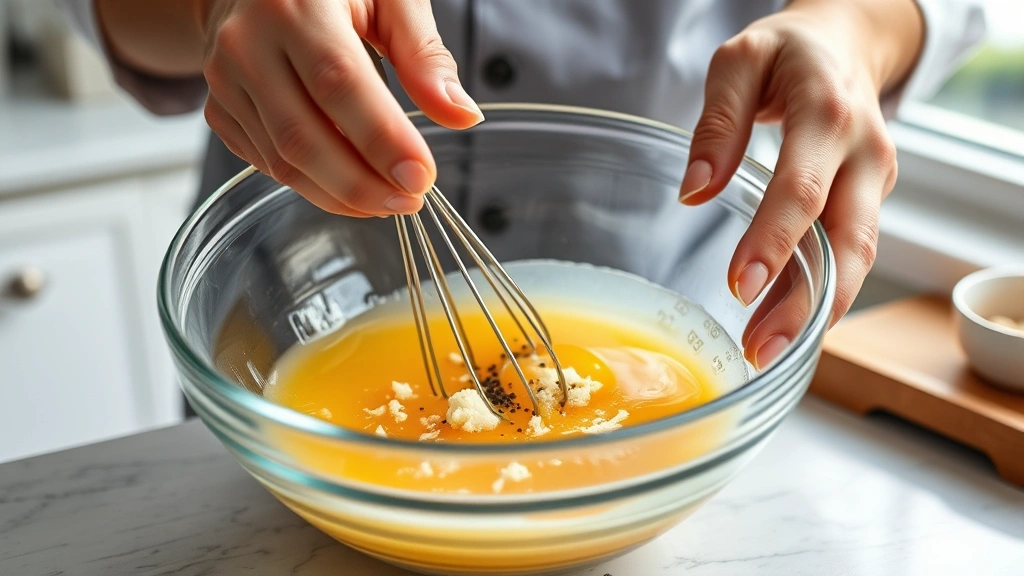
- In a large mixing bowl, whisk together room-temperature eggs, grated Pecorino Romano, and fresh cracked black pepper until well combined and smooth
- Place the warm skillet with guanciale and chicken over very low heat
- Add hot drained pasta to the skillet with guanciale, tossing constantly with tongs
- Remove skillet from heat completely
- Pour egg mixture over pasta while tossing vigorously for 1-2 minutes—the residual heat will cook eggs while creating sauce
- Add reserved pasta water gradually, starting with ¼ cup, tossing continuously until sauce reaches creamy consistency
- Taste and adjust seasoning with additional salt, pepper, or cheese as needed
The entire assembly process takes just 2-3 minutes, so work quickly and confidently. Hesitation leads to overcooked eggs or insufficiently emulsified sauce.
Common Mistakes and How to Avoid Them
Scrambled Eggs: This occurs when temperatures exceed 165°F (74°C). Solution: Remove the pan from heat before adding eggs, and work quickly. If eggs begin looking grainy, immediately place the pan in ice water to stop cooking.
Broken or Greasy Sauce: Over-emulsification or insufficient starch causes separation. Solution: Ensure you’re using adequate pasta water and working off-heat. Never add cream—it masks the problem rather than solving it.
Tough Chicken: Overcooking chicken before combining with pasta results in dry, stringy texture. Solution: Cook chicken to exact temperature, rest it properly, and cut into appropriate sizes. Pre-cook chicken only to 160°F (71°C), allowing carryover cooking and the warm sauce to reach safe temperatures.
Bland Flavor: Insufficient seasoning or using poor-quality ingredients creates flat results. Solution: Taste as you build the dish. Use freshly grated cheese and properly rendered guanciale. Don’t skimp on salt or pepper.
Watery Consistency: Too much pasta water creates soupy sauce. Solution: Add water gradually in ¼-cup increments. You can always add more, but you can’t remove excess. The sauce should coat pasta without pooling at the bowl’s bottom.
These mistakes teach valuable lessons about timing, temperature, and ingredient quality. Each represents a teachable moment that improves future attempts.
Serving Suggestions and Variations
While traditional carbonara stands beautifully alone, thoughtful accompaniments and variations expand its appeal.
Plating and Service: Serve carbonara immediately in warmed bowls to maintain temperature and creaminess. Top with additional Pecorino Romano shavings and freshly cracked black pepper. A simple green salad with lemon vinaigrette provides bright contrast—consider pairing it with easy homemade bread recipes to soak up every drop of sauce.
Wine Pairing: Crisp white wines like Pinot Grigio or Vermentino complement carbonara’s richness. The acidity cuts through fat while mineral notes echo the cheese’s saltiness.
Vegetable Additions: While purists object, sautéed mushrooms, peas, or asparagus integrate well if added to the guanciale pan before pasta. Keep additions minimal to preserve carbonara’s essential character.
Protein Variations: Explore chicken meatball recipe applications by forming seasoned ground chicken into small balls, browning them in the guanciale fat, then proceeding with standard technique. Alternatively, chicken and gravy recipe elements inspire richer variations using chicken stock reduction.
Seasonal Adaptations: Spring calls for asparagus and fresh herbs; summer welcomes zucchini; autumn suits mushroom additions; winter pairs beautifully with roasted garlic. Maintain the core technique while adjusting vegetables seasonally.
For quick breakfast recipes, carbonara transforms into a decadent brunch dish when served with a fried egg on top and crusty toast for dipping.
Looking for vintage grandma recipes inspiration? Classic Italian nonna preparations often featured simpler versions using available ingredients—your carbonara honors these culinary traditions while embracing modern precision.
FAQ
Can I make chicken carbonara ahead of time?
Carbonara is best served immediately after preparation, as the sauce continues cooking and eventually dries out. However, you can prep components in advance: cook chicken, render guanciale, grate cheese, and crack eggs. Combine everything just before serving for optimal results.
What if I don’t have guanciale?
Pancetta provides the closest substitute, though it lacks guanciale’s complexity. Quality bacon works in a pinch, though its smoky flavor differs significantly. Some cooks use prosciutto, though it’s less fatty. Never skip this ingredient entirely—the rendered fat is essential to the dish.
Is it safe to use raw eggs in carbonara?
Yes, when using room-temperature eggs and maintaining proper cooking temperatures. The residual heat from hot pasta and guanciale fat pasteurizes eggs adequately for food safety. Use only the freshest eggs from reliable sources. Those with compromised immune systems should consult healthcare providers before consuming raw or undercooked eggs.
Why does my carbonara taste bitter?
Black pepper burned during cooking creates bitterness. Add fresh pepper after removing from heat, or reduce the amount used. Alternatively, overcooked guanciale develops bitter flavors—render it slowly over medium heat.
Can I use cream in carbonara?
Authentic carbonara contains no cream—the egg and pasta starch emulsion creates the sauce. Adding cream masks the delicate flavors and creates an entirely different dish. If your sauce breaks, add pasta water gradually rather than cream to fix emulsification.
How do I store leftover carbonara?
Carbonara doesn’t store well, as the sauce continues cooking and the pasta absorbs moisture. Refrigerate leftovers in an airtight container for up to 2 days. Reheat gently over low heat with additional pasta water to restore sauce consistency, though quality diminishes significantly.
What’s the best pasta shape for carbonara?
Spaghetti remains traditional, but tonnarelli (square-cut spaghetti) and bucatini (hollow spaghetti) work beautifully. The key is choosing bronze-cut pasta with rough texture that grips sauce. Avoid smooth, industrial pasta that causes sauce to slide off.
Can I double this recipe?
Yes, but work in batches if doubling significantly. Large batches cool too quickly, preventing proper emulsification. Cook pasta in two pots and combine sauce ingredients separately, then toss together. Alternatively, make the recipe twice in succession rather than doubling at once.


