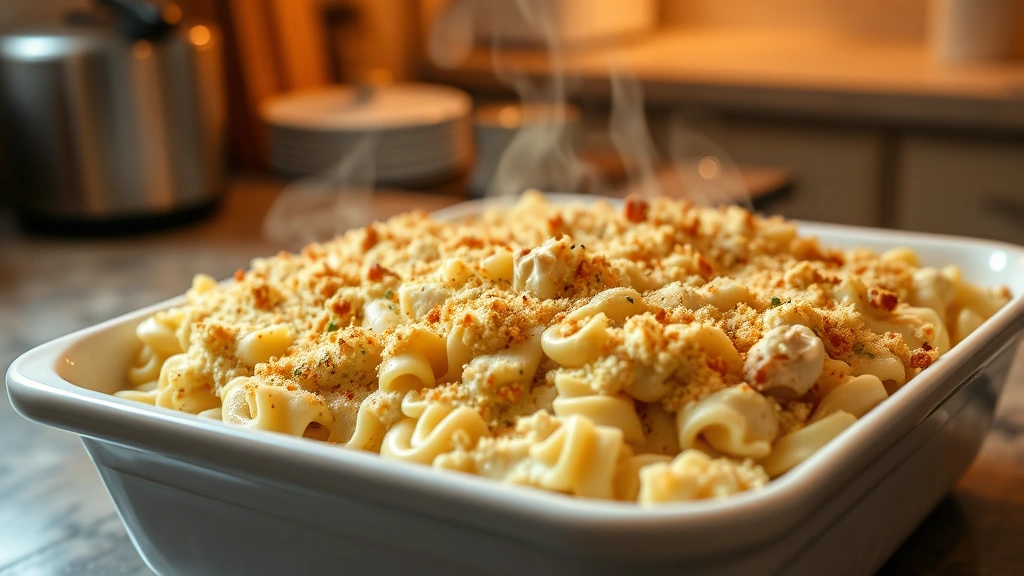
Ultimate Chicken Noodle Casserole: Family Favorite Recipe
Chicken noodle casserole is the ultimate comfort food that brings families together around the dinner table. This classic dish combines tender pasta, succulent chicken, and a creamy sauce that’s both satisfying and incredibly easy to prepare. Whether you’re cooking for a weeknight dinner or preparing a dish for a potluck, this chicken noodle casserole recipe delivers consistent results that everyone loves.
What makes this casserole truly special is its versatility and simplicity. You can customize it with your favorite vegetables, adjust the creaminess to your preference, and even prepare it ahead of time. The beauty of casserole cooking is that everything bakes together in one dish, creating layers of flavor while keeping your cleanup minimal. This recipe has been perfected through countless family dinners and is guaranteed to become a staple in your kitchen rotation.
Ingredients You’ll Need
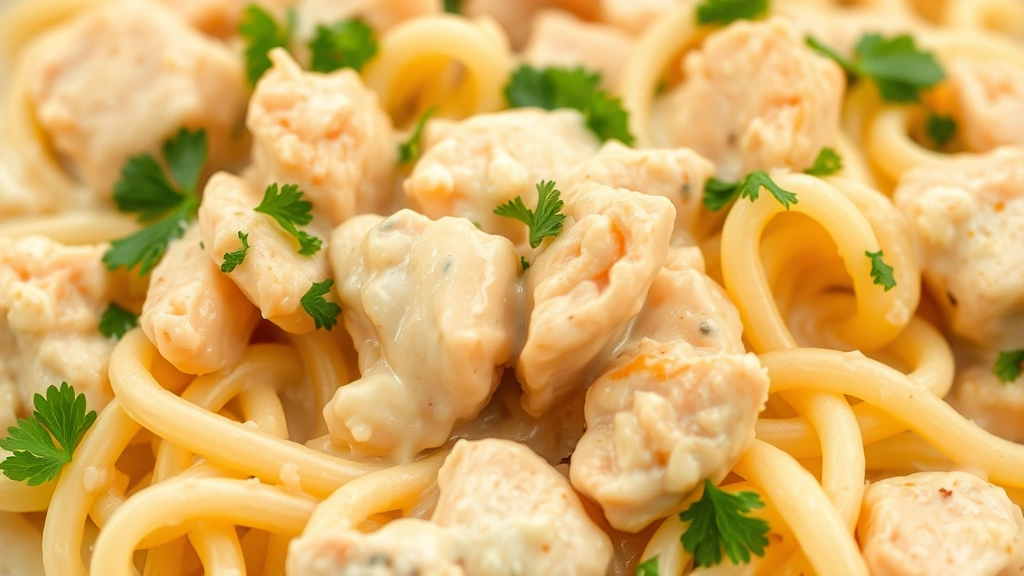
This chicken noodle casserole recipe calls for simple, accessible ingredients that you likely already have in your pantry. The foundation starts with quality pasta—egg noodles work beautifully and provide the perfect texture, though you can substitute with penne or rigatoni if preferred. For the protein component, you’ll use boneless, skinless chicken breasts or thighs, which cook evenly and absorb the creamy sauce wonderfully.
The creamy sauce is what transforms this dish into pure comfort. You’ll need butter, all-purpose flour, and chicken broth to create a classic béchamel sauce, which serves as the base. Heavy cream or a combination of cream and milk adds richness without overwhelming the palate. Cheddar cheese—sharp or mild, depending on your preference—provides that savory depth that makes people ask for seconds.
- Pasta: 12 ounces egg noodles
- Chicken: 2 pounds boneless, skinless chicken breasts
- Butter: 4 tablespoons
- All-purpose flour: 3 tablespoons
- Chicken broth: 2 cups low-sodium
- Heavy cream: 1 cup
- Cheddar cheese: 2 cups shredded
- Salt and pepper: to taste
- Garlic powder: 1 teaspoon
- Onion powder: 1 teaspoon
- Paprika: ½ teaspoon (optional)
- Breadcrumbs: ½ cup (for topping)
- Fresh parsley: 2 tablespoons chopped (garnish)
Preparation and Cooking Steps
Begin by preheating your oven to 350°F. This moderate temperature ensures everything cooks through evenly without the top burning before the center is done. While the oven heats, prepare your ingredients by cutting the chicken breasts into bite-sized pieces—approximately one-inch cubes work best. This size ensures the chicken cooks through quickly and distributes evenly throughout the casserole.
Cook the egg noodles according to package directions, but reduce the cooking time by one minute to keep them slightly al dente. They’ll continue cooking in the oven, so you want to avoid mushy pasta. Drain the noodles thoroughly and set aside. In a large skillet, heat two tablespoons of butter over medium-high heat and cook the chicken pieces until they’re no longer pink inside, approximately 6-8 minutes. Season with salt, pepper, and garlic powder as they cook. Transfer the cooked chicken to a plate.
In the same skillet, melt the remaining two tablespoons of butter over medium heat. Sprinkle the flour over the melted butter and stir constantly for about one minute to create a roux. This flour-butter mixture will thicken your sauce and provide a silky texture. Gradually pour in the chicken broth while whisking continuously to prevent lumps from forming. Keep stirring until the mixture thickens slightly, approximately 3-4 minutes.
Reduce heat to low and pour in the heavy cream, stirring gently. Add the shredded cheese in batches, stirring after each addition until completely melted and incorporated. The sauce should be smooth and creamy. Taste and adjust seasonings with additional salt, pepper, and paprika if desired. Stir in the cooked chicken and cooked noodles until everything is well coated with the creamy sauce.
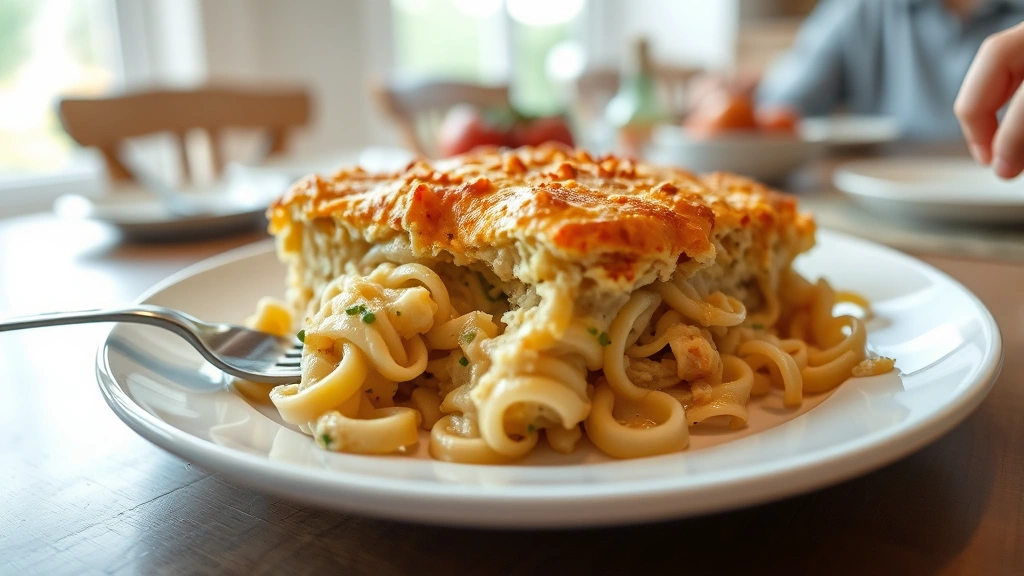
Pour the entire mixture into a buttered 9×13 inch baking dish, spreading it evenly. Mix the breadcrumbs with a tablespoon of melted butter and sprinkle over the top for a golden, crispy texture. Bake for 25-30 minutes until the casserole is heated through and the breadcrumb topping is golden brown. Remove from the oven and let it rest for 5 minutes before serving. Garnish with fresh parsley for a pop of color and fresh flavor.
Pro Tips for Perfect Results
One crucial tip for making the best chicken noodle casserole is not overcooking the pasta. Since it will continue cooking in the oven, slightly undercooked noodles maintain a pleasant texture rather than becoming mushy. Test the pasta two minutes before the package suggests and drain when it still has a slight firmness to it.
When creating your roux, maintain medium heat and stir constantly. Too high heat can cause the flour to brown unevenly, affecting the color and flavor of your sauce. If you notice any lumps forming when adding the broth, remove the pan from heat momentarily and whisk vigorously until smooth before returning to the heat.
For extra flavor depth, consider cooking your chicken in chicken broth instead of dry heat. This infuses the meat with more flavor and keeps it incredibly moist. You can also sauté diced onions and minced garlic in the butter before making your roux for additional aromatic complexity.
If you prefer a lighter version, substitute half-and-half for heavy cream or use a combination of Greek yogurt and milk. This reduces calories while maintaining creaminess. You can also incorporate fresh vegetables like peas, corn, or diced bell peppers into the mixture before baking—they add nutrition and color without compromising the classic comfort food appeal.
For make-ahead convenience, assemble the casserole completely, cover it tightly with plastic wrap, and refrigerate for up to 24 hours. When ready to bake, add 10 minutes to the cooking time since it starts cold. This makes it perfect for busy weeknights when you want home-cooked meals without last-minute stress.
Delicious Variations to Try
While the classic recipe is perfection itself, there are numerous ways to customize this dish. If you enjoy quick and easy pasta recipes, you’ll appreciate how adaptable casseroles can be. Consider adding crispy bacon pieces for a smoky dimension, or incorporating sautéed mushrooms for an earthy richness that complements the creamy sauce beautifully.
For those following specific diets, you can make a lighter version using skinless chicken thighs, reduced-fat cheese, and evaporated skim milk instead of heavy cream. The result is still creamy and satisfying. Alternatively, try using whole wheat pasta for added fiber, or experiment with different cheese varieties like Swiss, Gruyère, or a blend of cheddar and parmesan for unique flavor profiles.
Vegetable additions transform this dish into something even more nourishing. Diced broccoli, green beans, carrots, and spinach all work wonderfully. Add tender vegetables like peas and corn directly to the sauce, while harder vegetables like broccoli and carrots should be lightly steamed before adding. This ensures everything finishes cooking at the same time.
If you’re looking to pair this with other dishes, check out our collection of summer salad recipes for a fresh complement. A crisp green salad balances the richness of the casserole perfectly and adds nutritional variety to your meal.
Storage and Reheating Guide
Proper storage ensures you can enjoy this casserole multiple times from one batch. Allow the chicken noodle casserole to cool to room temperature before covering and refrigerating. It will keep well for 3-4 days in an airtight container. To reheat, cover the casserole dish with foil to prevent the top from over-browning and warm it in a 325°F oven for 20-25 minutes until heated through.
For longer storage, this casserole freezes beautifully. Assemble the complete casserole in a freezer-safe baking dish, cover tightly with plastic wrap and then foil, and freeze for up to three months. When ready to cook, thaw in the refrigerator overnight, then bake as directed, adding 10-15 minutes to the cooking time. You can also freeze individual portions in smaller containers for quick weeknight meals.
Microwave reheating is convenient but can result in uneven heating. If using a microwave, transfer a portion to a microwave-safe dish, cover loosely, and heat in 2-minute intervals, stirring between each interval, until heated through. For best results, reheat in the oven to maintain the texture of both the noodles and the crispy breadcrumb topping.
Nutritional Information
Understanding the nutritional content helps you make informed dietary choices. This chicken noodle casserole recipe provides approximately 450-500 calories per serving (assuming 8 servings from the full recipe), with about 30 grams of protein per serving from the chicken and cheese. The protein content makes this an excellent main dish that keeps you satisfied.
The dish contains approximately 20-25 grams of fat per serving, primarily from the cream, cheese, and butter. While this is a rich comfort food, it’s reasonable for an occasional indulgence or when balanced with lighter meals throughout the day. Carbohydrates come primarily from the pasta, providing about 40 grams per serving.
To reduce calories without sacrificing taste, use low-sodium broth, reduce cheese to 1.5 cups, or substitute half the heavy cream with Greek yogurt. Adding vegetables increases fiber content and nutrients while adding minimal calories. A serving paired with a fresh summer salad creates a more balanced meal nutritionally.
For those interested in healthy cooking methods, you might also explore healthy crock pot recipes as an alternative cooking approach. Slow cooker variations of chicken and noodle dishes offer convenience and can be adapted to reduce fat content while maintaining flavor.
FAQ
Can I use rotisserie chicken in this recipe?
Absolutely! Rotisserie chicken is a convenient shortcut. Use about 3-4 cups of shredded rotisserie chicken meat instead of cooking fresh chicken. Since it’s already cooked, skip the cooking step and add it directly to the sauce. This reduces total cooking time and is perfect when you’re short on time but still want homemade comfort food.
What type of cheese works best?
Sharp cheddar provides the most flavor, but mild cheddar works beautifully too. For variety, try a combination of cheddar and gruyère, or add a quarter cup of parmesan for extra depth. Avoid pre-shredded cheese with anti-caking agents when possible, as freshly shredded melts more smoothly.
Can I make this dairy-free?
Yes, though the texture will differ slightly. Use dairy-free butter, unsweetened almond or oat milk combined with a cornstarch slurry for thickening instead of a traditional roux, and dairy-free cheddar cheese. The result is still creamy and satisfying, though the flavor profile differs from the classic version.
How can I prevent a watery casserole?
Ensure your chicken is fully cooked and drained before adding to the sauce. Cook your noodles al dente and don’t overcook them. Use the proper ratio of liquid to thickener—if your sauce seems too thin, make a small slurry of cornstarch and water, add it to the sauce, and stir until thickened before combining with noodles.
What’s the best way to reheat individual portions?
Transfer a portion to a microwave-safe bowl, cover loosely with a paper towel, and heat in 2-minute intervals, stirring between each. Alternatively, reheat covered in a 350°F oven for 15-20 minutes. The oven method produces better texture, especially if you want to maintain the crispy breadcrumb topping.
Can I add vegetables to the casserole?
Definitely! Fresh or frozen peas, corn, diced carrots, broccoli florets, and spinach all work well. Add tender vegetables directly to the sauce, and lightly steam harder vegetables first. Vegetables add nutrition, color, and texture while keeping the dish interesting for families who eat it regularly.
How do I know when the casserole is done baking?
The casserole is done when it’s heated through and the breadcrumb topping is golden brown. The edges should be slightly bubbling. If you’re uncertain, insert a meat thermometer into the center—it should read 165°F. The casserole will continue setting slightly as it cools, so don’t overbake.


