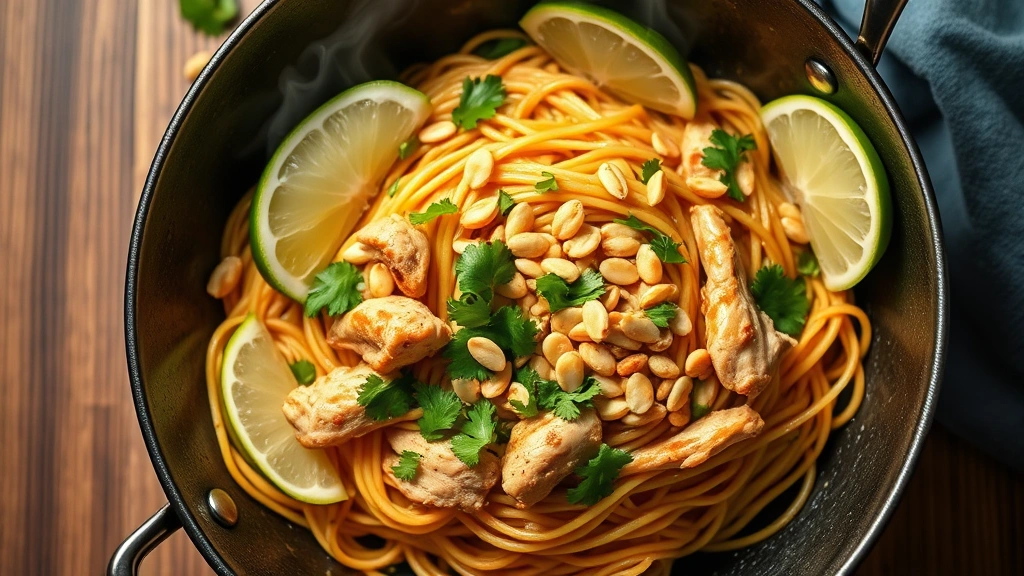
Chicken Pad Thai Recipe: Master Authentic Thai Cooking at Home
Chicken pad thai stands as one of Thailand’s most iconic dishes, beloved worldwide for its perfect balance of sweet, sour, salty, and spicy flavors. This stir-fried noodle masterpiece combines tender chicken, chewy rice noodles, and vibrant vegetables in a glossy tamarind sauce that keeps home cooks coming back for more. Whether you’re craving Thai takeout or looking to expand your culinary repertoire, mastering this authentic chicken pad thai recipe will transform your weeknight dinners into restaurant-quality meals.
The beauty of chicken pad thai lies in its simplicity and versatility. Once you understand the fundamental techniques and ingredient ratios, you’ll discover how easy it is to recreate this beloved dish in your own kitchen. This comprehensive guide walks you through every step, from sourcing authentic ingredients to executing the perfect wok technique, ensuring your homemade pad thai rivals any Thai restaurant.
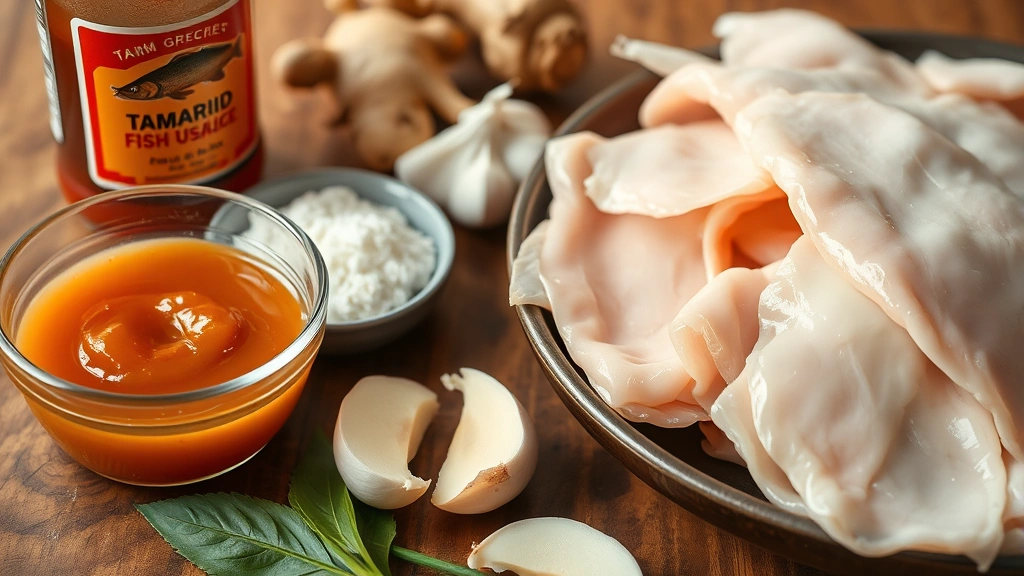
Essential Ingredients for Authentic Chicken Pad Thai
Creating an authentic chicken pad thai recipe begins with gathering quality ingredients. The foundation of this dish rests on several key components that work in harmony to create the signature flavor profile. Understanding each ingredient’s role helps you make informed substitutions when necessary and appreciate the complexity of Thai cuisine.
For the noodles, you’ll need 8 ounces of dried rice noodles, preferably about 1/4 inch wide. These provide the chewy texture essential to pad thai. Soak them in room-temperature water for 30 minutes before cooking, which softens them without making them mushy. The sauce requires 3 tablespoons of tamarind paste, the ingredient that gives pad thai its distinctive tangy flavor. Fish sauce, a cornerstone of Thai cooking, adds umami depth—use 3 tablespoons of high-quality fish sauce. Palm sugar or brown sugar (2 tablespoons) balances the sourness with subtle sweetness.
For the protein, use 1 pound of boneless, skinless chicken breasts, sliced thin for quick cooking. The vegetables include 2 cups of fresh bean sprouts, 3 green onions (cut into 2-inch pieces), 1 cup of shredded carrots, and 1/2 cup of diced red bell pepper. Aromatics consist of 3 cloves of minced garlic and 1 tablespoon of fresh minced ginger. For cooking, you’ll need 3 tablespoons of neutral oil (vegetable or peanut oil works best), 2 eggs, and garnishes including crushed peanuts, cilantro, lime wedges, and dried red chili flakes.
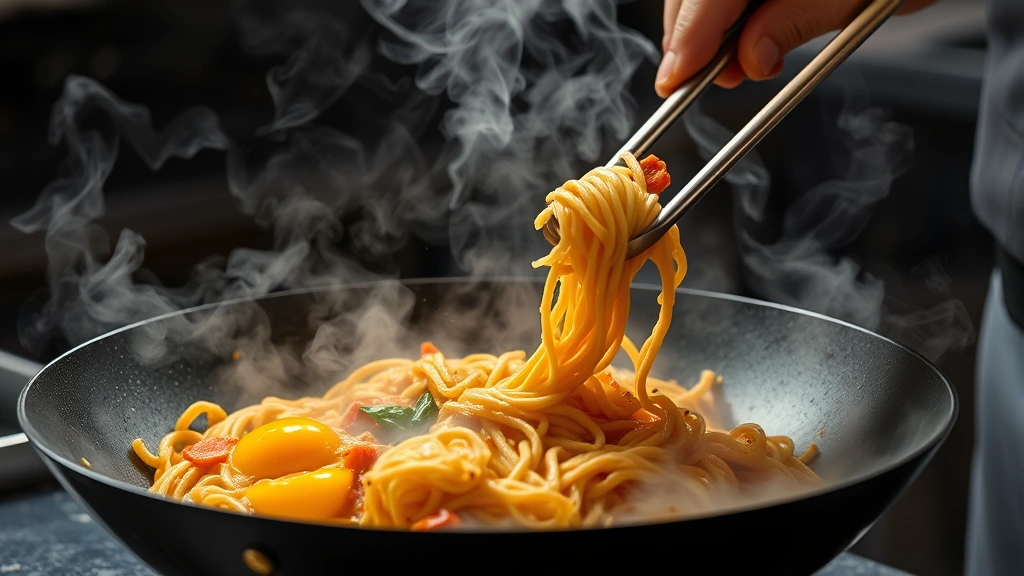
Preparation Steps: Setting Yourself Up for Success
Proper mise en place—having all ingredients prepped and ready before cooking—separates successful pad thai from mediocre attempts. This preparation phase is crucial because the actual cooking happens rapidly, and you won’t have time to chop vegetables once the wok heats up.
Begin by soaking your rice noodles in room-temperature water for approximately 30 minutes. They should become pliable but still slightly firm, as they’ll continue cooking in the wok. Drain them thoroughly and set aside. While noodles soak, slice your chicken breasts into thin strips, approximately 1/4 inch thick. Uniform sizing ensures even cooking. Mince your garlic and ginger together, creating an aromatic paste that distributes flavor throughout the dish.
Next, prepare your vegetables. Shred carrots using a box grater or vegetable peeler, dice red bell peppers into small pieces, and cut green onions into 2-inch segments. Keep bean sprouts separate—you’ll add these at the very end to maintain their crisp texture. In a small bowl, combine your sauce ingredients: tamarind paste, fish sauce, palm sugar, and 2 tablespoons of water. Stir until the sugar dissolves completely. Taste and adjust seasonings to your preference—more tamarind for tanginess, more fish sauce for umami, or more sugar for sweetness.
Crack your eggs into a small bowl and beat lightly. Have your peanut oil readily accessible near your cooking station. Arrange all ingredients within arm’s reach of your stove, organized in the order you’ll use them. This organization prevents scrambling during the high-heat cooking process.
Cooking Technique Mastery: The Wok Method
The wok cooking technique separates authentic pad thai from simplified versions. A traditional wok, with its rounded bottom and sloped sides, creates the ideal surface for tossing ingredients quickly while maintaining high heat. If you don’t have a wok, a large skillet works acceptably, though you’ll lose some of the theatrical tossing action.
Heat your wok or skillet over medium-high heat for 2-3 minutes until it’s quite hot. Add 1 tablespoon of oil and swirl to coat the cooking surface. Once the oil shimmers, add your minced chicken in a single layer. Resist the urge to stir immediately—let the chicken sear for 2-3 minutes, developing a light golden crust. Stir and continue cooking until the chicken reaches an internal temperature of 165°F (74°C), approximately 6-8 minutes total. Transfer to a clean plate.
Add the remaining 2 tablespoons of oil to the wok. When it shimmers, add your garlic and ginger mixture, stirring constantly for about 30 seconds until fragrant. The quick cooking prevents burning while releasing essential oils. Add your drained noodles, breaking them apart with your cooking utensils as they warm. Toss continuously for 2-3 minutes, allowing the noodles to separate and heat through evenly.
Create a well in the center of the noodles and pour in your beaten eggs. Let them set for about 20 seconds, then scramble and mix throughout the noodles. This technique distributes egg evenly, creating creamy texture without clumps. Pour your prepared sauce over the noodle mixture and toss vigorously for 2-3 minutes, ensuring every strand gets coated. The sauce should reduce slightly and cling to the noodles.
Return the cooked chicken to the wok along with your carrots and bell peppers. Toss everything together for 1-2 minutes, allowing the vegetables to soften slightly while maintaining some crunch. Remove from heat and fold in your green onions and bean sprouts gently—the residual heat will warm them without compromising their crisp texture. The entire cooking process from cold wok to finished dish takes approximately 15-20 minutes.
Understanding proper wok technique transforms your cooking. High heat, constant movement, and precise timing create the characteristic texture and flavor integration that defines authentic pad thai. If you’re interested in exploring other quick-cooking Asian techniques, discovering innovative kitchen techniques can expand your culinary skills.
Serving and Garnishing Your Pad Thai
Presentation and final garnishes elevate your chicken pad thai from homemade to restaurant-quality. Transfer your finished pad thai to a serving platter or individual bowls while it’s still hot. The heat ensures maximum flavor impact and prevents the noodles from sticking together as they cool.
Arrange your garnishes in separate small bowls, allowing diners to customize their experience. Crushed roasted peanuts add nutty richness and textural contrast. Fresh cilantro leaves provide bright, herbaceous notes that complement the sweet and sour sauce. Lime wedges offer additional sourness for those preferring extra tanginess. Dried red chili flakes or fresh Thai chilies cater to heat preferences, as spice tolerance varies among diners.
The traditional presentation includes a lime wedge on the side of each serving and a generous handful of crushed peanuts scattered across the top. Cilantro sprigs add visual appeal and aroma. Some Thai restaurants serve pad thai with a small plate of additional garnishes, allowing diners to adjust flavors and textures to their preference. This customizable approach respects individual taste preferences while maintaining the dish’s integrity.
Serve immediately while noodles retain their optimal texture. Pad thai doesn’t hold well after cooking—the noodles continue absorbing moisture and become increasingly soft. If you need to make this dish ahead, prepare components separately and combine just before serving.
Recipe Variations and Adaptations
While chicken provides classic protein, pad thai’s versatility accommodates numerous variations. Shrimp pad thai substitutes large shrimp (16-20 count) for chicken, cooking them just until pink and opaque, approximately 3-4 minutes. Vegetarian pad thai replaces animal proteins with pressed tofu cubes or additional vegetables like broccoli, snap peas, and mushrooms. Beef pad thai uses thinly sliced flank steak or sirloin, cooked just until medium-rare to maintain tenderness.
For dietary modifications, low-sodium pad thai reduces fish sauce and adds extra tamarind and lime juice for flavor. Gluten-free pad thai ensures your rice noodles are certified gluten-free and uses tamari instead of regular soy sauce if you include soy. Those avoiding sugar can substitute honey, agave, or sugar alcohols for palm sugar, though the flavor profile shifts slightly.
Regional variations exist throughout Thailand. Northern Thai pad thai often includes more vegetables and less sauce, while southern versions incorporate more heat and coconut milk. Bangkok-style pad thai, the most common internationally, represents the balanced approach covered in this recipe. Experimenting with these variations helps you discover personal preferences and understand Thai regional cuisine diversity.
Pro Tips for Authentic Chicken Pad Thai Success
Ingredient sourcing matters significantly. Visit Asian markets for authentic tamarind paste and fish sauce—these items dramatically impact final flavor. Supermarket substitutes often taste off or contain unwanted additives. Quality matters, especially with ingredients used in small quantities but featuring prominently in the final flavor profile.
Rice noodle selection affects texture. Look for dried rice noodles specifically labeled for pad thai—these are approximately 1/4 inch wide. Thinner rice vermicelli or wider chow fun noodles create different textural experiences. Once you understand the standard, experimenting with noodle varieties becomes fun.
Don’t overcrowd your wok. If cooking for more than four people, make pad thai in batches rather than attempting everything simultaneously. Overcrowding lowers the wok temperature, causing steaming instead of stir-frying. This results in soft, mushy noodles rather than the characteristic slightly chewy texture.
Balance your sauce carefully. Taste as you go, adjusting tamarind, fish sauce, and sugar to your preference. Thai cuisine celebrates bold flavors—your pad thai should make a statement. If it tastes flat or one-dimensional, you likely need more of one component. Tamarind adds tartness, fish sauce adds savory depth, and sugar adds roundness.
Cook the chicken properly. Slice it thin and cook it briefly to maintain tenderness. Overcooked chicken becomes dry and stringy, negatively impacting the entire dish. If you’re nervous about undercooked chicken, use a meat thermometer—165°F (74°C) indicates safe internal temperature.
Embrace the eggs. This ingredient often gets overlooked by home cooks, but eggs create the creamy texture that distinguishes authentic pad thai. The eggs coat the noodles and create a silky mouthfeel. Don’t skip this step or reduce the quantity.
Keep your wok hot. Temperature is your friend in stir-frying. A properly heated wok creates the signature slightly caramelized exterior on ingredients while maintaining crisp interiors. Invest in a quality wok or large skillet and preheat it adequately.
For those interested in exploring other cuisines and techniques, learning food science fundamentals enhances your understanding of why certain cooking methods work. Additionally, professional cooking guides offer valuable insights into technique refinement.
Frequently Asked Questions About Chicken Pad Thai
Can I make pad thai without tamarind paste?
Tamarind provides pad thai’s signature sour note. While you can substitute lime juice or rice vinegar, the flavor changes noticeably. If you must substitute, use equal parts lime juice and rice vinegar to approximate tamarind’s complexity. However, seeking authentic tamarind paste from an Asian market is highly recommended—it’s worth the effort.
Is fish sauce really necessary in pad thai?
Fish sauce provides essential umami depth that makes pad thai taste authentic. For vegetarian versions, soy sauce or miso paste can substitute, though the flavor profile differs. The strong smell of fish sauce dissipates during cooking, leaving only savory depth. Don’t judge fish sauce by its raw aroma—trust the cooking process.
How do I keep my pad thai noodles from getting mushy?
Properly soaking noodles in room-temperature water for 30 minutes (not boiling them) prevents mushiness. The noodles should be slightly firm when added to the wok, as they continue cooking briefly in the hot pan. Also, don’t overcrowd the wok—this causes steaming rather than stir-frying. Finally, work quickly once you add the sauce to prevent the noodles from absorbing excess liquid.
Can I prepare pad thai in advance?
Pad thai is best served immediately after cooking. However, you can prep all ingredients ahead—slice chicken, prepare vegetables, soak noodles, and mix sauce. Store components separately in the refrigerator. When ready to eat, the actual cooking takes only 15-20 minutes. This approach works well for meal prep or entertaining.
What’s the best way to reheat leftover pad thai?
Reheated pad thai often becomes mushy and loses texture. If you have leftovers, store them in an airtight container for up to three days. Reheat in a wok or skillet over medium-high heat with a splash of water, tossing gently until warmed through. The texture won’t match freshly cooked pad thai, but this method minimizes deterioration. Alternatively, eat leftovers cold as a noodle salad.
How spicy should authentic pad thai be?
Authentic pad thai isn’t inherently spicy—it’s balanced and savory with optional heat. Traditional recipes include chili as a garnish that diners add according to preference. If you prefer heat, incorporate fresh Thai chilies or chili paste into the sauce. Most restaurants serve pad thai mild-to-medium, with heat options available.
What’s the difference between pad thai and other Thai noodle dishes?
Pad thai uses dried rice noodles and tamarind-based sauce, distinguishing it from pad see ew (thick soy sauce and dark soy sauce) or pad krapow (holy basil and meat). Each dish has distinct flavor profiles and ingredient lists. Understanding these differences helps you order correctly at Thai restaurants and experiment with variety at home.
Can I use fresh rice noodles instead of dried?
Fresh rice noodles work but create a different texture—they’re softer and more delicate. If using fresh noodles, reduce cooking time significantly and handle gently to prevent breaking. Dried rice noodles provide the characteristic chewy texture most people associate with pad thai, making them the preferred choice.


