Ultimate Chicken Seasoning: Flavor Expert Tips & Recipes
Chicken is the canvas of the culinary world—versatile, affordable, and endlessly adaptable. But what truly transforms a plain bird into a memorable meal? The right chicken seasoning recipe. Whether you’re a weeknight cook seeking simplicity or a home chef pursuing restaurant-quality results, mastering chicken seasoning is non-negotiable. This guide reveals professional techniques, ingredient combinations, and foolproof methods that elevate chicken from ordinary to extraordinary.
The beauty of chicken seasoning lies in its flexibility. Unlike proteins with assertive flavors, chicken welcomes bold spice blends, delicate herb infusions, and complex marinades. Understanding the science behind flavor layering—how salt penetrates muscle fibers, how acid tenderizes, how fat carries flavor—transforms you from someone who seasons chicken to someone who creates it with intention. Let’s unlock the secrets that professional chefs use daily.
The Science of Seasoning Chicken
Before mixing a single spice, understand how flavors actually adhere to and penetrate chicken. Salt is the foundation—it’s not just about taste. Sodium chloride breaks down myofibril proteins, allowing moisture retention and creating a more tender, juicy final product. This is why brining (a saltwater solution) has been used for centuries. When salt dissolves in water, it creates an ionic solution that penetrates muscle tissue, fundamentally improving texture.
Acid—whether from lemon juice, vinegar, or yogurt—serves multiple purposes in chicken seasoning recipes. It denatures proteins on the surface, tenderizing the meat while adding brightness. Enzymes in pineapple, papaya, and ginger naturally break down proteins, making these ingredients valuable in marinades. Fat carries fat-soluble flavor compounds; this is why oil-based marinades cling better than water-based ones.
Timing matters profoundly. Dry seasoning works differently than wet marinades. A simple salt-and-pepper crust needs only 15-40 minutes to penetrate; complex spice blends benefit from 2-4 hours for flavor integration. Overnight marinades create deeper penetration, though extended soaking beyond 24 hours can make chicken mushy.
Temperature affects seasoning perception too. Cold chicken masks flavors; room-temperature chicken expresses them fully. This is why professional tasters evaluate food at specific temperatures. When you’re seasoning raw chicken, account for how heat will concentrate and mellow certain flavors.
Essential Spice Blends Every Cook Needs
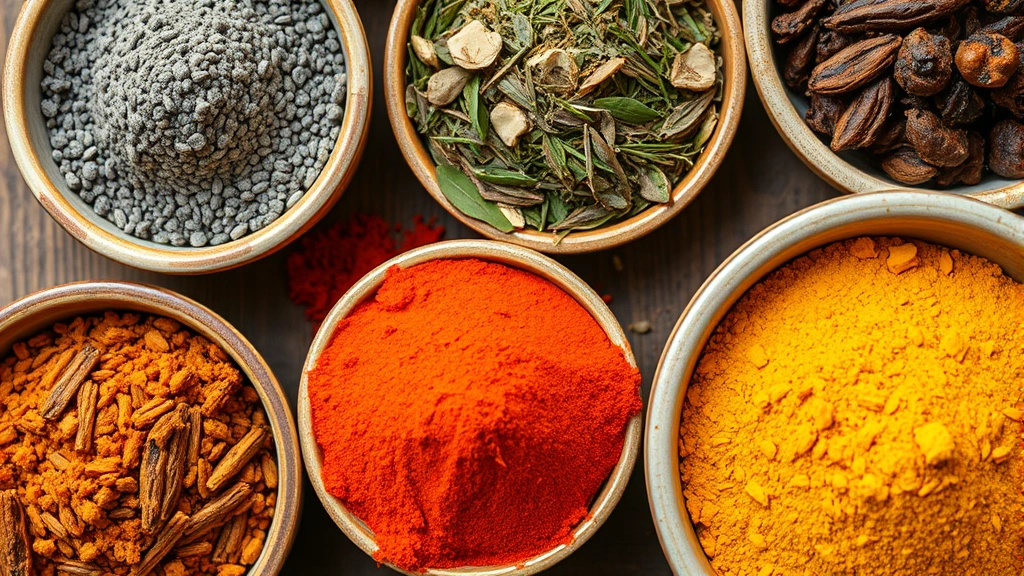
Rather than memorizing endless combinations, master five fundamental blends that cover 80% of chicken applications. These are your building blocks—understand them, and you’ll instinctively know how to adapt.
The Classic French Blend
This understated approach respects chicken’s delicate nature. Combine equal parts dried thyme, oregano, and tarragon with kosher salt and cracked black pepper. Add a pinch of garlic powder—not too much, as it can become acrid when cooked. This blend is perfect for easy dinner recipes for beginners because it’s forgiving and produces consistently excellent results.
The Warm Mediterranean Blend
Toast whole cumin seeds, coriander seeds, and fennel seeds in a dry pan until fragrant (about 2 minutes). Grind them coarsely, then mix with smoked paprika, dried oregano, kosher salt, and fresh cracked pepper. Add a squeeze of lemon zest if using immediately. This blend introduces depth and works beautifully with recipes with shredded chicken for grain bowls or salads.
The Spicy Indian-Inspired Blend
This requires more components but delivers restaurant-quality results. Toast equal parts cumin, coriander, and fenugreek seeds, then grind and mix with turmeric, ginger powder, garlic powder, cayenne (adjust to heat preference), and sea salt. The warm spices create complexity; the cayenne provides heat that doesn’t overshadow the chicken.
The Smoky Southwestern Blend
Combine smoked paprika, ground cumin, chili powder, oregano, garlic powder, onion powder, salt, and a touch of brown sugar. The sugar balances heat while caramelizing beautifully during cooking. This blend is assertive enough to stand up to bold accompaniments.
The Herbaceous Green Blend
Finely chop fresh parsley, basil, and dill, then mix with salt, cracked pepper, garlic, and a touch of lemon zest. This blend works best applied just before cooking or immediately after, as fresh herbs lose potency with extended heat exposure. It’s ideal for grilled or pan-seared chicken.
Pro tip: Store spice blends in airtight containers away from heat and light. Whole spices last 3-4 years; ground spices deteriorate within 6-12 months. If your blend smells faint or dusty, it’s time to refresh.
Dry Rub Techniques for Maximum Flavor
Dry rubs are the fastest, most foolproof method for seasoning chicken. Unlike marinades, they require no advance planning and work beautifully on skin-on pieces.
Building Your Perfect Dry Rub
Start with a base: kosher salt (about 1 tablespoon per pound of chicken) and freshly cracked black pepper. Add sweet elements—brown sugar or honey powder add complexity and encourage browning. Include aromatics: garlic powder, onion powder, and dried ginger. Layer in spices: paprika for color and mild flavor, cumin for earthiness, and cayenne for heat (optional). Finally, add fresh or dried herbs: thyme, oregano, or rosemary.
A winning formula: 2 tablespoons kosher salt, 1 tablespoon brown sugar, 2 teaspoons smoked paprika, 1 teaspoon garlic powder, 1 teaspoon onion powder, 1 teaspoon ground cumin, 1/2 teaspoon cayenne, 1 teaspoon dried thyme, 1/2 teaspoon cracked black pepper. This makes enough for 4-5 pounds of chicken.
Application Method
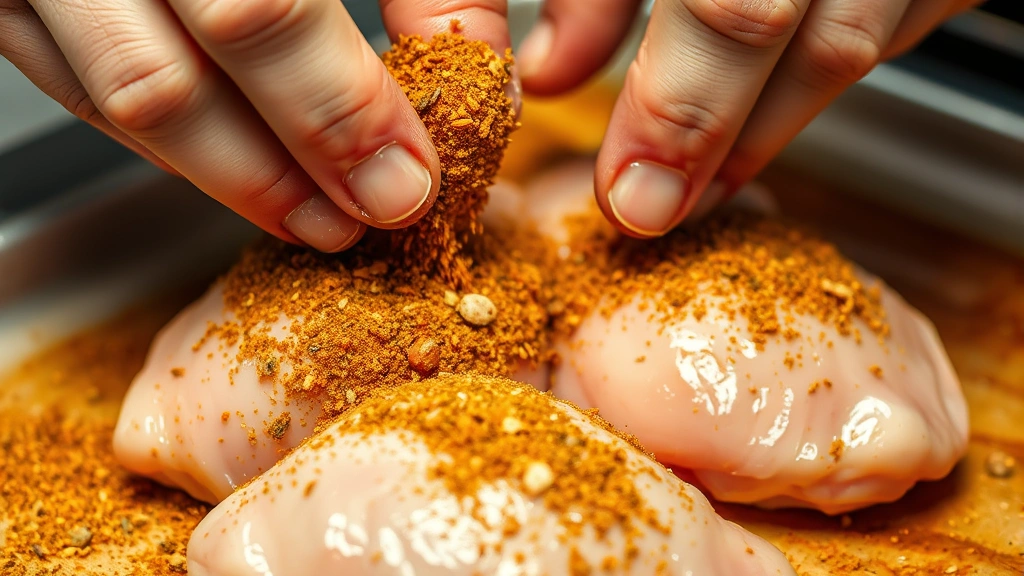
Pat chicken completely dry—moisture prevents the rub from adhering. For skin-on pieces, lift the skin gently and apply rub directly to the meat, then coat the skin. For boneless chicken, apply generously to all surfaces. Use about 1 tablespoon of rub per pound of chicken. Let it sit at room temperature for 15-40 minutes before cooking, allowing flavors to begin penetrating.
For deeper flavor, apply the rub, wrap in plastic, and refrigerate 4-12 hours. Remove from refrigeration 30 minutes before cooking to allow chicken to reach closer to room temperature.
Cooking Your Dry-Rubbed Chicken
High heat is your ally. Whether grilling, roasting, or pan-searing, aim for surface temperatures around 400-450°F initially. This creates the Maillard reaction—the chemical process that browns food and creates complex flavors. The dry rub’s sugars caramelize, spices toast, and the chicken develops a flavorful crust while remaining juicy inside.
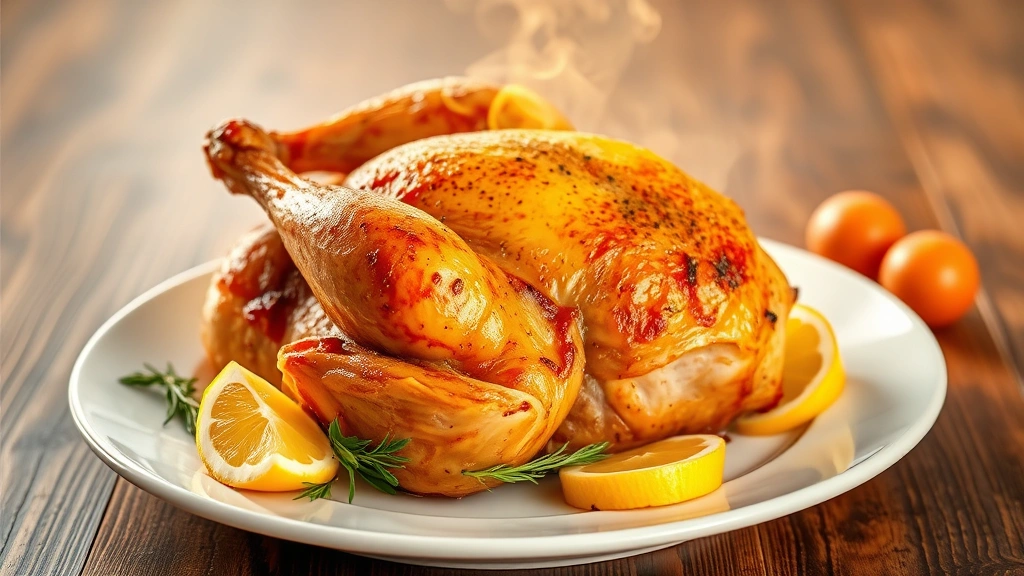
For whole chickens, roast at 425°F for approximately 1 hour 15 minutes (depending on size), rotating halfway through. For breasts, pan-sear at medium-high heat for 6-7 minutes per side. For thighs, roast at 400°F for 35-40 minutes until skin is crispy and internal temperature reaches 165°F.
Marinade Methods That Transform Texture
Marinades are liquid seasonings that penetrate chicken over time, tenderizing and flavoring simultaneously. The best marinades contain three components: acid, fat, and flavor.
The Acid Component
Acid denatures proteins and tenderizes meat. Choose from lemon or lime juice (bright, assertive), vinegar (complex, preserving), yogurt (mild, tenderizing), or wine (nuanced, sophisticated). Use 1/4 to 1/2 cup acid per marinade batch.
The Fat Component
Fat carries flavor and helps seasonings adhere. Use olive oil, sesame oil, or neutral oil. Include 1/4 to 1/2 cup fat per marinade. Beyond flavor transport, fat slows the acid’s penetration, preventing the exterior from becoming mushy while the interior remains underdeveloped.
The Flavor Component
This is where creativity flourishes. Combine aromatics (garlic, ginger, onion), spices (whole or ground), and fresh herbs (cilantro, basil, parsley). Add sweetness if desired—honey, brown sugar, or soy sauce. Salt is crucial; use about 1 teaspoon per cup of marinade.
Sample Marinades
Asian-Inspired: 1/4 cup soy sauce, 2 tablespoons sesame oil, 2 tablespoons rice vinegar, 3 minced garlic cloves, 1 tablespoon grated ginger, 1 teaspoon honey, 1/2 teaspoon red pepper flakes. Marinate 4-8 hours.
Mediterranean: 1/2 cup olive oil, 1/4 cup lemon juice, 4 minced garlic cloves, 1 tablespoon Dijon mustard, 1 teaspoon dried oregano, 1 teaspoon dried thyme, salt and pepper to taste. Marinate 2-6 hours.
Tandoori-Style: 1 cup plain yogurt, 3 tablespoons oil, juice of 1 lime, 2 tablespoons grated ginger, 4 minced garlic cloves, 1 tablespoon garam masala, 1 teaspoon turmeric, 1/2 teaspoon cayenne, salt to taste. Marinate 6-12 hours for best results.
Marinating Best Practices
Always use non-reactive containers—glass, ceramic, or food-grade plastic. Metal can react with acids. Submerge chicken completely in marinade. If using a bag, remove excess air and flip occasionally. Never marinate at room temperature for extended periods; keep refrigerated. Most marinades work optimally between 4-8 hours. Overnight (12-24 hours) is acceptable for most recipes, but beyond that, the exterior can become mushy while the interior remains underdeveloped.
Save a portion of marinade before adding raw chicken if you want to use it as a finishing sauce. Otherwise, discard used marinade due to food safety concerns. If you must use it, boil it for at least 3 minutes to eliminate pathogens.
Pat chicken dry before cooking, even after marinating. Excess moisture creates steam, preventing proper browning. The marinade flavors have already penetrated; you don’t need additional moisture on the surface.
Regional Seasoning Profiles
Different culinary traditions have developed signature approaches to chicken seasoning. Understanding these profiles expands your repertoire.
French Technique
French cuisine emphasizes restraint and technique over aggressive seasoning. Classic French chicken seasoning relies on simple salt, pepper, herbs de Provence (thyme, marjoram, rosemary, savory), and butter. Cooking method matters as much as seasoning—poaching chicken in stock, pan-roasting with aromatics, or braising in wine sauce. The liquid becomes the seasoning vehicle, developing complexity through slow cooking.
Indian Approach
Indian chicken seasoning celebrates complex spice layering. Rather than single-note flavors, Indian techniques build depth through toasting whole spices, blooming spices in oil or ghee, and combining warm spices (cinnamon, cardamom, cloves) with hot spices (cayenne, black pepper). Ginger and garlic are foundational aromatics. Yogurt marinades are common, providing both tenderization and flavor.
Mexican & Latin American Style
This tradition emphasizes chilies in various forms—fresh, dried, and powdered. Cumin, oregano, and garlic are staples. Citrus (lime, orange) provides brightness. Techniques include adobo marinades (dried chiles ground into paste), mole seasonings (complex blends with chocolate and spices), and simple lime-cilantro rubs. The approach is bold and layered.
Asian Techniques
Asian seasonings for chicken vary dramatically by region. Thai cuisine uses galangal, lemongrass, and Thai chiles. Chinese cooking emphasizes soy sauce, ginger, garlic, and sesame oil. Japanese approaches are more delicate, often using mirin (sweet rice wine), sake, and subtle spicing. Vietnamese cuisine combines lime, fish sauce, chilies, and fresh herbs. Korean traditions feature gochujang (chili paste), soy sauce, and sesame.
Mediterranean & Middle Eastern
This region favors olive oil-based marinades with lemon, garlic, oregano, and thyme. Sumac (a tangy spice), za’atar (herb blend), and pomegranate molasses add complexity. Cumin and coriander are common. Cooking methods include grilling over charcoal and roasting in clay vessels. The approach balances acidity, herbaceousness, and subtle spicing.
Timing & Temperature Secrets
Even perfect seasoning fails without proper cooking technique. Temperature control is non-negotiable.
Internal Temperature Guidelines
Chicken is safely cooked at 165°F (74°C) internal temperature, measured at the thickest part without touching bone. Use an instant-read thermometer for accuracy. Dark meat (thighs, legs) can tolerate 170-175°F; white meat (breasts) is best at 160-165°F to prevent drying. Cooking to exact temperature prevents both undercooking and overcooking.
Resting Period Importance
After cooking, rest chicken for 5-10 minutes before cutting. During cooking, heat forces juices toward the center. Resting allows these juices to redistribute throughout the meat, resulting in juicier chicken. Without resting, you’ll cut into chicken and see juices flowing onto the plate—those are flavors and moisture lost.
Cooking Methods & Seasoning Interaction
Pan-Searing: High heat creates crust development. Season 15-30 minutes before; this allows salt to penetrate slightly without creating surface moisture. Use medium-high heat (around 375°F) for optimal browning.
Grilling: High, direct heat requires well-seasoned chicken. Dry rubs excel here. Season 30-45 minutes before grilling. Oil grates well to prevent sticking and create grill marks that indicate proper browning.
Roasting: Lower, indirect heat allows deeper seasoning penetration. Season 1-4 hours before roasting for whole birds; 15-30 minutes for pieces. Roasting at 425°F creates better browning than lower temperatures while keeping chicken moist.
Poaching: Gentle cooking in seasoned liquid (stock, broth) seasons chicken from the inside out. This method works beautifully when you’ll use the chicken in other applications, like recipes with shredded chicken for salads or sandwiches.
Slow Cooking: Extended, low-temperature cooking allows flavors to meld deeply. Liquid-based seasonings (sauces, gravies) work better than dry rubs. Cook on low for 6-8 hours, allowing spices to infuse thoroughly.
Adjusting Seasoning During Cooking
Season in layers. Apply initial seasoning before cooking, then taste the cooking liquid or pan drippings halfway through. Adjust as needed. After cooking, taste before serving and add finishing touches—fresh herbs, a squeeze of lemon, or fleur de sel (finishing salt) for texture and brightness.
Never taste raw chicken for seasoning verification. Instead, cook a small piece separately, cool it, and taste. This prevents foodborne illness risk.
Advanced Techniques from Professional Chefs
Professional kitchens use techniques that home cooks can easily adopt. Serious Eats and other culinary resources document these methods extensively.
Brining for Moisture Retention
A basic brine is 1/4 cup salt per gallon of water, with aromatics (garlic, peppercorns, herbs, bay leaves) added for flavor. Submerge chicken completely and refrigerate 8-16 hours. The salt solution penetrates muscle tissue, allowing it to retain moisture during cooking. After brining, pat chicken dry and season with your chosen blend. The brining process counts as primary seasoning, so use less additional salt.
Spice Blooming in Fat
Heat oil or ghee, add whole spices, and cook for 30-60 seconds until fragrant. This blooming process releases essential oils, intensifying flavors. Immediately add aromatics (garlic, ginger) or your chicken, preventing spices from burning. This technique, common in Indian and Southeast Asian cooking, creates deeper flavor than raw spices.
Compound Butters
Mix softened butter with minced herbs, spices, and aromatics. Place under the skin of chicken before roasting or on top after cooking. The butter melts, distributing flavors throughout. Try combinations like rosemary-garlic, herb-lemon, or spicy chili-lime. Make compound butter ahead and freeze in portions for convenient seasoning applications.
Pan Sauce Development
After pan-searing chicken, don’t discard the flavorful fond (browned bits) on the pan. Deglaze with wine, stock, or citrus juice, scraping to loosen fond. Reduce by half, then mount with butter or add cream. This sauce, built from your chicken’s seasoning, provides finishing flavor. The Culinary Institute of America teaches this foundational technique to all students.
Dry Brining (Salt-Curing)
Apply salt directly to chicken, refrigerate uncovered for 6-48 hours. The salt dissolves into a brine on the surface, which reabsorbs into the meat. This method is superior to wet brining for skin-on chicken because the skin stays drier, allowing better browning. Use about 1 tablespoon salt per pound of chicken.
Seasoning Chicken for Different Cooking Applications
The best seasoning approach depends on how you’ll ultimately use the chicken. When preparing recipes with shredded chicken, slightly overseasoning is wise because shredding distributes flavors throughout. For simple grilled chicken that stands alone, more restraint is appropriate.
Rotisserie-Style Chicken
Use a comprehensive dry rub with sweet elements (brown sugar), savory spices (garlic, onion powder), and color-enhancing paprika. Apply under the skin and on the exterior. The rotation during cooking ensures even seasoning distribution. Internal basting with seasoned butter or oil enhances flavor and moisture.
Chicken for Soups & Stocks
Season lightly before cooking. The cooking liquid becomes your primary seasoning vehicle. Aromatic vegetables (onion, celery, carrot), herbs (thyme, bay leaf, parsley), and spices added to the broth develop flavor slowly. This approach, detailed in ChefSteps guides, creates clean, developed flavors.
Chicken for Salads
Season more assertively than you might for standalone chicken, as dressing and vegetables dilute flavors. Acid-based marinades work beautifully. Cook chicken, slice or shred it while warm so it absorbs flavors, then chill. The cold temperature will mute flavors slightly, so the initial seasoning should be pronounced.
Chicken for Tacos & Sandwiches
Use bold, spice-forward seasonings. These applications pair with assertive accompaniments (salsa, hot sauce, pickled vegetables), so don’t hold back. Shredding distributes seasoning throughout, ensuring every bite is flavorful.
Chicken for Kids or Sensitive Palates
Focus on fundamental flavors: salt, pepper, garlic, and gentle herbs like parsley or mild paprika. Avoid heat-forward spices unless the individual enjoys them. Butter-based cooking methods (pan-roasting, basting) add richness that appeals to many. Easy dinner recipes for beginners often succeed because they employ this restrained approach.
Storage & Make-Ahead Strategies
Seasoned chicken can be prepared ahead for convenient weeknight cooking. Season raw chicken, wrap tightly, and refrigerate up to 24 hours. The seasoning penetrates slowly, enhancing flavor. Alternatively, cook and season chicken, then refrigerate up to 4 days. Reheat gently to preserve moisture.
Freeze seasoned raw chicken for up to 3 months. Pat dry, apply seasoning, wrap tightly in plastic, then foil. Thaw in the refrigerator before cooking. Freezing doesn’t harm seasoning compounds; they remain potent.
Cooked, seasoned chicken freezes well for up to 3 months. Cool completely before wrapping. Shredded chicken is particularly convenient—freeze in portion sizes, then thaw and use in various applications.
FAQ
Can I oversalt chicken during seasoning?
Yes, but it’s harder than most home cooks think. Salt is cumulative—if you salt raw chicken, then the cooking liquid, then add a sauce, you’re compounding salt. Start conservatively with raw chicken (about 1 teaspoon per pound), then taste and adjust after cooking. Remember that cold chicken tastes less salty than warm chicken, so account for this when seasoning.
How long should I marinate chicken?
Most marinades work optimally between 4-8 hours. Overnight (12-24 hours) is acceptable. Beyond 24 hours, acid can break down muscle proteins excessively, creating a mushy texture. If using a yogurt-based marinade with high acid content, 6-12 hours is ideal. For oil-based marinades with minimal acid, 24 hours is fine.
Should I season chicken before or after cooking?
Both approaches work, but seasoning before cooking is superior. Salt applied to raw chicken penetrates muscle tissue, improving texture and flavor distribution. Season 15 minutes to 4 hours before cooking, depending on the method and seasoning type. You can also season after cooking for finishing touches—fresh herbs, fleur de sel, or acid—but don’t rely solely on post-cooking seasoning.
What’s the difference between dry rubs and marinades?
Dry rubs are spice mixtures applied directly to chicken, creating a flavorful crust during cooking. They’re quick, mess-free, and ideal for skin-on pieces. Marinades are liquid seasonings that penetrate muscle tissue over hours, tenderizing while flavoring. Marinades are better for boneless chicken and create more uniform flavor distribution. Choose based on your cooking method and timeline.
Can I use the same seasoning for all chicken parts?
Yes, but adjust quantities. Dark meat (thighs, legs) has more fat and can handle bolder seasoning. White meat (breasts) is leaner and benefits from slightly lighter seasoning to avoid overwhelming delicate flavor. A single seasoning blend works for all parts; just apply more generously to dark meat if desired.
How do I know if my chicken is properly seasoned?
Taste a small piece cooked separately from the main batch. The seasoning should be noticeable but not overwhelming—you should taste chicken first, seasoning second. If it’s bland, increase salt and spices next time. If it’s too strong, dilute with unseasoned chicken or reduce seasoning quantities. Keeping notes helps you refine your approach over time.
Is it safe to use reserved marinade as a sauce?
Only if you set aside a portion before adding raw chicken. Marinade that contacted raw chicken must be boiled for at least 3 minutes to eliminate pathogens. Alternatively, discard it entirely. Many recipes recommend reserving sauce-portion marinade before combining with chicken—this is the safest approach.
What’s the best way to season a whole chicken?
For whole birds, dry brine (salt cure) for 6-48 hours, then apply your chosen seasoning blend under the skin and on the exterior. The extended salt cure ensures even seasoning throughout the bird. Roast at 425°F, basting occasionally with pan juices. Whole chickens benefit from longer seasoning periods because of their size; plan accordingly.
Can I season frozen chicken?
You can season frozen chicken, but it’s not ideal. Thaw completely in the refrigerator first—this takes 24 hours for most birds but ensures even thawing. Frozen chicken won’t absorb seasonings properly, and you risk uneven cooking. Always thaw before seasoning for best results.
How do fresh herbs compare to dried for chicken seasoning?
Fresh herbs are more delicate and aromatic; use 3 times the quantity of dried herbs. Fresh herbs are best applied near the end of cooking or as finishing touches to preserve their brightness. Dried herbs are more concentrated and stable; use them in rubs and long-cooking applications. For most chicken dishes, combining both—dried herbs in the marinade, fresh as garnish—yields the best results.


