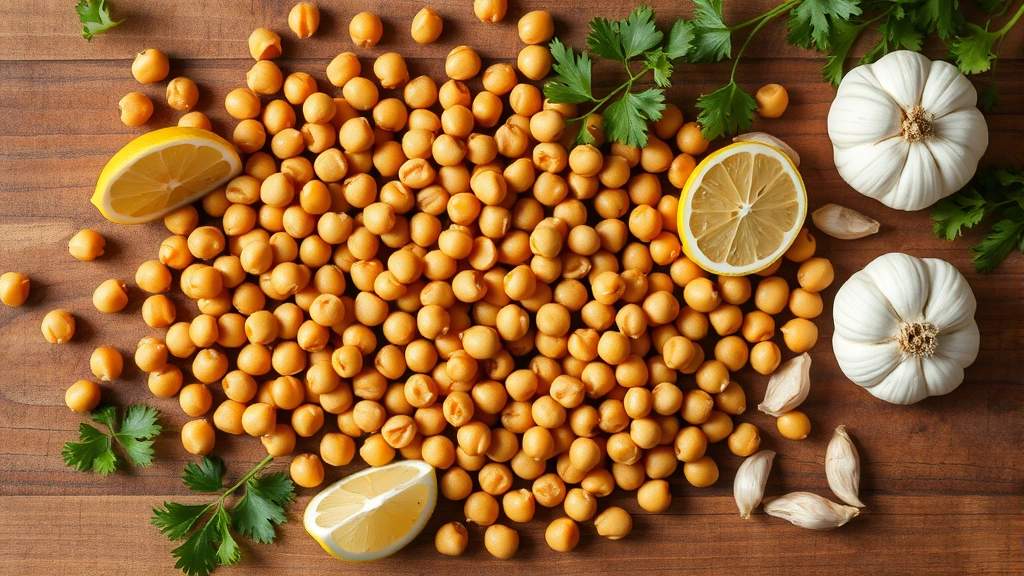
Chickpeas or Garbanzos? A Nutritionist’s Complete Guide to These Versatile Legumes
If you’ve ever stood in the grocery store aisle wondering whether chickpeas and garbanzos are the same thing, you’re not alone. This confusion stems from simple terminology: chickpeas and garbanzos are identical legumes, just called by different names depending on geography and language. The word “garbanzo” comes from Spanish, while “chickpea” is the English term. Understanding this distinction is your first step toward mastering these nutrient-dense powerhouses in your kitchen.
These humble legumes have nourished civilizations for thousands of years, particularly in Mediterranean, Middle Eastern, and Indian cuisines. Today, they’re experiencing a well-deserved resurgence as health-conscious cooks and nutritionists recognize their exceptional nutritional profile. Whether you’re building a plant-based diet, seeking budget-friendly protein sources, or simply looking to expand your culinary repertoire, chickpeas deserve a permanent place in your pantry. This guide will explore everything you need to know about selecting, preparing, and cooking with these versatile beans.
Nutritional Profile and Health Benefits
Chickpeas stand out among legumes for their impressive nutritional density. One cup of cooked chickpeas contains approximately 15 grams of protein, making them an excellent choice for nutritious and delicious meals. This protein content rivals many animal products, making chickpeas particularly valuable for vegetarians and vegans building complete protein profiles.
Beyond protein, these legumes deliver substantial fiber—about 12 grams per cooked cup. This dietary fiber supports digestive health, promotes satiety, and helps regulate blood sugar levels. The fiber content makes chickpeas an ideal ingredient for weight management and metabolic health. Additionally, chickpeas provide essential minerals including iron, manganese, phosphorus, and magnesium, along with B vitamins crucial for energy metabolism.
The nutritional advantages extend to cardiovascular health. Chickpeas contain polyphenols and other antioxidant compounds that combat inflammation and oxidative stress. Regular consumption has been linked to improved cholesterol profiles and reduced blood pressure, according to research from the American College of Sports Medicine. The combination of soluble fiber, plant compounds, and mineral content creates a synergistic effect supporting overall wellness.
For those managing blood sugar, chickpeas offer a low glycemic index score, meaning they release energy gradually without causing blood sugar spikes. This characteristic makes them suitable for diabetic meal planning and sustained energy throughout the day. The resistant starch formed when cooked chickpeas cool provides additional metabolic benefits.
Chickpeas vs Garbanzos: Terminology Explained
The terminology question deserves clear clarification: chickpeas and garbanzos are literally the same legume, scientifically classified as Cicer arietinum. The different names reflect linguistic and regional variations rather than botanical differences. “Garbanzo” derives from the Basque word “garbantzua,” which entered Spanish and subsequently English through Spanish-speaking regions, particularly Mexico and Spain. “Chickpea” evolved from Old French “chiche,” itself derived from Latin.
In North America, “chickpea” dominates culinary vocabulary, while Spanish-speaking countries predominantly use “garbanzo.” International cuisine often uses both terms interchangeably. Understanding this equivalence prevents confusion when following recipes from different cultural traditions. Whether your recipe calls for chickpeas or garbanzos, you’re purchasing identical nutritional powerhouses.
There are, however, different varieties of chickpeas distinguished by size and color. Kabuli chickpeas, the most common type, feature a larger size, cream-colored exterior, and nutty flavor. Desi chickpeas, smaller and darker, are prevalent in Indian cuisine. Both varieties share the same nutritional benefits and can be used interchangeably in most recipes, though cooking times may vary slightly due to size differences.
Selection and Storage Methods
When shopping for dried chickpeas, inspect them carefully for uniformity in color and size. Quality chickpeas should appear whole without cracks or discoloration. Avoid beans with visible mold or insect damage. Store dried chickpeas in airtight containers away from moisture, heat, and direct sunlight. Properly stored dried chickpeas maintain quality for up to one year, though they cook best within six months of harvest.
Canned chickpeas offer convenience for busy cooks. Look for low-sodium options or rinse thoroughly before use to reduce sodium content. Check expiration dates and ensure cans show no signs of damage or bulging. Drain and rinse canned chickpeas under cool water for several minutes to remove excess sodium and the starchy liquid that can cause digestive discomfort.
Fresh chickpeas, available seasonally in some markets, require different handling. Store them in the refrigerator in breathable bags, and use within one week. Frozen chickpeas provide another convenient option, already cooked and ready to incorporate into easy dinner recipes for beginners. Transfer frozen chickpeas to airtight containers and store for up to three months.
For maximum freshness and quality, consider purchasing chickpeas from bulk bins at farmers markets or specialty stores. This approach allows you to inspect individual beans and often provides better pricing than pre-packaged options. Record the purchase date on your storage container for reference.
Preparation Techniques for Perfect Results
Preparing dried chickpeas from scratch yields superior texture and flavor compared to canned alternatives. Begin by sorting through dried chickpeas, removing any stones or debris mixed in during harvesting. Rinse thoroughly under cool running water, using your fingers to gently agitate the beans.
Soaking is the crucial next step. There are two primary methods: overnight soaking and quick soaking. For overnight soaking, place chickpeas in a large bowl and cover with water by three inches. Allow them to sit at room temperature for eight to twelve hours. This method is gentle and produces consistently tender beans with minimal splitting.
Quick soaking works when time is limited. Bring chickpeas and water to a boil in a large pot, then remove from heat. Cover and let stand for one hour before proceeding with cooking. While faster, quick soaking can result in slightly more bean splitting, though this doesn’t affect nutritional value or flavor.
After soaking, discard the soaking water and rinse thoroughly. This step reduces oligosaccharides—compounds responsible for digestive gas—making the cooked beans easier to digest. Don’t skip this step if you want to minimize post-meal discomfort. Some cooks add a piece of kombu seaweed to the soaking water, as compounds in the seaweed further reduce problematic starches.
For those seeking additional digestive support, sprouting chickpeas before cooking enhances nutrient bioavailability and reduces anti-nutrients. Drain soaked chickpeas and spread on a damp cloth, rinsing twice daily for three to four days until tiny sprouts appear. This process increases vitamin C content and makes minerals more absorbable.
Cooking Methods and Timing
Stovetop cooking remains the most straightforward method for preparing chickpeas. Place soaked, drained beans in a large pot and cover with fresh water by two inches. Bring to a boil, then reduce to a gentle simmer. Cook for thirty to forty minutes for Kabuli chickpeas, checking tenderness at the thirty-minute mark. Desi chickpeas require forty-five to fifty-five minutes. Beans are done when you can easily crush one between your fingers without resistance.
Avoid adding salt during cooking, as it can toughen bean skins and extend cooking time. Add salt only after beans reach desired tenderness. This method allows optimal control over the final texture—some prefer firmer beans for salads, while others prefer softer beans for hummus or purees.
Pressure cooking dramatically reduces cooking time, making it ideal for weeknight meal preparation. Add soaked, drained chickpeas to your pressure cooker with water covering by one inch. Cook at high pressure for eight to ten minutes for Kabuli chickpeas, then allow natural pressure release for ten minutes before opening. This method yields tender beans while preserving nutrients that might leach away during extended stovetop cooking.
Slow cooker cooking offers hands-off convenience. Place soaked chickpeas in your slow cooker with three cups water per cup of beans. Cook on low for four to five hours or high for two to three hours. This gentle method produces exceptionally creamy beans and allows you to prepare other components of your meal simultaneously.
For instant preparation using canned chickpeas, simply drain, rinse thoroughly, and incorporate into your dish. They’re immediately ready for salads, curries, or any recipe. This convenience makes canned chickpeas perfect for quick breakfast recipes featuring chickpea-based proteins or fresh plate daily blog meal ideas.
Popular Chickpea Garbanzo Bean Recipes
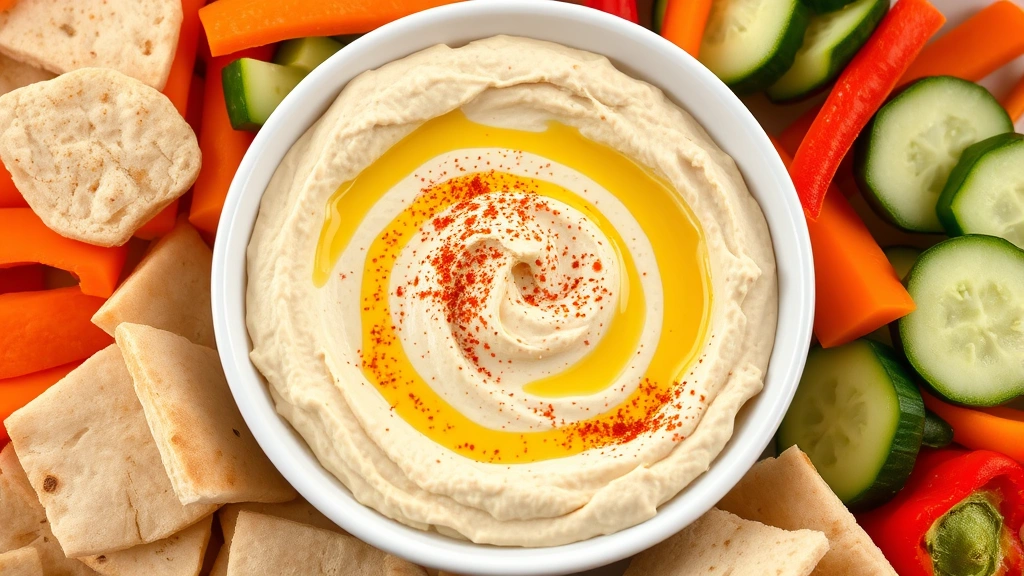
Hummus stands as perhaps the most iconic chickpea preparation worldwide. This creamy Middle Eastern dip combines cooked chickpeas, tahini, lemon juice, garlic, and olive oil. Blend until perfectly smooth, adjusting consistency with reserved cooking water or additional oil. Serve with pita bread, fresh vegetables, or use as a sandwich spread. Homemade hummus surpasses store-bought versions in flavor and freshness while allowing complete control over ingredients.
Chickpea curry represents another globally beloved preparation. Sauté onions, garlic, and ginger in oil, then add curry powder or paste and tomatoes. Add cooked chickpeas and simmer until flavors meld beautifully. This versatile dish pairs with rice, naan, or quinoa. Experiment with different curry pastes—Thai, Indian, or Japanese varieties each create distinct flavor profiles. This recipe exemplifies how healthy food recipes can be both nourishing and exciting.
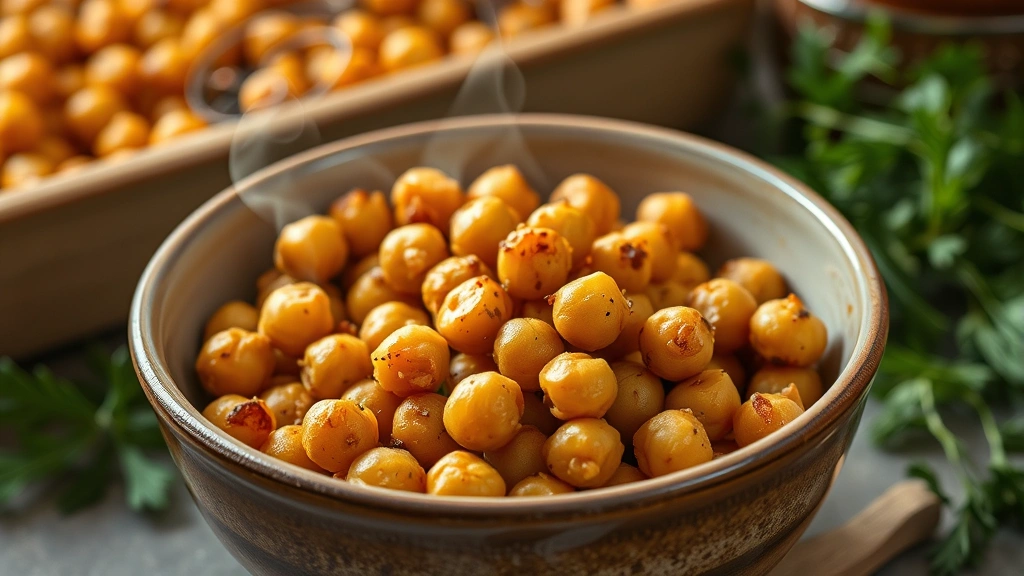
Roasted chickpea snacks offer a crunchy, protein-rich alternative to processed snacks. Drain and thoroughly dry cooked chickpeas, then toss with olive oil and seasonings such as paprika, cumin, or herbs. Spread on a baking sheet and roast at 400°F for twenty-five to thirty minutes, stirring halfway through, until golden and crispy. Store in airtight containers for up to one week of convenient, satisfying snacking.
Chickpea salads showcase these beans’ versatility in cold preparations. Combine cooked chickpeas with diced vegetables, fresh herbs, and vinaigrette for refreshing salads perfect for meal prep. Mediterranean versions include tomatoes, cucumbers, and feta; Indian versions feature cilantro, green chiles, and lime dressing. These salads improve with time as flavors meld, making them ideal for advance preparation.
Chickpea flour, ground from dried chickpeas, creates delicious pancakes, fritters, and baked goods. This gluten-free flour offers complete protein and works beautifully in savory applications. Indian chickpea flour (besan) becomes crispy pakora when mixed with water, spices, and vegetables, then fried until golden.
Chickpea pasta provides a protein-boosted alternative to traditional wheat pasta. These products contain fifty percent more protein than regular pasta and work beautifully in any pasta dish. Their slightly nutty flavor complements both light herb sauces and hearty meat-based preparations. Cook according to package directions, which often differ slightly from conventional pasta.
Falafel, though often made from fava beans in some regions, traditionally features chickpeas in many Middle Eastern preparations. Blend soaked (uncooked) chickpeas with herbs, spices, and flour to create a mixture that fries into golden, crispy exterior with creamy interiors. The texture distinction between using cooked versus raw soaked chickpeas significantly impacts the final product—raw soaked chickpeas produce superior falafel with better structural integrity.
Chickpea stew represents comfort food at its finest. Simmer chickpeas with root vegetables, tomatoes, and warming spices for a hearty, satisfying meal. This preparation works equally well on the stovetop, slow cooker, or pressure cooker. Add greens like spinach or kale near the end of cooking for additional nutrition and vibrant color. The starch released from chickpeas naturally thickens the broth into a luscious sauce.
Chickpea chocolate brownies showcase how versatile these legumes truly are. Pureed cooked chickpeas add moisture and nutrition to brownies while remaining completely undetectable in flavor. This clever substitution reduces refined flour while increasing protein, fiber, and micronutrients. Your guests will be amazed when you reveal the secret ingredient.
Chickpea butter, similar to peanut or almond butter, offers a unique spread for toast or smoothies. Roast chickpeas until deeply golden, then blend with oil and salt until creamy. This requires patience and a powerful food processor, but the result offers a distinctive, slightly earthy flavor distinct from other nut butters.
Essential Cooking Tips and Tricks
Achieving perfectly cooked chickpeas requires attention to water quality and temperature control. Hard water can prevent beans from softening properly; if your water is particularly hard, use filtered water for cooking. Maintaining a gentle simmer rather than a rolling boil produces more evenly cooked beans with fewer split skins.
Save the cooking liquid, called aquafaba, for use in vegan baking and cooking. This starchy liquid mimics egg whites when whipped, creating impressive vegan meringues or mousses. Three tablespoons of aquafaba replaces one egg in most baking applications. Refrigerate aquafaba for up to five days or freeze for several months.
Batch cooking chickpeas on weekends provides convenient protein for the entire week. Cook large quantities, portion into containers, and refrigerate for up to five days or freeze for up to three months. This practice ensures you always have chickpeas ready for quick meal assembly.
Undercooked chickpeas cause digestive distress; always ensure complete tenderness before consuming. Conversely, overcooking produces mushy beans unsuitable for applications requiring texture. Finding the sweet spot between these extremes requires practice and attention during cooking.
Taste chickpeas for salt content before adding additional seasoning. Cooking water may contain mineral salts that affect final flavor. Season gradually, tasting as you go, to avoid over-salting your dish.
FAQ
Are chickpeas and garbanzos truly identical?
Yes, absolutely. Chickpeas and garbanzos refer to the same legume, Cicer arietinum. The terminology difference reflects regional and linguistic variations rather than botanical distinctions. “Garbanzo” comes from Spanish, while “chickpea” is the English term. You can use either name interchangeably when shopping or following recipes.
How long do dried chickpeas last in storage?
Properly stored dried chickpeas maintain quality for up to one year in airtight containers kept away from moisture, heat, and light. However, they cook best within six months of harvest. Over time, the outer skin becomes harder, potentially extending cooking time. Always store in cool, dry conditions to prevent mold or insect infestation.
Can I cook chickpeas without soaking?
While possible, soaking is highly recommended. Unsoaked chickpeas require significantly longer cooking times—sometimes two to three hours—and may never achieve perfectly tender texture. Soaking reduces cooking time by fifty percent while improving digestibility by breaking down oligosaccharides responsible for gas production.
What’s the difference between Kabuli and Desi chickpeas?
Kabuli chickpeas are larger, cream-colored, and most common in Western markets. Desi chickpeas are smaller, darker, and prevalent in Indian cuisine. Both varieties offer identical nutritional benefits and can be used interchangeably, though Desi chickpeas cook slightly faster due to smaller size. Flavor profiles are similar, with personal preference determining which works best for your recipes.
Why do chickpeas cause digestive gas?
Chickpeas contain oligosaccharides—complex carbohydrates that humans cannot fully digest. Bacteria in the colon ferment these compounds, producing gas. Soaking, rinsing thoroughly, and cooking completely significantly reduces oligosaccharide content. Adding kombu seaweed to soaking or cooking water further breaks down these compounds. Eating chickpeas regularly helps your digestive system adapt, reducing gas production over time.
How do I make chickpeas less mealy?
Mealy texture typically results from overcooking or cooking at too high a temperature. Maintain a gentle simmer and check for doneness starting at the thirty-minute mark. Undercooked chickpeas are better than overcooked ones, as they firm up slightly as they cool. Using pressure cooker or slow cooker methods often produces creamier, less mealy results than stovetop cooking.
Can I substitute canned chickpeas for dried in recipes?
Generally yes, though quantities differ. One cup of dried chickpeas yields approximately three cups of cooked chickpeas. One fifteen-ounce can contains roughly one and a half cups of cooked chickpeas. Adjust quantities accordingly. Drain and rinse canned chickpeas thoroughly before use to reduce sodium and remove the starchy liquid that affects texture.
What is aquafaba and how do I use it?
Aquafaba is the starchy liquid remaining after cooking chickpeas. This liquid mimics egg whites when whipped, making it invaluable for vegan baking. Three tablespoons of aquafaba replaces one egg in most recipes. Whipped aquafaba creates impressive vegan meringues, mousses, and even mayonnaise. Save this liquid from homemade chickpea cooking or purchase it separately in specialty stores.
Are chickpeas suitable for all diets?
Chickpeas are gluten-free, vegan, and suitable for most dietary approaches. However, individuals with certain digestive conditions may need to introduce them gradually. Those with chickpea allergies, though rare, must avoid them completely. Consult your healthcare provider if you have specific health conditions before significantly increasing chickpea consumption.
Chickpeas and garbanzos represent more than just economical protein sources—they’re nutrient-dense ingredients capable of transforming meals into celebrations of flavor and nutrition. Whether you’re preparing traditional hummus, experimenting with global cuisine, or discovering innovative applications, these versatile legumes deliver consistent quality and exceptional value. Start incorporating them into your regular rotation today, and experience the culinary and nutritional benefits that have made them dietary staples for millennia.


