Chilean Sea Bass Delight: Chef’s Secret Recipe for Restaurant-Quality Fish at Home
Chilean sea bass, also known as Patagonian toothfish, represents one of the most luxurious and versatile fish options available to home cooks today. This magnificent white fish boasts buttery flesh, a delicate flavor profile, and an impressive ability to absorb complementary sauces and seasonings. Whether you’re preparing a weeknight dinner or impressing guests at a special gathering, mastering the art of cooking Chilean sea bass will elevate your culinary repertoire significantly.
The secret to restaurant-quality Chilean sea bass lies not in complicated techniques but in understanding the fish’s natural properties, respecting its delicate texture, and applying proper cooking methods. Professional chefs guard their techniques carefully, but we’re about to reveal the insider knowledge that transforms ordinary fish into an extraordinary dining experience. This comprehensive guide will walk you through everything you need to know about selecting, preparing, and cooking Chilean sea bass like a true professional.
Selecting and Sourcing Quality Chilean Sea Bass
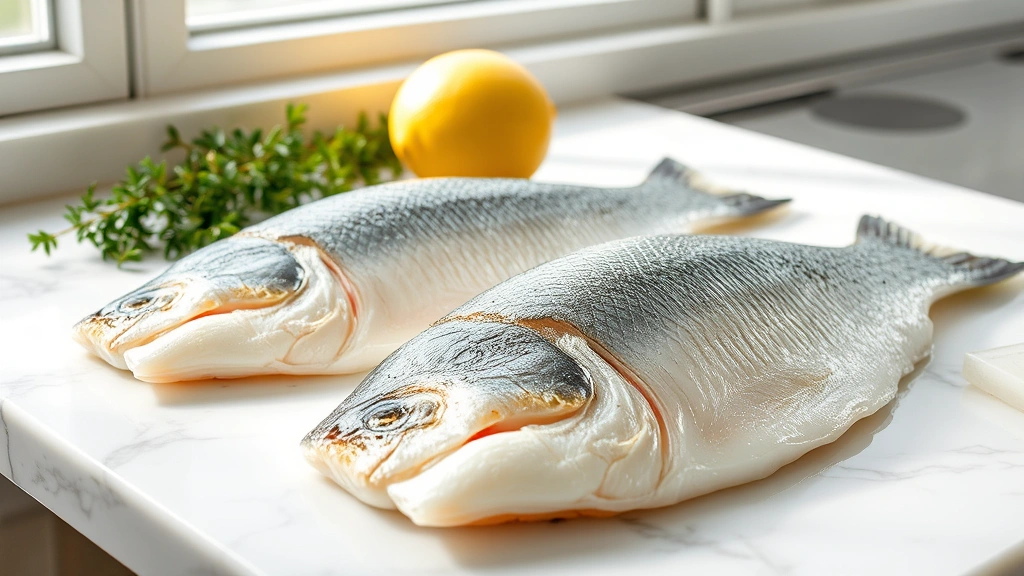
The foundation of any exceptional Chilean sea bass dish begins long before you step into the kitchen. Selecting the right fish makes an enormous difference in your final result. When shopping for Chilean sea bass, look for fillets or whole fish with clear, bright eyes (if purchasing whole), firm flesh that springs back when pressed, and a mild oceanic aroma rather than a strong fishy smell. The flesh should appear translucent and moist, never dull or dry.
Visit your local fishmonger rather than relying solely on supermarket options. Building a relationship with a trusted fish vendor provides access to the freshest catches and valuable advice about preparation methods. Ask your fishmonger about the origin of the fish and when it arrived. Chilean sea bass sourced from sustainable fisheries carries certifications you can verify. The best specimens typically arrive on ice and are used within one to two days of delivery.
Consider purchasing responsibly sourced seafood options when available. Look for certifications from the Marine Stewardship Council (MSC) or similar organizations that ensure sustainable fishing practices. Premium Chilean sea bass costs more than standard white fish, but the investment pays dividends in flavor and texture. Plan to use approximately six to eight ounces per person for a satisfying main course portion.
Essential Preparation Techniques
Proper preparation separates amateur cooks from culinary professionals. Remove your Chilean sea bass from the refrigerator thirty minutes before cooking. This critical step allows the fish to reach room temperature, ensuring even cooking throughout and preventing the exterior from overcooking while the interior remains cold. Cold fish plunged into hot oil or a hot pan cooks unevenly, resulting in a tough exterior and undercooked center.
Pat the fish thoroughly dry using paper towels. Moisture is the enemy of achieving a beautiful golden crust. Hold the fillet skin-side up and gently run your fingers along the surface to locate any remaining pin bones. Use tweezers or small pliers to extract these bones by gripping near the base and pulling at a slight angle toward the head end of the fillet. This attention to detail prevents unpleasant surprises during eating and demonstrates professional technique.
Season your fish generously with sea salt and freshly ground black pepper just before cooking, not hours in advance. Salt applied too early draws moisture from the flesh. Many professional chefs prefer kosher salt for its larger crystals and even distribution. Some incorporate dried herbs like thyme, tarragon, or dill into the seasoning blend, though the fish’s natural flavor is delicate enough that minimalist seasoning often works best. Store any prepared fish on a clean plate at room temperature until ready to cook, never returning it to the refrigerator after patting dry.
[IMAGE_1]
The Classic Pan-Seared Method
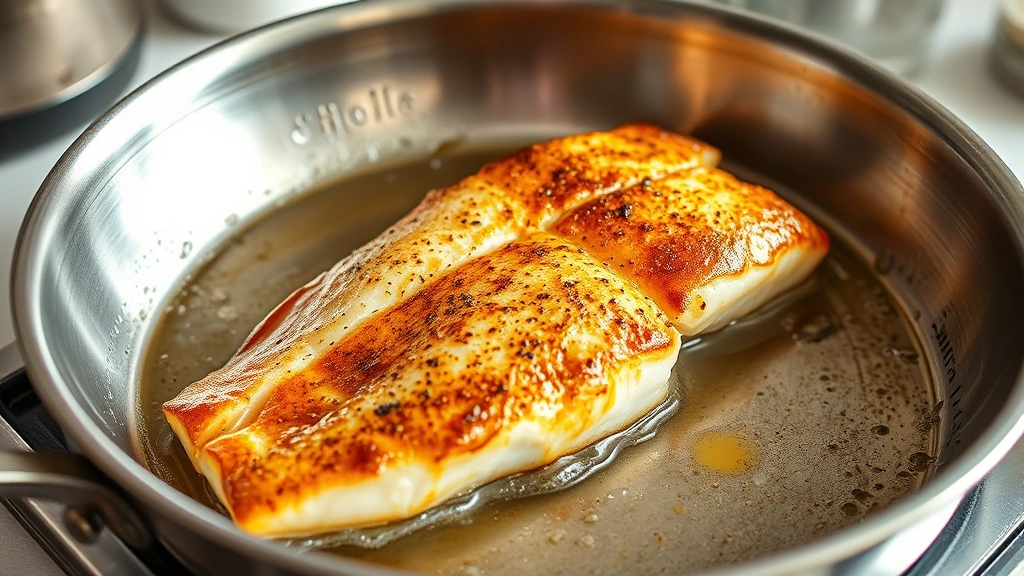
Pan-searing remains the gold standard for cooking Chilean sea bass at home. This method creates a beautiful golden crust while preserving the fish’s delicate, buttery interior. Start by selecting a heavy-bottomed stainless steel or cast-iron skillet large enough to hold your fillets without crowding. Crowded pans create steam rather than the dry heat necessary for proper browning. Heat your pan over medium-high heat for two to three minutes until a drop of water forms a ball and rolls across the surface.
Add a high-heat oil with a neutral flavor profile. Avocado oil, refined coconut oil, or grapeseed oil work excellently, each offering smoke points above 400 degrees Fahrenheit. Allow the oil to shimmer and just begin smoking before carefully placing your fish skin-side down into the pan. The skin-side down method protects the delicate flesh from direct heat while rendering the skin crispy. Listen for an immediate sizzle—if you don’t hear it, your pan isn’t hot enough.
Resist the urge to move the fish. Let it sit undisturbed for four to five minutes, during which the skin will crisp and the flesh will begin cooking from the outside in. You’ll notice the opaque color advancing up the sides of the fillet. When the fish releases easily from the pan (test gently with a spatula), flip it carefully and cook for an additional two to three minutes on the flesh side. The total cooking time depends on thickness; a one-inch-thick fillet typically requires eight to ten minutes total.
The fish is perfectly cooked when the thickest part flakes gently with a fork but still appears slightly translucent at the very center. Carryover cooking will continue after you remove it from heat, so slightly undercooking is preferable to overcooking. Transfer the cooked fish immediately to a warm plate and let it rest for two minutes before serving. This brief rest allows the proteins to relax and the juices to redistribute throughout the flesh.
Building Complementary Sauces
While Chilean sea bass shines on its own, the right sauce elevates it to restaurant-quality status. Professional chefs understand that making homemade sauces transforms simple ingredients into sophisticated accompaniments. A classic beurre blanc sauce provides elegance and richness without overwhelming the fish’s delicate flavor. This French sauce combines white wine, shallots, and cold butter into a silky emulsion that complements Chilean sea bass beautifully.
To prepare beurre blanc, combine one-quarter cup white wine and two minced shallots in a small saucepan over medium heat. Reduce the mixture until only about two tablespoons of liquid remains, concentrating the flavors. Remove from heat and whisk in cold butter piece by piece, creating an emulsion. The temperature must remain below 160 degrees Fahrenheit to prevent the sauce from breaking. Strain through fine mesh and season with lemon juice, sea salt, and white pepper. This sauce should be served immediately at warm temperatures.
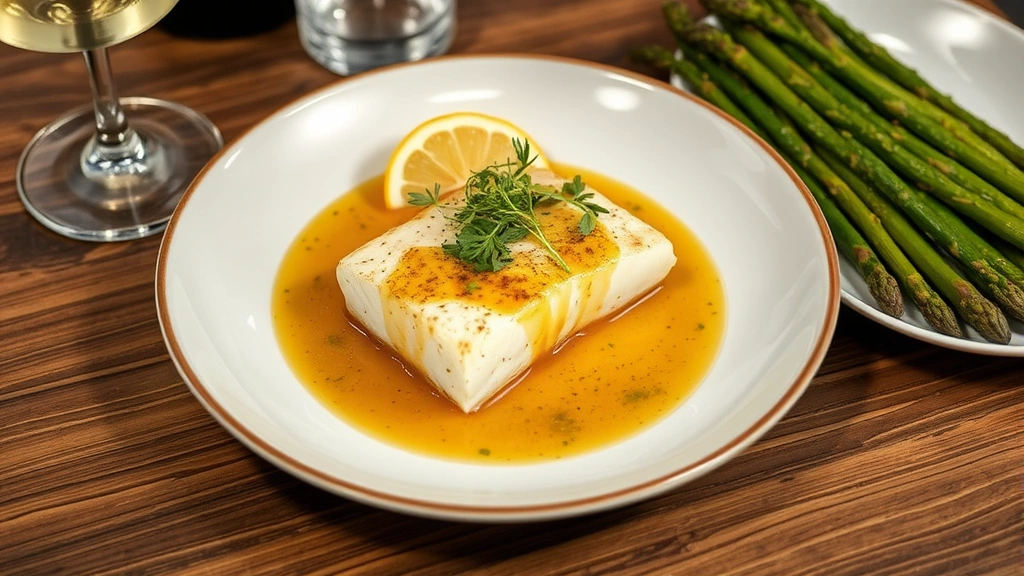
For simpler preparations, a brown butter sauce with lemon offers restaurant-quality results with minimal effort. Heat butter in a small saucepan over medium heat, swirling occasionally until the milk solids turn golden brown and develop a nutty aroma. This process takes approximately five to seven minutes. Pour the brown butter over your cooked fish and finish with fresh lemon juice, sea salt, and a garnish of fresh parsley. The nutty depth of brown butter complements the fish’s buttery texture perfectly.
Consider Asian-inspired accompaniments as well. A miso-butter sauce combines white miso paste, butter, ginger, and sake for an umami-rich option that adds complexity without masking the fish. Alternatively, a light soy-ginger glaze brings brightness and depth. These preparations align with quality sauce-making principles while introducing international flavor profiles to your Chilean sea bass preparation.
Advanced Cooking Methods
While pan-searing dominates home cooking, professional chefs employ various techniques to achieve different results. Poaching Chilean sea bass in a flavorful court-bouillon (a traditional French cooking liquid) produces incredibly moist, tender fish. Combine water or light stock with white wine, lemon slices, bay leaf, thyme, and peppercorns in a shallow pan. Bring to a gentle simmer, add your fish, and maintain the temperature below 185 degrees Fahrenheit for eight to twelve minutes depending on thickness. The gentle heat preserves the fish’s delicate texture while infusing subtle flavors.
Baking en papillote (in parchment paper) offers another elegant preparation method. Create a heart-shaped parchment packet, place your seasoned fish inside with vegetables and aromatics, seal tightly, and bake at 400 degrees Fahrenheit for twelve to fifteen minutes. The steam trapped inside cooks the fish gently while concentrating flavors. Guests enjoy the theatrical presentation when opening packets at the table, releasing aromatic steam.
Sous vide cooking provides precise temperature control for perfectly cooked fish every time. Vacuum-seal your seasoned Chilean sea bass and cook in a water bath set to 130 degrees Fahrenheit for fifteen to twenty minutes. Finish by searing quickly in a hot pan to develop color and crust. This method is particularly useful when cooking for groups, as you can hold the fish at perfect temperature for extended periods before searing.
Grilling Chilean sea bass requires careful attention but produces wonderful results. Oil your grill grates thoroughly and preheat to medium-high heat. Place fillets skin-side up on the grill and cook for four to five minutes without moving them. Flip and cook skin-side down for an additional three to four minutes. The grill’s heat source should be positioned to one side, creating a cooler zone where you can move the fish if flare-ups occur.
Pairing Sides and Wine
Chilean sea bass pairs beautifully with numerous side dishes that enhance rather than compete with its delicate flavor. Prepare simple dinner sides that complement fish perfectly. Roasted asparagus with garlic and lemon offers brightness and textural contrast. Creamed spinach provides richness without heaviness. Risotto made with white wine and seafood stock creates an elegant, restaurant-style plate when paired with Chilean sea bass.
For lighter accompaniments, consider a simple green salad dressed with lemon vinaigrette or roasted root vegetables tossed with herbs. Microgreens or pea shoots add sophisticated visual appeal and delicate flavor. Many professional chefs recommend plating the fish on a bed of cauliflower puree or other vegetable preparations that add nutritional value while maintaining visual sophistication.
Wine pairing elevates the entire dining experience. Sauvignon Blanc from New Zealand or the Loire Valley offers crisp acidity that cuts through the fish’s richness while complementing its subtle flavors. Pinot Grigio provides lighter, mineral-driven profiles perfect for simpler preparations. For richer preparations with cream-based sauces, consider Chardonnay from cooler regions that maintains acidity despite fuller body. Rosé wines work wonderfully with Asian-inspired preparations featuring ginger and soy components.
Avoid heavily oaked wines that overpower the fish’s delicate character. Similarly, full-bodied red wines generally clash with Chilean sea bass unless you’re preparing very bold, spiced preparations. Professional sommeliers consistently recommend white wines as the safest choice, allowing the fish’s natural flavors to shine while adding complementary dimensions to each bite.
FAQ
How do I know if my Chilean sea bass is cooked perfectly?
Perfectly cooked Chilean sea bass flakes gently when tested with a fork but maintains a slight translucency at the very center. The flesh should appear opaque around the edges while remaining slightly glossy in the middle. Use an instant-read thermometer inserted at the thickest point; target 130 to 135 degrees Fahrenheit for medium doneness. Remember that carryover cooking continues after removal from heat, so slightly undercooking is preferable to overcooking this delicate fish.
Can I prepare Chilean sea bass ahead of time?
You can prepare the fish for cooking several hours in advance by patting it dry, removing pin bones, and storing it on a clean plate in the refrigerator. However, remove it from the refrigerator thirty minutes before cooking to allow it to reach room temperature. Don’t season it until just before cooking, as salt draws out moisture. Cooked fish can be refrigerated for up to two days and reheated gently in a low oven, though it’s best enjoyed fresh.
What’s the difference between Chilean sea bass and regular sea bass?
Chilean sea bass (Patagonian toothfish) differs from European sea bass in several ways. It has higher fat content, resulting in buttery, succulent flesh. The flavor is more delicate and slightly sweet. Chilean sea bass is larger, allowing for thicker fillets that are less prone to drying out. European sea bass tends to be firmer and slightly more assertive in flavor. Both are excellent choices, but Chilean sea bass’s richness makes it particularly forgiving for home cooks.
Is Chilean sea bass sustainable to eat?
Sustainability concerns surround Chilean sea bass due to historical overfishing. However, modern Seafood Watch recommendations indicate that responsibly managed Chilean sea bass from certain fisheries is sustainable. Look for Marine Stewardship Council (MSC) certification when purchasing. Support fisheries that employ strict catch limits and monitoring systems. Asking your fishmonger about sourcing ensures you’re making environmentally conscious choices.
What temperature oil should I use for pan-searing?
Use oils with smoke points above 400 degrees Fahrenheit for pan-searing Chilean sea bass. Avocado oil (smoke point 520°F), grapeseed oil (smoke point 420°F), and refined coconut oil (smoke point 450°F) are excellent choices. Avoid olive oil, which has a lower smoke point and will burn at the high temperatures required for proper searing. Your pan should be hot enough that oil shimmers and just begins smoking before adding the fish.
How far in advance can I thaw frozen Chilean sea bass?
Thaw frozen Chilean sea bass slowly in the refrigerator, allowing approximately twenty-four hours for a standard fillet. This gradual thawing preserves texture and moisture. Avoid thawing at room temperature or using hot water, which can create uneven thawing and quality loss. Once thawed, use the fish within one to two days. Never refreeze thawed fish. If you forget to thaw ahead, place the sealed fish package in cold water, changing the water every thirty minutes—this accelerates thawing while maintaining quality.
Can I cook frozen Chilean sea bass directly without thawing?
You can cook frozen Chilean sea bass directly, but results are less reliable than using thawed fish. Increase cooking time by approximately fifty percent and monitor the internal temperature carefully. The exterior may overcook before the center reaches proper temperature. For best results, always thaw the fish properly before cooking. This extra effort ensures even cooking and optimal texture, demonstrating why professional chefs insist on proper thawing procedures.
What are good herb pairings for Chilean sea bass?
Delicate herbs complement Chilean sea bass beautifully without overwhelming its subtle flavor. Fresh dill, tarragon, chervil, and parsley work wonderfully. Thyme and bay leaf are excellent in poaching liquids or sauce preparations. Avoid heavy herbs like rosemary or oregano, which can dominate the fish’s delicate character. Citrus zest—lemon, lime, or orange—adds brightness without competing with the fish’s natural sweetness.
How should I store leftover cooked Chilean sea bass?
Store leftover cooked Chilean sea bass in an airtight container in the refrigerator for up to two days. Reheat gently in a low oven (300 degrees Fahrenheit) for approximately ten minutes, covered with foil to prevent drying. Avoid using a microwave, which can create uneven heating and compromised texture. Leftover fish works beautifully in salads, fish tacos, or flaked into pasta dishes. Many chefs actually prefer serving quality fish cold, dressed with olive oil and lemon juice.
What’s the best way to season Chilean sea bass without overpowering it?
Professional chefs typically use minimal seasoning to let the fish’s natural flavors shine. Sea salt and freshly ground black pepper applied just before cooking represent the classic approach. A squeeze of fresh lemon juice after cooking adds brightness without masking delicate flavors. If using additional seasonings, choose those that complement rather than compete—a light dusting of smoked paprika, a hint of garlic powder, or fresh herb garnishes. Remember that any accompanying sauce will provide additional flavor complexity.


