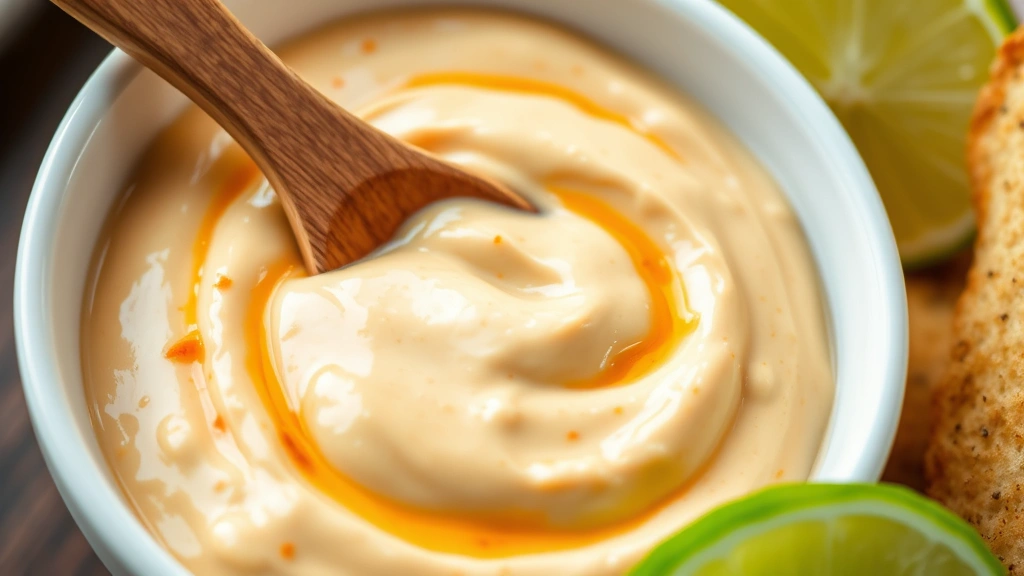
How to Make Chipotle Aioli: Chef’s Secret Recipe
Chipotle aioli is one of those versatile condiments that transforms ordinary dishes into restaurant-quality meals. This creamy, smoky sauce combines the richness of traditional aioli with the bold heat and complexity of chipotle peppers in adobo sauce. Whether you’re drizzling it over tacos, using it as a burger spread, or serving it alongside grilled vegetables, homemade chipotle aioli elevates every bite with sophisticated flavor.
The beauty of making chipotle aioli at home is that you control every ingredient, from the quality of the eggs to the intensity of the smoke and spice. Unlike store-bought versions loaded with preservatives and thickeners, your homemade version will have a silky texture and authentic taste that’s impossible to replicate from a jar. Professional chefs understand that mastering basic emulsions like aioli opens doors to countless flavor variations, and chipotle is just the beginning.
This guide reveals the techniques and secrets that ensure your chipotle aioli turns out perfectly every time, whether you’re preparing it for a weeknight dinner or impressing guests at a gathering.
Understanding Aioli: The Classic Emulsion
Aioli, derived from the Catalan words “ail” (garlic) and “oli” (oil), is a traditional Mediterranean sauce that represents one of the fundamental emulsions in cooking. At its core, aioli is an emulsion—a stable blend of two ingredients that don’t naturally mix: oil and water-based components like egg yolks and garlic. Understanding how emulsions work is crucial to mastering any sauce emulsion technique.
The magic of aioli happens when egg yolk lecithin acts as an emulsifier, allowing tiny droplets of oil to suspend in the mixture without separating. When you whisk egg yolks with oil slowly and methodically, you’re creating a stable suspension that thickens into a luxurious, creamy sauce. This same principle applies whether you’re making classic garlic aioli, sriracha-infused versions, or our chipotle variation.
The key to preventing a broken emulsion lies in patience and technique. Temperature matters—room temperature ingredients emulsify more readily than cold ones. The speed at which you add oil is critical; too fast and the emulsion breaks, too slow and you’ll develop arm fatigue. Once you understand these principles, you can confidently make any aioli variation.
Essential Ingredients for Chipotle Aioli
Creating restaurant-quality chipotle aioli requires just a handful of quality ingredients. Each component plays a specific role in developing flavor, texture, and stability.
Egg Yolks: Use fresh, room-temperature eggs from reliable sources. The lecithin in yolks acts as your emulsifier, so quality matters. Most recipes use 1-2 yolks per cup of oil.
Neutral Oil: Light olive oil, avocado oil, or grapeseed oil work beautifully. Avoid extra-virgin olive oil, which can overpower the chipotle flavor and may produce a bitter taste when emulsified. Neutral oils create a clean canvas for the smoky pepper profile.
Chipotle Peppers in Adobo Sauce: These smoked jalapeños packed in tomato-based sauce are the star ingredient. Choose quality brands—the sauce will significantly impact your final product. Typically, 2-3 peppers per batch provides excellent flavor without overwhelming heat.
Garlic: Fresh garlic minced finely or made into a paste provides aromatic depth. One or two cloves per batch is standard, though you can adjust based on preference.
Acid Component: Lime juice or white wine vinegar stabilizes the emulsion and brightens flavors. The acid also balances the richness of the oil and the heat of the peppers.
Seasonings: Salt, cumin, and a touch of honey round out the flavor profile. Honey adds subtle sweetness that complements smoke and heat beautifully.
Step-by-Step Recipe Instructions
Ingredients:
- 2 large egg yolks, room temperature
- 1 cup neutral oil (avocado or light olive oil)
- 3 chipotle peppers in adobo sauce
- 2 cloves garlic, minced
- 2 tablespoons fresh lime juice
- 1 tablespoon white wine vinegar
- 1 teaspoon honey
- ½ teaspoon ground cumin
- ¼ teaspoon salt (adjust to taste)
- Pinch of cayenne pepper (optional)
Instructions:
- Prepare Your Workspace: Gather all ingredients and bring them to room temperature. This step is non-negotiable for emulsion success. Place a damp towel under your mixing bowl to prevent it from sliding during vigorous whisking. Have all ingredients measured and ready before beginning.
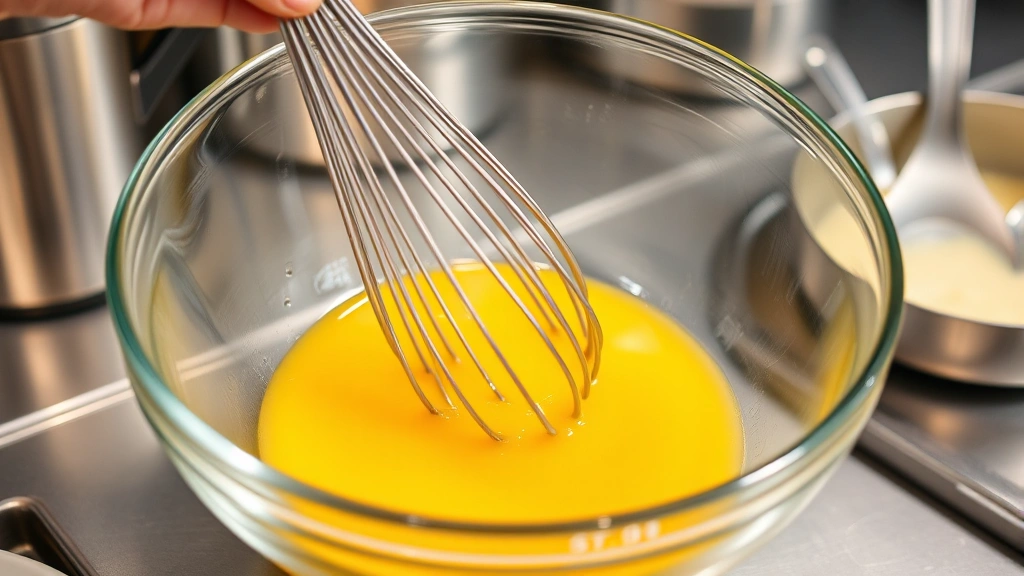
- Combine Base Ingredients: In a medium bowl, whisk together egg yolks, minced garlic, lime juice, and vinegar. Whisk until the mixture is pale and slightly thickened, about 1-2 minutes. This initial whisking helps incorporate air and begins the emulsification process.
- Prepare Chipotle Mixture: While whisking the yolk mixture, combine 2-3 chipotle peppers with 1 tablespoon of their adobo sauce in a small food processor or blender. Blend until completely smooth. Strain through a fine-mesh sieve to remove any small pepper pieces, creating a silky puree. This smooth texture integrates better into the emulsion.
- Begin Oil Addition: This is the critical step. While whisking constantly, add oil drop by drop at first—literally one drop at a time. Whisk vigorously between each addition. After about 2 tablespoons of oil has been incorporated and the mixture visibly thickens, you can increase to a thin stream while maintaining steady whisking.
- Maintain the Emulsion: Continue whisking and slowly pouring oil in a thin stream. If the mixture becomes too thick and hard to whisk, add a few drops of lime juice or water to loosen it. This prevents the emulsion from breaking due to excess oil concentration.
- Incorporate Chipotle Puree: Once about half the oil has been incorporated, whisk in your prepared chipotle puree. This adds flavor while the emulsion is stable enough to handle the addition. Continue whisking and adding oil until all oil is incorporated.
- Season and Adjust: Whisk in honey, cumin, salt, and optional cayenne. Taste and adjust seasonings—add more lime juice for brightness, more salt for depth, or additional chipotle for heat. The final consistency should be thick and creamy, similar to mayonnaise.
- Final Consistency: If your aioli is too thick, thin it with a few drops of water or lime juice while whisking gently. If it’s too thin, you may have a broken emulsion—see troubleshooting tips below.
Pro Tips for Perfect Results
Temperature Control: All ingredients must be at room temperature. Cold eggs and oil won’t emulsify properly. Remove eggs from refrigeration 30 minutes before starting. If your kitchen is very cold, warm the bowl slightly by running it under warm water and drying completely.
The Broken Emulsion Fix: If your aioli breaks (becomes grainy or separates), don’t panic. Start with a fresh egg yolk in a clean bowl and slowly whisk in your broken aioli as if it were oil. This often rescues the mixture. Alternatively, use an immersion blender to re-emulsify the broken batch.
Oil Addition Rate: The most common mistake is adding oil too quickly. In the beginning, patience is essential. A slow addition prevents the emulsion from becoming overwhelmed with oil before the lecithin can properly disperse it. After the first 2-3 tablespoons, you can gradually increase the pour rate.
Whisking Technique: Use a sturdy whisk and maintain consistent, vigorous whisking motion. The mechanical action helps distribute oil droplets evenly. An immersion blender can work but gives you less control over oil addition rate.
Acid Balance: The acid (lime juice and vinegar) serves multiple purposes: it stabilizes the emulsion, brightens flavors, and prevents bacterial growth during storage. Don’t skip these ingredients.
Chipotle Pepper Selection: Different brands vary in smokiness and heat. Start with 2 peppers and taste before adding the third. You can always add more, but you can’t remove smoky heat once incorporated.
Flavor Variations and Customizations
Once you master the basic chipotle aioli recipe, experiment with variations that expand its culinary applications.
Smoky Sriracha Blend: Replace one chipotle pepper with 1 tablespoon sriracha sauce for a different heat profile with Asian-inspired flavors. This works beautifully with creamy sauce applications.
Cilantro Lime Version: Add ¼ cup fresh cilantro leaves blended into the chipotle puree. This variation pairs exceptionally well with fish tacos and grilled shrimp.
Roasted Garlic Variation: Replace raw garlic with 3-4 cloves of roasted garlic for a mellower, sweeter garlic flavor that’s less pungent than raw.
Smoked Paprika Infusion: Add 1 teaspoon smoked paprika along with cumin for extra depth and smokiness. This intensifies the overall smoke profile without additional heat.
Honey Chipotle Balance: Increase honey to 1½ teaspoons for those preferring less heat and more sweetness. This creates a more approachable sauce for heat-sensitive palates.
Spicy Upgrade: Add ¼ teaspoon cayenne pepper or include the seeds from one additional chipotle pepper for elevated heat that appeals to spice enthusiasts.
Storage and Shelf Life
Properly stored chipotle aioli maintains quality for 5-7 days in the refrigerator. The acid content (lime juice and vinegar) and the egg yolks create a relatively stable product, but freshness is still important.
Storage Container: Use a clean glass jar with an airtight lid. Avoid plastic containers, which can absorb the smoky flavors and potentially harbor bacteria in microscopic scratches.
Refrigeration: Store at 40°F or below. Keep away from strong-smelling foods, as aioli absorbs odors. A back corner of the refrigerator works better than the door, where temperature fluctuates.
Separation: A thin layer of liquid on top is normal. Simply stir it back in before serving. If the aioli becomes grainy or develops an off smell, discard it immediately.
Freezing Considerations: Aioli doesn’t freeze well due to its emulsion structure. Oil separates from other components when frozen, making thawing unsuccessful. Stick to refrigeration.
Food Safety: Because this recipe contains raw eggs, use pasteurized eggs if anyone in your household is pregnant, very young, elderly, or immunocompromised. Many grocery stores now carry pasteurized eggs that are safe for raw consumption.
Serving Suggestions and Pairings
Chipotle aioli’s versatility makes it an essential condiment for countless dishes. The smoky heat and creamy richness complement both simple and complex flavors.
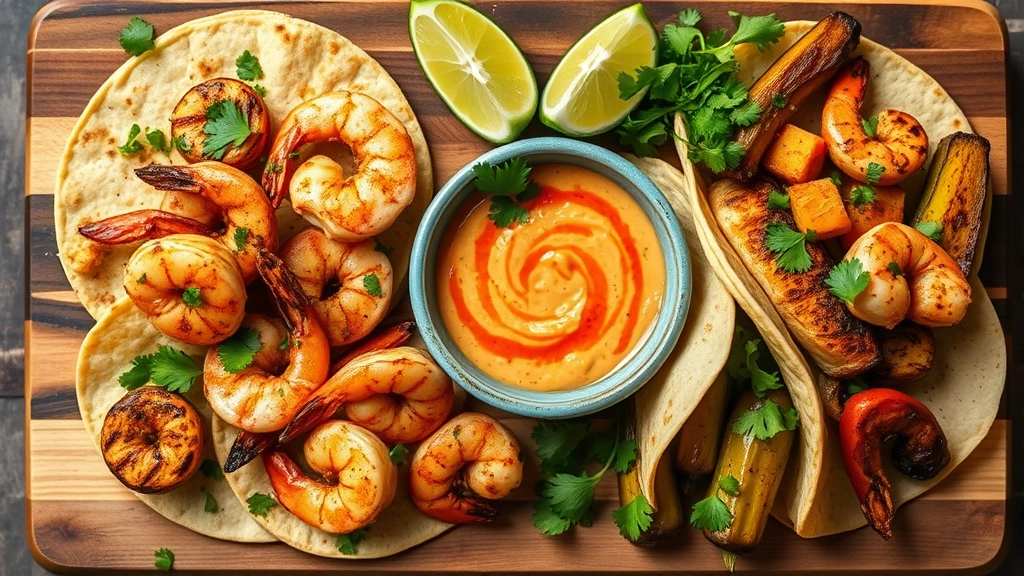
Tacos and Mexican Cuisine: Drizzle over fish tacos, carnitas, or grilled chicken. The smoke complements traditional Mexican spices beautifully. Use as a base for taco bowls.
Burgers and Sandwiches: Spread on burger buns instead of regular mayo for instant sophistication. Works equally well on pulled pork sandwiches, turkey burgers, and vegetable sandwiches.
Grilled Proteins: Serve alongside grilled salmon, shrimp, steak, or chicken breast. The richness cuts through the char of grilled foods while adding complexity.
Vegetable Applications: Use as a dipping sauce for roasted vegetables, grilled corn, or crispy fries. Particularly excellent with sweet potato fries.
Appetizers: Serve with shrimp cocktail for a smoky twist on the classic. Use as a dip for vegetable crudités or alongside crispy calamari.
Salad Dressings: Thin with additional lime juice and water to create a creamy salad dressing for grain bowls or composed salads with grilled proteins.
Breakfast Applications: Spread on breakfast sandwiches, use as an accompaniment to breakfast burritos, or drizzle over hash browns for unexpected morning sophistication.
FAQ
Can I use a food processor or blender to make chipotle aioli?
Yes, absolutely. A food processor or immersion blender makes the process faster and requires less arm strength. Add all ingredients to the processor, then blend on low speed while slowly drizzling oil through the feed tube. The immersion blender works similarly—place ingredients in a tall container and blend while slowly adding oil. Results are equally excellent, though you have slightly less control over oil addition rate.
What’s the difference between aioli and mayonnaise?
Traditional aioli contains only garlic, oil, and sometimes lemon juice—no eggs. However, modern culinary practice treats aioli as a garlic-infused mayonnaise emulsion. Both use egg yolks as emulsifiers, but aioli emphasizes garlic while mayonnaise is neutral. For this chipotle aioli recipe, we’re using the modern interpretation with eggs for stability and richness.
Why did my aioli break?
Broken emulsions typically result from adding oil too quickly, using cold ingredients, or whisking insufficiently. The oil overwhelms the emulsifier’s capacity. Fix it by starting with a fresh egg yolk and slowly whisking in the broken aioli as though it were oil. Temperature and patience are your best prevention strategies.
Can I make this recipe without raw eggs?
Yes. Use pasteurized eggs available at most grocery stores, or substitute with pasteurized egg yolk products specifically designed for raw preparations. Some cooks use aquafaba (chickpea liquid) as a vegan emulsifier, though results differ slightly in texture and flavor.
How spicy is chipotle aioli?
Chipotle peppers provide moderate heat—typically 2,500-8,000 Scoville units. The adobo sauce mellows the heat slightly. Two peppers create a pleasantly spicy sauce suitable for most palates, while three peppers deliver noticeable heat. Adjust to your preference, and remember that honey helps balance spice.
What oil is best for this recipe?
Light olive oil, avocado oil, and grapeseed oil all work excellently. Avoid extra-virgin olive oil, which can turn bitter when emulsified and overpowers the chipotle flavor. Choose a neutral-flavored oil that lets the smoky peppers shine.
Can I double this recipe?
Absolutely. Double or triple the ingredients using the same technique. With larger batches, you may want to use a food processor or immersion blender to reduce whisking fatigue. The emulsification process remains identical.
Is this recipe suitable for meal prep?
Yes. Make chipotle aioli up to 5 days ahead and store in an airtight glass container in the refrigerator. It’s an excellent condiment to prepare for the week, especially if you plan multiple meals featuring tacos, sandwiches, or grilled proteins. Having it ready streamlines weeknight cooking.
What foods pair well with chipotle aioli?
Fish, shrimp, chicken, beef, and pork all benefit from this sauce. Vegetables like corn, sweet potatoes, and zucchini complement it beautifully. Consider pairing with complementary recipes that emphasize fresh, grilled, or roasted preparations.
How do I thin aioli if it’s too thick?
Add water, lime juice, or vinegar one teaspoon at a time while whisking gently. These liquids thin the sauce while maintaining flavor balance. Never add oil to thin—that will further thicken the emulsion.
Can I make chipotle aioli in advance for a party?
Yes. Prepare it up to three days before your event for optimal freshness, though it remains good through day five. Store in a beautiful glass container in the refrigerator. Remove about 30 minutes before serving to allow it to reach room temperature, which enhances flavor perception and makes it easier to serve.


