Chipotle Chicken Recipe: Chef’s Secret Method for Restaurant-Quality Results
Chipotle chicken has become a staple in modern kitchens, beloved for its smoky depth, subtle heat, and incredible versatility. Whether you’re preparing a weeknight dinner or impressing guests at a gathering, mastering this chipotle chicken recipe will elevate your cooking game significantly. The secret lies not just in the ingredients, but in understanding how to balance the smoky chipotle peppers with complementary flavors that create a truly memorable dish.
Restaurant chefs have long guarded their techniques for achieving that perfect char, tender meat, and complex sauce that makes chipotle chicken so addictive. In this comprehensive guide, we’ll unlock those professional secrets and break down the process into manageable steps that any home cook can master. From selecting the right peppers to mastering the cooking technique, you’ll discover exactly why this dish deserves a permanent place in your recipe rotation.
The beauty of chipotle chicken lies in its adaptability. You can serve it alongside rice, incorporate it into tacos, top salads, or pair it with homemade pasta for an unexpected fusion dinner. But before we explore variations, let’s master the foundational technique that separates good chipotle chicken from exceptional chipotle chicken.
Understanding Chipotle Peppers and Their Flavor Profile
Before diving into the chipotle chicken recipe, it’s crucial to understand what you’re working with. Chipotle peppers are jalapeños that have been smoked and dried, giving them their distinctive deep reddish-brown color and complex smoky flavor. Unlike fresh jalapeños, chipotles bring warmth, earthiness, and a subtle sweetness that creates depth in any dish.
Most home cooks encounter chipotles in one of two forms: dried whole peppers or canned in adobo sauce. Canned chipotles in adobo are incredibly convenient and already come in a flavorful sauce of tomatoes, vinegar, and spices. This sauce itself becomes a valuable component of your marinade and cooking liquid. The heat level is moderate—typically around 2,500 to 8,000 Scoville Heat Units—making them accessible to those who don’t enjoy extreme spice while still delivering noticeable flavor.
The smoking process that creates chipotle peppers is what distinguishes them from simply hot peppers. This method imparts notes that complement chicken beautifully, creating a flavor profile that’s neither one-dimensionally spicy nor overwhelmingly smoky. Instead, you get a balanced, sophisticated heat that builds gradually on your palate. Understanding this nuance helps you appreciate why chipotle chicken has become such a popular choice in both home and professional kitchens.

Essential Ingredients and Substitutions
A proper chipotle chicken recipe requires quality ingredients that work in harmony. Here’s what you’ll need for the classic version:
- Chicken: Boneless, skinless chicken breasts (or thighs for more flavor and moisture)
- Chipotle peppers: 2-3 canned in adobo sauce, plus 2 tablespoons of the sauce
- Sour cream or Greek yogurt: For creaminess and tang
- Lime juice: Fresh is non-negotiable for brightness
- Garlic: Minced fresh garlic, never powder
- Cumin: Ground, for earthy warmth
- Honey: For subtle sweetness that balances heat
- Salt and black pepper: For seasoning and enhancement
- Olive oil: High-quality for cooking and marinating
- Cilantro: Fresh, optional but highly recommended
When substituting ingredients, remember that each plays a specific role. If you can’t find fresh cilantro, parsley works as a mild alternative, though you’ll lose some authentic flavor. If you prefer less heat, reduce the chipotles from three to one or two. For dairy-free versions, use coconut cream instead of sour cream—it provides richness without the tang, which actually creates an interesting flavor variation.
The adobo sauce that comes with canned chipotles is liquid gold. Many recipes discard it, but this is a mistake. This sauce contains dissolved chipotle flavor, vinegar, and spices that should absolutely be incorporated into your marinade. It’s one of those chef’s secrets that makes the difference between adequate and outstanding results.
The Secret Marinade Technique
The foundation of restaurant-quality chipotle chicken begins with the marinade. This isn’t just about flavor infusion—it’s about tenderizing the meat and creating a flavor base that penetrates deeply into the protein structure.
The Marinade Recipe:
- Combine 2-3 chipotle peppers (from the can) with 2 tablespoons of their adobo sauce in a food processor
- Add 1/2 cup sour cream or Greek yogurt
- Include 3 tablespoons fresh lime juice
- Add 3 cloves minced garlic
- Incorporate 1 teaspoon ground cumin
- Add 1 tablespoon honey
- Include 1/4 cup olive oil
- Season with 1 teaspoon salt and 1/2 teaspoon black pepper
- Pulse until you achieve a smooth, creamy consistency with no large pepper chunks
The key to the secret method is not over-processing. You want a smooth marinade, but if you blend it too long, the heat from friction can affect the flavor profile. Pulse in short bursts and check consistency frequently.
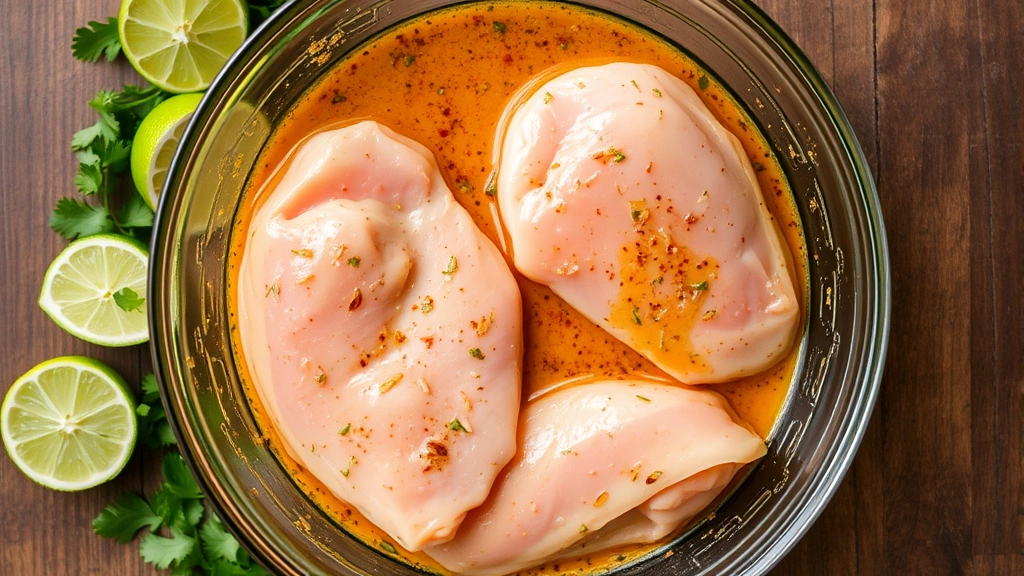
Once your marinade is ready, place chicken pieces in a large zip-top bag or shallow dish and pour the marinade over completely. The technique here matters: massage the marinade into the chicken, ensuring every surface is coated. This active engagement helps the flavors penetrate more effectively than passive soaking.
Marinating time is crucial but often misunderstood. Many home cooks think longer is always better, but with acidic components like lime juice and sour cream, marinating for more than 8-12 hours can actually begin to denature the chicken proteins excessively, resulting in mushy texture. The sweet spot is 4-8 hours. If you’re short on time, even 2 hours will yield noticeable improvement over unmarinated chicken. For meal planning, you can marinate overnight if you keep it under 12 hours, making this recipe perfect for easy dinner recipes for beginners.
Cooking Methods: Pan, Grill, and Oven
Different cooking methods yield different results, and understanding each helps you choose based on your equipment and desired outcome.
Pan-Searing Method (Best for Weeknight Cooking):
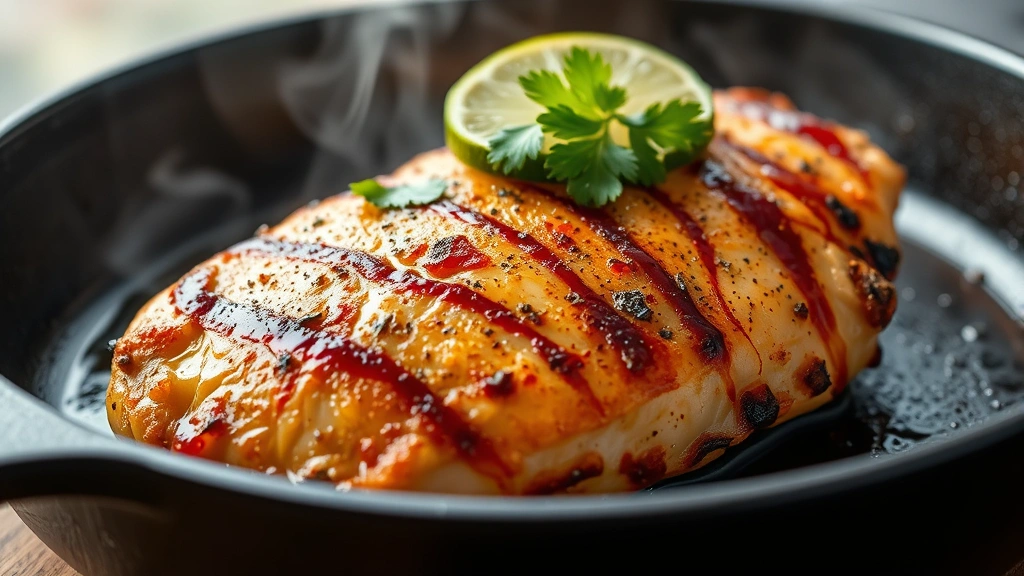
Heat a cast iron skillet or heavy-bottomed pan over medium-high heat. If you’re not familiar with cast iron, our guide on how to cook with cast iron provides excellent foundational knowledge. Pat the marinated chicken dry with paper towels—this is critical for achieving a proper sear. Moisture prevents browning, which is where much of your flavor develops.
Add a thin layer of oil to the hot pan. The oil should shimmer and just begin to smoke. Place chicken breasts in the pan and resist the urge to move them. Let them sear undisturbed for 5-6 minutes until a golden-brown crust forms. This crust, called the Maillard reaction, creates complex flavors that can’t be replicated any other way. Flip and sear the other side for another 5-6 minutes.
The internal temperature should reach 165°F (74°C). Use an instant-read thermometer inserted into the thickest part without touching bone. If the internal temperature hasn’t reached 165°F when the exterior is deeply browned, reduce heat to medium and continue cooking, covered, for another 3-5 minutes.
Grill Method (Best for Flavor):
Grilling imparts additional smoky notes that complement the chipotle perfectly. Preheat your grill to medium-high heat (around 400°F). Pat the chicken dry and oil the grates to prevent sticking. Place chicken on the grill at a 45-degree angle to the grates, which creates those attractive crosshatch marks.
Grill for 6-7 minutes without moving, then rotate 90 degrees and grill another 6-7 minutes. Flip and repeat on the other side. The total cooking time is typically 12-14 minutes for standard chicken breasts. Watch for flare-ups caused by the marinade dripping—move the chicken to a cooler part of the grill if this occurs.
Oven Method (Best for Batch Cooking):
Preheat your oven to 425°F (220°C). Arrange marinated chicken on a parchment-lined baking sheet in a single layer. Roast for 15-18 minutes until the internal temperature reaches 165°F. This method is less hands-on and perfect when you’re preparing multiple breasts or hosting a gathering. The chicken won’t develop the same crust as pan-searing, but the meat stays incredibly moist.
For a hybrid approach that gives you the best of both worlds, sear the chicken in a pan for 3 minutes per side, then finish in a 400°F oven for 8-10 minutes. This creates a flavorful crust while ensuring even cooking throughout.
Chef’s Sauce Recipe and Technique
While the marinated chicken is excellent on its own, an accompanying sauce elevates the dish to restaurant-caliber sophistication. This sauce is inspired by the techniques used in professional kitchens and can be prepared while the chicken cooks.
Understanding how to make homemade sauces opens doors to countless flavor possibilities. For this chipotle chicken recipe, we’ll create a creamy chipotle-lime sauce that complements the main protein perfectly.
Creamy Chipotle-Lime Sauce:
- Heat 2 tablespoons butter in a saucepan over medium heat
- Add 1 minced shallot and sauté for 2 minutes until softened
- Add 2 minced garlic cloves and cook for 30 seconds until fragrant
- Stir in 1 chipotle pepper (finely minced) and 1 tablespoon adobo sauce
- Cook for 1 minute, allowing flavors to develop
- Add 1 cup heavy cream, stirring constantly
- Bring to a gentle simmer and cook for 3-4 minutes until slightly thickened
- Remove from heat and whisk in 2 tablespoons lime juice
- Season with salt and pepper to taste
- Finish with 2 tablespoons fresh cilantro if desired
The technique here is crucial: never let the cream boil aggressively, as this can cause separation. The gentle simmer allows the flavors to meld while the cream thickens slightly through reduction. If the sauce becomes too thick, whisk in cream or chicken broth one tablespoon at a time until you reach desired consistency.
This sauce can be made up to 2 days in advance and gently reheated before serving. It pairs beautifully with the cooked chicken and can also be drizzled over rice, vegetables, or used as a dipping sauce.
Serving Suggestions and Pairings
The versatility of chipotle chicken is one of its greatest strengths. Here are serving approaches that showcase this dish’s full potential:
As a Main Protein: Serve sliced chipotle chicken over cilantro-lime rice with black beans and sautéed peppers. The combination of flavors and textures creates a complete, satisfying meal. Garnish with fresh cilantro, diced red onion, and lime wedges for brightness.
In Tacos: Shred the cooked chicken and warm corn or flour tortillas. Create tacos with chipotle chicken, avocado, pickled red onion, cotija cheese, and crema. The smokiness of the chicken shines against fresh, cooling toppings.
Over Salads: Slice the chicken and place atop mixed greens, black beans, corn, cherry tomatoes, and avocado. Drizzle with the creamy chipotle-lime sauce to create a main-course salad that’s both nutritious and satisfying. This approach aligns perfectly with best healthy food recipes for those focused on wellness.
In Pasta Dishes: Chop the cooked chicken and toss with cooked pasta, the creamy sauce, roasted vegetables, and fresh herbs. The chipotle flavor pairs surprisingly well with Italian preparations, creating a fusion dish that’s both familiar and exciting.
In Sandwiches and Wraps: Layer sliced chipotle chicken with avocado, bacon, lettuce, tomato, and the creamy sauce on ciabatta bread. The combination creates a sophisticated sandwich that’s perfect for lunch.
Grain Bowls: Combine chipotle chicken with quinoa, roasted vegetables, black beans, corn, and your choice of fresh toppings. Drizzle with sauce for a customizable bowl that works for meal prep.
Storage and Make-Ahead Tips
One of the practical advantages of this chipotle chicken recipe is its excellent storage properties. Properly stored, cooked chipotle chicken keeps in the refrigerator for 3-4 days, making it perfect for meal planning and batch cooking.
Store cooked chicken in an airtight container, keeping the sauce separate unless you’re planning to use it immediately. This prevents the chicken from becoming soggy. The sauce can be stored in a separate airtight container for up to 5 days.
For freezing, place cooked chicken in a freezer-safe container or zip-top bag, removing as much air as possible. Label with the date and contents. Properly frozen chipotle chicken maintains quality for up to 3 months. Thaw overnight in the refrigerator before reheating gently over low heat or in the microwave.
The marinade itself can be prepared 2 days in advance, stored in an airtight container, and used when convenient. This makes it incredibly practical to marinate chicken in the morning and cook it in the evening, or prepare everything on a Sunday for the week ahead.
For meal prep enthusiasts, consider cooking a batch of chipotle chicken at the beginning of the week. Portion it into containers with your choice of sides—rice, vegetables, beans—and you’ll have quick, healthy lunches ready to grab. The chicken reheats beautifully and tastes nearly as good as freshly cooked.FAQ
Can I use boneless, skinless chicken thighs instead of breasts?
Absolutely, and many chefs prefer thighs for this recipe. Thighs contain more fat and connective tissue, which breaks down during cooking, resulting in incredibly moist, flavorful chicken. They also stay juicier if slightly overcooked, which is forgiving for home cooks. Cooking time may increase by 2-3 minutes since thighs are typically thicker than breasts.
How spicy is this recipe?
The heat level is moderate—noticeable but not overwhelming. Using 2-3 chipotle peppers creates a dish that most people find pleasant rather than painful. If you prefer less heat, start with one chipotle and taste as you go. If you enjoy more spice, add an extra chipotle or include the seeds, which contain most of the capsaicin (the compound responsible for heat).
Can I make this recipe dairy-free?
Yes. Replace the sour cream in the marinade with Greek yogurt (dairy-free variety) or coconut cream. For the sauce, use coconut cream instead of heavy cream. The flavor profile shifts slightly—it becomes less tangy—but remains delicious. Cashew cream is another excellent dairy-free option that provides richness similar to traditional cream.
What if I don’t have fresh cilantro?
Fresh cilantro adds brightness, but the recipe works without it. Flat-leaf parsley provides a milder herbaceous note. Alternatively, omit the fresh herb garnish entirely and add a squeeze of fresh lime juice just before serving for brightness. The dish remains excellent either way.
Can I make this with chicken breasts that are very thick?
If your chicken breasts are unusually thick, butterfly them or pound them to an even thickness of about 3/4 inch before marinating. This ensures even cooking throughout. Alternatively, increase cooking time by 3-4 minutes per side, using a meat thermometer to verify the internal temperature reaches 165°F.
How far in advance can I marinate the chicken?
Marinate for 2-12 hours. Two hours provides noticeable flavor improvement, while 4-8 hours is ideal for maximum flavor development without over-tenderizing the proteins. Beyond 12 hours, the acidic components can break down the chicken structure excessively, resulting in mushy texture. For convenient meal planning, marinate in the morning and cook in the evening.
Can I double this recipe for a crowd?
Absolutely. The marinade recipe scales perfectly. Simply multiply all ingredients by the number of servings needed. If marinating multiple chicken breasts, use a larger container and ensure all pieces are fully submerged in marinade. Cooking time remains the same per batch, though you may need to work in multiple batches depending on your cooking vessel size.


