Chipotle Guac Recipe: Master the Authentic Taste at Home
There’s something undeniably magical about authentic chipotle guacamole. The smoky depth of chipotle peppers combined with creamy avocados creates a flavor profile that transcends simple guacamole into something truly memorable. If you’ve ever wondered how restaurants achieve that perfect balance of heat, smokiness, and creaminess, you’re in the right place. This comprehensive guide will walk you through creating restaurant-quality chipotle guac in your own kitchen, with techniques and tips that will elevate your taco pasta recipe nights and casual entertaining.
The key to authentic chipotle guacamole lies in understanding each ingredient’s role and respecting the traditional preparation methods. Unlike basic guac made with just mashed avocados and lime juice, this version incorporates chipotle peppers in adobo sauce, which provides that distinctive smoky heat that makes this dip so addictive. Whether you’re serving this alongside shredded chicken recipes or as a standalone appetizer, mastering this recipe will make you the star of any gathering.
Why Chipotle Guac Stands Apart
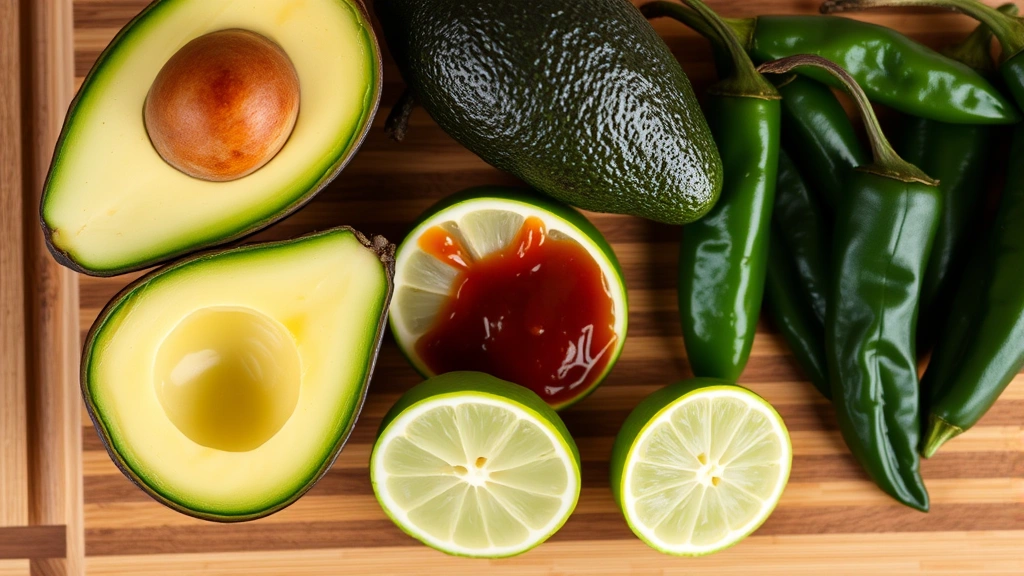
Chipotle guacamole represents a significant step up from basic guacamole because of the complexity it brings to the table. Regular guacamole relies on the natural creaminess of avocados, lime juice, salt, and sometimes cilantro. However, chipotle guacamole introduces smoky, spicy, and slightly sweet notes that create a multi-dimensional flavor experience. The chipotle peppers are actually jalapeños that have been smoked and dried, then typically sold canned in adobo sauce, which adds even more depth with its vinegar and spice components.
The beauty of this recipe lies in its versatility. You can adjust the heat level to suit your preferences, dial in the smokiness to your taste, and even customize it for specific dishes. This makes it perfect whether you’re pairing it with American chop suey recipe variations or using it as a topping for low carb dinner recipes. The smoky element also pairs beautifully with grilled proteins, making it a fantastic complement to any summer cookout.
Essential Ingredients Breakdown
Understanding each ingredient’s purpose will help you make better decisions when preparing your chipotle guac. Here’s what you’ll need and why each component matters:
- Ripe avocados (3-4 medium): The foundation of your guacamole. Choose avocados that yield slightly to gentle pressure but aren’t mushy. The creamier the avocado, the better your guac will be. Look for avocados with darker skin, which typically indicates better ripeness.
- Chipotle peppers in adobo sauce (2-3 peppers): These provide the signature smoky heat. Start with 2 and add more if you prefer additional spice. The adobo sauce should be incorporated along with the peppers for maximum flavor.
- Fresh lime juice (2-3 tablespoons): Essential for brightness and preventing oxidation. Freshly squeezed lime juice makes a noticeable difference compared to bottled versions. The acidity brightens the smoky flavors and adds freshness.
- Red onion (¼ cup, finely diced): Provides sharp bite and textural contrast. The raw onion’s pungency balances the richness of the avocado and the sweetness of the adobo sauce.
- Fresh cilantro (3 tablespoons, chopped): Adds herbaceous notes that complement the smokiness. If you’re cilantro-averse, you can reduce or omit this ingredient.
- Sea salt (½ teaspoon, adjust to taste): Enhances all flavors and brings out the natural sweetness of the avocado. Add gradually and taste as you go.
- Garlic (1-2 cloves, minced): Adds aromatic depth without overpowering the delicate chipotle flavor.
- Cumin (¼ teaspoon): A warm spice that complements both the smokiness and the earthiness of avocado. Use freshly ground cumin if possible.
The quality of your avocados cannot be overstated. Visit a market that has good turnover, and select avocados that are at their peak ripeness. If you’re buying ahead, choose slightly under-ripe avocados and let them sit at room temperature for a day or two.
Step-by-Step Preparation Method
Proper technique makes all the difference when preparing authentic chipotle guacamole. Here’s the detailed process:
- Prepare your workstation: Gather all ingredients and have a cutting board, sharp knife, and mixing bowl ready. Preparing ingredients in advance (mise en place) ensures smooth execution and prevents last-minute scrambling.
- Prepare the chipotle base: Remove 2-3 chipotle peppers from the adobo sauce can. Reserve the remaining sauce for other uses. Finely mince the chipotle peppers on a clean cutting board. The finer you mince them, the more evenly distributed the smoky flavor will be throughout your guacamole. You want small pieces rather than large chunks.
- Cut and prepare avocados: Cut each avocado in half lengthwise, working around the pit. Rotate the halves gently to separate them. Using a spoon, carefully remove the pit by striking it gently with your knife blade and twisting. Scoop the avocado flesh into your mixing bowl using a spoon, keeping the flesh in relatively large chunks initially.
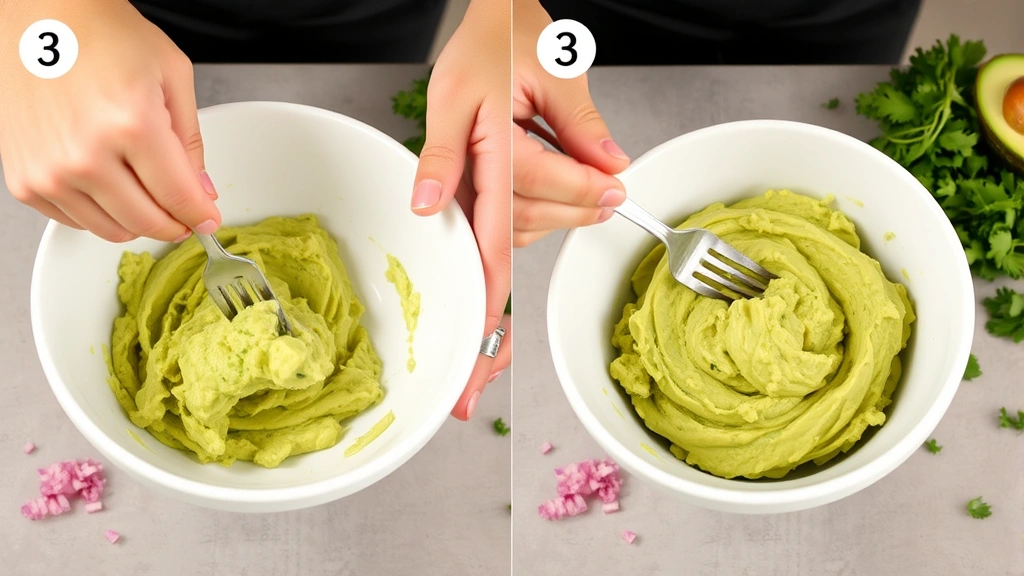
- Mash to desired consistency: Using a fork, gently mash the avocado to your preferred texture. Some prefer chunky guacamole, while others like it smoother. For authentic chipotle guac, aim for a texture where some small chunks remain visible alongside creamy portions. This creates better mouthfeel and prevents the mixture from becoming baby-food consistency.
- Add lime juice immediately: Squeeze fresh lime juice over the mashed avocado right away. The acid prevents oxidation and browning. Gently fold the lime juice into the avocado using a spatula or fork.
- Incorporate the minced chipotle: Add the finely minced chipotle peppers to the mixture. Fold gently to distribute evenly. Taste at this point to determine if you need more chipotle for additional heat and smokiness.
- Add aromatics and seasonings: Fold in the minced garlic, diced red onion, cumin, and salt. Mix gently but thoroughly, ensuring even distribution. Add cilantro last, folding it in gently to preserve its fresh appearance.
- Taste and adjust: This is critical. Taste your guacamole and adjust seasonings. Need more salt? Add it gradually. Want more smokiness? Stir in a bit of adobo sauce from the can. Prefer more brightness? Add additional lime juice. This customization step separates good guacamole from exceptional guacamole.
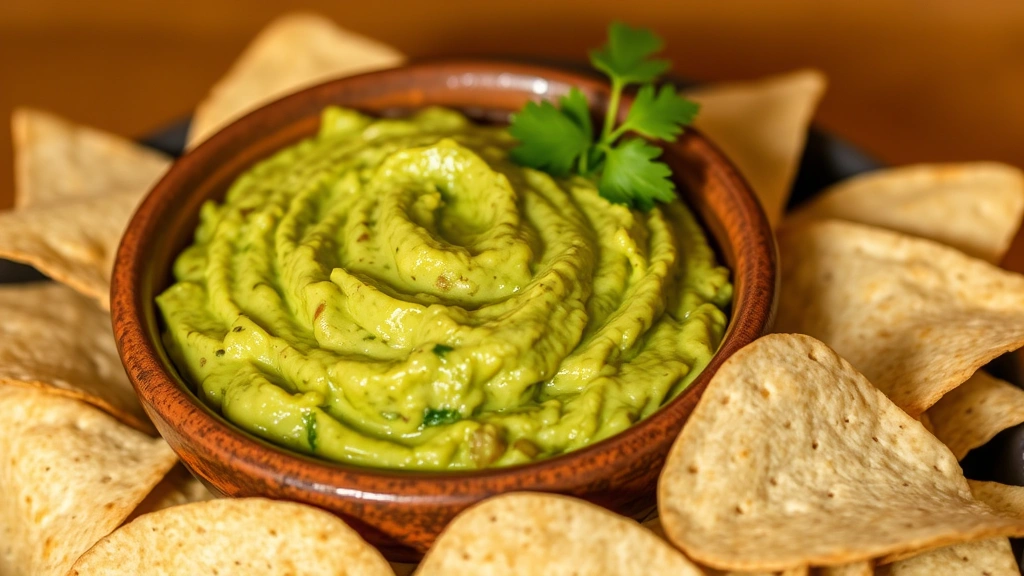
- Final presentation: Transfer to a serving bowl. If serving immediately, create a slight well in the center and drizzle with a small amount of olive oil or additional adobo sauce for visual appeal and flavor enhancement.
Mastering the Flavor Balance
Achieving perfect flavor balance in chipotle guacamole requires understanding how each component interacts. The smokiness from chipotle can easily overpower other flavors if not carefully balanced. The lime juice serves as your primary tool for cutting through richness and balancing heat. If your guacamole tastes too smoky, add more lime juice and a touch more avocado rather than adding more salt, which can make it harsh.
The red onion provides sharp, peppery notes that prevent the guac from becoming one-dimensional. However, if you find the onion flavor too intense, you can briefly soak the diced onion in cold water for 5-10 minutes to mellow its sharpness. The cilantro should be bright and fresh, adding herbaceous complexity without competing with the chipotle smoke. If you dislike cilantro’s soapy flavor, substitute with fresh parsley or simply omit it.
The cumin is important but subtle—it should enhance rather than dominate. A quarter teaspoon is typically sufficient for 3-4 avocados. The garlic adds aromatic depth, but raw garlic can become harsh if minced too far in advance. Mince it just before adding to the guacamole to preserve its fresh, pungent qualities. This guacamole pairs wonderfully with Trader Joe’s recipes for quick meal solutions, or you can serve it alongside easy vegan breakfast ideas that incorporate avocado.
Storage and Make-Ahead Tips
Guacamole’s biggest challenge is oxidation, which causes browning and flavor degradation. Here are proven strategies for maintaining freshness:
- Immediate consumption: Chipotle guacamole tastes best when served within 30 minutes of preparation. The flavors are brightest and the texture is optimal at this point.
- Short-term storage (up to 2 hours): Press plastic wrap directly onto the surface of the guacamole, ensuring no air pockets remain. Store at room temperature away from direct heat or sunlight.
- Extended storage (up to 24 hours): Transfer guacamole to an airtight container and press plastic wrap directly onto the surface before sealing. The avocado pit can be placed directly in the guacamole to slow oxidation. Store in the coldest part of your refrigerator.
- Prevent browning: Reserve a small amount of lime juice and adobo sauce. If browning appears on the surface after storage, simply stir it in and the color typically redistributes. The flavor remains excellent even with minor browning.
- Make-ahead strategy: Prepare all components separately and assemble the guacamole no more than 2 hours before serving. Keep avocados whole until the last moment, then mash and combine ingredients quickly.
Serving Suggestions and Pairings
Chipotle guacamole’s smoky complexity makes it versatile for numerous applications. Serve it as a dip with crispy tortilla chips, thick-cut vegetables like bell peppers and jicama, or pita chips for a satisfying appetizer. Use it as a topping for grilled fish or chicken, where the smokiness complements the char from the grill. Layer it into tacos, burritos, or quesadillas for authentic Mexican-inspired meals.
For more sophisticated presentations, dollop chipotle guac onto avocado toast, use it as a garnish for black bean soup, or serve alongside grilled shrimp. The guacamole also works beautifully as a component in composed salads, where it provides creaminess and depth. Consider serving it at your next gathering alongside other dips like salsa and queso for a complete Mexican-inspired appetizer spread.
The recipe scales easily for large gatherings—simply multiply the ingredient quantities proportionally. For 20 people, prepare 8-10 avocados with 6-7 chipotle peppers and adjust other ingredients accordingly. Prepare in batches rather than all at once to maintain optimal texture and prevent over-mixing.
FAQ
How do I know when avocados are perfectly ripe for guacamole?
Ripe avocados should yield slightly to gentle pressure when held in your palm but shouldn’t be mushy or have dark spots. The best test is to gently remove the stem—if it comes away easily and reveals green flesh underneath, the avocado is perfectly ripe. If you see brown underneath the stem, it’s overripe.
Can I make chipotle guacamole without cilantro?
Absolutely. Cilantro is traditional but not essential. If you dislike cilantro’s flavor, omit it entirely or substitute with fresh parsley for a milder herbaceous note. Some people increase the lime juice slightly to compensate for the missing herbaceous element.
What’s the difference between chipotle peppers and jalapeños?
Chipotle peppers are actually smoked and dried jalapeños. The smoking process develops complex, smoky flavors and reduces the heat level slightly compared to fresh jalapeños. This makes them perfect for depth of flavor in guacamole. Fresh jalapeños would provide different heat but lack the characteristic smokiness.
How long does homemade chipotle guacamole last?
Properly stored in an airtight container with plastic wrap pressed directly onto the surface, chipotle guacamole keeps for up to 24 hours in the refrigerator. After 24 hours, browning becomes significant and flavor begins degrading. For best results, consume within 12 hours.
Can I use frozen avocados for this recipe?
While fresh avocados are strongly recommended, thawed frozen avocados can work in a pinch. However, they tend to be softer and less flavorful than fresh avocados. If using frozen avocados, thaw them in the refrigerator overnight and drain excess liquid before mashing.
Should I add sour cream or mayo to my chipotle guac?
Authentic chipotle guacamole doesn’t include dairy products—it’s purely avocado-based. Adding sour cream or mayo changes the flavor profile and texture. If you want creamier consistency, simply use riper avocados or add a touch more adobo sauce.
What if my guacamole tastes too spicy?
If the heat level is overwhelming, add more mashed avocado and lime juice to dilute the chipotle intensity. You can also stir in a small amount of sour cream or plain yogurt, though this deviates from the traditional recipe. In the future, start with one chipotle pepper and add more gradually.
External Resources: Learn more about culinary techniques at the Culinary Institute of America, explore food science principles at Serious Eats, discover professional cooking guidance from Bon Appétit, study detailed cooking methods at Cook’s Illustrated, and explore recipe development at The Spruce Eats.


