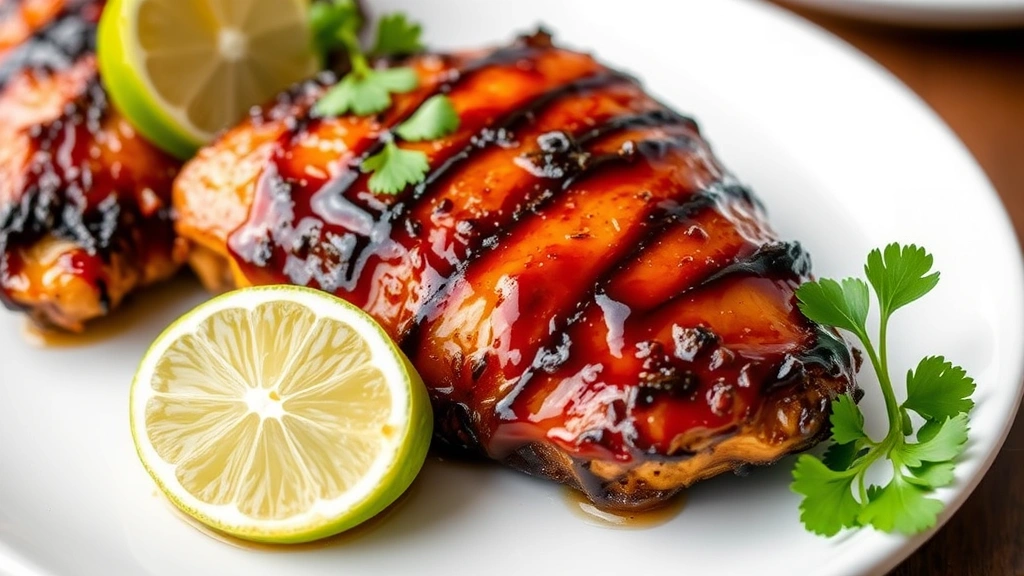
Spicy Chipotle Honey Chicken: Tried and True Recipe
There’s something magical about the combination of smoky chipotle peppers and sweet honey that transforms simple chicken into an unforgettable dish. This spicy chipotle honey chicken recipe has become a staple in kitchens everywhere because it delivers restaurant-quality results with minimal effort. The balance of heat, sweetness, and savory depth creates a flavor profile that appeals to both heat-seekers and those who prefer milder spice levels.
Whether you’re planning a weeknight dinner for your family or impressing guests at a dinner party, this recipe delivers consistently delicious results. The beauty of this dish lies in its versatility—you can grill it, bake it, pan-sear it, or even slow-cook it depending on your schedule and available equipment. The glaze caramelizes beautifully, creating a sticky, flavorful coating that keeps the chicken moist and tender throughout cooking.
I’ve tested this recipe dozens of times with various techniques and ingredient ratios, and I’m sharing the version that works best across different cooking methods and chicken cuts. This is the tried-and-true approach that delivers results every single time.
Ingredients You’ll Need
The foundation of this chipotle honey chicken recipe starts with quality ingredients. While the ingredient list is relatively short, each component plays a crucial role in the final flavor profile. Here’s everything you’ll need:
For the Chicken
- 4-6 boneless, skinless chicken breasts (about 2 pounds), or 8-10 bone-in, skin-on thighs for more flavor
- 1 teaspoon kosher salt
- ½ teaspoon freshly ground black pepper
- 1 tablespoon olive oil (for pan-searing method)
For the Chipotle Honey Glaze
- ¼ cup honey (raw or processed, both work well)
- 3 tablespoons chipotle peppers in adobo sauce (about 3-4 whole peppers)
- 2 tablespoons sour cream or Greek yogurt
- 1 tablespoon lime juice (fresh preferred)
- 2 cloves garlic, minced
- 1 teaspoon cumin
- ½ teaspoon smoked paprika
- ¼ teaspoon cayenne pepper (optional, for extra heat)
- Salt and pepper to taste
The chipotle peppers in adobo sauce are essential—they provide the signature smoky heat that defines this dish. Don’t substitute with dried chipotles unless you rehydrate them first. The sour cream adds richness and balances the heat, while lime juice provides brightness that prevents the sauce from becoming too heavy.
Making the Chipotle Honey Sauce
Creating the perfect sauce is where this recipe truly shines. The sauce is deceptively simple but requires proper technique to achieve the right consistency and flavor balance. This is where you’ll want to pay close attention to the details.
Step-by-Step Sauce Instructions
- Prepare your ingredients: Remove the chipotle peppers from the adobo sauce and place them in a food processor or blender. You’ll use about 3-4 whole peppers, depending on how spicy you want the final dish. Reserve 1 tablespoon of the adobo sauce separately.
- Blend the base: Add the honey, sour cream, lime juice, minced garlic, reserved adobo sauce, cumin, and smoked paprika to the food processor with the chipotle peppers. Blend until completely smooth, about 30-45 seconds. The mixture should look like a creamy sauce with no visible pepper chunks.
- Taste and adjust: This step is crucial. Taste the sauce and adjust seasonings. If it’s too spicy, add more sour cream or honey. If it needs more heat, add the optional cayenne pepper. If it lacks depth, add a pinch more cumin or smoked paprika. The sauce should taste balanced—you should taste the honey sweetness, the chipotle smoke, and the lime brightness equally.
- Check consistency: The sauce should be pourable but thick enough to coat the back of a spoon. If it’s too thin, add another tablespoon of sour cream. If it’s too thick, thin with a teaspoon of lime juice or water.
- Set aside: Reserve about ½ cup of the sauce for serving alongside the finished chicken. Use the remaining sauce for marinating and cooking.
Many home cooks make the mistake of not properly blending the sauce, which results in chunks of pepper that don’t distribute evenly. A smooth, homogeneous sauce ensures every bite of chicken gets the same balanced flavor. If you don’t have a food processor, you can finely mince the peppers and whisk everything together vigorously, though the texture won’t be quite as refined.
Cooking Methods Explained
One of the best aspects of this recipe is its flexibility. You can prepare it using three different methods depending on your time, equipment, and preference. Each method produces slightly different results, so choose based on your situation.
Method 1: Pan-Seared and Finished in the Oven (Best for Weeknights)
This method is the fastest and produces a beautifully caramelized exterior with a juicy interior.
- Preheat your oven to 400°F (200°C).
- Pat chicken breasts dry with paper towels and season both sides with salt and pepper.
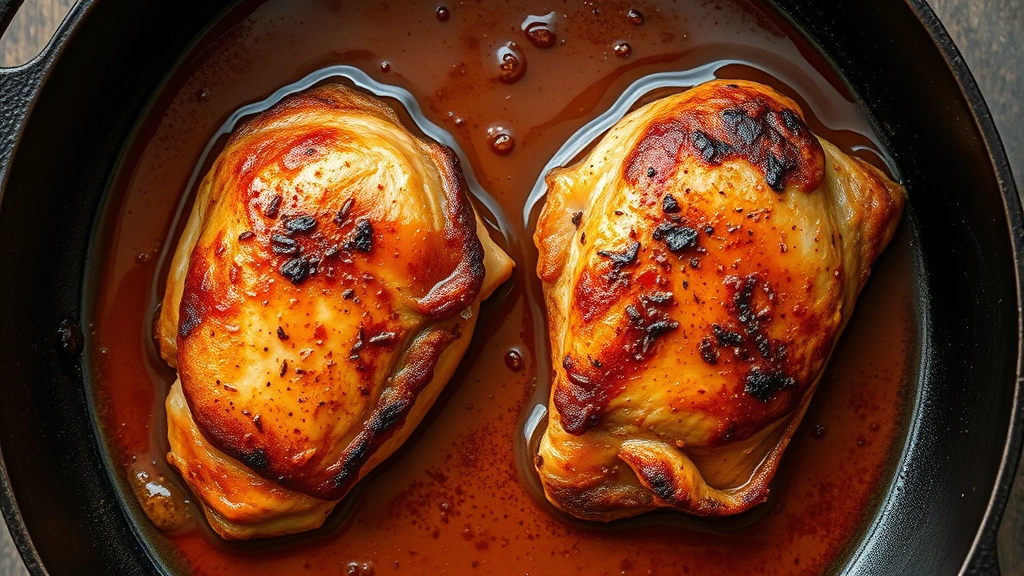
- Heat olive oil in a large oven-safe skillet over medium-high heat until shimmering (about 2 minutes).
- Once oil is hot, carefully place chicken in the skillet. Don’t move it for 4-5 minutes—this develops a golden crust. Flip and sear the other side for another 4 minutes.
- Remove skillet from heat. Brush or spoon the chipotle honey sauce generously over each chicken breast, coating all sides.
- Transfer the skillet to the preheated oven. Bake for 12-15 minutes for breasts (internal temperature should reach 165°F/74°C) or 20-25 minutes for thighs.
- Remove from oven and let rest for 5 minutes before serving. The sauce will continue to glaze and thicken slightly during resting.
Pro tip: If your skillet isn’t oven-safe, transfer the seared chicken to a baking dish before adding the sauce and baking.
Method 2: Grilled Chipotle Honey Chicken (Best for Summer)
Grilling adds incredible smoky flavor that complements the chipotle perfectly. This method works best with bone-in, skin-on chicken thighs or breasts.
- Preheat grill to medium heat (about 375°F/190°C). Oil the grates well to prevent sticking.
- Season chicken with salt and pepper. Place skin-side down on the grill.
- Grill for 6-7 minutes without moving. Flip and grill another 6-7 minutes on the second side.
- Begin basting with the chipotle honey sauce, applying a thin layer every 2 minutes for the remaining cooking time (about 4-6 minutes).
- Continue grilling until internal temperature reaches 165°F/74°C. The glaze should be sticky and slightly charred in spots.
- Transfer to a serving platter and let rest for 5 minutes. Drizzle with reserved sauce before serving.
Important: When grilling with a honey-based sauce, watch carefully to prevent burning. The honey can char quickly over high heat. Keep heat at medium to medium-high and apply the sauce in the last 8-10 minutes of cooking.
Method 3: Slow Cooker Method (Best for Busy Days)
This hands-off method is perfect for busy weekdays and produces incredibly tender, fall-apart chicken.
- Place chicken breasts or thighs in a slow cooker.
- Pour the chipotle honey sauce over the chicken, ensuring all pieces are coated.
- Cover and cook on LOW for 6-7 hours or HIGH for 3-4 hours. The chicken should be fork-tender and internal temperature should reach 165°F/74°C.
- For a thicker sauce, transfer the chicken to a serving platter and strain the cooking liquid into a saucepan. Simmer over medium heat for 10-15 minutes until reduced by half, then pour over the chicken.
- Alternatively, mix 1 tablespoon cornstarch with 2 tablespoons water, stir into the slow cooker liquid during the last 30 minutes of cooking for a thicker glaze.
The slow cooker method produces the most tender, juicy chicken because the moisture is retained throughout cooking. However, you won’t get the caramelized exterior that pan-searing provides.
Serving and Pairing Suggestions
This spicy chipotle honey chicken is incredibly versatile and pairs beautifully with numerous side dishes and serving styles. Here are tested combinations that work exceptionally well:
Side Dish Pairings
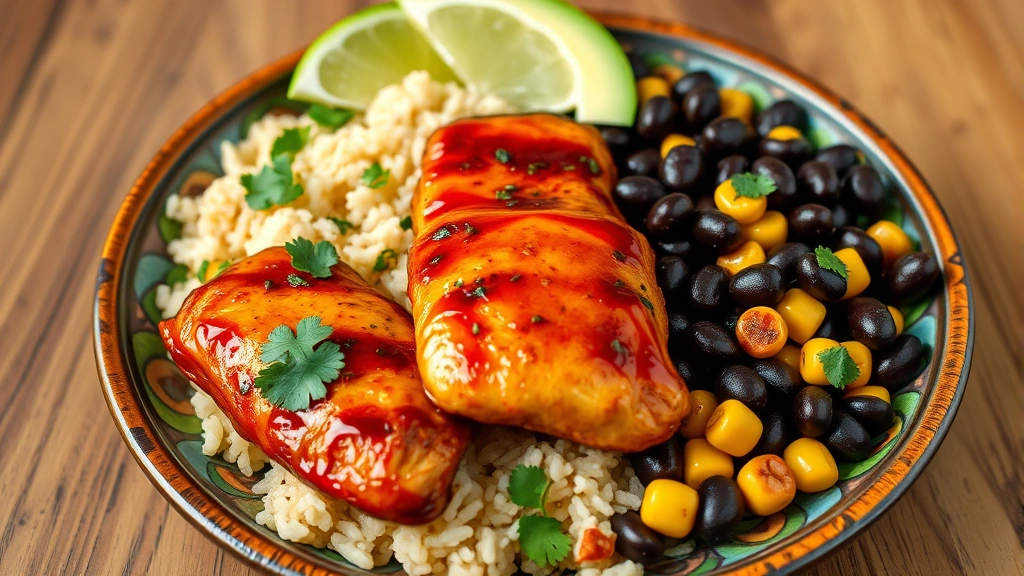
- Cilantro lime rice: The bright, citrusy rice complements the smoky chicken perfectly. Cook rice with lime juice and fresh cilantro for maximum flavor.
- Roasted sweet potatoes: The natural sweetness of sweet potatoes echoes the honey in the sauce without competing with the spice.
- Black beans and corn: Create a southwestern-inspired plate by serving alongside seasoned black beans and charred corn.
- Grilled vegetables: Zucchini, bell peppers, and red onions grill beautifully alongside the chicken and absorb the dripping glaze.
- Avocado and arugula salad: The cool, creamy avocado balances the heat of the chicken perfectly.
Creative Serving Ideas
Beyond the traditional plated dinner, consider these serving methods:
- Tacos: Shred the cooked chicken and serve in warm flour or corn tortillas with coleslaw, avocado, and extra sauce.
- Salad topping: Slice the chicken and serve over mixed greens with black beans, corn, tortilla strips, and a drizzle of the reserved sauce.
- Grain bowl: Dice the chicken and layer over quinoa or farro with roasted vegetables and a yogurt-lime dressing.
- Sandwich: Shred the chicken and serve on a toasted bun with coleslaw and extra sauce for a spicy chicken sandwich.
- Appetizers: Cut cooked chicken into bite-sized pieces and serve with toothpicks alongside the reserved sauce for dipping.
If you enjoy making bang bang sauce, you’ll appreciate how this chipotle honey glaze works similarly as a versatile condiment. Both sauces can enhance multiple dishes beyond their original purpose.
Storage and Make-Ahead Tips
This recipe is excellent for meal prep because both the sauce and cooked chicken store well. Here’s how to maximize your time in the kitchen:
Sauce Storage
The chipotle honey sauce keeps well in the refrigerator for up to 7 days in an airtight container. You can also freeze it in ice cube trays for up to 3 months, which makes it convenient to thaw just the amount you need for future meals. The sauce doesn’t separate or break down when frozen, so this is an excellent make-ahead strategy.
Cooked Chicken Storage
Leftover cooked chicken lasts 3-4 days in the refrigerator when stored in an airtight container. You can reheat it gently in the oven at 325°F/163°C for about 10 minutes, or in the microwave in 30-second intervals. To prevent drying out, add a splash of water or broth before reheating.
Make-Ahead Strategy
For the busiest weeknights, prepare the sauce 2-3 days ahead and store it in the refrigerator. You can also season the chicken with salt and pepper and store it covered in the refrigerator for up to 24 hours before cooking. Then, cooking takes only 20-30 minutes using the pan-sear and oven method.
Freezing Uncooked Chicken
You can marinate raw chicken in the sauce and freeze for up to 3 months. Thaw completely in the refrigerator before cooking. Add 5-10 minutes to cooking time since the chicken will be colder. This strategy is perfect for preparing multiple meals at once.
Recipe Variations
Once you master the basic recipe, experiment with these variations to keep the dish fresh and exciting:
Spicy Variation (For Heat Lovers)
Add ¼ teaspoon cayenne pepper, ⅛ teaspoon ghost pepper powder, or 1-2 sliced habanero peppers to the sauce. You can also increase the number of chipotle peppers from 3-4 to 5-6 for significantly more heat. Taste as you go to avoid making the sauce unbearably spicy.
Sweet Variation (For Milder Palates)
Increase the honey to ⅓ cup and reduce the chipotle peppers to 2. Add 1 tablespoon of brown sugar and 1 teaspoon of vanilla extract for deeper sweetness. This version appeals to those who prefer sweeter profiles without sacrificing the smoky chipotle flavor.
Coconut Lime Version
Replace the sour cream with ¼ cup coconut cream and add ½ teaspoon coconut extract. This variation creates a tropical twist that pairs beautifully with jasmine rice and grilled pineapple.
Mango Chipotle Variation
Add ¼ cup fresh mango puree (blend fresh mango and strain through a fine-mesh sieve) to the sauce. This adds fruity sweetness and complexity that complements the smoky heat beautifully. This variation is particularly good with homemade sauce techniques for achieving the perfect texture.
Maple Chipotle Version
Replace honey with pure maple syrup for deeper, more complex sweetness. Add ½ teaspoon of Dijon mustard for subtle sharpness. This variation evokes autumn flavors and works wonderfully with roasted root vegetables.
For those interested in building sauce-making skills, the techniques in this recipe transfer directly to making other homemade sauces. Understanding balance of sweet, spicy, and acidic components applies across many culinary applications.
FAQ
Can I use boneless, skinless chicken thighs instead of breasts?
Absolutely! Thighs are actually superior for this recipe because they’re more forgiving and stay juicier. Use boneless, skinless thighs and reduce cooking time by about 5 minutes since they’re thinner than breasts. Bone-in, skin-on thighs will take slightly longer but produce incredible flavor.
What if I can’t find chipotle peppers in adobo sauce?
You have a few options. You can order them online from specialty food retailers. Alternatively, use dried chipotle peppers: soak 3-4 dried chipotles in hot water for 15 minutes until soft, then blend with the other sauce ingredients. The flavor will be slightly different but still delicious. Some grocery stores also carry chipotle paste in tubes, which works well as a 1:1 substitute.
Can I make this recipe dairy-free?
Yes! Replace the sour cream with coconut cream, Greek yogurt alternative (like cashew-based yogurt), or even avocado for creaminess. The sauce will taste slightly different but will still be delicious. Make sure to use dairy-free alternatives in equal amounts to maintain proper sauce consistency.
How spicy is this recipe?
The recipe as written is moderately spicy—noticeable heat but not overwhelming. If you’re sensitive to spice, reduce the chipotle peppers to 2 and add more sour cream. If you love heat, increase to 5-6 chipotle peppers and add cayenne pepper. The beauty of this recipe is its adjustability to your personal heat tolerance.
Can I prepare this in advance for a dinner party?
Definitely! Prepare the sauce 2-3 days ahead. On the day of the event, you can either cook the chicken a few hours before and reheat it gently, or cook it just before serving for the best texture. The slow cooker method is perfect for entertaining because you can start it in the morning and dinner is ready when guests arrive.
What internal temperature should the chicken reach?
Chicken is safe to eat when it reaches 165°F (74°C) internally. Use an instant-read thermometer inserted into the thickest part of the meat without touching bone. This ensures the chicken is cooked through while remaining as juicy as possible.
Why is my sauce separating?
If the sauce appears to separate, it’s likely because the sour cream or dairy broke due to high heat. Prevent this by adding the sauce in the last portion of cooking (don’t let it simmer for extended periods). If it does separate, strain the sauce through a fine-mesh sieve and whisk in a tablespoon of sour cream or cream cheese to re-emulsify it.
Can I double this recipe?
Yes, doubling works perfectly! Prepare double the sauce and use double the chicken. If using the oven method, you may need two baking dishes or a larger dish, and you might need to add 5-10 minutes to the baking time depending on how crowded the pan is. For the slow cooker method, use a larger slow cooker (6-quart) and increase cooking time slightly since there’s more volume.
What wine or beverage pairs well with this dish?
A crisp, acidic white wine like Sauvignon Blanc or Albariño complements the chipotle heat beautifully. For beer lovers, a light lager or pale ale works wonderfully. A cold Mexican lager is particularly fitting. Non-alcoholic options include sparkling water with lime, horchata, or a refreshing agua fresca.
How does this compare to bang bang sauce?
While bang bang shrimp uses a creamy sriracha-based sauce, this chipotle honey chicken features a smoky, balanced sauce with prominent honey sweetness. The bang bang sauce is typically creamier and more mayo-forward, while the chipotle honey sauce is more versatile and less heavy. Both are delicious but create different flavor profiles.
Can I use this sauce on other proteins?
Absolutely! This sauce works beautifully on pork chops, salmon, shrimp, turkey breasts, and even tofu. The cooking times will vary by protein, but the flavor pairing remains excellent. You can even use it as a dipping sauce or salad dressing—just thin it with a bit of lime juice or olive oil.
Is this recipe gluten-free?
Yes! All the ingredients in this recipe are naturally gluten-free. Just verify that your specific brand of chipotle peppers in adobo sauce doesn’t contain any gluten-containing additives, though most brands are naturally gluten-free. The recipe doesn’t contain any grains or thickening agents that typically contain gluten.


