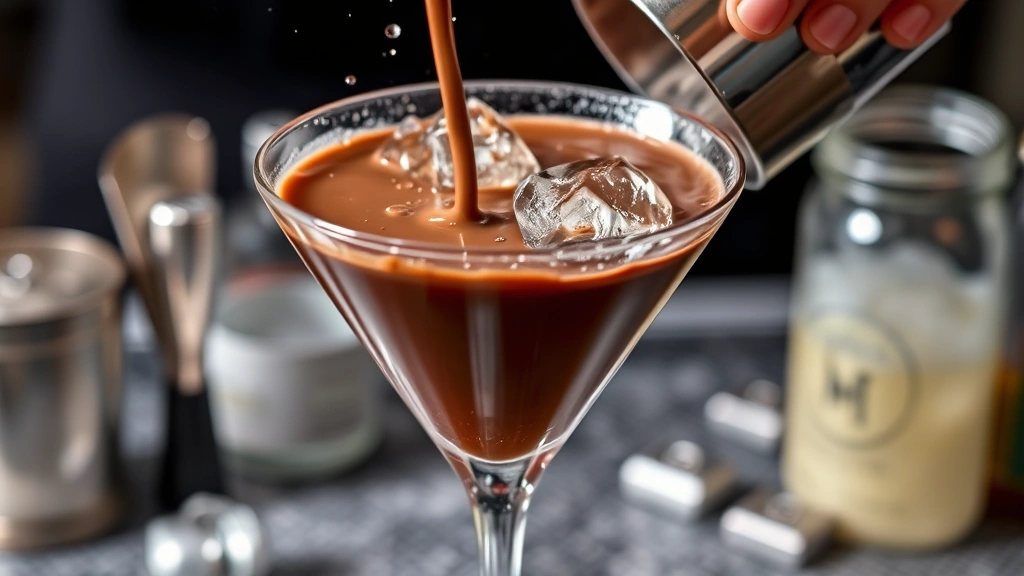
How to Mix a Chocolate Martini: Expert Tips for the Perfect Cocktail
A chocolate martini is the ultimate indulgence for those who crave the sophisticated elegance of a classic martini combined with rich, decadent chocolate flavors. Whether you’re hosting an elegant dinner party, celebrating a special occasion, or simply treating yourself to a luxurious cocktail, mastering the art of mixing a chocolate martini elevates your home bartending skills to professional levels. This velvety smooth drink has become a favorite in upscale bars and lounges worldwide, and once you understand the fundamental techniques and ingredient combinations, you’ll be able to craft this dessert cocktail with confidence and flair.
Unlike traditional martinis that rely solely on gin or vodka and vermouth, the chocolate martini introduces a delightful complexity through the incorporation of chocolate liqueurs, premium spirits, and complementary flavors. The key to achieving bartender-quality results lies in understanding proper mixing techniques, selecting high-quality ingredients, maintaining optimal temperatures, and executing precise measurements. In this comprehensive guide, we’ll explore everything you need to know about creating an exceptional chocolate martini that rivals those served in five-star establishments.
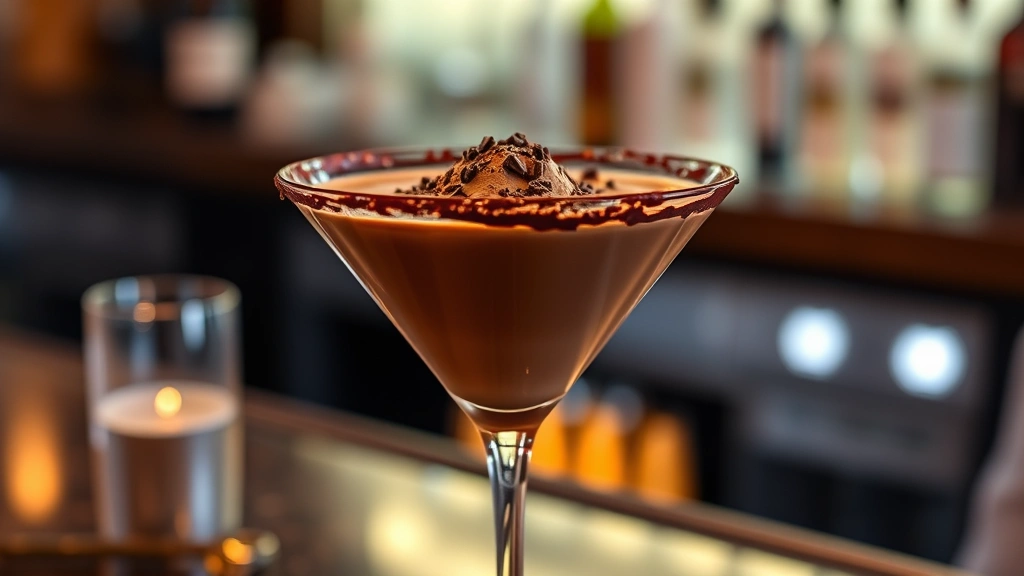
Essential Ingredients for a Chocolate Martini
The foundation of an exceptional chocolate martini begins with selecting premium ingredients that work harmoniously together. The primary components include vodka or gin as your base spirit, chocolate liqueur as the signature ingredient, and complementary spirits that enhance the overall flavor profile. Understanding each ingredient’s role ensures you create a balanced, sophisticated cocktail rather than an overly sweet concoction.
Vodka or Gin Selection: Most chocolate martinis feature vodka as the primary spirit because its neutral flavor profile allows the chocolate notes to shine without competition. Choose a premium vodka brand with a smooth finish and clean taste. If you prefer a more complex flavor dimension, high-quality gin adds botanical notes that can beautifully complement chocolate undertones. The spirit typically comprises 40-50% of your cocktail, so invest in a brand you genuinely enjoy drinking straight.
Chocolate Liqueur Varieties: This is where your chocolate martini truly distinguishes itself. Popular options include Godiva Chocolate Liqueur, which offers smooth, refined cocoa notes; Crème de Cacao, available in dark or white varieties; and Kahlúa, which provides coffee-chocolate complexity. Each liqueur brings different sweetness levels and flavor intensities, so experiment to discover your preference. Dark chocolate liqueurs create more sophisticated, less sweet martinis, while white chocolate varieties offer a creamier, more dessert-like experience.
Complementary Spirits and Liqueurs: Consider adding Bailey’s Irish Cream for a creamy texture and vanilla notes, or Frangelico hazelnut liqueur for nutty undertones that pair beautifully with chocolate. Some bartenders incorporate a touch of vanilla vodka or add a small measure of rum for depth. These secondary ingredients should enhance rather than overshadow the chocolate character. A quality balanced approach to ingredient selection ensures your martini remains sophisticated and well-rounded.
Vermouth Consideration: Traditional martinis include dry vermouth, but chocolate martinis typically omit it entirely or use only a whisper-thin coating in a rinse. The vermouth’s herbaceous notes can clash with chocolate flavors, so most expert mixologists skip this ingredient completely when crafting chocolate variations.
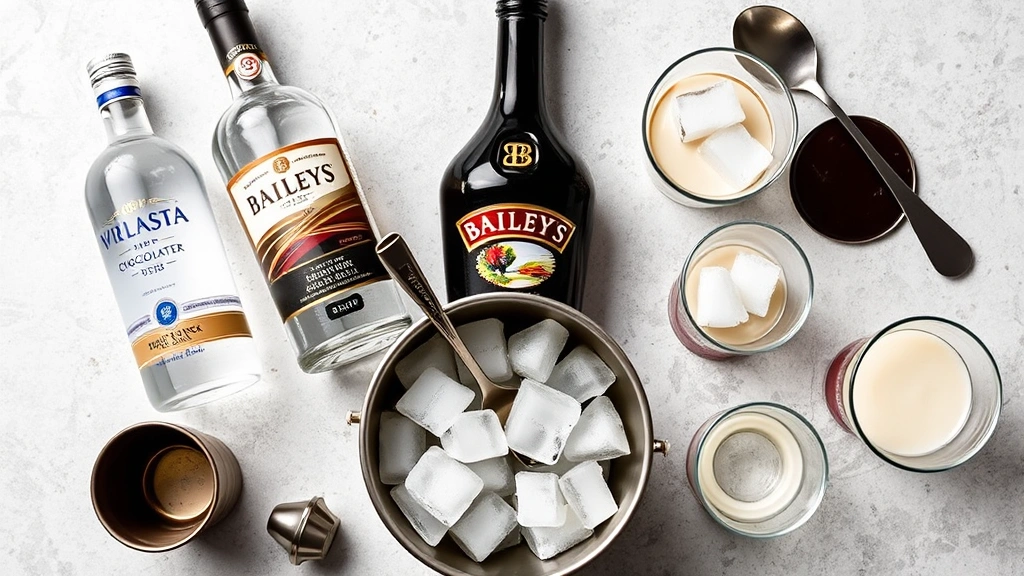
Equipment and Tools You’ll Need
Professional-quality cocktail preparation requires proper tools that enable precision, control, and elegant presentation. Having the right equipment transforms your chocolate martini from adequate to exceptional by allowing you to maintain proper temperatures and execute techniques with confidence.
Mixing and Shaking Equipment: A cocktail shaker is absolutely essential. Choose between a Boston shaker (two-part metal design) or a cobbler shaker (three-part design with built-in strainer and cap). For chocolate martinis specifically, a Boston shaker offers superior control and cooling capacity. You’ll also need a bar spoon for stirring—these long-handled spoons feature a twisted shaft that aids in proper mixing technique. A cocktail strainer ensures smooth pouring without ice fragments or dilution.
Measurement and Preparation Tools: Accurate measurements determine whether your chocolate martini achieves perfect balance or becomes cloyingly sweet. Invest in a quality jigger with both 1-ounce and 1.5-ounce measurements, or opt for a dual-sided jigger offering multiple measurement options. A bar muddler helps crush ice properly, while a citrus squeezer enables fresh juice extraction for variations. A bar towel keeps your workspace organized and your hands dry during preparation.
Glassware Selection: The classic martini glass, also called a cocktail glass, is the traditional vessel for chocolate martinis. These elegant V-shaped glasses hold approximately 5-6 ounces and provide the sophisticated presentation these cocktails deserve. Some bartenders prefer slightly larger glasses to accommodate generous garnishes. Ensure your glasses are crystal-clear, perfectly clean, and chilled before pouring.
Preparation Stations: Set up a dedicated mixing area with your shaker, strainer, bar spoon, jigger, and all bottle ingredients within arm’s reach. Keep a small bowl of ice nearby for pre-chilling glasses, and arrange your garnishes on a clean surface where you can access them quickly. Organization streamlines your preparation process and creates a more professional experience.
Step-by-Step Mixing Instructions
Mastering the technical execution of a chocolate martini involves understanding when to shake versus stir, proper ice incorporation, and precise pouring techniques. These steps transform individual ingredients into a unified, perfectly balanced cocktail.
Step One: Prepare Your Glass Begin by chilling your martini glass thoroughly. Fill it with ice and cold water, allowing it to sit while you prepare your cocktail. This ensures your finished drink remains at optimal temperature. Alternatively, place your glass in the freezer for 10-15 minutes before serving. A warm glass significantly compromises your chocolate martini’s quality, causing rapid melting and dilution.
Step Two: Gather and Measure Ingredients Assemble all your ingredients before beginning the mixing process. For a classic chocolate martini, measure 2 ounces of premium vodka, 1 ounce of chocolate liqueur, and 0.5 ounces of Bailey’s Irish Cream or additional chocolate liqueur. Having everything pre-measured prevents mistakes and ensures consistent results every time you prepare this cocktail.
Step Three: Fill Your Shaker with Ice Fill your Boston shaker approximately three-quarters full with fresh, quality ice cubes. Avoid crushed ice, which melts too quickly and over-dilutes your cocktail. Large, dense ice cubes cool your drink efficiently while minimizing unwanted water addition. Quality ice makes a remarkable difference in your final product’s smoothness and clarity.
Step Four: Add Your Ingredients Pour your measured vodka into the shaker first, followed by the chocolate liqueur and any cream-based ingredients. The order doesn’t dramatically affect the final result, but pouring base spirits first is standard bartending practice. Some mixologists add a tiny splash of simple syrup (approximately 0.25 ounces) if their chocolate liqueur isn’t sweet enough, though this depends on personal preference and specific liqueur brands.
Step Five: Execute the Shake Close your Boston shaker firmly, ensuring both parts connect securely. Shake vigorously for approximately 10-15 seconds with confident, purposeful movements. Your shaker should feel extremely cold to the touch, and you should hear the satisfying rattle of ice inside. This vigorous shaking achieves three critical objectives: thorough ingredient mixing, proper temperature reduction, and appropriate dilution that creates a smooth, well-balanced final product.
Step Six: Strain into Your Prepared Glass Remove your prepared martini glass from the freezer or ice bath and empty it completely, ensuring no water remains inside. Position your strainer over the shaker’s opening and pour with controlled, deliberate movements. The strainer prevents ice from entering your glass while allowing the perfectly mixed, chilled cocktail to flow smoothly. Fill your glass until it reaches approximately one-half inch from the rim.
Step Seven: Add Your Garnish Complete your chocolate martini with an appropriate garnish that complements the rich chocolate flavors. A chocolate-dipped rim, cocoa powder dusting, or chocolate shaving transforms your presentation from good to extraordinary. We’ll explore garnishing techniques in detail in the next section.
Mastering Temperature Control
Temperature profoundly impacts your chocolate martini’s taste, texture, and overall quality. A cocktail that’s insufficiently chilled tastes diluted and unbalanced, while one that’s perfectly chilled delivers maximum flavor impact and optimal mouthfeel. Understanding temperature principles separates amateur mixologists from skilled bartenders.
Pre-Chilling Your Glass: Never skip this critical step. A room-temperature glass rapidly warms your chilled cocktail, causing ice to melt faster and diluting your carefully crafted flavors. Freezing your glass for 15 minutes or filling it with ice and water for 5 minutes ensures the glass reaches approximately 32°F before you pour. This simple technique dramatically improves your finished product’s quality.
Ice Quality and Quantity: Use only fresh ice cubes from a clean ice maker or purchase premium ice from specialty beverage suppliers. Avoid ice that’s been in your freezer for extended periods, as it absorbs odors and flavors from surrounding foods. Fill your shaker three-quarters full with ice—this ratio provides maximum cooling surface area while allowing proper ingredient movement during shaking. Insufficient ice fails to chill your cocktail adequately, while excessive ice prevents proper mixing.
Shaking Duration: Shake for a full 10-15 seconds to achieve optimal temperature reduction. Many home bartenders shake for only 5-7 seconds, resulting in insufficiently chilled cocktails. You’ll notice your shaker becomes painfully cold to hold—this indicates you’ve achieved proper temperature. The condensation forming on your shaker’s exterior demonstrates the significant temperature reduction occurring inside.
Serving Immediately: Pour your chocolate martini immediately after straining. Delaying even briefly allows unnecessary warming and dilution. If you’re preparing multiple cocktails, work efficiently to ensure each drink reaches the guest at optimal temperature. For entertaining guests with simplified techniques, pre-chill all your glasses and prepare ingredients in advance so you can work quickly.
Garnishing Techniques and Presentation
The visual presentation of your chocolate martini creates the first impression and sets expectations for the taste experience to follow. Thoughtful garnishing elevates your cocktail from simple to spectacular while adding complementary flavors and textures.
Chocolate-Dipped Rim Technique: This classic presentation transforms your martini glass into an edible work of art. Melt high-quality dark or milk chocolate in a shallow bowl over gentle heat or using a double-boiler method. Allow the chocolate to cool slightly until it reaches approximately 90°F—warm enough to coat smoothly but cool enough to set quickly. Rim your martini glass by rubbing the edge with a damp cloth to create slight adhesion, then dip the rim into melted chocolate at a 45-degree angle, rotating slowly to ensure even coverage. Allow the chocolate to set for 2-3 minutes before pouring your cocktail.
Cocoa Powder Rim: For a more subtle presentation, create a cocoa powder rim using the same dipping technique but substituting premium unsweetened cocoa powder. The cocoa powder’s bitter notes beautifully complement the cocktail’s sweetness, creating sophisticated flavor balance. Mix cocoa powder with a small amount of powdered sugar if you prefer additional sweetness, or combine it with finely ground coffee for a mocha-inspired variation.
Chocolate Shavings and Curls: Top your finished chocolate martini with delicate chocolate shavings or curls created using a microplane grater or vegetable peeler. Hold a chocolate bar at a 45-degree angle and carefully draw the peeler toward you, creating thin, elegant curls that float atop your cocktail. This garnish adds visual interest and provides bursts of pure chocolate flavor with each sip.
Chocolate-Covered Berries: Dip fresh raspberries or strawberries in melted chocolate and allow them to set on parchment paper. Place one or two chocolate-covered berries on the rim of your martini glass or float them in the cocktail itself. These add color contrast, textural variety, and fruity notes that complement chocolate beautifully.
Whipped Cream Topping: A modest dollop of freshly whipped cream crowns your chocolate martini luxuriously. Whip heavy cream with a touch of powdered sugar and vanilla extract until soft peaks form. Spoon a small amount onto your cocktail and dust with cocoa powder or chocolate shavings. This transforms your martini into an indulgent dessert cocktail experience.
Variations and Flavor Combinations
Once you’ve mastered the classic chocolate martini, exploring creative variations allows you to customize this cocktail to your unique preferences and impress guests with innovative presentations. The foundational techniques remain constant while ingredient substitutions create entirely new flavor experiences.
Mint Chocolate Martini: Add 0.5 ounces of crème de menthe to your classic chocolate martini recipe for refreshing mint-chocolate harmony reminiscent of classic candy combinations. The cooling mint sensation balances the richness of chocolate, creating a more dynamic, interesting flavor profile. This variation pairs exceptionally well with chocolate-covered berries as garnish.
Espresso Chocolate Martini: Incorporate 0.75 ounces of freshly brewed espresso that’s been cooled to room temperature, along with a tiny splash of simple syrup if desired. The coffee-chocolate combination creates sophisticated mocha notes that appeal to coffee enthusiasts. A dusting of cocoa powder combined with finely ground espresso beans makes an elegant rim treatment for this variation.
Salted Caramel Chocolate Martini: Combine your classic chocolate martini with 0.5 ounces of salted caramel liqueur or homemade salted caramel syrup. The salt’s savory notes provide complexity and prevent the cocktail from becoming cloying. A salted caramel rim or a single fleur de sel crystal perched on the glass rim completes this indulgent variation. This approach works beautifully when planning elegant dinner pairings that include dessert courses.
Coconut Chocolate Martini: Substitute coconut rum for half your vodka and add 0.5 ounces of coconut liqueur or cream of coconut. This tropical variation creates a sophisticated vacation-inspired cocktail with chocolate-coconut harmony. Rim your glass with shredded toasted coconut mixed with cocoa powder for authentic presentation.
Spiced Chocolate Martini: Add a pinch of cayenne pepper, cinnamon, or a small dash of hot sauce to your shaker when preparing your cocktail. The subtle spice heat contrasts beautifully with chocolate’s sweetness, creating a complex, memorable flavor experience. This variation appeals to adventurous palates seeking something beyond traditional chocolate flavors.
Orange Chocolate Martini: Incorporate 0.5 ounces of orange liqueur (Cointreau or Grand Marnier) into your classic recipe. The citrus notes brighten chocolate’s richness while adding complexity and sophistication. A thin orange peel twisted over the cocktail’s surface releases aromatic oils that enhance the drinking experience.
Bourbon Chocolate Martini: For a warming, sophisticated variation, substitute 1 ounce of premium bourbon for half your vodka. The bourbon’s vanilla, oak, and caramel notes create beautiful harmony with chocolate, resulting in a cocktail that appeals to spirits enthusiasts. This variation works perfectly for after-dinner entertaining and special occasions.
White Chocolate Martini: Replace traditional chocolate liqueur with white chocolate liqueur or create a white chocolate version using vanilla vodka, white crème de cacao, and a touch of cream. White chocolate’s subtle, buttery sweetness creates a lighter, more delicate flavor profile than dark chocolate variations. Garnish with white chocolate shavings or a white chocolate-dipped rim.
Nutella Martini: Add 0.75 ounces of Nutella hazelnut chocolate spread mixed with a small amount of warm water to create a pourable consistency, or use hazelnut chocolate liqueur. This variation appeals to Nutella enthusiasts and creates an indulgent, dessert-like experience. A hazelnut rim treatment completes this playful variation.
Understanding these variations allows you to adapt your chocolate martini recipe based on available ingredients, personal preferences, and guest preferences. Each variation maintains the foundational techniques while introducing new flavor dimensions that keep your cocktail repertoire fresh and exciting.
For deeper insights into cocktail science and professional mixing techniques, explore resources like the International Bartenders Association, which provides standardized cocktail recipes and professional guidelines. Additionally, Difford’s Guide offers comprehensive cocktail information and expert techniques, while Kindred Cocktails provides a community-driven resource for exploring creative variations and sharing bartending experiences.
Learning about ingredient sourcing and quality considerations can enhance your cocktail-making journey. Resources like SevenFiftySeven provide expert reviews and education about spirits and liqueurs, helping you select premium ingredients for your chocolate martinis. Additionally, MasterClass mixology courses offer professional instruction from renowned bartenders who share advanced techniques and creative approaches to cocktail creation.
FAQ
Can I prepare a chocolate martini without an alcohol ingredient?
Yes, absolutely. Create a non-alcoholic chocolate martini by substituting chocolate liqueur with chocolate syrup or melted chocolate mixed with a bit of water, and replace vodka with additional cream, milk, or chocolate milk. The resulting mocktail maintains the luxurious chocolate flavor while eliminating alcohol content. Shake with ice using identical techniques, and garnish identically for an elegant non-alcoholic option.
How far in advance can I prepare chocolate martinis for a party?
Prepare chocolate martinis immediately before serving to maintain optimal temperature and prevent excessive dilution. However, you can prepare ingredients in advance by measuring spirits and liqueurs into bottles, pre-chilling glasses in your freezer, and preparing garnishes several hours ahead. When guests arrive, you’ll be able to mix cocktails quickly while maintaining professional quality.
What’s the best chocolate liqueur for chocolate martinis?
Quality depends on personal preference and desired sweetness level. Godiva Chocolate Liqueur offers smooth, refined flavors; Crème de Cacao provides classic chocolate notes; and Kahlúa adds coffee complexity. Experiment with different brands to discover your preference. Premium liqueurs create noticeably superior cocktails compared to budget options.
Should I shake or stir a chocolate martini?
Shaking is the preferred technique for chocolate martinis because cream-based ingredients (like Bailey’s Irish Cream) require vigorous mixing to achieve proper emulsion and smooth texture. Stirring alone fails to adequately mix cream components, resulting in separated, unbalanced cocktails. Always shake chocolate martinis for optimal results.
Can I make chocolate martinis in large batches for entertaining?
Yes, multiply your recipe by the number of cocktails needed and combine all ingredients in a large pitcher or punch bowl with adequate ice. Stir thoroughly for 30-45 seconds to ensure complete mixing and proper temperature reduction. However, cocktails prepared in batches cool more slowly than individually shaken drinks, so serve immediately and keep additional ice available to maintain temperature throughout your event.
What food pairings work best with chocolate martinis?
Chocolate martinis pair beautifully with rich desserts like chocolate cake, mousse, or brownies. They also complement cheese boards featuring dark chocolate or chocolate-infused cheeses. For savory pairings, consider chocolate-covered pretzels, salted nuts, or spiced appetizers. The cocktail’s richness suggests pairing with similarly indulgent foods or elegant desserts rather than light appetizers.
How do I prevent my chocolate martini from becoming too sweet?
Use high-quality, less-sweet chocolate liqueurs and avoid adding additional sweeteners like simple syrup. Balance chocolate’s sweetness with bitter cocoa powder in your garnish, or incorporate complementary flavors like coffee, mint, or citrus. Proper proportioning of ingredients—ensuring vodka comprises the majority of your cocktail—prevents excessive sweetness.
Can I use chocolate syrup instead of chocolate liqueur?
While possible, chocolate syrup creates a thicker, less balanced cocktail compared to chocolate liqueur. Syrup doesn’t blend as smoothly and can settle at the bottom of your glass. If you must use syrup, thin it with a small amount of water before shaking, and shake vigorously to ensure complete mixing. Chocolate liqueur remains the superior choice for professional results.


