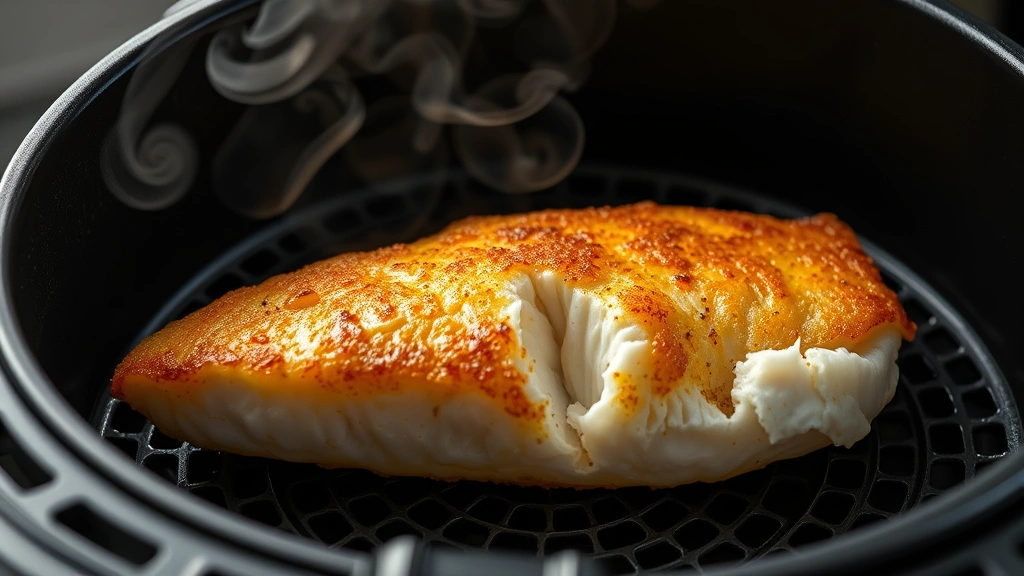
Crispy Cod in Air Fryer: Chef’s Secret Recipe for Perfect Results Every Time
Air fryers have revolutionized home cooking, and mastering crispy cod in an air fryer is one of the most rewarding skills you can develop. This chef-tested recipe delivers restaurant-quality fish with a golden, crunchy exterior and tender, flaky flesh inside—all without deep frying. Unlike traditional methods that require gallons of oil and careful temperature monitoring, air frying produces exceptional results with minimal effort and cleanup.
The secret to achieving that coveted crispy texture lies in understanding how air fryer technology works, selecting the right cod fillets, and applying professional seasoning techniques. Whether you’re preparing a weeknight dinner or impressing guests, this comprehensive guide reveals every technique professional chefs use to transform simple cod into an unforgettable dish. You’ll discover why this method outperforms pan-frying, the importance of proper preparation, and how to customize the recipe to match your taste preferences.
Why Air Fryer Cod Wins Every Time
Professional chefs have embraced air fryer technology because it delivers consistent, superior results compared to traditional cooking methods. Crispy cod in an air fryer achieves the perfect balance of texture that home cooks struggle with using conventional techniques. The rapid circulation of hot air creates a Maillard reaction—the chemical process that develops golden-brown color and complex flavors—while maintaining moisture inside the fish.
The advantages extend beyond taste. Air frying requires minimal oil, making this recipe ideal if you’re following a high protein recipes for weight loss plan. Cod contains approximately 20 grams of protein per 100-gram serving, making it an excellent choice for health-conscious cooking. The cooking process takes just 12-15 minutes from start to finish, perfect for busy weeknights when you need dinner on the table quickly.
Unlike pan-frying, which requires constant attention and oil splatter management, air frying is nearly hands-off. You won’t need to flip the fish midway through cooking, and there’s no risk of oil temperature fluctuations affecting your results. The enclosed chamber maintains consistent heat distribution, ensuring every batch turns out identically crispy.
Selecting and Preparing Your Cod Fillets
The foundation of an exceptional dish begins with ingredient selection. Fresh cod fillets make an enormous difference in final results. When shopping, look for fillets that are firm to the touch with translucent flesh and a mild ocean aroma. Avoid any fish with a strong ammonia smell, which indicates age and deterioration. Ideally, purchase cod from a reputable fishmonger rather than pre-packaged supermarket options.
Thickness matters significantly in air fryer cooking. Select fillets that are approximately 3/4 to 1 inch thick. Thinner fillets cook too quickly and dry out, while thicker pieces may cook unevenly. If your fillets vary in thickness, gently pound thinner sections to create uniform thickness across each piece. This ensures every portion cooks in the same timeframe.
Pat your cod completely dry before seasoning—this is non-negotiable for achieving crispiness. Moisture is the enemy of browning. Use paper towels to thoroughly dry both sides and edges of each fillet. Many home cooks skip this step and wonder why their results lack crispness. Professional kitchens dedicate time to this preparation because they understand the science behind it.
Allow fillets to rest at room temperature for 10-15 minutes before cooking. Cold fish straight from the refrigerator requires longer cooking times and may not cook evenly. Room temperature fish cooks more predictably and develops better browning.
The Chef’s Secret Seasoning Blend
This is where professional technique separates exceptional dishes from mediocre ones. Rather than using basic salt and pepper, chefs employ a layered seasoning strategy that builds complexity and depth. The foundation includes:
- Sea salt (1 teaspoon per two fillets) – Use quality sea salt rather than table salt for better flavor and mineral content
- Fresh cracked black pepper (1/2 teaspoon) – Freshly ground pepper delivers more aromatic compounds than pre-ground varieties
- Garlic powder (1/2 teaspoon) – Provides savory depth without overwhelming the delicate fish flavor
- Onion powder (1/4 teaspoon) – Adds subtle sweetness and umami complexity
- Paprika (1/4 teaspoon) – Contributes color and mild peppery notes
- Lemon zest (1/2 teaspoon) – Fresh zest brightens the flavor profile
- Dried thyme (1/4 teaspoon) – Herbaceous notes complement fish naturally
Combine all dry ingredients in a small bowl before applying to fillets. This ensures even distribution rather than clumpy seasoning. The lemon zest is crucial—it provides brightness without the acidity of juice, which can cook the fish’s exterior before the interior finishes.
For those seeking additional flavor dimensions, consider these optional additions: Old Bay seasoning for a coastal profile, cayenne pepper for subtle heat, or fresh dill for herbaceous notes. The key is restraint—you want seasoning that enhances rather than masks the delicate cod flavor.
Step-by-Step Cooking Instructions
Step 1: Prepare Your Air Fryer
Preheat your air fryer to 400°F for 3-5 minutes. This critical step ensures immediate, even cooking when you place fillets inside. A properly preheated air fryer creates instant surface browning through the Maillard reaction. Don’t skip preheating, as it’s the difference between crispy and soggy results.
Step 2: Oil Application
Lightly spray or brush each dried cod fillet with high-heat cooking oil. Use an oil with a smoke point above 400°F—avocado oil, light olive oil, or vegetable oil work perfectly. The oil is essential for browning and creating crispiness. Apply it sparingly; you only need a thin coating. Use approximately 1/2 teaspoon per fillet. This minimal oil approach keeps the recipe light while achieving professional results.
Step 3: Season Generously
Apply your seasoning blend evenly across both sides of each oiled fillet. Press seasonings gently so they adhere to the oil. Season just before cooking to prevent salt from drawing out moisture and making the surface wet.
Step 4: Arrange in Air Fryer Basket
Place fillets in a single layer, skin-side down if your fillets have skin. Ensure fillets don’t overlap—air circulation is crucial for even cooking and browning. If your air fryer basket is small, you may need to cook in batches. Never overcrowd, as this creates steam rather than the dry heat needed for crispiness.
Step 5: Cook Without Flipping
Set timer for 12-14 minutes depending on fillet thickness. Do not flip fillets during cooking. The air circulation cooks both sides simultaneously. Flipping disturbs the crust formation and can damage delicate fish.
Step 6: Check for Doneness
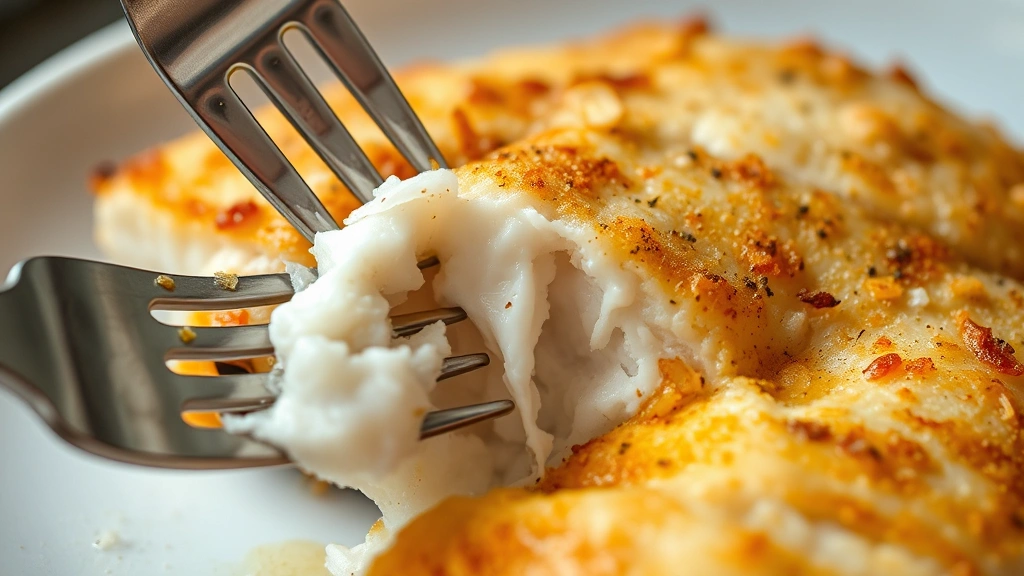
Cod is properly cooked when the flesh flakes easily with a fork and reaches an internal temperature of 145°F (63°C). The flesh should appear opaque white throughout with no translucent sections. Use an instant-read thermometer for accuracy, inserting it at the thickest part of the fillet.
Step 7: Rest Before Serving
Allow cooked fillets to rest 2-3 minutes before serving. This brief rest allows residual heat to distribute evenly and helps the crust set properly. Serve immediately for optimal crispness.
Temperature and Timing Mastery
Understanding air fryer temperatures is essential for consistent results. 400°F is the optimal temperature for cod, but variables affect exact timing. Fillet thickness is the primary factor—1/2 inch thick fillets cook in 10-12 minutes, while 1-inch thick fillets need 13-15 minutes. The second variable is your specific air fryer model, as brands vary slightly in heating efficiency.
Keep a cooking journal documenting your first few batches. Note your air fryer model, fillet thickness, cooking time, and results. This personalized data becomes invaluable for achieving consistency. After 2-3 batches, you’ll develop intuition for your specific machine.
If your first attempts are undercooked, add 2-3 minutes and check again. Overcooked cod becomes dry and loses its appeal. It’s better to undercook slightly and add time than to overcook. Remember that fish continues cooking slightly from residual heat after removal from the air fryer.
For extra crispy results that rival deep-fried versions, increase temperature to 420°F but reduce cooking time to 11-13 minutes. Monitor carefully, as higher temperatures increase browning speed. This technique produces spectacular results but requires attention to prevent overcooking.
Serving Suggestions and Pairings
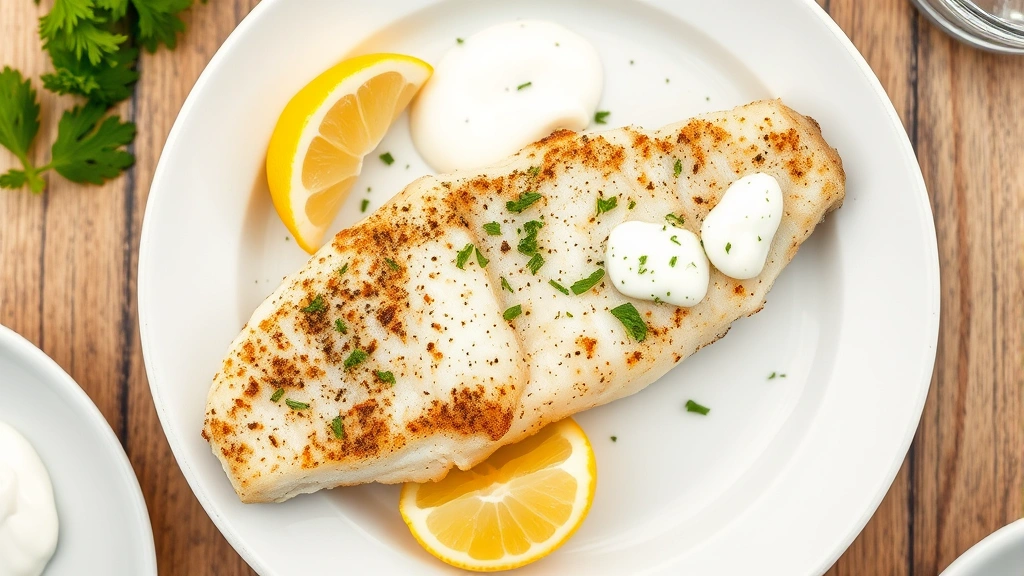
Crispy cod pairs beautifully with numerous sides and sauces. For a health-conscious approach, serve alongside roasted vegetables and brown rice. For traditional fish and chips vibes, pair with homemade air-fried potato wedges and coleslaw.
Consider these exceptional sauce pairings that elevate your dish:
- Tartar sauce – The classic choice providing tangy richness
- Lemon butter sauce – Simple elegance with bright acidity
- Sriracha mayo – Modern fusion with heat and creaminess
- Dill yogurt sauce – Light, tangy, and herbaceous
- Malt vinegar – Traditional British accompaniment
For complete meal planning, pair this recipe with quick and easy pasta recipes featuring lemon or white wine sauces. Alternatively, create a recipe binder section dedicated to seafood preparations for easy reference during meal planning.
Beverage pairings matter equally. Serve with crisp white wines like Sauvignon Blanc or Pinot Grigio, or non-alcoholic options like sparkling water with lemon. The acidity in these beverages complements the rich, crispy fish perfectly.
Troubleshooting Common Issues
Problem: Fillets Are Soggy, Not Crispy
This occurs when moisture remains on the fish surface before cooking. Solution: Dry fillets more thoroughly with paper towels, allow them to rest at room temperature longer, and ensure adequate oil coating. Also verify your air fryer preheats fully—insufficient preheat temperature prevents proper browning.
Problem: Exterior Burns While Interior Remains Undercooked
This indicates temperature is too high or fillets are too thick. Solution: Reduce temperature to 390°F and add cooking time. Alternatively, pound thicker fillets to uniform thickness. Check your air fryer’s accuracy with an oven thermometer—some machines run hotter than displayed.
Problem: Fillets Stick to Basket
Insufficient oil or basket coating causes sticking. Solution: Use parchment paper designed for air fryers, which allows air circulation while preventing sticking. Alternatively, apply more oil to both the fillet and basket. Some cooks lightly oil the basket before cooking.
Problem: Uneven Cooking or Hot Spots
This occurs in air fryers with uneven heat distribution. Solution: Rotate basket position halfway through cooking, or arrange fillets strategically in areas you’ve identified as hotter. Keep notes on your air fryer’s hot spots for future reference.
Problem: Fish Tastes Bland
Insufficient seasoning or poor quality salt causes this issue. Solution: Increase seasoning quantities slightly, use higher-quality sea salt, and add fresh lemon zest. Consider adding fresh herbs like parsley or dill immediately before serving for bright flavor.
FAQ
Can I use frozen cod fillets?
Yes, but thaw them completely first and pat dry thoroughly. Frozen fillets contain more surface moisture, requiring extra drying time. Cook thawed fillets using the same temperature and timing as fresh fish.
What’s the best oil for air frying cod?
Avocado oil is ideal due to its high smoke point (520°F) and neutral flavor. Light olive oil, vegetable oil, and canola oil work well. Avoid extra virgin olive oil, which has a lower smoke point and strong flavor that overpowers delicate cod.
Can I cook multiple fillets at once?
Yes, if your air fryer basket accommodates them without overlapping. Overcrowding reduces air circulation and prevents even cooking. If necessary, cook in batches rather than compromising results.
How do I know when cod is perfectly cooked?
Properly cooked cod flakes easily with a fork, appears opaque white throughout, and reaches 145°F internal temperature. The flesh should be tender, not rubbery or mushy. Use an instant-read thermometer for accuracy.
Can I prepare cod in advance?
Prepare and season fillets up to 2 hours before cooking, storing them covered in the refrigerator. Don’t oil until just before cooking, as oil can make the surface wet. Remove from refrigerator 10 minutes before cooking to bring to room temperature.
What sides pair best with air fryer cod?
Roasted vegetables, rice, quinoa, and potatoes complement cod beautifully. You could also serve with low carb chicken recipes for meal prep inspiration using similar cooking techniques. For lighter meals, serve with fresh salads and vinaigrette dressings.
Is air fryer cod healthier than deep-fried versions?
Absolutely. Air frying uses approximately 1-2 teaspoons of oil versus cups required for deep frying. This reduces calorie content significantly while maintaining the crispy texture. Air-fried cod remains an excellent protein source for health-conscious eating and high protein recipes for weight loss plans.
Can I use this recipe for other white fish?
Yes. Halibut, haddock, tilapia, and sea bass cook beautifully using this method and similar timing. Adjust cooking time slightly based on fillet thickness—thinner fish requires less time. Monitor doneness carefully with delicate fish varieties.
Why is my cod dry after cooking?
Overcooking is the primary cause. Cod continues cooking from residual heat after removal, so aim for slightly underdone when checking. Additionally, ensure fillets are uniform thickness. Thin sections overcook while thick sections cook through. Finally, avoid opening the air fryer basket repeatedly, which releases heat and extends cooking time.
Can I cook cod with skin on?
Yes. Place fillets skin-side down in the air fryer basket. The skin crisps beautifully and provides a protective barrier preventing drying. Some people enjoy eating the crispy skin, while others remove it before serving.
How should I store leftover cooked cod?
Store in an airtight container in the refrigerator for up to 3 days. Reheat gently in a 350°F air fryer for 3-4 minutes to restore crispness. Alternatively, enjoy cold as part of salads or fish tacos. Note that reheated fish won’t have the same crispness as fresh-cooked versions.
Mastering crispy cod in your air fryer transforms weeknight dinners into restaurant-quality meals. This technique, combined with proper preparation and attention to detail, consistently delivers exceptional results. Whether you’re new to air frying or refining your skills, follow these professional methods and you’ll create dishes that rival any seafood restaurant. Start with your next batch of fresh cod fillets and experience the difference that proper technique makes. Your family and guests will be impressed with the crispy exterior, tender interior, and restaurant-quality presentation of your homemade air-fried cod.


