Easy Coleslaw Recipe: Tried & True Method
Coleslaw is one of those universally beloved side dishes that appears at barbecues, potlucks, picnics, and dinner tables across the country. Yet many home cooks shy away from making it from scratch, assuming it requires special equipment or complicated techniques. The truth is that a coleslaw recipe easy enough for beginners can yield restaurant-quality results with just a sharp knife, a mixing bowl, and a few basic ingredients. Whether you’re serving it alongside pulled pork sandwiches, grilled fish, or as part of a summer spread, homemade coleslaw beats store-bought versions every single time.
This tried-and-true method has been perfected through countless kitchen experiments and real-world testing. It delivers crisp, flavorful cabbage with a perfectly balanced dressing that’s neither too tangy nor too heavy. Best of all, you can have it ready in under 15 minutes, making it ideal for last-minute meal planning. We’ll walk you through every step, from selecting the best cabbage to mastering the dressing technique that keeps your coleslaw fresh and delicious for days.
Why Homemade Coleslaw Wins
Making coleslaw at home gives you complete control over every element of the dish. Store-bought versions often contain preservatives, excess sodium, and stabilizers that affect both texture and taste. When you make your own, you decide exactly how much dressing to use, what type of vinegar provides the best flavor, and whether you want it crisp or slightly softened.
The cost difference is remarkable too. A head of cabbage costs just a few dollars and yields enough coleslaw for 8-10 servings. Compare that to pre-packaged coleslaw mixes or prepared versions from the deli counter, and you’re looking at significant savings. Beyond economics, there’s genuine satisfaction in serving something you’ve crafted yourself, especially when guests ask for your recipe.
Fresh homemade coleslaw also pairs beautifully with so many dishes. Serve it alongside your easy homemade bread recipes for a complete meal, or create a vegetable-focused spread using garden recipe ideas. The versatility makes this one recipe worth perfecting.
Ingredients You’ll Need
The beauty of a traditional coleslaw recipe lies in its simplicity. You don’t need a pantry full of exotic ingredients to create something delicious. Here’s everything you’ll need:
- 1 small to medium head of green cabbage (about 1.5 pounds) – the foundation of your coleslaw
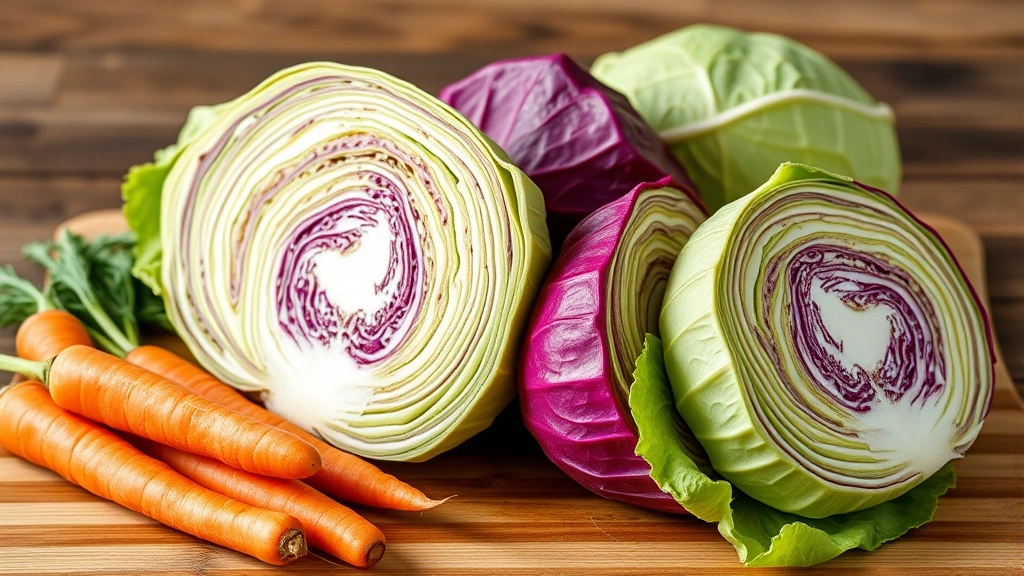
- 1/2 medium head of red cabbage (optional but recommended) – adds color and slight sweetness
- 2-3 large carrots – provides sweetness and vibrant color
- 1/3 cup mayonnaise – creates creamy richness
- 2 tablespoons apple cider vinegar – brings tangy brightness
- 1 tablespoon sugar – balances the acidity
- 1/2 teaspoon salt – enhances all flavors
- 1/4 teaspoon black pepper – adds subtle spice
- 1/2 teaspoon celery seeds (optional) – provides authentic deli flavor
These ingredient quantities make approximately 6-8 servings of coleslaw. The measurements are forgiving, so don’t stress about being exact. Taste as you go and adjust seasonings to your preference.
Essential Equipment
You might assume making coleslaw requires a mandoline or food processor, but a sharp chef’s knife works beautifully. Here’s what you truly need:
- Sharp chef’s knife (8-10 inches) – the most important tool for slicing cabbage uniformly
- Cutting board – preferably plastic to prevent cabbage juice from staining
- Large mixing bowl – for combining vegetables and dressing
- Medium mixing bowl – for whisking the dressing together
- Whisk or fork – for blending dressing ingredients smoothly
- Vegetable peeler – for shredding carrots quickly
- Measuring spoons and cups – for accurate ingredient portions
If you have a box grater or mandoline, these tools speed up the process significantly. However, the knife-and-board method produces excellent results and gives you better control over thickness.
Step-by-Step Instructions
Prep Your Vegetables (5 minutes)
Start by rinsing your cabbage under cool water and patting it dry. Moisture is the enemy of crispness, so don’t skip this step. Remove any damaged outer leaves and cut the cabbage in half from top to root. Place the cut side down on your cutting board for stability.
Slice the cabbage as thinly as possible, working from the root end toward the leafy end. Aim for pieces about 1/8-inch thick, similar to what you’d find in a restaurant coleslaw. This uniform thickness ensures even marinating and consistent texture throughout. If using red cabbage, prepare it the same way. Transfer all sliced cabbage to your large mixing bowl.
Peel your carrots and either shred them using the large holes on a box grater or use your vegetable peeler to create thin ribbons. The shredded approach is more traditional for coleslaw. Add the carrots to the bowl with the cabbage.
Make the Dressing (3 minutes)
In your medium mixing bowl, combine mayonnaise, apple cider vinegar, sugar, salt, pepper, and celery seeds if using. Whisk these ingredients together until completely smooth and well-blended. The dressing should have a consistent texture with no lumps or streaks of vinegar remaining.
Taste a small spoonful of the dressing. Does it need more tang? Add another teaspoon of vinegar. Too tangy? A pinch more sugar balances it. This tasting step is crucial because you’re adjusting to your personal preference and the specific cabbage you’re using.
Combine and Massage (4 minutes)
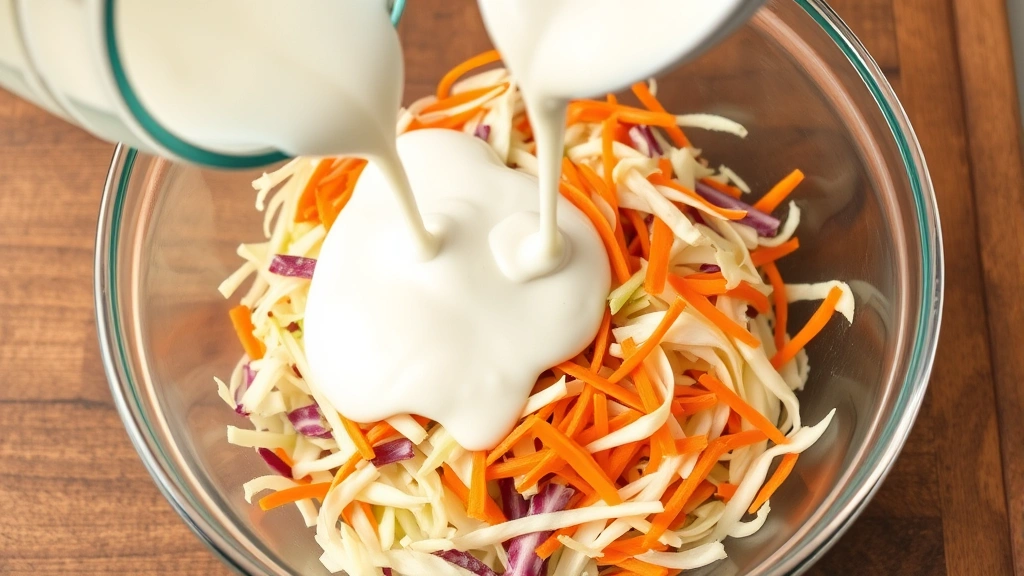
Pour the dressing over your cabbage and carrots. Using your hands or two large spoons, toss everything together until every piece of vegetable is coated. Now comes the optional but highly recommended step: massage the coleslaw gently with your hands for 1-2 minutes. This breaks down the cabbage slightly, helping it absorb the dressing and become more tender while maintaining crispness.
The massaging technique is what separates good coleslaw from great coleslaw. You’re not trying to break or shred the cabbage further; you’re simply encouraging the dressing to permeate the vegetables and release their natural juices. This creates a more cohesive dish where flavors are fully integrated.
Chill and Serve (15 minutes minimum)
Cover your bowl and refrigerate for at least 15 minutes before serving. This resting period allows flavors to meld and the coleslaw to chill thoroughly. Many cooks prefer waiting 30 minutes to an hour for even better results. The coleslaw will continue to soften slightly as it sits, releasing more of its natural moisture and becoming more flavorful.
Before serving, give it a quick stir and taste again. You may want to add a splash more vinegar or a pinch of salt depending on how the flavors have developed. Serve cold alongside your favorite main dishes.
Pro Tips for Perfect Coleslaw
Choose the Right Cabbage
Green cabbage is the standard choice because it’s mild, sweet, and has a tender texture when raw. Look for heads that feel heavy for their size and have tight, unblemished leaves. Avoid cabbage that feels light or has yellowed outer leaves. The freshness of your starting ingredient directly impacts your final coleslaw quality.
Slice Uniformly
Uniform thickness matters more than you might think. Thin pieces marinate faster and create a more pleasant eating experience. If some pieces are thick and others are thin, the thin ones become mushy while the thick ones stay tough. Take your time slicing, or invest in a mandoline if you make coleslaw regularly.
Don’t Over-Dress
It’s tempting to add more dressing for extra flavor, but restraint is key. Coleslaw should be moist, not swimming in dressing. Start with the amount specified and add more only if needed after tasting. You can always add more dressing, but you can’t remove it.
Use Quality Mayonnaise
The mayo provides the creamy base for your coleslaw, so choose a brand you like. Some cooks prefer full-fat mayo for richness, while others use Greek yogurt or a mayo-yogurt blend for lighter versions. Experiment to find your preference.
Vinegar Selection Matters
Apple cider vinegar is traditional and provides a mellow, slightly fruity tang. White vinegar is sharper and more assertive. Rice vinegar is milder and slightly sweet. Each creates a different flavor profile, so try different types to discover your favorite.
Salt Early and Often
Salt draws out moisture from the cabbage, which might seem counterintuitive for maintaining crispness. However, this moisture release is what allows the dressing to be absorbed. Some cooks sprinkle salt directly on the sliced cabbage before adding dressing, which accomplishes this more effectively.
Storage & Make-Ahead Guide
Refrigerator Storage
Properly stored coleslaw keeps for 3-5 days in an airtight container. The longer it sits, the softer it becomes as the cabbage continues to release moisture and absorb dressing. Some people love this softer texture; others prefer eating it within 24 hours when it’s crispest. Store in a glass or plastic container with a tight-fitting lid to maintain freshness and prevent odors from permeating your refrigerator.
Make-Ahead Strategy
You can prepare the vegetables up to 24 hours in advance. Slice the cabbage and carrots, store them separately in airtight containers, and keep them refrigerated. Make the dressing in a separate container. Combine everything just before serving or up to 4 hours before if you prefer softer coleslaw.
Alternatively, you can dress the coleslaw the night before an event. This actually improves the flavor as everything melds together overnight. Just give it a stir before serving and add a splash more vinegar if it’s absorbed too much of the dressing.
Freezing Coleslaw
Freezing coleslaw is not recommended because the cabbage becomes mushy when thawed. The ice crystals rupture cell walls, destroying the crisp texture that makes coleslaw appealing. Make fresh coleslaw instead, or prepare it the day before and keep it refrigerated.
Flavor Variations to Try
Asian-Inspired Coleslaw
Replace apple cider vinegar with rice vinegar, swap mayo for a blend of mayo and sesame oil, and add a teaspoon of soy sauce plus a teaspoon of ginger. Sprinkle with sesame seeds and sliced green onions. This version pairs wonderfully with Asian-inspired mains and grilled proteins.
Creamy Dill Coleslaw
Add 2 tablespoons of fresh dill (or 1 teaspoon dried dill) to your dressing. Use white vinegar instead of apple cider vinegar for a brighter flavor. This variation is perfect served alongside fish or seafood dishes.
Spicy Jalapeño Coleslaw
Add one minced jalapeño pepper to your dressing along with a pinch of cayenne pepper. Use lime juice instead of vinegar for a different tang. This fiery version complements tacos, pulled pork, and spicy grilled chicken beautifully.
Apple and Walnut Coleslaw
Add one diced apple (Granny Smith works well) and 1/4 cup toasted walnuts to your finished coleslaw. Increase the sugar slightly to balance the tartness of the apple. This sweet-savory version works as both a side dish and a light salad.
Herb-Forward Coleslaw
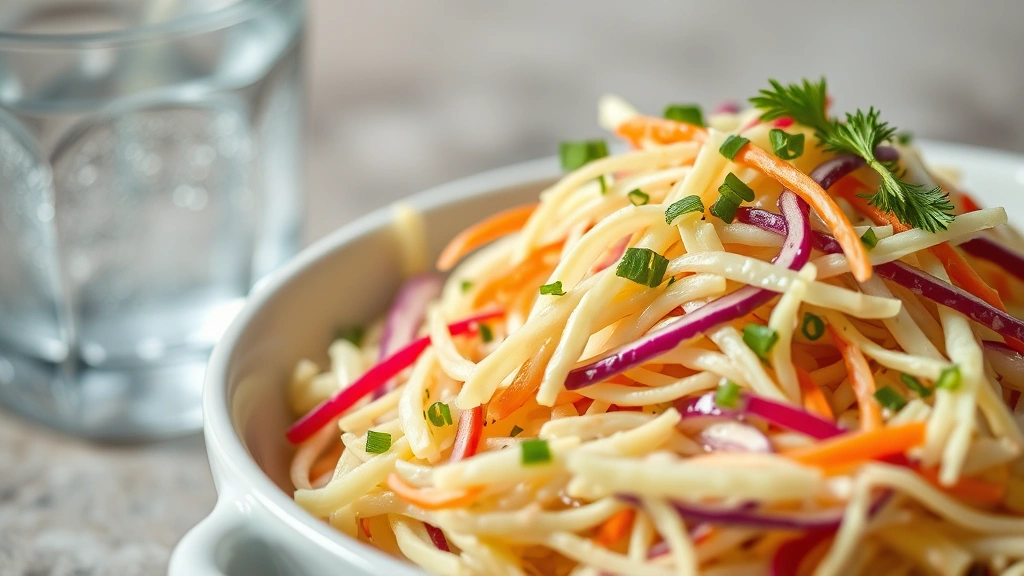
Mix fresh herbs into your dressing: parsley, chives, and tarragon create a garden-fresh flavor. Use white wine vinegar for sophistication. This elegant version elevates casual meals to something more refined.
Consider pairing your coleslaw with gluten-free cornbread or sweet bread for a complete meal. Check out food waste reduction tips to make the most of your vegetables, and use recipe cards to keep your favorite variations organized.
FAQ
Can I make coleslaw without mayonnaise?
Absolutely. Replace mayo with Greek yogurt for a tangy, lighter version, or use a vinegar-based dressing with olive oil for a completely different approach. Some cooks use a simple oil and vinegar dressing, which creates a more acidic, crisp coleslaw. Experiment to find the style you prefer.
Why is my coleslaw watery?
Over-dressing is the most common cause. Cabbage naturally releases moisture as it sits, especially if salted. Start with less dressing than you think you need and add more gradually. Also, don’t prep your coleslaw too far in advance if you prefer it crisp. Serve within 2-3 hours of dressing for optimal texture.
Can I use a food processor to shred the vegetables?
Yes, a food processor with a shredding blade speeds up preparation significantly. However, avoid over-processing, which can create pieces that are too small and become mushy. The shredding blade typically works better than the chopping blade for this purpose.
Is red cabbage coleslaw different from green?
Red cabbage has a slightly different flavor profile—slightly sweeter and earthier than green cabbage. It’s often used in equal parts with green cabbage for both color and flavor complexity. Red cabbage alone creates a coleslaw with more pronounced, distinctive taste.
How do I prevent my coleslaw from browning?
Red cabbage can oxidize and turn purple or blue when mixed with acidic dressing. This is harmless and actually quite beautiful. If you want to prevent it, keep the red and green cabbage separate until just before serving, or use mostly green cabbage with just a small amount of red for color.
Can I add other vegetables to coleslaw?
Definitely. Bell peppers, radishes, cucumber, corn, and broccoli florets all work well. Keep in mind that softer vegetables will absorb dressing and become less crisp over time. Harder vegetables like radishes maintain their texture longer. Add delicate vegetables like cucumber closer to serving time.
What’s the best way to serve coleslaw?
Serve coleslaw cold in a chilled bowl. Pair it with grilled meats, sandwiches, seafood, or tacos. It works as both a side dish and a topping. Some cooks serve it on a bed of lettuce as a light salad or stuffed into pita pockets with other ingredients.
How long does homemade coleslaw last?
Properly stored in an airtight container, coleslaw keeps for 3-5 days. The dressing-to-vegetable ratio and storage temperature affect longevity. Keep it at consistent cold temperatures and don’t let it sit at room temperature for more than 2 hours.
For more culinary guidance on dressing techniques, explore resources like the Institute of Culinary Education, which offers detailed information on vegetable preparation and food science. Additionally, Cook’s Illustrated provides tested recipes and techniques for achieving perfect results every time. For understanding the chemistry behind dressing emulsification, the Serious Eats food science section offers excellent explanations. You might also enjoy exploring The Kitchn for creative coleslaw variations and Food52 for innovative twists on classic recipes.
Making coleslaw at home is genuinely one of the easiest ways to elevate your home cooking. With this tried-and-true method, you’ll create restaurant-quality results that impress family and friends. The beauty lies in its simplicity: fresh vegetables, a balanced dressing, and proper technique. Start with this classic recipe, then experiment with the variations until you discover your signature version. Soon, you’ll be making coleslaw so delicious that guests will ask you to bring it to every gathering.


