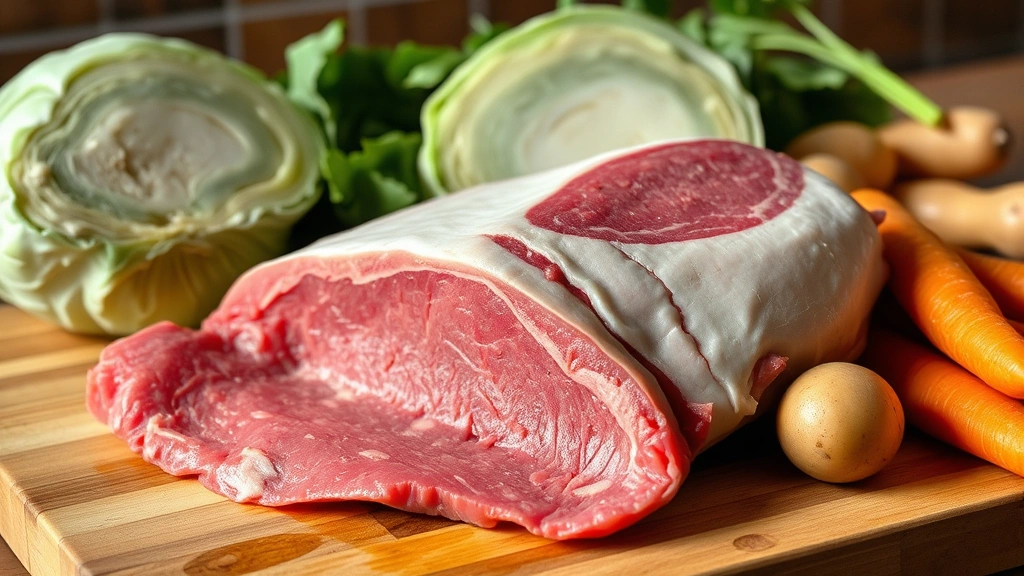
Corned Beef & Cabbage: Slow Cooker Classic Recipe
There’s something undeniably comforting about a slow cooker meal that practically cooks itself while you go about your day. Corned beef and cabbage is one of those timeless dishes that transforms simple ingredients into a deeply satisfying, restaurant-quality dinner with minimal effort. This traditional Irish-American classic has graced dinner tables for generations, and for good reason—the combination of tender, savory corned beef and sweet, caramelized cabbage is pure comfort food magic.
Using a slow cooker elevates this dish even further, allowing the flavors to meld and develop over hours while the meat becomes impossibly tender. Unlike stovetop methods that require constant attention, the crock pot does the heavy lifting for you. Whether you’re preparing this for St. Patrick’s Day, a casual family dinner, or meal planning for the week ahead, this slow cooker corned beef and cabbage recipe delivers authentic flavor with a fraction of the fuss.
The beauty of this recipe lies in its simplicity and reliability. No special skills required—just layer your ingredients, set the timer, and return to a kitchen filled with the most enticing aromas. Let’s dive into everything you need to know to create this beloved classic in your crock pot.
Why Choose the Slow Cooker Method
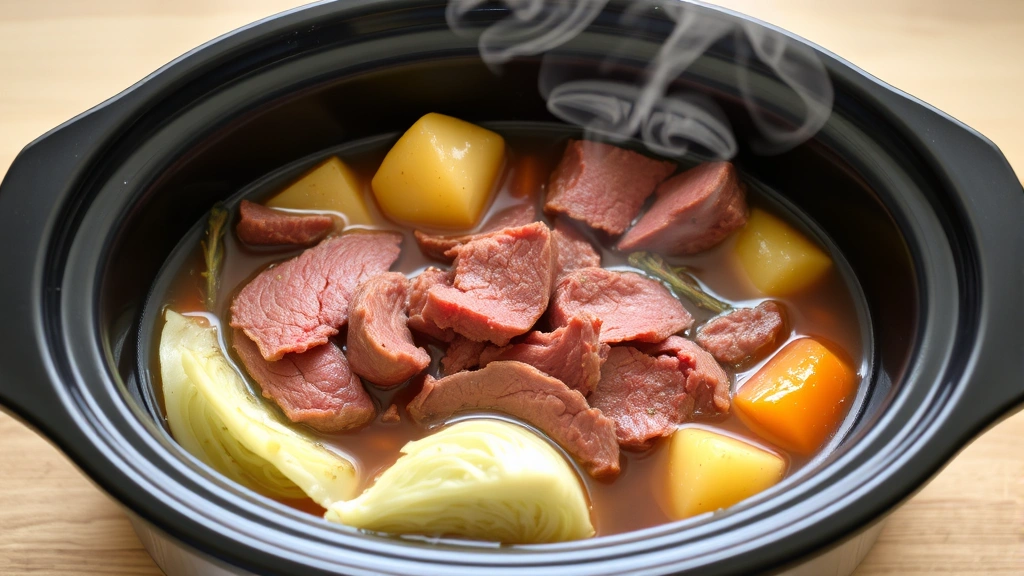
The slow cooker method for corned beef and cabbage offers distinct advantages over traditional stovetop cooking. First and foremost is convenience. Traditional boiling methods require monitoring water levels, managing heat, and timing each ingredient separately to prevent overcooking. With a crock pot, you simply combine ingredients and let time do the work. This hands-off approach is perfect for busy weeknights or when you want to focus on other tasks.
The low, steady heat of a slow cooker creates an ideal environment for the tough cuts of meat typically used for corned beef. This cut, which comes from the brisket, contains significant connective tissue that breaks down into gelatin through slow, moist cooking. The result is meat so tender it practically melts in your mouth—something that’s harder to achieve with faster cooking methods. The extended cooking time also allows the spice rub and pickling spices to penetrate deeper into the meat, creating more complex, well-rounded flavors.
Energy efficiency is another practical benefit. Slow cookers use considerably less electricity than heating a large pot of water on the stove for hours. They also don’t heat up your kitchen the way a boiling pot does, making them ideal for warmer months. Additionally, the moist cooking environment means there’s no risk of the meat drying out, which can happen if you’re not careful with stovetop methods.
Ingredients You’ll Need
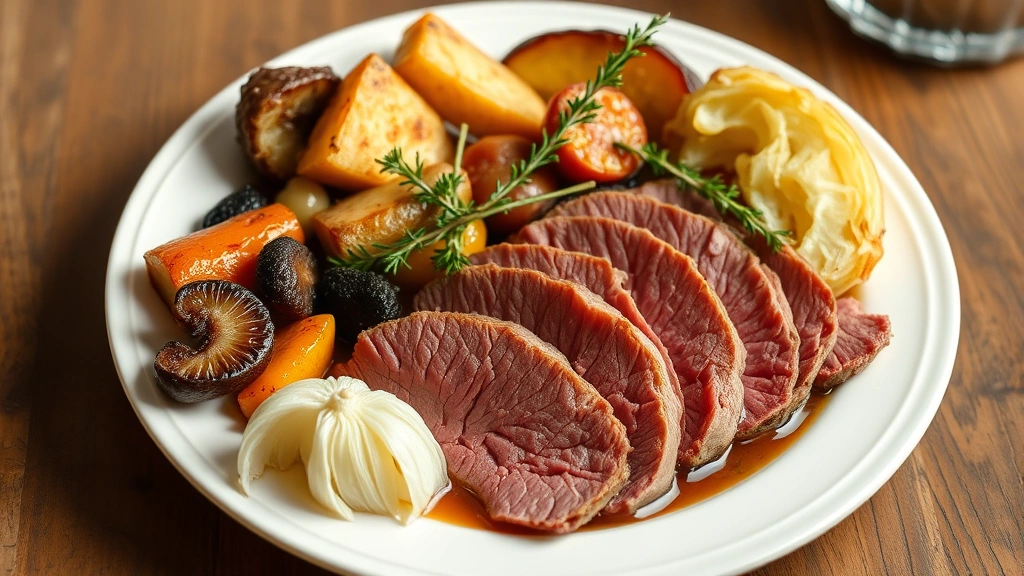
Creating an authentic slow cooker corned beef and cabbage starts with quality ingredients. Here’s everything you’ll need to gather:
- Corned beef brisket: 3 to 4 pounds (this is the star ingredient—look for one with a spice packet included)
- Beef broth: 2 cups (low-sodium preferred for better control over salt levels)
- Water: 1 cup
- Green cabbage: 1 medium head, cut into wedges
- Potatoes: 1 pound baby potatoes or Yukon gold (halved if large)
- Carrots: 1 pound baby carrots or regular carrots cut into 2-inch pieces
- Onion: 1 large yellow onion, cut into quarters
- Pickling spices: 1-2 tablespoons (included in most corned beef packages, or use store-bought)
- Bay leaves: 2-3
- Black peppercorns: ½ teaspoon
- Mustard seeds: ½ teaspoon (optional but traditional)
- Coriander seeds: ½ teaspoon (optional)
- Fresh thyme: 2-3 sprigs (or ½ teaspoon dried)
- Salt & black pepper: To taste
If your corned beef doesn’t come with a spice packet, don’t worry. The individual spices listed above will create an equally delicious result. The key is using pickling spices, which create the distinctive flavor profile associated with corned beef.
Step-by-Step Instructions
Preparation (10 minutes):
- Remove your corned beef from packaging and rinse it thoroughly under cold water. This removes excess salt from the curing brine. Pat dry with paper towels.
- If the fat cap is thicker than ¼ inch, trim it down slightly. You want some fat for flavor, but not excessive amounts.
- Prepare all vegetables: cut cabbage into wedges, halve potatoes, cut carrots into chunks, and quarter the onion.
- Check if your corned beef package includes a spice packet. If so, set it aside. If not, gather your individual pickling spices.
Assembly in the Slow Cooker:
- Pour beef broth and water into your slow cooker. The liquid should be enough to mostly submerge the meat—this creates the steaming environment necessary for tender results.
- Add the spice packet (if included) to the liquid, or sprinkle in your individual pickling spices, bay leaves, peppercorns, and mustard seeds.
- Place the corned beef into the slow cooker, fat-side up. This allows the fat to baste the meat as it cooks.
- Add onion quarters and fresh thyme sprigs to the liquid around the meat.
- Cover and cook on LOW for 8-10 hours. Do not peek frequently, as this releases heat and extends cooking time.
Adding Vegetables:
- After 8 hours, carefully remove the corned beef and set aside on a cutting board. Tent loosely with foil to keep warm.
- Strain the cooking liquid, discarding the spices and onion. Return about 2 cups of the flavorful broth to the slow cooker.
- Add potatoes and carrots to the slow cooker.
- Return the corned beef to the cooker, nestling it among the vegetables.
- Cover and cook on LOW for 2 hours.
- Add cabbage wedges, arranging them on top of the other vegetables.
- Cover and cook on LOW for an additional 1-1.5 hours, until cabbage is tender but not mushy.
Final Steps:
- Transfer the corned beef to a cutting board and let rest for 5 minutes. This helps retain juices.
- Slice the meat against the grain (this is crucial for tenderness) into ¼-inch thick slices.
- Arrange sliced corned beef on a serving platter with vegetables.
- Ladle some of the cooking broth over everything, or serve broth on the side for dipping.
- Season with additional salt and pepper to taste.
Cooking Times & Temperature Guide
Understanding the proper timing is essential for achieving optimal results. The traditional method divides cooking into two phases: the initial long cook for the meat, and a shorter phase for the vegetables.
Phase One – Meat Tenderization: 8-10 hours on LOW heat. This extended time allows the collagen in the brisket to break down into gelatin, creating that signature tender texture. You can also use HIGH heat for 4-5 hours, though LOW is preferred because it creates more even cooking and better texture. The meat should be fork-tender and easy to pierce when done.
Phase Two – Vegetable Cooking: 2 hours on LOW for potatoes and carrots, then 1-1.5 hours for cabbage. This staggered approach ensures each vegetable reaches perfect doneness simultaneously. Potatoes need more time than cabbage to become tender, hence the timing separation. If you prefer very soft cabbage, add it with the potatoes instead.
Total cooking time: approximately 11-12.5 hours. Most people start this in the morning or early afternoon to have dinner ready by evening. Alternatively, you can start it in the evening for a next-day lunch.
Internal temperature isn’t as critical with slow cooker corned beef as with other meats, since it’s already cured and will reach safe temperatures well before becoming tender. The meat is done when you can easily shred it with a fork.
Tips for Perfect Results
Rinsing the Meat: This step cannot be overstated. Corned beef is cured in a heavy brine, and rinsing removes excess salt that could make your final dish unpalatable. Rinse it thoroughly under cold running water, rubbing gently with your fingers.
Don’t Skip the Resting Period: After cooking, let the sliced corned beef rest for 5 minutes before serving. This allows the muscle fibers to relax and reabsorb juices, resulting in more tender, juicier meat.
Slice Against the Grain: This is crucial for tenderness. Look at the direction the muscle fibers run and slice perpendicular to them. This shortens the fibers, making each bite more tender.
Liquid Levels: Your slow cooker should have enough liquid to create steam but not so much that the meat is completely submerged. About two-thirds coverage is ideal. Too much liquid dilutes flavors; too little can result in dry meat.
Vegetable Size Matters: Cut vegetables into similar-sized pieces so they cook evenly. Smaller pieces cook faster, so adjust sizes accordingly if you have a particularly powerful slow cooker.
Temperature Consistency: Avoid lifting the lid frequently. Each time you peek, you add 15-20 minutes to cooking time. Trust the process and resist the urge to check on progress.
Spice Control: If you prefer a less spiced result, remove some of the pickling spices before the long cook. Conversely, add extra for a more assertive flavor profile.
Serving Suggestions & Sides
While corned beef and cabbage is a complete meal on its own, there are numerous ways to round out your table. Consider pairing this classic with low carb dinner recipes if you’re watching your carbohydrate intake, or explore summer salad recipes for a refreshing contrast to the hearty main course.
Traditional Accompaniments: Irish soda bread is the classic pairing—its slight sweetness and dense crumb complement the savory corned beef beautifully. Dark rye bread also works wonderfully for soaking up the flavorful broth. For breakfast the next day, leftover corned beef makes exceptional hash when diced and pan-fried with potatoes.
Condiments: Serve with spicy brown mustard, horseradish cream, or whole grain mustard. These bright, sharp flavors cut through the richness of the meat and add complexity to each bite.
Beverage Pairings: Irish stout, amber ale, or a crisp lager complement this dish beautifully. For non-alcoholic options, consider apple cider or ginger ale.
Additional Sides: Colcannon (mashed potatoes with cabbage), creamed spinach, roasted root vegetables, or a simple arugula salad with lemon vinaigrette all pair well. If you’re interested in preserving any fresh herbs for garnish or future use, check out our guide on how to preserve herbs.
Storage & Leftovers
One of the best aspects of slow cooker corned beef and cabbage is how well it stores and reheats.
Refrigerator Storage: Transfer cooled leftovers to airtight containers and refrigerate for up to 4 days. Keep the meat and vegetables together with some of the cooking broth to prevent drying out.
Freezing: This dish freezes beautifully for up to 3 months. Portion into freezer-safe containers or bags, including some broth with each portion. Thaw overnight in the refrigerator before reheating.
Reheating: The best method is gentle stovetop reheating. Place portions in a pot with a splash of the reserved broth and warm over medium heat, stirring occasionally, until heated through (about 10-15 minutes). You can also reheat in the microwave, covered, for 2-3 minutes, though this method is less ideal as it can dry out the meat slightly.
Creative Leftover Uses: Transform leftovers into corned beef hash by dicing the meat and vegetables, then pan-frying with potatoes until crispy. Make hearty sandwiches on rye bread with mustard and pickles. Shred the meat and add to vegetable soup for a protein boost. Dice everything finely and use as a filling for savory hand pies or empanadas.
Variations & Substitutions
Vegetable Variations: Feel free to customize vegetables based on preference and availability. Parsnips add earthiness, Brussels sprouts provide a slightly bitter note, and celery root (celeriac) offers subtle celery flavor without the stringiness. Pearl onions can replace regular onion for a more elegant presentation.
Protein Adjustments: While beef brisket is traditional, some recipes use pastrami (which is heavily spiced cured beef). You can also make this with pork brisket or ham hock for a different flavor profile, though cooking times may vary slightly.
Broth Options: Substitute beef broth with vegetable broth for a lighter result, though you’ll lose some depth of flavor. Some cooks add a splash of stout beer or apple cider vinegar for additional complexity.
Spice Level: Add jalapeños or hot sauce for heat, or reduce spices significantly if serving to those with sensitive palates. Whole grain mustard seeds can be replaced with yellow mustard seeds for milder flavor.
Dietary Modifications: For lower-carb versions, reduce or eliminate potatoes and focus on non-starchy vegetables. The dish remains delicious and satisfying with just corned beef, cabbage, carrots, and onions. Those interested in learning more about nutritious ingredients should explore our article on foods rich in antioxidants.
Slow Cooker Size Adjustments: This recipe is designed for a 6-8 quart slow cooker. For smaller 4-quart models, reduce all ingredient quantities by one-third. For larger 10+ quart cookers, you can increase quantities proportionally.
FAQ
Can I cook corned beef on HIGH instead of LOW?
Yes, you can cook on HIGH for 4-5 hours, though LOW heat for 8-10 hours produces superior texture and more tender results. HIGH heat can sometimes result in slightly tougher meat, though it will still be edible and reasonably tender.
Why is my corned beef tough?
Tough corned beef usually results from insufficient cooking time or slicing with the grain rather than against it. Ensure you cook for the full 8-10 hours and always slice perpendicular to the muscle fibers. Using a sharp knife also helps create cleaner cuts.
Can I cook everything together from the start?
While possible, it’s not recommended. Potatoes and especially cabbage become mushy if cooked for 10+ hours. The staggered approach ensures each vegetable reaches perfect doneness. If you must cook everything together, reduce total time to 6-7 hours on LOW, though the vegetables may not be as tender.
What if my slow cooker doesn’t have a spice packet?
No problem. Use the individual spices listed in the ingredients section. These create an authentic pickling spice blend. You can also purchase pickling spice blends at most grocery stores.
Is corned beef gluten-free?
Pure corned beef is naturally gluten-free, but check your spice packet for additives. Most are safe, but some may contain gluten. When in doubt, use individual spices instead.
Can I use a different cut of meat?
Corned beef specifically refers to cured brisket, so that’s what you need. Other cuts like chuck roast or round won’t have the same flavor profile. However, you can make a similar slow cooker dish with uncured beef brisket if you increase spices significantly.
How much broth should I reserve for serving?
Reserve about 1-2 cups of the cooking liquid for serving alongside the meal. This broth is flavorful and perfect for dipping bread or spooning over vegetables. Any excess can be frozen for future use in soups or stews.
What are the best external resources for learning more about slow cooking techniques?
For comprehensive slow cooking information, visit Serious Eats’ slow cooker collection, which offers detailed explanations of slow cooking science. The Culinary Institute’s cooking techniques guide provides professional-level instruction. For food science perspective, American Scientist’s cooking science articles explain the chemistry behind tenderization. Additionally, The Spruce Eats’ slow cooker tips offers practical home cooking advice.
Can I double this recipe?
Absolutely. Simply double all ingredients, but don’t increase cooking time significantly. A larger volume of food in a bigger cooker may take 30 minutes to 1 hour longer, but not twice as long. Ensure your slow cooker is large enough (8+ quarts) to accommodate everything without overcrowding.
Making slow cooker corned beef and cabbage is straightforward, rewarding, and produces restaurant-quality results with minimal effort. Follow these guidelines, respect the timing, and you’ll create a dish that becomes a family favorite for years to come. Whether you’re celebrating St. Patrick’s Day or simply craving comfort food, this classic never disappoints.


