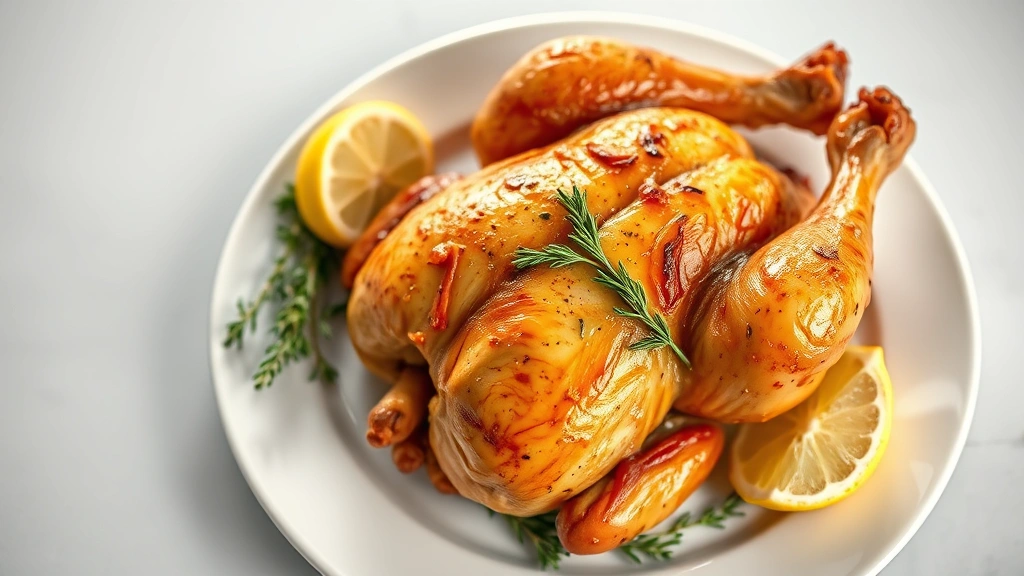
Roast Cornish Game Hen: Chef’s Guide to Perfect Results
Cornish game hens are an elegant protein that intimidates many home cooks, yet they’re remarkably forgiving and deliver restaurant-quality results with minimal effort. These miniature chickens, typically weighing 1.5 to 2 pounds each, cook faster than their larger cousins while offering superior flavor and tenderness. Whether you’re planning an intimate dinner for two or an impressive dinner party, roasting cornish game hens transforms simple ingredients into a showstopping centerpiece that rivals any steakhouse offering.
The beauty of cornish game hens lies in their versatility and presentation value. Each hen serves one or two people, making portion control effortless and plating elegant. Their delicate meat stays moist during roasting, and the skin crisps beautifully when treated with proper technique. Unlike whole chickens that require careful timing to ensure both dark and white meat reach proper doneness, cornish game hens cook evenly throughout, eliminating the guesswork from poultry preparation.
What Are Cornish Game Hens and Why They Matter
Cornish game hens are a hybrid breed resulting from crossing Cornish chickens with White Rock chickens. Despite their name, they’re not actually game birds—that designation simply reflects their smaller size and the elegant presentation they provide. These birds are bred specifically for meat production rather than egg laying, making them ideal for cooking whole.
The distinction between cornish game hens and standard broiler chickens matters significantly when planning your meal. A cornish game hen typically ranges from 1.5 to 2.5 pounds, while standard broiler chickens weigh 4 to 8 pounds or more. This size difference fundamentally changes cooking dynamics: smaller birds achieve even temperature distribution throughout, eliminating the common problem where chicken breasts overcook while thighs remain undercooked.
Nutritionally, cornish game hens offer impressive protein density with 26 grams of protein per 3-ounce serving. They contain B vitamins essential for energy metabolism, selenium for thyroid function, and niacin for cardiovascular health. The meat-to-bone ratio is favorable, though the skin contains considerable fat that renders during cooking, creating both flavor and textural appeal.
Selecting and Preparing Your Birds
Quality starts at the grocery store. Look for cornish game hens with pale pink skin free from blemishes, discoloration, or torn areas. The skin should feel dry to the touch and smell fresh, never sulfurous or off-putting. Check the package date and select birds with the furthest expiration date when possible. Many specialty butchers and upscale grocers carry higher-quality birds than standard supermarket chains, often offering organic or pasture-raised options worth seeking out.
Once home, store cornish game hens on the lowest shelf of your refrigerator to prevent drips onto other foods. They’ll keep safely for two to three days. If freezing, wrap them tightly in plastic wrap and aluminum foil, removing as much air as possible to prevent freezer burn. Frozen birds maintain quality for up to three months.
Thawing requires patience for food safety. Remove frozen hens from the freezer and place on a plate in the refrigerator for 12 to 24 hours depending on size. Never thaw at room temperature, as this allows dangerous bacteria proliferation. If you need quicker thawing, submerge the sealed bird in cold water, changing the water every 30 minutes. A 2-pound hen thaws completely in approximately 2 hours using this method.
Preparation begins with patting birds completely dry using paper towels. Moisture is the enemy of crispy skin, so don’t rush this step. Remove the giblets from the cavity if included—these are excellent for making stock, the foundation for impressive pan sauces. Trim any excess fat from the body cavity opening and the neck area. Tuck the wing tips underneath the body to create a compact shape that cooks evenly and looks refined on the plate.
Essential Seasoning and Flavoring Strategies
Seasoning cornish game hens requires a different approach than larger poultry. These delicate birds benefit from balanced flavors that complement rather than overpower their subtle taste. Kosher salt and freshly ground black pepper form the foundation—apply these generously both inside and outside the cavity at least 40 minutes before roasting. This salt-resting period allows seasoning to penetrate the meat rather than simply sitting on the surface.
Herbs offer tremendous flavor potential. Fresh thyme, rosemary, and sage pair beautifully with cornish game hen. Create an herb butter by combining softened butter with minced fresh herbs, crushed garlic, and lemon zest. Rub this under the skin, working carefully to avoid tearing. The butter bastes the meat during roasting while the herbs infuse flavor directly into the flesh.
Cavity stuffing should remain light. Rather than traditional bread-based dressing, consider aromatic combinations: halved lemon with fresh thyme sprigs, quartered onion with bay leaves, or whole garlic cloves with rosemary branches. These aromatics perfume the interior without weighing down the delicate meat. Avoid heavy stuffing that insulates the interior and extends cooking time.
For Asian-inspired preparations, combine soy sauce, sesame oil, fresh ginger, and scallions for a marinade. Mediterranean versions incorporate olive oil, lemon juice, oregano, and olives. Cajun spice rubs with paprika, cayenne, garlic powder, and thyme create bold flavors. The key is applying seasonings at least two hours before roasting to allow flavor development. This advance preparation is what separates home cooking from restaurant-quality vintage grandma recipes that have stood the test of time.
The Roasting Process: Temperature and Timing
Oven temperature forms the cornerstone of successful roasting. Preheat your oven to 425°F (220°C) for standard roasting. This temperature allows skin to crisp while the interior cooks through without drying out. Place a roasting pan on the middle oven rack—this positioning ensures even heat circulation around the birds.
Arrange prepared hens breast-side up on the pan, spacing them at least 2 inches apart for air circulation. If roasting multiple birds, ensure they’re not touching. Drizzle lightly with olive oil or melted butter to promote browning. Roast for 50 to 60 minutes depending on size. The internal thigh temperature should reach 165°F (74°C) when measured with an instant-read thermometer inserted into the thickest part of the thigh without touching bone.
For perfectly golden skin, consider a two-temperature approach: roast at 425°F for 45 minutes, then reduce heat to 375°F (190°C) for the final 15 minutes. This technique allows the skin to brown without becoming overly dark before the interior finishes cooking. Alternatively, maintain consistent 400°F (204°C) heat throughout for a balanced result.
Basting isn’t strictly necessary but improves results. Every 20 minutes, spoon the accumulated pan juices over the birds using a baster. These pan juices contain rendered fat and flavorful drippings that enhance browning and moisture. If you’ve added vegetables to the pan, this also ensures even cooking.
Cooking time varies based on several factors: bird size, oven accuracy, and whether the birds are at room temperature or cold from the refrigerator. Cold birds require additional 10 to 15 minutes compared to room-temperature birds. Always verify doneness with a meat thermometer rather than relying on color alone—undercooked poultry poses food safety risks, while overcooked meat becomes tough and dry.
Achieving Crispy Skin and Juicy Meat
The contrast between crispy skin and juicy meat represents the ultimate roasted poultry achievement. Several techniques work synergistically to accomplish this balance. Begin with completely dry skin—pat birds thoroughly after thawing and before seasoning. Moisture prevents browning and crispy texture development.
Trussing—tying the legs together with kitchen twine—ensures even cooking and compact presentation. Trussing keeps legs close to the body where they cook alongside the thighs, preventing overextended drumsticks from browning excessively while the interior remains undercooked. Tuck wing tips underneath to create uniform thickness throughout.
Elevating birds on a roasting rack allows heat circulation beneath the bird, ensuring even browning on all sides. Without a rack, the bottom skin steams rather than roasts, resulting in pale, soft skin. A simple wire roasting rack or even a bed of vegetable scraps lifts birds sufficiently.
Oil application directly impacts skin texture. Pat birds dry, then lightly rub with olive oil or melted butter. The fat promotes browning through the Maillard reaction—the chemical process that creates brown color and complex flavors. Oil also conducts heat effectively, crisping skin while insulating the meat beneath.
Temperature management prevents simultaneous overcooking and undercooking. The 50 to 60-minute window at 425°F allows skin to crisp while the interior reaches food-safe temperatures. If your oven runs hot or cold, adjust temperature accordingly. Many home ovens vary by 25°F or more from their set temperature, so an oven thermometer provides valuable information for consistent results across multiple roastings.
Resting is absolutely crucial and often overlooked. After removing birds from the oven, tent them loosely with foil and let rest for 10 minutes. During this period, residual heat continues gently cooking the interior while muscle fibers relax, reabsorbing juices. Cutting immediately after roasting causes juices to run out onto the cutting board rather than remaining in the meat, resulting in drier finished dishes.
Resting and Carving Your Cornish Game Hen
Proper resting transforms good roasted hens into exceptional ones. Transfer birds to a warm serving platter, tent loosely with foil, and allow 10 minutes undisturbed. This resting period allows carryover cooking to complete—the internal temperature often rises 5°F during resting—while relaxing the muscle structure so meat remains juicy when carved.
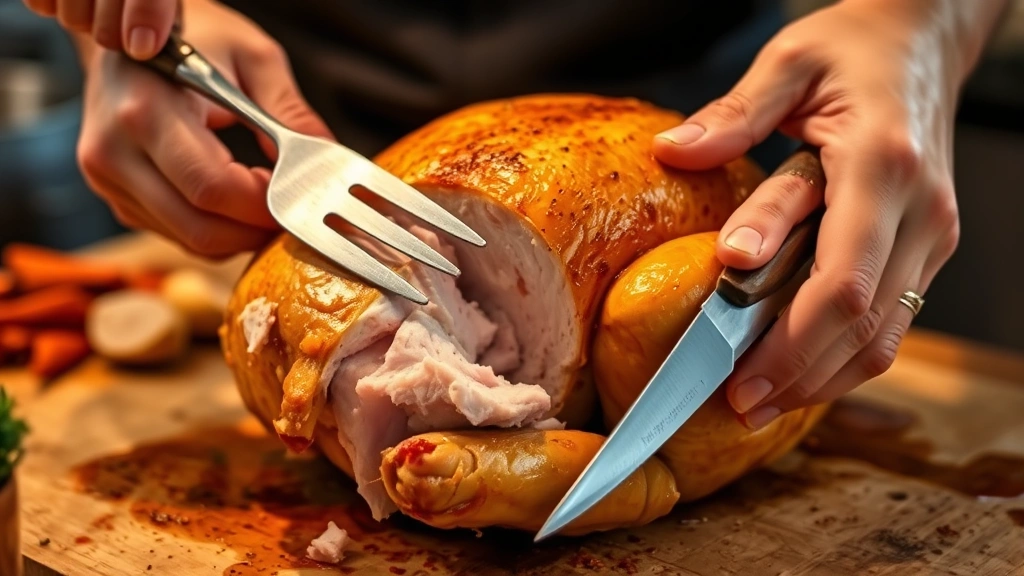
Carving cornish game hens differs slightly from larger chickens due to their size. Using a sharp 8-inch chef’s knife and a carving fork, place the bird breast-side up on a cutting board. Pull one leg away from the body while simultaneously cutting through the skin connecting the thigh to the breast. Pop the thigh joint by pressing the leg backward, then cut through the joint to separate the leg completely. Repeat with the second leg.
Separate drumsticks from thighs by cutting through the skin connecting them, then cutting through the joint where they connect. For drumsticks, you can serve them whole as they present beautifully. For thighs, some prefer leaving them whole while others remove the thighbone for neater plating.
Separate the wings by pulling each wing away from the body, then cutting through the joint connecting it to the breast. If desired, remove the wing tip and reserve for stock. The remaining wing section with attached breast meat provides an elegant presentation piece.
The breast meat can be left whole for each hen, creating a dramatic presentation, or sliced on the bias for easier eating. If slicing, position the knife at a 45-degree angle to the bird and use smooth, confident strokes rather than sawing motions. Sliced breast meat should be approximately ¼ inch thick.
Serving Suggestions and Pairings
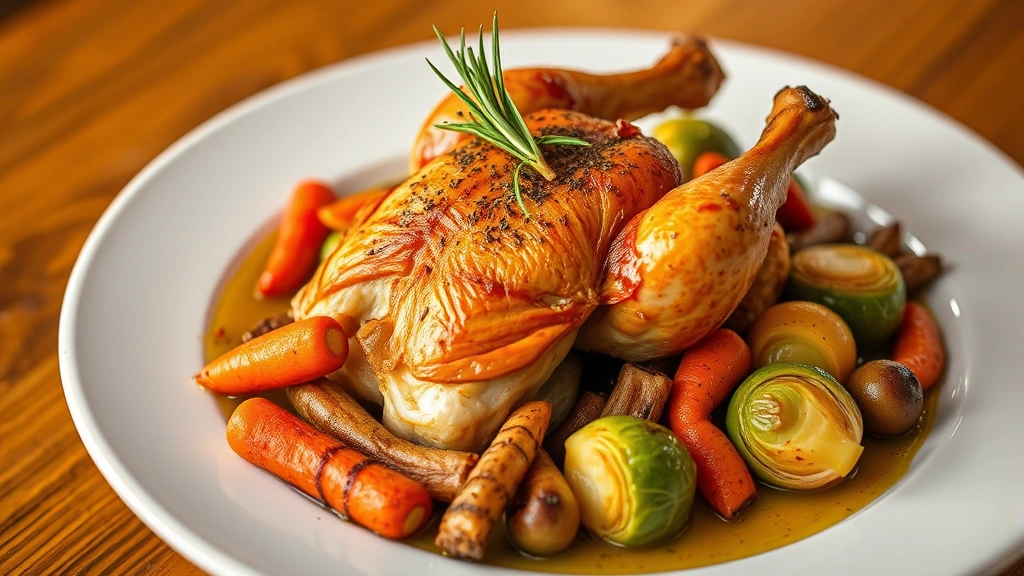
Cornish game hens pair beautifully with numerous accompaniments. Roasted root vegetables—carrots, parsnips, potatoes, and Brussels sprouts—roast alongside the birds, absorbing pan drippings for enhanced flavor. Arrange these around the bird on the serving platter for an impressive presentation.
Pan sauces elevate the dish significantly. After removing birds, place the roasting pan over medium-high heat. Add ½ cup dry white wine or chicken stock, scraping the bottom with a wooden spoon to dislodge flavorful browned bits. Simmer until reduced by half, then whisk in 2 tablespoons cold butter for a silky, rich sauce. Strain through fine-mesh sieve if desired, then drizzle over carved birds.
For lighter preparations, consider pairing with a summer salad recipes featuring fresh greens and vinaigrette. The acidity cuts through the richness of roasted poultry, creating balanced plates. Grain-based sides like wild rice pilaf, farro salad, or couscous provide textural contrast.
Wine pairing depends on your preparation style. Lighter herb-roasted hens pair well with Pinot Grigio, Sauvignon Blanc, or light reds like Pinot Noir. Richer preparations with butter sauces benefit from fuller-bodied whites like Chardonnay or light reds like Côtes du Rhône. Sparkling wine works universally with roasted poultry regardless of preparation.
For casual presentations, consider serving cornish game hens alongside korean fried chicken recipe techniques adapted to roasted preparation, or drawing inspiration from chicken wings recipe seasoning approaches for bold flavor profiles. Mediterranean preparations benefit from chipotle chicken recipe spice level adaptations, though cornish hens work best with more delicate seasonings.
Leftover cornish game hen meat shreds beautifully for chicken salad, transforms into soup with remaining carcass stock, or works wonderfully in grain bowls with roasted vegetables. The small bones make excellent stock—simmer them with aromatics for 2 to 3 hours to create flavorful base for soups and sauces. Nothing goes to waste with these elegant birds.
FAQ
How many cornish game hens do I need per person?
Plan one hen per person for a main course serving, or one hen for every two people if serving with substantial sides. Each bird provides approximately 1.5 to 2 cups of meat after cooking.
Can I cook cornish game hens on a grill instead of roasting?
Yes, grilling works beautifully. Split birds in half lengthwise, season, and grill over medium heat skin-side down for 25 to 30 minutes, then flip and cook another 15 to 20 minutes until internal temperature reaches 165°F. Grilling imparts subtle smoke flavor and attractive grill marks.
What’s the difference between cornish game hens and poussin?
Poussin are young chickens, typically 4 to 6 weeks old and weighing 1 to 1.5 pounds. Cornish game hens are a specific breed weighing 1.5 to 2.5 pounds. Poussin are smaller and cook faster (35 to 45 minutes), while cornish game hens are slightly larger and more flavorful.
Can I prepare cornish game hens ahead of time?
Yes, season and stuff birds up to 24 hours ahead, covering and refrigerating until roasting time. Cold birds require 10 to 15 additional minutes cooking. Alternatively, roast birds completely, cool to room temperature, refrigerate, then reheat in a 350°F oven for 20 to 25 minutes before serving.
Why is my cornish game hen skin not crispy?
Insufficient drying before roasting is the most common cause. Ensure birds are completely dry after thawing and before seasoning. Additionally, verify your oven temperature with a thermometer—many home ovens run cool, preventing proper browning. Finally, ensure birds aren’t crowded on the pan, which traps steam.
What internal temperature indicates doneness?
165°F (74°C) in the thickest part of the thigh without touching bone indicates food safety. Many chefs prefer pulling birds at 160°F for juicier meat, as carryover cooking during resting brings temperature to safe levels. Use an instant-read thermometer for accuracy.


