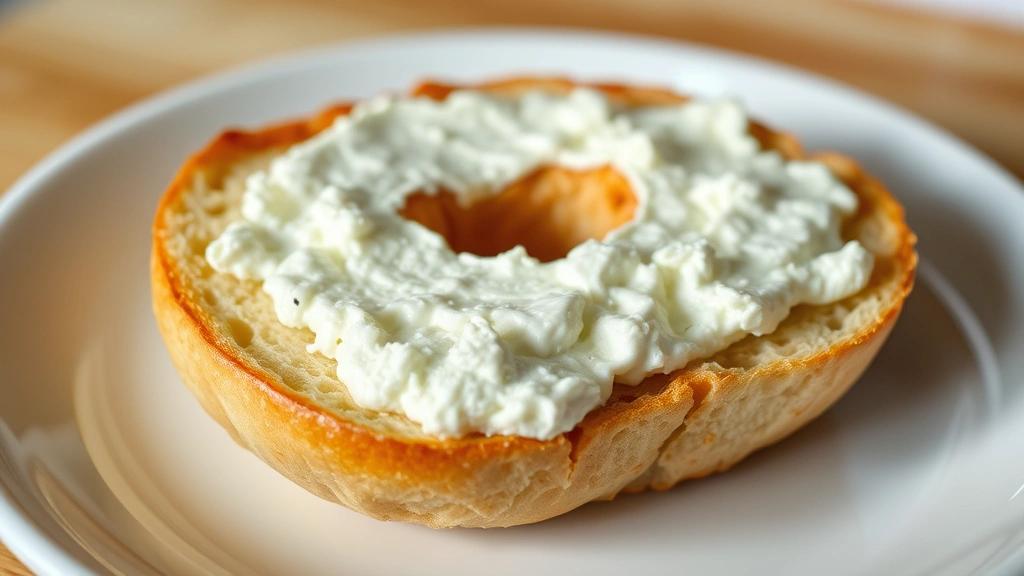
Cottage Cheese Bagels: The Breakfast Winner You Need to Try
Cottage cheese bagels are revolutionizing breakfast routines across kitchens everywhere. This unexpected combination delivers a protein-packed start to your day while maintaining that chewy, satisfying bagel texture you crave. Unlike traditional cream cheese bagels, cottage cheese versions offer superior nutritional benefits without sacrificing flavor or enjoyment.
The magic happens when creamy, tangy cottage cheese meets a perfectly toasted bagel. The result is a breakfast that keeps you full for hours, supports muscle recovery, and tastes absolutely delicious. Whether you’re looking for a quick weekday meal or an impressive brunch option, cottage cheese bagels deserve a permanent spot in your rotation.
Why Cottage Cheese Bagels Win
Cottage cheese bagels represent a nutritional breakthrough for breakfast enthusiasts. A single serving packs approximately 15-20 grams of protein, depending on your cottage cheese choice and portion size. This protein content rivals what you’d find in healthy chicken recipes, making breakfast feel substantial and satisfying.
The texture contrast creates an eating experience that goes beyond simple nutrition. Soft, creamy cottage cheese spreads effortlessly across warm bagel surfaces, while the bagel’s chewy interior provides structural support. This combination prevents the soggy mess that sometimes accompanies traditional spreads.
Unlike cream cheese, cottage cheese contains significantly less fat while delivering more protein and essential nutrients. The curds provide visual interest and a slight texture variation that makes eating more engaging. Your taste buds stay entertained throughout breakfast rather than experiencing flavor fatigue from smooth, uniform spreads.
Cottage cheese bagels also support various dietary preferences. Whether you’re following a high-protein diet, managing blood sugar levels, or simply seeking nutrient-dense meals, this breakfast option accommodates multiple nutritional goals simultaneously. The combination keeps insulin spikes minimal while providing sustained energy release.
Choosing Quality Ingredients
Success with cottage cheese bagels begins with ingredient selection. The quality of your cottage cheese dramatically impacts the final result, so choosing wisely matters tremendously.
Cottage Cheese Selection: Look for cottage cheese with live active cultures, which indicates beneficial probiotics for digestive health. Full-fat versions create creamier spreads, while low-fat options suit calorie-conscious breakfasts. Avoid containers with excessive liquid separation; this indicates older product or improper storage. Organic options often feature superior taste and ingredient transparency.
Bagel Choices: Fresh bagels from local bakeries outperform supermarket varieties in nearly every measurable way. Whole wheat bagels add nutty flavors and additional fiber, while everything bagels provide seasoning complexity. Sourdough bagels introduce tangy notes that complement cottage cheese beautifully. Avoid bagels with excessive sugar, which creates unbalanced sweetness when paired with savory cottage cheese.
Complementary Ingredients: Fresh herbs like dill, chives, and parsley elevate cottage cheese bagels significantly. Quality sea salt enhances natural flavors without overpowering delicate dairy notes. Fresh cracked pepper adds welcome heat and complexity. Cucumber slices, tomato wedges, and red onion provide crisp textural contrast.
Shopping at local farmers markets often yields superior ingredients compared to conventional grocery stores. Direct relationships with producers ensure fresher products and support sustainable food systems. You’ll notice immediate flavor improvements when using peak-season ingredients.
Step-by-Step Recipe
Ingredients:
- 1 fresh bagel (your choice of variety)
- ½ cup cottage cheese (full-fat or low-fat, based on preference)
- 1 teaspoon fresh dill or chives, finely chopped
- ¼ teaspoon sea salt
- Freshly cracked black pepper to taste
- Optional: cucumber slices, tomato slices, red onion
Instructions:
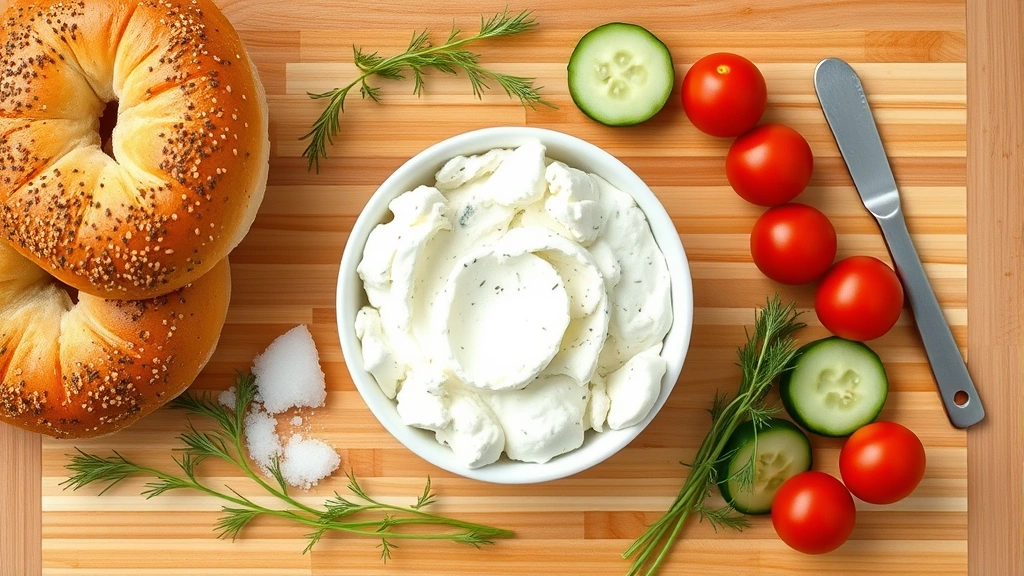
- Prepare Your Workspace: Gather all ingredients and arrange them within arm’s reach. Having everything ready prevents rushing and ensures smooth execution. This practice, common in professional kitchens, streamlines home cooking significantly.
- Slice Your Bagel: Using a serrated bread knife, carefully slice your bagel horizontally. Apply gentle, sawing motions rather than forcing the blade through. A sharp knife prevents crushing the bagel’s interior structure, which maintains that desirable chewy texture.
- Toast to Perfection: Place bagel halves cut-side up in your toaster oven or regular toaster. Toast until the exterior develops light golden-brown coloring while the interior remains soft. This typically requires 3-4 minutes in a toaster oven. The toasting process activates flavors and creates optimal texture for cottage cheese adhesion.
- Mix Your Cottage Cheese Spread: In a small bowl, combine cottage cheese with fresh herbs and sea salt. Stir gently to distribute seasonings evenly while preserving cottage cheese curds. Overmixing creates an undesirably smooth consistency that loses the signature texture appeal.
- Spread Generously: Using a butter knife or small spoon, spread the cottage cheese mixture across both warm bagel halves. Work from the edges toward the center, ensuring even distribution. The warmth from toasted bagels slightly warms the cottage cheese, creating an ideal eating temperature.
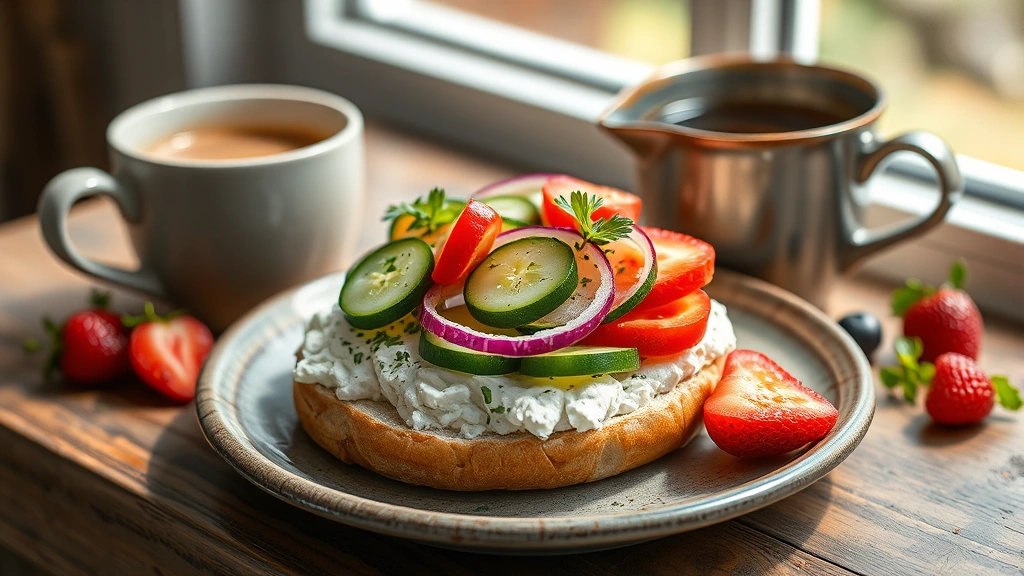
- Add Fresh Toppings: Layer cucumber slices, tomato wedges, and red onion if desired. These additions provide nutritional variety and textural contrast. Arrange toppings artfully for visual appeal that makes breakfast feel special.
- Serve Immediately: Consume your cottage cheese bagel right away while the bagel remains warm and crispy. Waiting allows the bagel to absorb moisture, compromising the textural experience you’ve carefully created.
Toasting Techniques for Perfect Results
Toasting transforms ordinary bagels into exceptional breakfast foundations. Understanding proper toasting techniques ensures consistent, delicious results every single time.
Toaster Oven Method: This approach offers superior control compared to standard pop-up toasters. Set your toaster oven to 375°F (190°C) and place bagel halves cut-side up on the wire rack. Toast for 3-4 minutes, monitoring closely to prevent over-browning. The cut-side-up positioning ensures direct heat exposure, creating crispiness without drying the interior.
Traditional Toaster Method: If using a standard toaster, insert bagel halves with the cut-side facing outward. Set to medium-high setting and toast for one cycle. Monitor the first attempt to calibrate for your specific toaster’s intensity. Some toasters brown more aggressively than others, requiring adjustment.
Skillet Method: For those without toasters, a cast-iron skillet works beautifully. Heat the skillet over medium-high heat for two minutes, then place bagel halves cut-side down. Toast for 2-3 minutes until golden brown, shaking the skillet occasionally for even heat distribution. This method requires attention but delivers exceptional control.
Broiler Method: Preheat your broiler and position the rack 4-5 inches from the heating element. Place bagel halves cut-side up on a baking sheet and broil for 2-3 minutes until edges turn light golden. Watch constantly, as broilers brown quickly and unevenly.
The ideal toasted bagel achieves golden-brown exterior coloring while maintaining a soft, chewy interior. Over-toasting creates an unpleasantly hard texture that makes eating unenjoyable. Under-toasting results in insufficient flavor development and poor texture contrast. Finding your toaster’s sweet spot requires one or two practice attempts but pays dividends throughout breakfast season.
Flavor Combinations to Elevate Your Bagel
While basic cottage cheese bagels satisfy, creative flavor combinations transform them into gourmet breakfast experiences. Experimenting with different additions keeps breakfast exciting and prevents monotony.
Mediterranean Inspiration: Mix cottage cheese with fresh basil, sun-dried tomatoes, and a drizzle of quality olive oil. Top with cucumber slices and kalamata olives for Mediterranean flair. This combination evokes seaside breakfast vibes and introduces international flavors to your routine.
Breakfast Berry Bowl: Layer cottage cheese with fresh strawberries, blueberries, and a light honey drizzle. Add a sprinkle of granola for crunch. This sweet variation suits those preferring breakfast’s traditional flavor profile while maintaining nutritional benefits.
Smoked Salmon Elegance: Top cottage cheese with thin smoked salmon slices, capers, and thinly sliced red onion. A squeeze of fresh lemon juice brightens the flavors. This sophisticated combination feels restaurant-quality yet requires minimal preparation.
Spicy Kick Version: Mix cottage cheese with jalapeño slices, cilantro, and lime juice. Add diced tomatoes and avocado slices for richness. This variation suits those enjoying bold, dynamic flavors and pairs beautifully with morning coffee.
Garden Vegetable Mix: Combine cottage cheese with finely diced cucumber, bell peppers, radishes, and fresh parsley. Season with white wine vinegar and black pepper. This colorful option delivers garden-fresh taste and visual appeal.
Everything Seasoning: Mix cottage cheese with store-bought everything bagel seasoning for maximum flavor without extra work. This shortcut delivers satisfying taste complexity in seconds, perfect for rushed mornings.
Exploring new combinations transforms breakfast from routine necessity into anticipated daily event. Keep experimenting until you discover personal favorites that excite your palate.
Storage and Make-Ahead Tips
Cottage cheese bagels work wonderfully for meal preparation, though timing matters for optimal results. Understanding storage principles ensures fresh, delicious breakfast throughout your week.
Same-Day Preparation: Prepare cottage cheese bagels immediately before eating for peak quality. The toasted bagel maintains optimal texture for approximately 30 minutes after toasting. Beyond this window, staleness develops and the eating experience diminishes.
Advance Ingredient Prep: Prepare your cottage cheese mixture the evening before and store in an airtight container in the refrigerator. Fresh toppings like cucumber and tomato can be sliced ahead and stored separately in sealed containers. This approach allows quick assembly on busy mornings while maintaining ingredient freshness.
Bagel Storage: Fresh bagels keep at room temperature for one day in a sealed bag. For longer storage, freeze bagels individually wrapped in plastic wrap, then place in freezer bags. Frozen bagels toast directly from the freezer, requiring only 1-2 additional minutes of toasting time. Properly frozen bagels maintain quality for up to three months.
Cottage Cheese Guidelines: Store unopened cottage cheese containers according to package instructions, typically 1-2 weeks before the expiration date. Once opened, consume within 7 days for optimal freshness and food safety. Always check for off-odors or unusual appearance before using.
Make-Ahead Containers: Prepare cottage cheese bagels in sealed containers for refrigerated storage up to 24 hours. However, the bagel will absorb moisture and lose crispiness, so this approach works best for those prioritizing convenience over texture perfection.
The ideal strategy involves preparing components separately and assembling fresh each morning. This method requires only 5-10 minutes while delivering superior results compared to pre-assembled storage.
FAQ
Can I use Greek yogurt instead of cottage cheese?
Greek yogurt works as a substitute, though the texture differs slightly. Greek yogurt creates a smoother spread without cottage cheese’s characteristic curds. Use the same quantity and prepare identically. The nutritional profile remains excellent, offering comparable protein content. Try both to determine your preference.
What if I don’t have fresh bagels available?
Frozen bagels work perfectly when thawed properly. Thaw at room temperature for 30-45 minutes before toasting. Alternatively, toast directly from frozen, adding 1-2 minutes to the standard toasting time. The texture remains excellent whether using fresh or properly thawed frozen bagels.
How can I make cottage cheese bagels less tangy?
Choose milder cottage cheese varieties, as brands vary significantly in tang intensity. Mix cottage cheese with a small amount of sour cream to smooth sharp flavors. Adding fresh herbs and mild seasonings masks tanginess effectively. Experiment with different cottage cheese brands to find your ideal flavor profile.
Are cottage cheese bagels suitable for meal prep?
Yes, with caveats. Prepare cottage cheese mixture and toppings separately, then assemble fresh each morning for optimal results. Pre-assembled bagels become soggy within hours. Proper storage of components ensures you can enjoy cottage cheese bagels throughout your week without quality compromise.
What beverages pair best with cottage cheese bagels?
Coffee and herbal teas complement cottage cheese bagels beautifully. Fresh-squeezed orange juice provides citrus brightness. Smoothies offer additional protein and nutrients. Choose beverages matching your bagel’s flavor profile—sweet fruit combinations pair with berry versions, while savory Mediterranean bagels suit vegetable juices.
Can I make cottage cheese bagels for guests?
Absolutely. Cottage cheese bagels impress guests while requiring minimal effort. Set up a bagel bar with various cottage cheese mixtures, fresh toppings, and toasted bagels, allowing guests to customize their combinations. This interactive approach creates memorable breakfast experiences and accommodates different dietary preferences simultaneously.
How do cottage cheese bagels compare nutritionally to other breakfast options?
Cottage cheese bagels deliver superior protein content compared to traditional cream cheese bagels or toast-based breakfasts. A single serving provides 15-20 grams of protein, promoting satiety and muscle support. The carbohydrate-to-protein ratio supports stable energy levels throughout your morning, preventing the energy crashes associated with high-sugar breakfasts.


