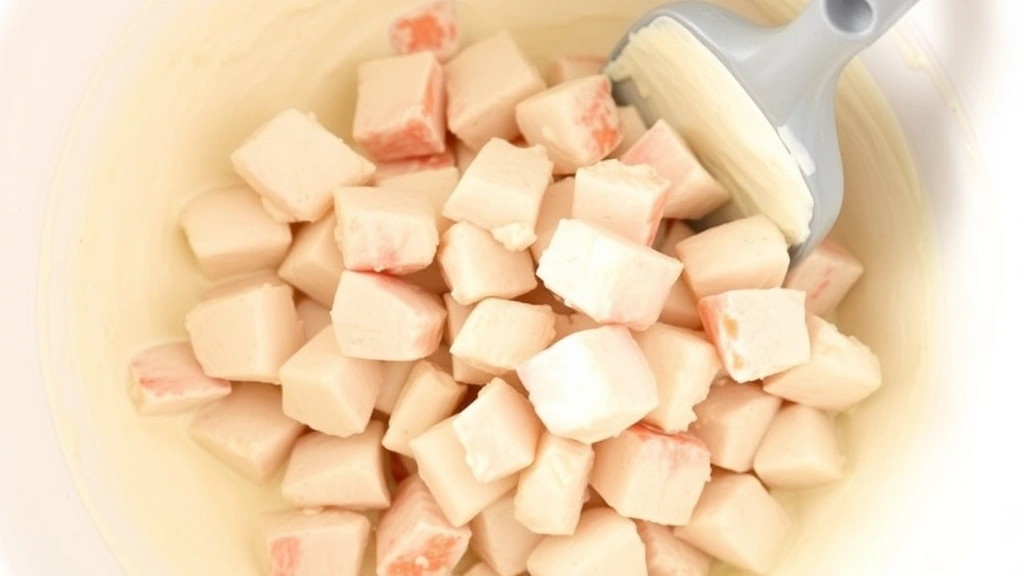
Crab Imperial Perfection? Chef-Approved Recipe
Crab imperial stands as one of the most elegant and refined seafood dishes in American culinary tradition, originating from the Maryland and Chesapeake Bay regions. This luxurious casserole combines succulent lump crab meat with a creamy, savory sauce, topped with a golden breadcrumb crust that provides the perfect textural contrast. Whether you’re preparing dinner for special guests or treating yourself to restaurant-quality cuisine at home, mastering this classic dish will elevate your cooking repertoire significantly.
The beauty of crab imperial lies in its simplicity paired with sophisticated flavors. Fresh crab meat, when combined with the right balance of seasonings and binders, creates a dish that tastes far more complex than the ingredient list suggests. This recipe has been perfected by generations of chefs and home cooks alike, and today we’ll walk you through the exact techniques that ensure crab imperial perfection every single time.
Understanding Crab Imperial
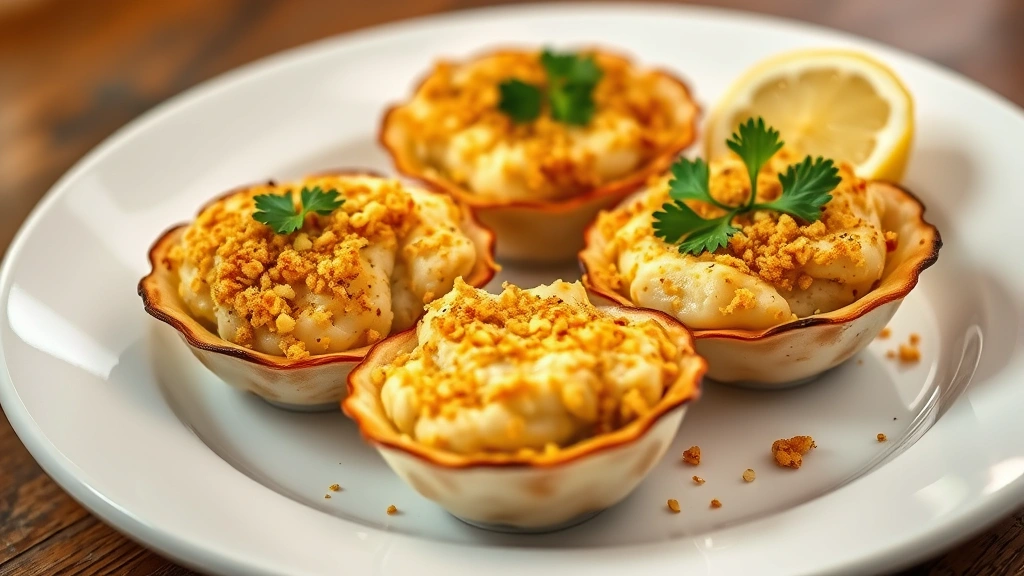
Crab imperial represents a cornerstone of mid-Atlantic seafood cuisine, particularly in Maryland where the Chesapeake Bay provides some of the finest blue crabs in the world. The dish emerged from the golden age of American fine dining, when restaurants sought to showcase the region’s abundant seafood resources in sophisticated preparations. Unlike crab cakes, which rely on binding ingredients and are formed into patties, crab imperial celebrates the crab meat itself while incorporating complementary flavors that enhance rather than mask its delicate sweetness.
The traditional preparation involves combining fresh crab meat with a creamy sauce base, typically made from mayonnaise, mustard, Worcestershire sauce, and seasonings. This mixture is then transferred to individual shells or ramekins and topped with a mixture of breadcrumbs and melted butter, creating an appetizing golden crust when baked. The result is a dish that boasts a tender, moist interior contrasting beautifully with a crispy, buttery top layer.
Professional chefs emphasize that the quality of your crab meat directly determines the success of your crab imperial. Using fresh, high-quality lump crab meat ensures that your finished dish showcases the ingredient that truly matters. This is not the place to economize—premium crab meat will reward your investment with superior flavor and texture.
Essential Ingredients Explained
Creating the perfect crab imperial begins with understanding each ingredient’s role in the final dish. Let’s break down what you’ll need and why each component matters:
- Fresh lump crab meat: One pound of premium lump crab meat forms the foundation of your dish. Avoid canned or pasteurized options when possible, as fresh crab provides superior flavor and a more delicate texture. Gently pick through the meat to remove any shell fragments before use.
- Mayonnaise: High-quality mayonnaise acts as your binding agent and contributes richness. Use ¾ cup for the proper balance—too much creates a heavy dish, while too little results in a dry mixture.
- Dijon mustard: Two tablespoons of Dijon mustard adds subtle complexity and tang that complements the crab’s sweetness without overpowering it. This ingredient is crucial for depth of flavor.
- Worcestershire sauce: One tablespoon provides umami depth and savory notes. This ingredient connects the flavors and adds dimension to the overall taste profile.
- Fresh lemon juice: Two tablespoons of fresh lemon juice brighten the flavors and cut through the richness of the mayonnaise-based sauce. Never substitute bottled juice.
- Old Bay seasoning: One teaspoon of this iconic Chesapeake Bay spice blend is traditional and essential. The paprika, celery salt, and other components are specifically designed to complement crab.
- Salt and white pepper: ½ teaspoon of salt and ¼ teaspoon of white pepper provide seasoning without the visual speckles of black pepper, maintaining the dish’s elegant appearance.
- Breadcrumb topping: One cup of panko breadcrumbs combined with 4 tablespoons of melted butter and ¼ teaspoon of Old Bay creates the signature golden crust. Panko provides superior crispness compared to regular breadcrumbs.
- Optional additions: Some chefs add ¼ teaspoon of cayenne pepper for subtle heat, one egg yolk for additional binding, or finely minced fresh herbs like tarragon or dill for complexity.
The beauty of crab imperial lies in how these simple ingredients work together. When combined properly, they create something far greater than their individual parts—a harmonious blend of flavors that celebrates the crab while providing structure and textural interest.
Step-by-Step Preparation Guide
Proper preparation is the key to achieving restaurant-quality comfort food recipes at home. Follow these detailed steps to ensure perfect results:
Step 1: Prepare Your Workspace and Equipment
Begin by preheating your oven to 375°F. Prepare six individual crab shells, ramekins, or a shallow baking dish for your mixture. If using shells, clean them thoroughly and pat dry. Have all your ingredients measured and ready before you begin—mise en place ensures smooth execution and prevents overcooking any component.
Step 2: Create the Base Sauce
In a medium mixing bowl, combine ¾ cup of mayonnaise with 2 tablespoons of Dijon mustard. Whisk these together until fully incorporated and smooth. The mayonnaise should be at room temperature for easier mixing. This combination forms the creamy foundation that binds everything together while providing richness and subtle tang.
Step 3: Add Seasonings and Aromatics
Add 1 tablespoon of Worcestershire sauce, 2 tablespoons of fresh lemon juice, 1 teaspoon of Old Bay seasoning, ½ teaspoon of salt, and ¼ teaspoon of white pepper to your mayonnaise mixture. Stir thoroughly to combine all ingredients evenly. Taste the mixture at this point—it should have a balanced, slightly savory profile with a hint of tang. Adjust seasonings if necessary, keeping in mind that the crab meat will add its own sweetness to the final dish.
Step 4: Gently Fold in the Crab Meat
This step requires care and attention. Place one pound of fresh lump crab meat in a separate bowl and gently examine it for any shell fragments. Using a rubber spatula, carefully fold the crab meat into your sauce mixture. The key word here is “gently”—you want to maintain the integrity of the crab lumps rather than breaking them into small pieces. Overmixing results in a mushy, less appealing texture. Fold only until the crab is evenly coated with sauce, typically requiring 8-10 gentle folds.
Step 5: Portion Into Serving Vessels
Divide your crab mixture evenly among your six prepared shells or ramekins, using approximately ¾ cup per serving. Smooth the tops slightly with the back of a spoon, but don’t compress the mixture. The crab meat should appear chunky and textured, not packed down. At this point, you can refrigerate the filled shells for up to 4 hours before proceeding to the baking stage.
Step 6: Prepare the Breadcrumb Topping
In a small bowl, combine 1 cup of panko breadcrumbs with 4 tablespoons of melted butter and ¼ teaspoon of Old Bay seasoning. Toss with a fork until the breadcrumbs are evenly moistened and golden. Some chefs prefer to add 2 tablespoons of grated Parmesan cheese to the topping for additional flavor and color. The mixture should resemble coarse sand with butter coating each breadcrumb.
Step 7: Top and Prepare for Baking
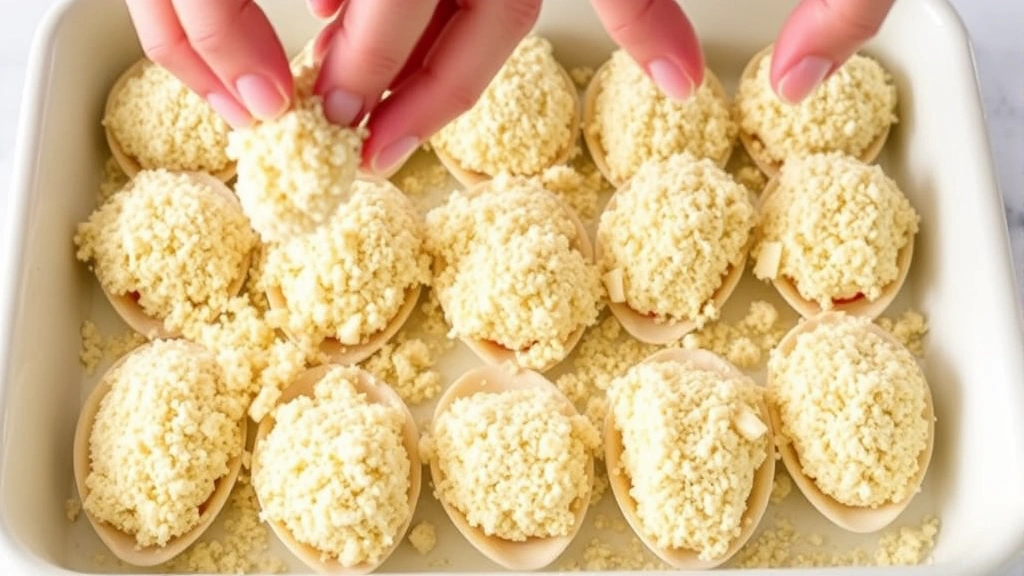
Distribute the breadcrumb mixture evenly over each filled shell or ramekin, pressing gently so the topping adheres without compacting the crab mixture beneath. Each portion should be topped with approximately 2-3 tablespoons of the breadcrumb mixture. The topping should cover the filling completely, creating an attractive, even surface.
Baking and Finishing Techniques
The baking process transforms your prepared crab imperial into a golden-topped masterpiece. Here’s how to achieve perfect results:
Initial Baking
Place your prepared crab imperial on a baking sheet (for easy handling and even heat distribution) and transfer to your preheated 375°F oven. Bake for 20-25 minutes, until the breadcrumb topping is golden brown and the mixture is heated through. The exact timing depends on whether you’re baking from room temperature or directly from refrigeration. Cold mixture may require an additional 5 minutes.
To check for doneness, insert a small knife into the center of one portion—the filling should be hot, and you should see steam rising. The topping should be deeply golden brown, not pale or undercooked. A well-executed crab imperial will have a slightly bubbling filling visible at the edges, indicating that the crab mixture has heated through completely.
Broiler Finishing Technique
Some chefs prefer to broil the tops for the final 1-2 minutes to achieve a darker, crispier crust. This technique requires careful attention—place the baking sheet on the middle rack under the broiler for 1-2 minutes only, watching carefully to prevent burning. The breadcrumb topping can go from golden to burnt very quickly under direct broiler heat. If you use this technique, ensure your oven’s broiler is preheated and your crab imperial has already been baked through at 375°F.
Resting Period
Allow your crab imperial to rest for 3-5 minutes after removing from the oven before serving. This brief resting period allows the filling to set slightly, making it easier to serve while maintaining its shape. The breadcrumb topping will continue to crisp during this time as well.
For a more elaborate presentation, you can prepare this dish in a larger shallow baking dish rather than individual portions. Follow the same baking instructions but increase the baking time to 30-35 minutes. Let this larger format rest for 5-10 minutes before cutting into portions for serving.
Serving and Pairing Suggestions
Presentation and accompaniments elevate crab imperial from simple to spectacular. Here are professional serving suggestions:
Plating Recommendations
When serving individual portions, place each crab imperial shell or ramekin on a warmed plate. Garnish with a small sprig of fresh parsley or dill for color and elegance. A lemon wedge placed alongside the shell provides both visual interest and an optional accent for those who want additional brightness. Fine dining establishments often add a small dollop of additional sauce (perhaps a light aioli or remoulade) beside the main item for textural contrast.
Wine and Beverage Pairings
Crab imperial pairs beautifully with crisp white wines. A Sauvignon Blanc, Pinot Grigio, or Albariño complements the delicate crab flavors without overwhelming them. For a more luxurious pairing, consider a dry Riesling or a light Champagne. These wines share the crab’s delicate sweetness while providing acidity that cuts through the richness of the creamy sauce. If serving beer, a light lager or wheat beer works well.
Side Dish Pairings
Crab imperial works well alongside simple, complementary sides that don’t compete for attention. Consider serving with buttered asparagus, roasted vegetables, or a light green salad dressed with vinaigrette. Rice pilaf or crusty bread for soaking up any remaining sauce provides practical accompaniment. Many chefs prefer to keep sides minimal, allowing the crab imperial to be the star of the plate.
Occasion Considerations
This dish works equally well for intimate dinner parties, holiday entertaining, or special celebrations. The individual presentation format makes it perfect for formal dinners, while the crowd-pleasing flavors ensure broad appeal. For large gatherings, the larger-format baking dish presentation simplifies serving logistics while maintaining elegance.
Storage and Make-Ahead Tips
Understanding proper storage techniques allows you to prepare crab imperial in advance, reducing stress on entertaining day:
Refrigerator Storage
Unbaked crab imperial keeps well in the refrigerator for up to 24 hours after assembly. Cover the filled shells or ramekins with plastic wrap to prevent drying and odor absorption. The breadcrumb topping should be added just before baking, not hours in advance, as moisture from the filling will soften the crumbs over time. If you’ve already topped the portions, they’ll keep for 4-6 hours before baking.
Freezing Instructions
You can freeze unbaked crab imperial for up to 3 months. Assemble the portions without the breadcrumb topping, then freeze on a baking sheet until solid (about 4 hours). Transfer the frozen portions to freezer bags or airtight containers. When ready to serve, add the breadcrumb topping and bake directly from frozen, adding 10-15 minutes to the standard baking time. Do not thaw before baking, as this can compromise texture.
Leftover Management
Baked crab imperial keeps in the refrigerator for up to 2 days. Store in an airtight container and reheat gently in a 300°F oven for 8-10 minutes until warmed through. Reheating in the microwave is possible but may result in an uneven texture and soggy breadcrumb topping. For food waste reduction, see our food waste reduction tips for creative ways to repurpose any leftover crab mixture.
Make-Ahead Strategy
For entertaining purposes, prepare the crab mixture and portion it into shells the morning of your event. Cover and refrigerate. Prepare the breadcrumb topping separately in a small bowl. Two hours before guests arrive, top each portion with breadcrumbs and return to the refrigerator. About 30 minutes before serving, remove from refrigeration to bring closer to room temperature, then bake just before plating. This strategy minimizes last-minute cooking while ensuring peak flavor and texture.
If you’re looking for other make-ahead entrée options, consider exploring our Brunswick stew recipe or other low carb dinner recipes that offer advance preparation flexibility.
Professional chefs often recommend assembling multiple portions at once, even if serving fewer people, as the preparation time is nearly identical. Freeze the extras for future entertaining or casual weeknight dinners. This approach maximizes efficiency while building your freezer inventory of elegant, restaurant-quality meals.
FAQ
Can I use canned crab meat instead of fresh?
While fresh lump crab meat provides superior flavor and texture, you can use high-quality canned lump crab meat if fresh is unavailable. Drain the canned crab thoroughly and gently pick through it to remove shell fragments. The flavor will be slightly less delicate, but the dish will still be satisfactory. Avoid imitation crab or crab paste, which produce inferior results.
What’s the difference between lump and backfin crab meat?
Lump crab meat comes from the body of the crab and consists of larger, more tender chunks, making it ideal for crab imperial where appearance matters. Backfin meat is smaller, more flaked, and contains more filler. For this recipe, lump meat is the professional choice, though backfin works if lump is unavailable—just adjust expectations for texture.
Can I make this recipe without mayonnaise?
The creamy sauce relies on mayonnaise for both binding and richness. Substitutes like Greek yogurt or sour cream can work partially, but they produce a different texture and flavor profile. A combination of mayonnaise with a small amount of sour cream (say 2 tablespoons sour cream to ¾ cup mayo) maintains authenticity while slightly reducing richness.
How can I make crab imperial lower in calories?
Reduce the mayonnaise to ½ cup and substitute ¼ cup of Greek yogurt. Use light mayonnaise if preferred. Replace half the butter in the breadcrumb topping with olive oil. These modifications reduce calories while maintaining reasonable flavor and texture, though the dish will be slightly less rich than the traditional version.
What temperature should crab imperial be when served?
Crab imperial should be served hot, with an internal temperature of at least 165°F for food safety. The exterior breadcrumb topping should be crispy while the interior remains moist and tender. Allowing a brief resting period after baking helps achieve the ideal temperature distribution.
Can I prepare individual portions in advance?
Yes, this is one of the dish’s great advantages for entertaining. Assemble portions up to 24 hours in advance (without topping), cover, and refrigerate. Add the breadcrumb topping 4-6 hours before baking. This approach allows you to prepare entirely in advance, baking only at serving time.
What external resources can I consult for more seafood techniques?
For comprehensive information on seafood preparation and techniques, consult the Culinary Institute of America, which offers extensive resources on professional cooking techniques. Serious Eats provides detailed food science explanations for cooking methods, while The Spruce Eats offers tested recipes and technique guides. For ingredient sourcing and quality information, Seafood Watch provides sustainable crab sourcing guidance, and ChefSteps offers video tutorials for professional cooking techniques.
How do I know when the crab imperial is fully baked?
The breadcrumb topping should be golden brown, and the filling should be hot throughout. Insert a small knife into the center—it should feel hot to the touch, and you may see steam rising. The edges may show slight bubbling. Baking time ranges from 20-25 minutes from room temperature, or 30-35 minutes if baking directly from refrigeration.


