Crab Legs Recipe: Seafood Expert’s Guide
Crab legs are one of the most luxurious and delicious seafood options available, offering tender, sweet meat that pairs beautifully with simple seasonings and classic butter preparations. Whether you’re preparing a special dinner or exploring new cooking techniques, mastering crab leg recipes opens doors to impressive meals that look restaurant-quality yet remain surprisingly simple to execute at home. This comprehensive guide will walk you through everything from selecting the freshest crab legs to preparing them using multiple cooking methods that highlight their natural flavors.
The beauty of crab legs lies in their versatility and the minimal preparation required to create exceptional dishes. Unlike many proteins that demand complex techniques, crab legs benefit most from straightforward approaches that let their inherent sweetness shine through. Whether you’re steaming, boiling, baking, or grilling, the key is understanding how each method affects texture and flavor, then pairing your cooked crab with complementary sauces and sides that enhance rather than overshadow the delicate seafood.
Selecting Fresh Crab Legs
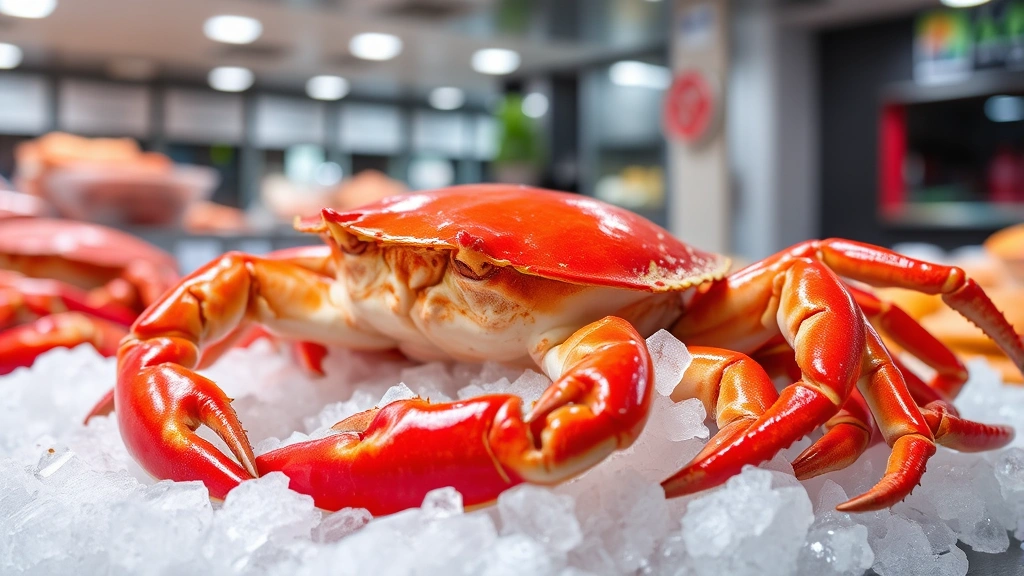
The foundation of any excellent crab legs recipe begins with selecting quality product at the market. Fresh crab legs should have a pleasant oceanic aroma without any ammonia smell, which indicates spoilage. Look for legs that feel heavy for their size, as this suggests they’re full of meat rather than mostly shell and water. The shell color should be vibrant—bright red for cooked legs or brownish-tan for frozen raw legs—without dark spots or discoloration that might indicate age or improper storage.
When shopping, you’ll encounter several varieties: king crab legs, which are the largest and meatiest; snow crab legs, which offer excellent flavor at a lower price point; and blue crab legs, which are smaller but incredibly sweet. Each variety works beautifully in different recipes, though the cooking times may vary slightly based on size. For your first attempt, snow crab legs offer the best balance of flavor, texture, and value, making them ideal for learning proper technique before investing in premium king crab.
Most crab legs sold in supermarkets are either frozen or previously frozen, which is perfectly acceptable and often preferable to truly fresh legs that require immediate cooking. Frozen crab legs maintain their quality excellently when stored properly and actually become more convenient for home cooks who can thaw them gradually in the refrigerator. Check the packaging date and choose legs that have been frozen for the shortest time possible. Avoid packages with excessive ice crystals or freezer burn, both signs of temperature fluctuations during storage.
Preparation and Storage Tips
Proper thawing is essential for even cooking and optimal texture. Remove frozen crab legs from the freezer and place them in your refrigerator overnight or for 8-12 hours before cooking. This slow thaw preserves moisture and prevents the outer portions from becoming tough while the interior remains frozen. If you’re short on time, place sealed crab legs in a bowl of cold water, changing the water every 30 minutes, allowing them to thaw in 2-4 hours depending on quantity.
Once thawed, pat the crab legs dry with paper towels before cooking. This small step significantly improves browning and prevents excessive splattering during cooking. If your crab legs are particularly long, consider splitting them lengthwise with kitchen shears, which exposes more meat surface to heat and seasonings while making them easier to eat. Store thawed crab legs in the coldest part of your refrigerator and use within one day for best quality.
For storage of cooked crab legs, refrigerate in an airtight container for up to three days. Reheat gently by steaming for 3-4 minutes or placing in a low oven at 300°F for 5-8 minutes. Avoid microwaving, which can cause uneven heating and rubbery texture. Cooked crab legs can also be frozen for up to three months, though texture quality diminishes slightly with extended freezing.
Steaming Method for Perfect Results
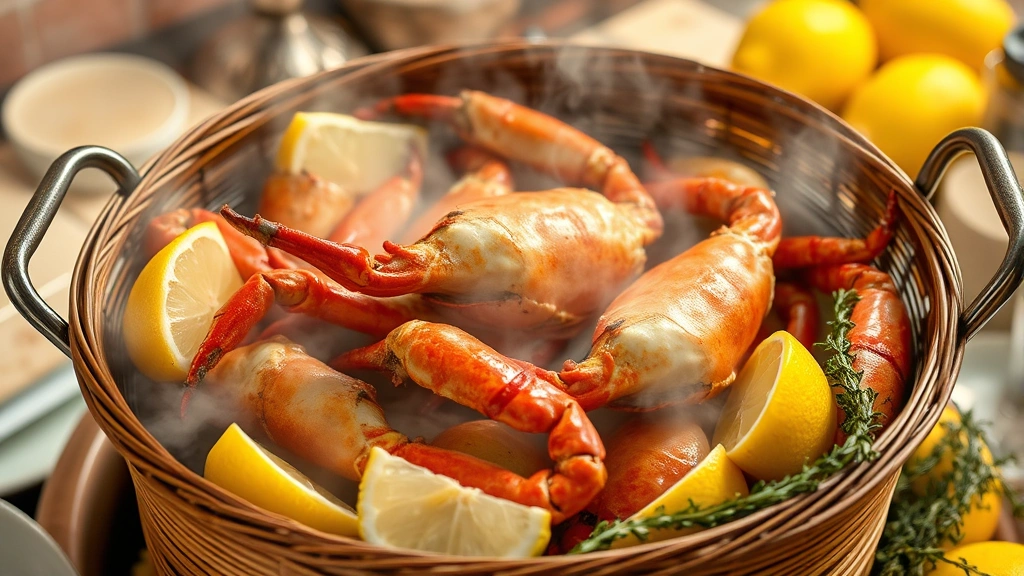
Steaming is widely considered the superior method for cooking crab legs because it preserves moisture and delivers consistently tender meat. Fill a large pot with about 2 inches of water and insert a steamer basket or rack that keeps the crab legs elevated above the water. Bring water to a rolling boil before adding crab legs, arranging them in a single layer or slightly overlapped if necessary. Cover tightly with a lid to maintain steam pressure and cook for 4-5 minutes for thawed legs or 6-7 minutes for legs straight from the freezer.
To elevate your steamed crab legs recipe, add aromatics to the steaming water. A cup of beer, white wine, or apple cider vinegar creates wonderful flavor complexity. Add sliced lemon, fresh thyme, bay leaves, and cracked peppercorns to infuse subtle tastes into the meat. Some cooks swear by adding Old Bay seasoning directly to the steaming water, which seasons the crab throughout rather than just on the surface.
The beauty of steaming lies in its precision and consistency. The meat emerges perfectly cooked—tender and succulent without the water-logged quality that sometimes accompanies boiling. Test for doneness by checking that the meat pulls away from the shell easily and appears opaque throughout. If you’re cooking particularly large king crab legs, extend steaming time to 8-10 minutes, checking partway through to ensure even cooking.
Boiling Crab Legs at Home
Boiling offers a faster alternative to steaming, though it requires slightly more attention to avoid overcooking. Fill a large pot with salted water—approximately 1 tablespoon of salt per quart—and bring to a vigorous boil. Carefully add thawed crab legs to the boiling water, ensuring they’re fully submerged. Return to a boil and cook for 4-5 minutes for thawed legs or 6-8 minutes for frozen legs, depending on size and variety.
The salted water is crucial for flavor development, as it seasons the meat from the outside while also helping regulate cooking temperature. Some experienced cooks add crab boil seasoning packets or create their own spice blends with mustard seeds, coriander seeds, red pepper flakes, and dill to the boiling water for additional flavor complexity. This approach works particularly well when preparing large quantities for seafood boils or special occasions.
Drain cooked crab legs immediately after the cooking time expires to prevent residual heat from overcooking the delicate meat. Place them on a clean kitchen towel to cool slightly before serving. The boiling method produces excellent results when properly timed, though steaming generally yields slightly more tender meat with better moisture retention. Both methods are valid choices depending on your equipment availability and personal preference.
Baked Crab Legs with Garlic Butter
Baking offers an elegant presentation option, especially when you’re preparing healthy seafood meals that showcase restaurant-quality plating. Preheat your oven to 375°F and arrange thawed crab legs on a large baking sheet lined with foil. Create a compound butter by mixing softened butter with minced garlic, fresh parsley, lemon zest, and a pinch of red pepper flakes. Generously brush this mixture over the crab legs, ensuring coverage on all exposed surfaces.
Bake for 12-15 minutes until the meat is heated through and the butter is bubbling around the edges. The crab legs will develop a subtle golden color from the butter, and the garlic infuses deeply into the meat. This method works particularly well for king crab legs, which benefit from the even, gentle heat that prevents any drying at the thicker portions. Serve directly from the baking sheet for an impressive presentation, or transfer to a serving platter and drizzle with the pan butter.
For a lighter version, brush crab legs with olive oil instead of butter and season with garlic, fresh herbs, and lemon juice before baking. This approach appeals to those watching fat intake while still delivering incredible flavor. You can also add a splash of white wine to the baking sheet for additional moisture and subtle acidity that brightens the sweet crab meat.
Grilled Crab Legs Technique
Grilling crab legs requires a bit more finesse but delivers spectacular smoky flavor and impressive presentation. Preheat your grill to medium-high heat and lightly oil the grates to prevent sticking. Pat thawed crab legs completely dry and brush with melted butter or olive oil. Season generously with sea salt, cracked black pepper, and your choice of additional seasonings like smoked paprika or Old Bay seasoning.
Place crab legs directly on the grill grates, perpendicular to the bars to prevent them from falling through. Cook for 3-4 minutes per side, watching carefully to prevent excessive charring. The meat should develop light golden-brown marks from the grill while remaining tender inside. Have your butter sauce ready in a warm small bowl for dipping immediately after removal from heat.
For larger king crab legs, consider cutting them lengthwise with kitchen shears first, then placing them cut-side down on the grill. This creates more surface area for those coveted grill marks and ensures the meat cooks evenly. The slight char from grilling adds complexity that complements the sweet, delicate crab flavor beautifully. This method is perfect for summer entertaining and pairs wonderfully with grilled vegetables and fresh salads.
Instant Pot Crab Legs
The Instant Pot method for crab legs offers convenience and consistency, making it ideal for busy weeknight dinners. Add 1 cup of water to the Instant Pot and insert the steamer rack. Arrange thawed crab legs on the rack, adding aromatics like lemon slices and bay leaves if desired. Close the lid and set to high pressure for 3 minutes if cooking thawed legs or 4 minutes for frozen legs.
Allow natural pressure release for 5 minutes, then perform a quick release to stop the cooking process. The meat will be perfectly tender and moist, rivaling traditional steaming methods while requiring minimal hands-on time. This approach works exceptionally well for weeknight preparation when you want restaurant-quality results without extended cooking periods. The Instant Pot’s sealed environment creates ideal steaming conditions that preserve moisture and flavor throughout the meat.
This method pairs perfectly with light summer salads for a complete meal that comes together in under 20 minutes from start to finish. The hands-off cooking allows you time to prepare sides, set the table, or focus on other aspects of your meal preparation.
Serving Suggestions and Sides
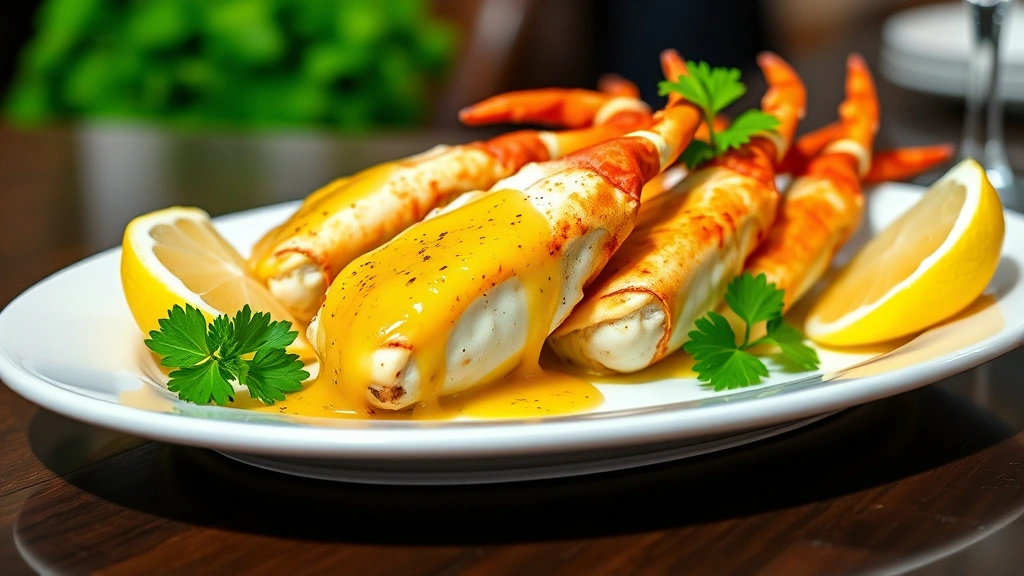
Crab legs shine when paired with complementary flavors and textures. Classic melted butter remains the gold standard accompaniment, but don’t overlook compound butters infused with garlic, herbs, lemon, or chili oil. Prepare multiple dipping options to give guests choices and enhance the tasting experience. Drawn butter should be served warm in small individual bowls or ramekins, allowing each person to dip at their preference.
Fresh lemon and lime wedges are essential for cutting through the richness of the meat and adding brightness. Consider preparing a simple mignonette sauce with white wine vinegar, shallots, and cracked pepper for those who prefer acidic accompaniments. A light aioli made with garlic and quality mayonnaise provides creamy richness, while hot sauce options appeal to those enjoying spicy profiles.
Side dishes should remain relatively simple to avoid competing with the star ingredient. Steamed asparagus with garlic and lemon, roasted fingerling potatoes with herbs, or fresh green salads with vinaigrette dressing all complement crab legs beautifully. Grilled corn on the cob, crusty bread for soaking up butter, and fresh coleslaw round out a complete seafood feast. If you’re planning a more elaborate spread, incorporate fresh garden vegetables for vibrant colors and optimal nutrition.
For special occasions, consider pairing crab legs with crisp white wines like Sauvignon Blanc, Pinot Grigio, or Chablis that complement the sweet, delicate meat without overwhelming it. Light beers and champagne also work wonderfully, offering refreshing contrast to the rich butter and seafood. Avoid heavy red wines, which clash with the subtle flavors of crab.
FAQ
How long should I cook crab legs?
Cooking time depends on your chosen method and whether legs are thawed or frozen. Steaming typically requires 4-5 minutes for thawed legs or 6-7 minutes for frozen. Boiling takes similar time—4-5 minutes for thawed or 6-8 minutes for frozen. Baking at 375°F requires 12-15 minutes. Instant Pot cooking requires 3 minutes for thawed legs or 4 minutes for frozen legs at high pressure. Always check that meat pulls away from shell easily and appears opaque throughout.
Can I cook crab legs from frozen?
Yes, absolutely. Most cooking methods accommodate frozen crab legs with slightly extended cooking times. Add 1-2 minutes to steaming or boiling times when cooking from frozen. Thawing first in the refrigerator is ideal for most even cooking, but frozen crab legs can be cooked successfully if you’re short on time. Avoid thawing at room temperature, which can promote bacterial growth and compromise texture.
What’s the best way to crack and eat crab legs?
Use a small cracking tool or the side of a nutcracker to gently crack the shell lengthwise. Bend the cracked shell backward to expose the meat, then pull it out with a small seafood fork or your fingers. Some people prefer using kitchen shears to split legs lengthwise before cooking, which exposes meat for easier eating. Have napkins readily available, as eating crab legs is naturally messy and part of the fun.
How do I know if crab legs are cooked properly?
Properly cooked crab legs have opaque white or cream-colored meat that pulls away from the shell easily. The shell should be bright red (for cooked varieties) or have turned from the original color. Overcooked crab becomes tough and stringy, while undercooked crab appears translucent and may taste slightly off. Proper timing and temperature control ensure perfect results every time.
Can I reheat leftover crab legs?
Yes, reheat gently to prevent toughening. Steam for 3-4 minutes, place in a 300°F oven for 5-8 minutes, or briefly dip in simmering water. Avoid microwaving, which creates uneven heating and rubbery texture. Store cooked crab legs in airtight containers in the refrigerator for up to three days before reheating.
What’s the difference between king crab and snow crab legs?
King crab legs are significantly larger, with thicker shells and more meat per leg, making them premium-priced. Snow crab legs are smaller with thinner shells but offer excellent sweet flavor at lower cost. Both cook similarly with minor timing adjustments. King crab may require 1-2 minutes additional cooking time due to size. Choose based on budget and portion needs—king crab is ideal for special occasions, while snow crab works beautifully for regular meals.
Should I add seasoning to the cooking water?
Adding salt and aromatics to steaming or boiling water enhances flavor throughout the meat. Beer, white wine, vinegar, lemon, herbs, and spices all infuse subtle taste. Old Bay seasoning is traditional for boiling. However, quality crab legs need minimal seasoning—simple salt and lemon often suffice. Don’t overseasoning the water, as this can mask the natural sweet crab flavor you’ve paid premium prices to enjoy.
What’s the most economical way to cook crab legs at home?
Snow crab legs offer the best value while maintaining excellent quality and flavor. Boiling is the most economical cooking method, requiring only water, salt, and basic equipment. Steaming uses minimal water and energy. Batch cooking and freezing cooked legs extends value by allowing you to enjoy crab throughout the season without daily cooking. Planning meals around sales and seasonal availability also maximizes savings.
Can I cook crab legs in a slow cooker or crockpot?
While technically possible, slow cookers aren’t ideal for crab legs because the prolonged heat and moisture can create mushy, overcooked texture. Steaming, boiling, or Instant Pot methods deliver superior results in less time. If you must use a slow cooker, place crab legs on a steamer rack above water, cover, and cook on high for just 2-3 hours maximum, checking frequently to prevent overcooking.


