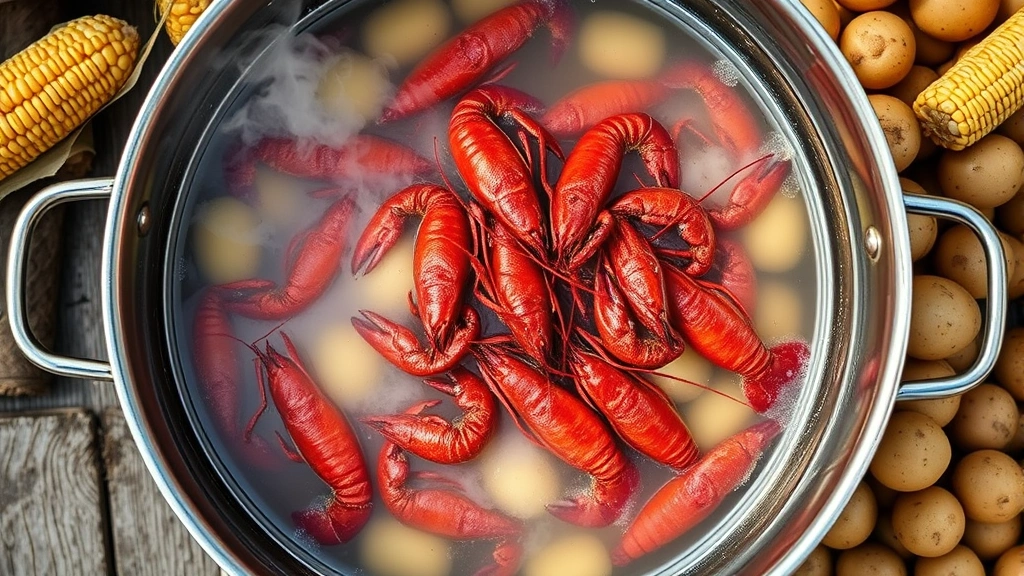
Ultimate Crawfish Boil: Southern Tradition Recipe
A crawfish boil represents the heart of Southern culinary tradition, bringing communities together around steaming pots of seasoned shellfish, corn, and potatoes. This iconic dish has roots deep in Louisiana’s Creole and Cajun heritage, where it evolved from humble fishing communities into a celebrated social gathering. Whether you’re hosting your first crawfish boil or perfecting your technique, this comprehensive guide will walk you through everything you need to know.
The beauty of a crawfish boil lies in its simplicity combined with bold, layered flavors. Unlike many elaborate recipes requiring specialized skills, this comfort food classic welcomes home cooks of all levels. The magic happens when quality ingredients meet proper technique—transforming live crawfish into tender, flavorful bites that taste like a Louisiana vacation on your plate.
This tradition embodies more than just cooking; it’s about gathering, sharing, and celebrating food that connects us to heritage and place. Let’s dive into creating an unforgettable crawfish boil experience.
What You Need to Know About Crawfish
Crawfish, also called crayfish or crawdads depending on your region, are freshwater crustaceans that thrive in Louisiana’s bayous and waterways. These small relatives of lobsters measure typically 3-4 inches long and contain sweet, tender meat concentrated in the tail. Understanding crawfish basics ensures you select quality product and handle it properly throughout the cooking process.
The crawfish season runs from November through June, with peak availability between December and April. During this window, you’ll find the freshest, most flavorful specimens at local markets, seafood suppliers, and increasingly at grocery stores nationwide. When selecting live crawfish, look for active movement and a hard shell—signs of freshness and quality. Avoid any with a musty smell or sluggish behavior.
One pound of live crawfish yields approximately 1 ounce of meat, so plan accordingly when calculating quantities. For a proper crawfish boil gathering, plan for 3-4 pounds per person if crawfish is the main event. The meat-to-shell ratio means you’ll spend time extracting the tender portions, which becomes part of the social experience and fun of the meal.
Essential Ingredients for the Perfect Boil
Creating authentic crawfish boil flavors requires balancing spice, salt, and aromatics. The foundation begins with commercial crawfish boil seasoning—readily available at most grocery stores—though many cooks prefer making their own blend for customization and freshness.
Core Ingredients:
- 5-6 pounds live crawfish (about 1.5 pounds per person)
- 4-5 tablespoons commercial crawfish boil seasoning or homemade blend
- 2-3 tablespoons salt (adjust based on seasoning choice)
- 8-10 medium potatoes, halved
- 4-5 ears fresh corn, cut into thirds
- 1 pound smoked sausage, sliced into 2-inch pieces
- 1 head garlic, halved
- 4-5 lemons, halved
- 4-6 bay leaves
- Fresh onions (2-3 whole, quartered)
- Water (approximately 30-40 gallons for outdoor boil)
For a seasoning blend approach, combine cayenne pepper, paprika, garlic powder, onion powder, thyme, oregano, and black pepper. This homemade version gives you control over heat level and ingredient quality while developing deeper, more complex flavors than pre-made options alone.
Equipment and Setup
Successful crawfish boiling requires proper equipment designed for high-volume, high-heat cooking. Most traditional crawfish boils happen outdoors, making specialized equipment essential for safety and efficiency.
Required Equipment:
- Large stainless steel pot (minimum 40-60 quart capacity)
- Propane burner with regulator and safety valve
- Thermometer (essential for monitoring water temperature)
- Long-handled wooden spoon or paddle for stirring
- Mesh strainer baskets or colander
- Large cooler for icing crawfish before cooking
- Heat-resistant gloves and apron
- Long tongs for removing items from pot
- Serving platters and newspaper or kraft paper for tables
Setup matters tremendously for safety and efficiency. Position your burner on level ground away from structures, ensuring proper ventilation. Place your pot securely on the burner, filling it with water before igniting heat. Never leave a heating pot unattended. Have all ingredients prepped and organized nearby—once boiling begins, timing becomes critical and you won’t want to scramble for items.
Many experienced cooks use mesh baskets that lower directly into the boiling water, allowing easy removal of items at precise cooking times. This technique prevents overcooking and makes batch management straightforward, particularly when cooking for large groups.
Step-by-Step Cooking Instructions
Preparation Phase:
Begin by keeping live crawfish in a cool place until cooking time. If purchased the day before, store them in a mesh bag in your refrigerator’s coldest section. Just before cooking, rinse crawfish under cool running water, removing mud and debris. Some cooks soak them in ice water for 15-20 minutes to slow metabolism and ensure they’re fully submerged during cooking.
Building the Boil:
- Fill your pot with 30-40 gallons of water (adjust based on pot size and ingredient quantity)
- Bring water to a rolling boil over high heat
- Add salt and crawfish boil seasoning, stirring thoroughly to dissolve
- Taste the water—it should taste like seasoned broth, slightly salty and flavorful
- Add potatoes and onions first, as they require the longest cooking time (approximately 15 minutes)
- Add sausage, garlic, and bay leaves, allowing 5-7 minutes of cooking
- Add corn, cooking for 3-4 minutes until kernels are tender
- Finally, add crawfish in batches, stirring gently to ensure even cooking and submersion
- Once all crawfish are added and water returns to boil, cook for 3-4 minutes exactly
The timing sequence ensures every ingredient reaches perfect doneness simultaneously. Overcooked crawfish become mushy and lose their delicate sweetness, while undercooked ones remain tough. This precise timing is what separates mediocre boils from memorable ones.
Determining Doneness:
Crawfish are done when they float to the water’s surface and their shells turn bright red. Remove a sample tail and check the meat—properly cooked meat should be opaque white throughout with no translucent sections. The tail should pull away cleanly from the body.
Seasoning Secrets and Flavor Variations
While traditional Louisiana seasoning dominates crawfish boil culture, creative variations allow personal expression while honoring the dish’s heritage. Understanding foundational flavors helps you develop variations that enhance rather than overshadow the crawfish’s natural sweetness.
Classic Louisiana Blend:
The traditional approach emphasizes cayenne heat balanced with garlic, paprika, and aromatic herbs. This creates the signature spicy-savory profile that defines authentic Louisiana crawfish boils. The heat should build gradually rather than overwhelm immediately, encouraging multiple bites and creating thirst—perfect for social gatherings.
Cajun Enhancement Technique:
Beyond basic seasoning, many Louisiana cooks add extra dimension by incorporating smoked paprika instead of regular paprika, adding complexity and subtle smokiness that complements both the crawfish and sausage. A touch of cayenne infused oil drizzled over finished crawfish adds richness and helps flavors cling to the meat.
Creative Variations:
- Garlic Butter Boil: Add 1 pound butter and 12-15 minced garlic cloves to the water, creating a luxurious, rich broth perfect for dipping corn and bread
- Lemon Herb Version: Emphasize fresh lemon juice, thyme, and oregano for a brighter, Mediterranean-inspired approach
- Spicy Cajun Heat: Increase cayenne by 50%, add jalapeño slices, and include ghost pepper powder for extreme heat seekers
- Old Bay Fusion: Blend traditional Maryland crab seasoning with crawfish boil base for a unique East-meets-South flavor profile
Experimentation within these frameworks allows you to develop signature boils while maintaining the technique’s integrity. Document your variations—successful combinations become treasured family traditions.
The complementary rice bowl recipes work wonderfully for serving leftover crawfish meat mixed with vegetables and sauce.
Serving and Presentation Tips
How you present your crawfish boil significantly impacts the dining experience. Traditional Louisiana presentation emphasizes abundance, community, and casual elegance that encourages interaction and enjoyment.
Table Setup Strategy:
Cover tables with kraft paper or newspaper, creating an easily disposable surface for shells and debris. This casual approach actually elevates the experience by removing formality and encouraging guests to relax. Arrange small bowls or plates around the table for shells, positioned conveniently for easy cleanup.
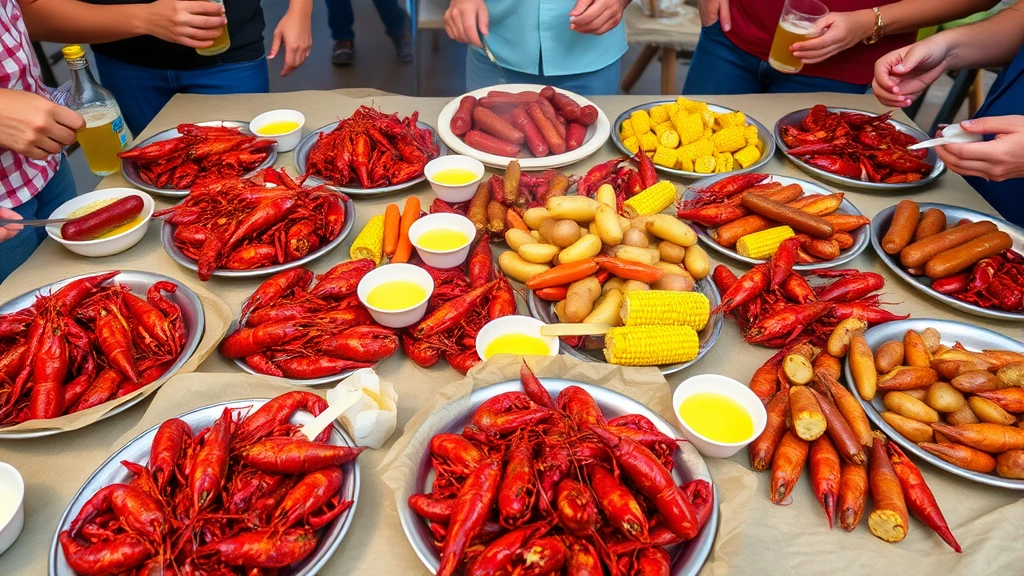
Place crawfish in the center of tables in large, shallow bowls or on platters, surrounded by corn, potatoes, and sausage. Provide small bowls of melted butter infused with garlic and lemon for dipping. Crusty bread is essential for soaking up the flavorful broth.
Eating Technique Guidance:
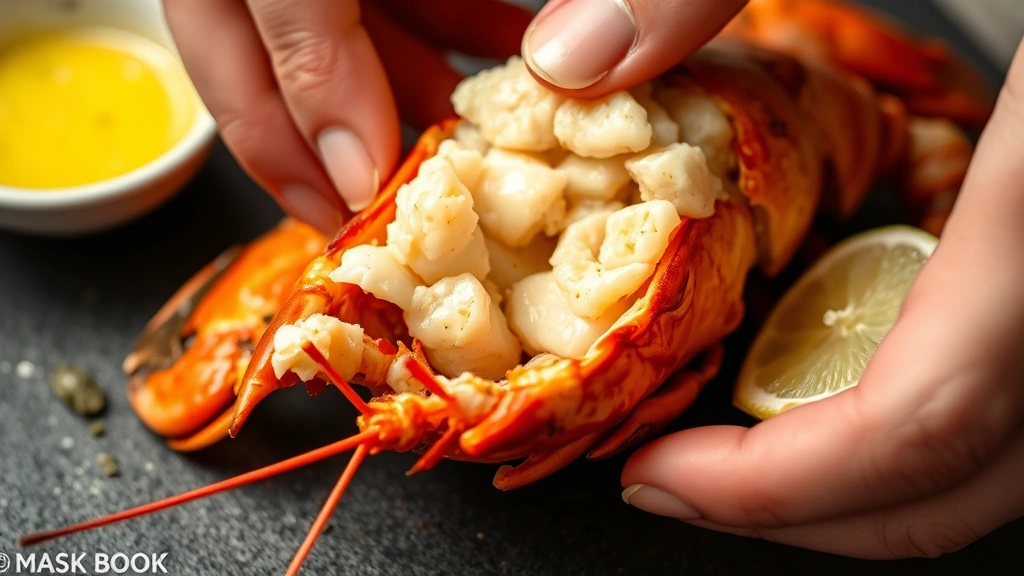
Many first-time crawfish eaters need guidance on extraction. The tender meat concentrates in the tail—twist the tail from the body, then peel away the shell segments to reveal the meat. Some experienced eaters also suck the flavorful juices from the head after removing the tail, though this intimidates newcomers.
Provide small bowls of water with lemon slices for rinsing fingers between bites. Bibs or aprons protect clothing from splashing broth and shell fragments. This casual, hands-on eating experience creates memorable social moments and genuine connection around food.
Beverage Pairing:
Cold beer remains the traditional pairing, cutting through richness and complementing spice. Crisp white wines work beautifully, while sweet tea satisfies those avoiding alcohol. Have plenty of ice water available—the cumulative spice effect intensifies throughout the meal.
Storage and Leftover Ideas
Quality crawfish boil components store well, making leftovers an opportunity rather than waste. The cooking liquid, infused with all those layered flavors, becomes liquid gold for creative dishes.
Proper Storage:
- Refrigerate cooked crawfish in airtight containers for up to 3 days
- Freeze crawfish meat for up to 2 months in freezer bags with minimal air
- Store cooking liquid separately in containers for up to 1 week refrigerated or 3 months frozen
- Keep potatoes and corn in separate containers to prevent flavor transfer
Creative Leftover Uses:
Transform leftover crawfish meat into crawfish étouffée, a classic Louisiana dish featuring crawfish over rice with a rich, spiced tomato sauce. The cooking broth becomes the base for crawfish bisque, a luxurious soup combining cream, stock, and concentrated seafood flavor. Leftover potatoes and corn create satisfying salads when combined with crawfish meat, fresh herbs, and vinaigrette.
Cold crawfish meat works beautifully in lighter preparations like crawfish salads, seafood pasta dishes, or atop fresh greens with citrus vinaigrette. The cooking liquid, frozen in ice cube trays, provides instant flavor boosts for seafood dishes, risottos, and soups throughout the coming weeks.
Many cooks intentionally make extra crawfish boil components specifically to have leftovers for these secondary dishes. This approach maximizes the effort and creates multiple meals from a single cooking session.
FAQ
How many crawfish do I need per person?
Plan for 3-4 pounds of live crawfish per person for a main course crawfish boil. This yields approximately 3-4 ounces of meat per person after cooking. If serving as part of a larger meal with multiple proteins, reduce to 1.5-2 pounds per person.
Can I use frozen crawfish instead of live?
While fresh live crawfish provide superior flavor and texture, quality frozen crawfish work acceptably. Thaw completely in the refrigerator before cooking, never at room temperature. Reduce cooking time by 1-2 minutes as frozen crawfish cook faster than live specimens. The flavor profile becomes slightly less vibrant but remains satisfying.
What’s the difference between crawfish, crayfish, and crawdads?
These terms refer to the same crustacean, with regional variations in nomenclature. “Crawfish” dominates in Louisiana and the South, “crayfish” appears more commonly in scientific contexts and Northern regions, while “crawdad” reflects Appalachian and Midwestern usage. They’re identical creatures with identical cooking methods.
Can I make crawfish boil indoors?
Yes, though outdoor cooking remains traditional for practical and safety reasons. Indoor boiling requires proper ventilation, a large pot that fits your stove, and careful heat management. Many apartment dwellers successfully use large stockpots on stovetops, though the experience differs from traditional outdoor gatherings. Reduce water volume proportionally to your pot size.
How do I know if crawfish are fresh?
Fresh live crawfish should be active and responsive, quickly moving when touched. Avoid any with a strong musty or ammonia smell—these indicate age or poor storage conditions. Hard shells indicate better meat quality than soft shells. Purchase from reputable suppliers with high turnover to ensure maximum freshness.
What if I can’t find live crawfish?
Contact local seafood markets, specialty grocers, or restaurants serving Louisiana cuisine—they often sell live crawfish directly or can source them. During peak season, many grocery stores stock them. Alternatively, high-quality frozen crawfish from reputable suppliers provide acceptable substitutes, though fresh always surpasses frozen in flavor and texture.
Can I reuse the cooking water?
Absolutely. Strain the cooking liquid through cheesecloth to remove sediment and shell fragments, then refrigerate or freeze for future use. This flavorful broth becomes the foundation for crawfish étouffée, bisque, or any seafood dish requiring deep, complex seasoning. Many cooks consider the cooking liquid as valuable as the crawfish itself.
What’s the best seasoning ratio?
A general guideline uses 3-4 tablespoons of crawfish boil seasoning per 40 gallons of water, adjusted based on your pot size and personal spice preferences. Taste the water before adding crawfish—it should taste like flavorful, seasoned broth slightly saltier than you’d normally prefer. The crawfish and vegetables will absorb some seasoning during cooking.


