Creme Anglaise Mastery: The Pastry Chef-Approved Guide to Perfect Custard Sauce
Creme anglaise is the foundation of French pastry excellence, a silky custard sauce that elevates desserts from ordinary to extraordinary. Whether you’re drizzling it over a warm brownie, serving it alongside poached pears, or using it as the base for homemade ice cream, mastering this classic sauce is essential for any serious home baker. This elegant custard combines just four simple ingredients—egg yolks, milk, cream, and sugar—yet requires precision and attention to technique to achieve that coveted smooth, glossy texture without curdling.
The beauty of creme anglaise lies in its versatility and the sophisticated simplicity of its preparation. Professional pastry chefs have perfected this technique over centuries, and now you can achieve their results in your own kitchen. Understanding the science behind emulsification, temperature control, and proper whisking technique transforms this basic custard into a showstopping complement to your favorite desserts. This comprehensive guide walks you through every step, from selecting your ingredients to troubleshooting common mistakes.
What Is Creme Anglaise and Why Master It
Creme anglaise, literally meaning “English cream” in French, is a pouring custard that represents one of the five mother sauces of French cuisine. Unlike its thicker cousin, pastry cream (creme patissiere), creme anglaise maintains a pourable consistency that coats the back of a spoon. This sauce appears on fine dining menus worldwide, accompanying everything from chocolate cakes to fruit desserts to delicate pastries.
The importance of mastering creme anglaise extends beyond mere tradition. This sauce teaches you fundamental pastry techniques: tempering eggs, understanding emulsification, controlling heat precisely, and achieving proper consistency. These skills transfer directly to making quick breakfast recipes that feature custard components, mayonnaise-based preparations, and other emulsified sauces.
Professional pastry chefs consider creme anglaise mastery a non-negotiable skill. The sauce demonstrates your understanding of temperature dynamics, your ability to work with delicate ingredients, and your attention to detail—all hallmarks of refined cooking. Once you’ve perfected this technique, you’ll find yourself using it constantly, whether for entertaining guests or creating restaurant-quality desserts at home.
Essential Ingredients for Perfect Custard
The ingredient list for creme anglaise is deceptively simple, but each component plays a crucial role in the final result. Quality matters enormously when working with so few ingredients.
Egg Yolks: Use room-temperature egg yolks from fresh, high-quality eggs. The yolks contain lecithin, a natural emulsifier that creates the sauce’s characteristic silky texture. Avoid eggs that are too cold, as they whisk less efficiently and incorporate air unevenly. For this recipe, you’ll need 5-6 egg yolks per cup of liquid.
Whole Milk: Full-fat milk provides richness and helps create a balanced custard. While you could use lower-fat milk, the result will be thinner and less luxurious. Whole milk’s fat content (around 3.5%) contributes to proper emulsification and mouthfeel.
Heavy Cream: Adding cream elevates the sauce from basic to luxurious. The cream’s higher fat content (36% fat) ensures a velvety finish and richer flavor. Some recipes use all milk, but the addition of cream is what professional pastry chefs use to achieve that restaurant-quality result.
Sugar: Granulated white sugar dissolves most readily and doesn’t add color. Use approximately 1/4 to 1/3 cup sugar per cup of liquid, adjusting based on your serving application. Sugar serves multiple purposes: it sweetens, it helps stabilize the egg yolks during whisking, and it raises the temperature at which eggs begin to coagulate, giving you a wider working window.
Vanilla Extract or Vanilla Bean: Traditional creme anglaise features vanilla as the signature flavor. Use pure vanilla extract, or for premium results, scrape the seeds from a fresh vanilla bean and steep it in the warm milk before combining with yolks.
Step-by-Step Recipe Instructions
Classic Creme Anglaise Recipe
Ingredients:
- 1 cup whole milk
- 1/2 cup heavy cream
- 1 vanilla bean (or 1 teaspoon vanilla extract)
- 5 egg yolks
- 1/3 cup granulated sugar
- Pinch of fine sea salt
Step 1: Prepare Your Vanilla Base
Pour the milk and cream into a heavy-bottomed saucepan. If using a vanilla bean, split it lengthwise and scrape out the seeds with the back of a knife. Add both the pod and seeds to the milk mixture. Heat over medium heat, stirring occasionally, until small bubbles form around the edges (approximately 160-170°F). Do not boil. Remove from heat and let steep for 15 minutes to extract maximum vanilla flavor. If using vanilla extract, you’ll add it at the end instead.
Step 2: Temper the Egg Yolks
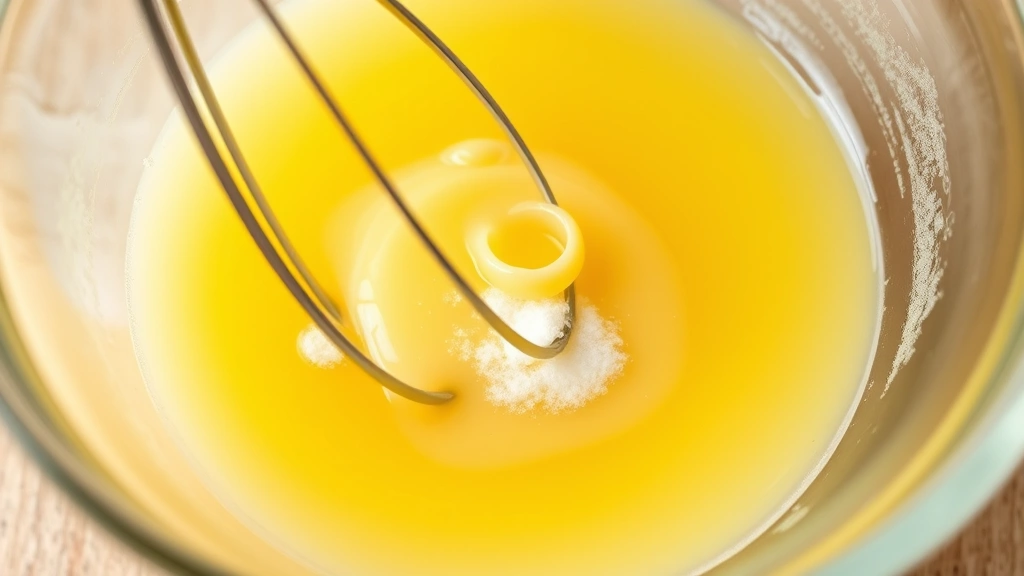
In a separate bowl, whisk together the egg yolks and sugar. Whisk vigorously for 2-3 minutes until the mixture becomes pale, thick, and forms a ribbon when you lift the whisk. This step is crucial—the friction and air incorporation help stabilize the yolks and prevent curdling. Add a pinch of salt, which enhances flavor and further stabilizes the mixture.
Step 3: Combine Milk and Eggs Carefully
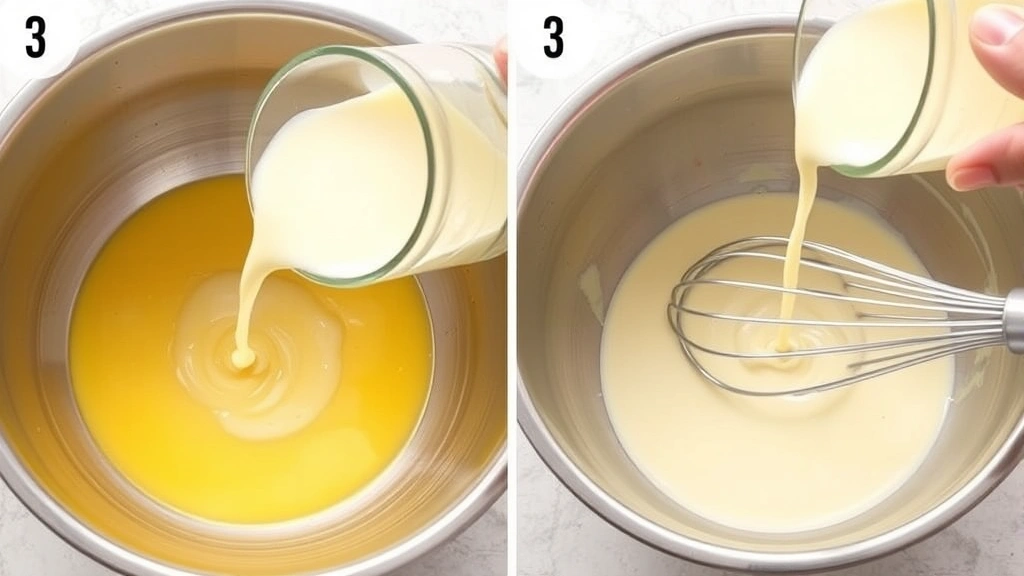
Remove the vanilla pod from the milk mixture. Slowly pour the warm milk into the egg mixture while whisking constantly. This tempering process gradually raises the eggs’ temperature, preventing them from scrambling. Pour in about 1/4 of the milk at first, whisking continuously for 30 seconds, then add the remaining milk in a steady stream while whisking.
Step 4: Cook Over Gentle Heat
Return the mixture to the saucepan and place over medium-low heat. Use a wooden spoon or silicone spatula to stir constantly, scraping the bottom and corners of the pan. This prevents hot spots where eggs might cook too quickly and scramble. Continue cooking for 8-12 minutes, until the sauce reaches 160-165°F (71-74°C) on an instant-read thermometer. At this temperature, any bacteria in the eggs are eliminated, and the sauce has thickened enough to coat the back of a spoon.
Step 5: Test for Doneness
Dip a spoon into the sauce and run your finger across the back. If the line stays clear without sauce flowing together, the custard is ready. The mixture should coat the spoon smoothly without being too thick—it’s a pourable sauce, not a thick cream.
Step 6: Strain and Cool
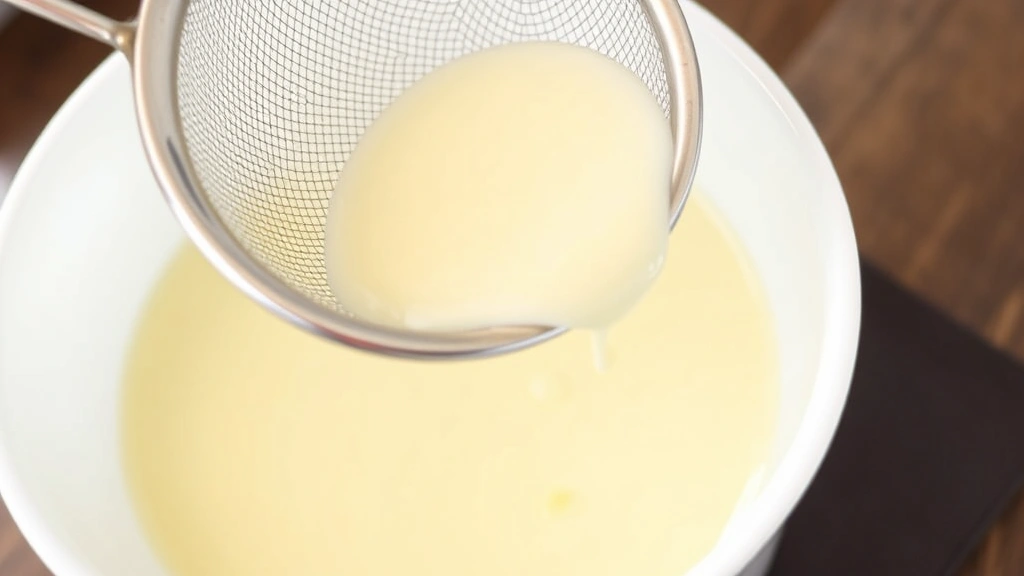
Pour the sauce through a fine-mesh strainer into a clean bowl, pressing gently with the back of a spoon. Straining removes any accidentally scrambled bits and creates an impossibly smooth texture. If you haven’t already, add 1 teaspoon vanilla extract now. Place the bowl over an ice bath (a larger bowl filled with ice water) and stir occasionally for 5-10 minutes until cooled to room temperature. This stops the cooking process immediately.
Temperature Control and Pastry Chef Secrets
Temperature control is the single most important factor in creme anglaise success. Professional pastry chefs obsess over this detail because it’s the difference between silky perfection and grainy disappointment.
The Science Behind Temperature: Egg yolks contain proteins that coagulate at different temperatures. At 140°F (60°C), the proteins begin to thicken the sauce. At 160-165°F (71-74°C), you achieve ideal thickness and food safety. Above 180°F (82°C), the yolks begin to scramble visibly, creating a grainy texture that cannot be recovered. This narrow window—just 20-25 degrees—requires constant attention.
Use an Instant-Read Thermometer: Professional kitchens rely on instant-read thermometers for precision. Invest in a quality digital thermometer with a thin probe. Test the temperature in multiple spots in the pan, especially near the edges where heat concentrates. Never rely on appearance alone—the sauce can look perfect and still be undercooked or slightly curdled.
Maintain Constant Stirring: Continuous stirring prevents hot spots and ensures even cooking. Use a wooden spoon or silicone spatula, moving in figure-eight patterns to reach all areas of the pan. When you feel resistance or hear scraping sounds, you’re likely hitting the bottom where the hottest spots develop. Keep stirring.
Use Proper Equipment: Heavy-bottomed saucepans distribute heat evenly and prevent scorching. Avoid thin, lightweight pans that create hot spots. A 2-3 quart saucepan works perfectly for this recipe. Some pastry chefs prefer using a double boiler or bain-marie (water bath), which provides even gentler, more controlled heat, especially useful when making larger batches.
The Ice Bath Technique: The moment your sauce reaches 160-165°F, transfer it to a clean bowl and place that bowl in an ice bath. This immediately stops the cooking process, preventing any further coagulation. Stir occasionally as it cools to ensure even temperature distribution. This professional technique ensures your sauce stays perfectly cooked, never overcooked.
Flavor Variations and Creative Applications
Once you’ve mastered the classic vanilla version, explore these sophisticated variations that professional pastry chefs use to complement different desserts.
Coffee Creme Anglaise: Replace the vanilla with 2 tablespoons instant espresso powder dissolved in the warm milk. The coffee’s bitterness beautifully complements chocolate desserts and creates a complex flavor profile.
Citrus Creme Anglaise: Add the zest of 2 lemons, limes, or oranges to the milk while heating. After straining, add 1-2 tablespoons fresh citrus juice. This bright variation pairs wonderfully with fruit-based desserts and light cakes.
Spiced Creme Anglaise: Infuse the milk with a cinnamon stick, 2-3 whole cloves, and a star anise pod. Remove the spices before straining. This warming variation complements apple desserts, pumpkin preparations, and holiday treats.
Liqueur-Infused Versions: After cooling, whisk in 1-2 tablespoons of your favorite liqueur—Grand Marnier, Kahlua, Cointreau, or Frangelico. This adds sophisticated depth and pairs elegantly with elegant plated desserts.
Chocolate Creme Anglaise: Whisk 3-4 ounces of chopped high-quality chocolate into the hot sauce immediately after straining. The residual heat melts the chocolate perfectly. This version becomes the base for chocolate-based desserts and works beautifully with sourdough-based bread puddings.
Serving Suggestions: Creme anglaise serves as the perfect accompaniment to warm desserts, individual cakes, poached fruit, bread puddings, and chocolate creations. Warm it gently before serving (never to above 140°F) or serve at room temperature, depending on your dessert. A small pool of sauce beneath a warm brownie or alongside a slice of cake creates restaurant-quality plating that impresses every time.
Common Mistakes and How to Fix Them
Scrambled or Grainy Sauce: This occurs when eggs cook too quickly or too hot. If you notice small specks or a grainy texture, immediately remove from heat and strain through cheesecloth into a clean bowl. While this doesn’t restore the sauce to perfection, it removes the worst of the scrambled bits. Prevention is key: use lower heat, stir constantly, and monitor temperature closely.
Sauce Too Thin: If your sauce never thickens despite reaching 160°F, it may contain too much liquid or your eggs were too large. The sauce won’t thicken further once it reaches 165°F. You can whisk an additional egg yolk with a tablespoon of sugar and slowly temper it into the sauce, then cook briefly. Alternatively, this thinner sauce still works as a pourable custard, just with less body.
Sauce Too Thick: If your sauce becomes too heavy or pudding-like, you’ve cooked it too long or used too many yolks. Whisk in cold milk or cream a tablespoon at a time until you reach the desired consistency. A properly made creme anglaise should coat a spoon but still flow smoothly.
Curdled Appearance: If you see tiny flecks that won’t disappear with straining, you’ve likely overcooked or created hot spots. This sauce cannot be saved. Pour it away and start fresh, paying careful attention to temperature and stirring. This happens to everyone—it’s a learning experience.
Vanilla Flavor Too Weak: Use more vanilla bean or higher-quality vanilla extract. Fresh vanilla beans provide superior flavor to extract. If using extract, add it after cooling rather than during cooking, as heat diminishes its delicate flavor. Store-brand extracts differ significantly in quality—splurge on pure vanilla extract from reputable sources.
Separation or Breaking: If the sauce appears broken or separated, you’ve likely overheated it, causing the egg proteins to tighten and squeeze out moisture. This typically cannot be repaired. However, sometimes gentle whisking over an ice bath helps. In professional kitchens, this rarely happens because temperature control is paramount.
Storage and Make-Ahead Tips
Creme anglaise is an excellent make-ahead dessert component, allowing you to prepare elegant plated desserts with minimal last-minute work.
Refrigerator Storage: Properly made creme anglaise keeps refrigerated for up to 4 days in an airtight container. To prevent a skin from forming (which many find unappealing), press plastic wrap directly onto the surface of the sauce before covering the container. This maintains the smooth, glossy appearance.
Freezer Storage: While you can freeze creme anglaise for up to 3 months, the texture may become slightly grainy upon thawing. The sauce still tastes delicious and works perfectly for baked applications or ice cream bases. Thaw slowly in the refrigerator overnight, then whisk gently before using.
Reheating Guidelines: Gently warm creme anglaise over low heat, stirring constantly, or place the container in a warm water bath at 130-140°F. Never microwave, as this creates hot spots and can cause curdling. Warm sauce should reach approximately 120-130°F—warm to the touch but not hot. Overheating reheated sauce ruins the delicate texture.
Make-Ahead Strategy: Prepare creme anglaise up to 2 days before serving. This timing allows flavors to meld beautifully and eliminates last-minute stress. Simply reheat gently before serving alongside your prepared dessert. Many professional pastry chefs prepare their creme anglaise the day before service, allowing them to focus on plating and final presentations during service.
Flavor Infusions: Prepare the milk infusion separately (vanilla bean steeping, spice infusions, etc.) and refrigerate until ready to use. This allows you to prepare the milk component 1-2 days ahead, then quickly combine with tempered yolks and cook when needed. This strategy works beautifully when hosting multiple courses.
FAQ
Can I use pasteurized eggs for creme anglaise?
Yes, pasteurized eggs are safer for raw or lightly cooked applications. However, for creme anglaise, you’re cooking the mixture to 160-165°F, which exceeds pasteurization temperatures. Regular fresh eggs work perfectly fine when cooked to this temperature. If using pasteurized eggs, you can cook to 160°F with confidence.
What’s the difference between creme anglaise and pastry cream?
Creme anglaise is a pourable custard sauce made with eggs, milk, and cream. Pastry cream (creme patissiere) includes cornstarch or flour, making it much thicker and suitable for filling pastries and cakes. Creme anglaise serves as a sauce, while pastry cream serves as a filling or component of composed desserts.
Why does my creme anglaise have a skin on top?
The skin forms when the surface of the sauce cools and the proteins contract. This is completely harmless—simply remove it or stir it back in. To prevent this entirely, press plastic wrap directly onto the surface immediately after cooling, which creates a barrier preventing skin formation.
Can I make creme anglaise without vanilla?
Absolutely. Vanilla is traditional, but you can omit it entirely or substitute with the flavor variations mentioned earlier. The sauce itself is delicious plain, allowing the richness of eggs and cream to shine. Some chefs serve plain creme anglaise with chocolate desserts to avoid competing flavors.
How do I know when creme anglaise is perfectly cooked?
Use an instant-read thermometer to confirm the sauce has reached 160-165°F. Additionally, dip a spoon in the sauce—when you run your finger across the back, it should leave a clear trail that doesn’t immediately flow together. The sauce should coat the spoon but still pour smoothly. These three indicators confirm doneness.
What if I don’t have heavy cream?
You can use all whole milk, though the sauce will be lighter and less luxurious. Alternatively, use half-and-half or even whole milk with a tablespoon of butter whisked in at the end. The results won’t be quite as rich as traditional creme anglaise, but still delicious. Some culinary institutes teach variations using different dairy ratios based on available ingredients.
Is creme anglaise the same as eggnog?
They’re similar but not identical. Eggnog typically includes spirits like brandy or rum and sometimes nutmeg. Creme anglaise is alcohol-free (unless you add it intentionally) and focuses on pure vanilla flavor. However, the base preparation and technique are essentially the same.
Can I use this recipe for ice cream base?
Yes! Creme anglaise is one of the best ice cream bases. After cooling completely, churn it in an ice cream maker according to the machine’s instructions. The emulsification created by the eggs produces incredibly smooth, creamy ice cream. Many home cooks find this superior to no-churn methods. For more advanced ice cream techniques, explore how to make homemade ice cream.
Why do professional chefs prefer creme anglaise over other sauces?
Creme anglaise demonstrates technical skill, creates elegant plating opportunities, and complements almost any dessert. It’s versatile enough for multiple flavor variations, requires no thickening agents (pure emulsification), and stores well. Professional chefs appreciate its simplicity, elegance, and the way it elevates even simple desserts. Learning this sauce opens doors to advanced pastry techniques.
What’s the best way to serve creme anglaise?
Serve in a small pool beneath or beside your dessert, creating visual interest and encouraging guests to mix the sauce with each bite. Alternatively, drizzle decoratively across the plate or pour into a small sauce boat for tableside service. Temperature depends on your dessert—serve warm with warm desserts, room temperature with most others, or slightly chilled with very rich items.


