Crispy Tofu Recipe: Chef-Approved Method for Perfect Golden Results
Achieving perfectly crispy tofu is one of the most rewarding skills in plant-based cooking. Many home cooks struggle with soggy, bland tofu because they skip the crucial preparation steps that professional chefs rely on. The secret to restaurant-quality crispy tofu lies not in complicated techniques, but in understanding moisture removal, proper seasoning, and temperature control. This chef-approved method transforms humble tofu into a golden, crunchy exterior with a tender interior that rivals any meat-based protein.
Whether you’re preparing a stir-fry, poke bowl, or standalone protein, mastering this crispy tofu recipe will elevate your cooking game significantly. The process takes less than 45 minutes from start to finish, making it perfect for weeknight dinners or meal prep sessions. By following these professional techniques, you’ll create tofu so delicious that even skeptics will ask for seconds.
Selecting the Right Tofu
The foundation of any great crispy tofu recipe begins with choosing the correct tofu variety. Not all tofu is created equal, and using the wrong type will sabotage your efforts before you even start cooking. Extra-firm tofu is the gold standard for achieving crispiness because it contains the least amount of moisture and maintains its structure during cooking.
When shopping for tofu, look for packages labeled “extra-firm” or “super-firm.” Standard firm tofu contains too much water and will result in a mushy texture rather than the desired crunch. Silken tofu should be avoided entirely for this recipe, as it’s designed for smoothies and desserts. Check the expiration date and ensure the package feels solid when you hold it. Some specialty Asian markets offer freshly made tofu at the deli counter, which often has superior texture and flavor compared to packaged varieties.
The water content in your tofu package matters significantly. Some brands pack their tofu in excessive liquid, which indicates higher moisture content. European-style tofu and organic varieties sometimes have better texture than conventional options. If you have access to a local tofu maker, their products typically yield superior crispiness because they’re fresher and have optimal moisture levels.
The Essential Preparation Method
Before any seasoning or cooking occurs, you must remove as much moisture as possible from your tofu. This step is non-negotiable for achieving that satisfying crunch. Professional chefs spend considerable time on this phase because moisture is the enemy of crispiness.
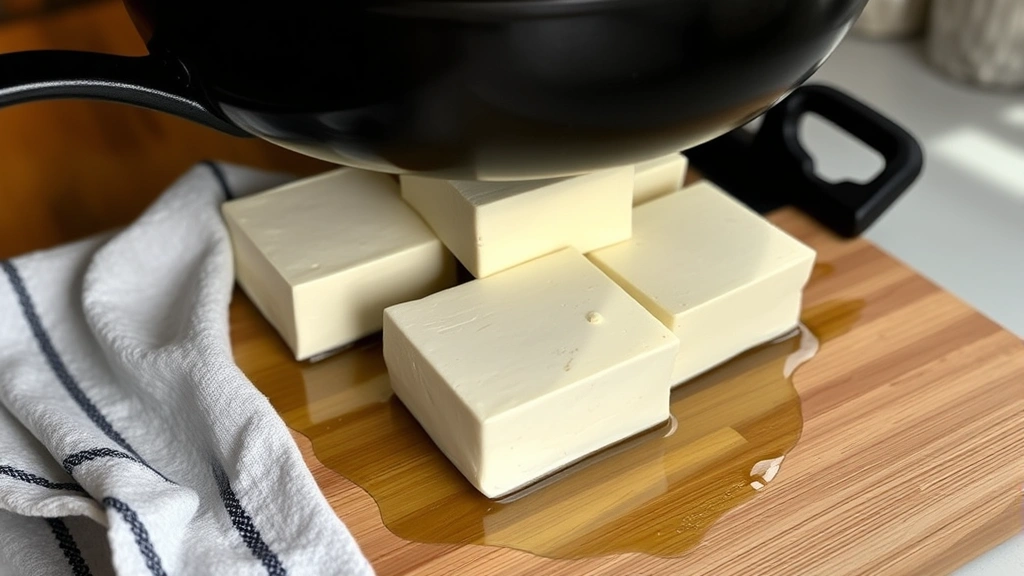
The Press Method: Remove the tofu from its packaging and drain the liquid. Wrap the entire block in clean kitchen towels or cheesecloth, then place it on a cutting board. Set another cutting board on top and weight it down with heavy items like cast iron skillets, canned goods, or books. Let this setup sit for 30-45 minutes. The pressure forces water out of the tofu gradually and evenly. You can also purchase a tofu press, which accomplishes this task more efficiently and consistently.
After pressing, unwrap your tofu carefully. You’ll notice it’s noticeably firmer and has released considerable liquid. Cut the pressed tofu into cubes of your desired size—typically ¾-inch to 1-inch cubes work best for even cooking. Smaller pieces crisp faster but may become too hard; larger pieces stay tender inside but take longer to crisp throughout.
The Freezing Method: Some chefs prefer freezing tofu overnight or for several days before cooking. When frozen tofu thaws, it develops a spongier texture that absorbs marinades and crisps beautifully. Simply place your pressed tofu in the freezer, then thaw it completely before cooking. This method requires planning ahead but produces exceptional results.
The Baking Method: After pressing, you can spread tofu cubes on a lined baking sheet and bake them at 200°F for 15-20 minutes to remove additional moisture. This preliminary baking step creates a head start on the drying process, resulting in even crispier final results. Some professional kitchens use this technique routinely.
Seasoning and Coating Techniques
Plain crispy tofu tastes boring. The seasoning and coating stage transforms your tofu from neutral to absolutely delicious. This is where you can customize the flavor profile to match your desired dish or cuisine.
Dry Coating Approach: In a bowl, combine cornstarch, salt, pepper, and your choice of spices. Cornstarch is crucial—it creates an exceptionally crispy exterior when pan-fried or deep-fried. Use a ratio of 2 tablespoons cornstarch per 14-ounce block of tofu. Add garlic powder, onion powder, paprika, cayenne, or Italian seasoning depending on your flavor preference. Toss your pressed and cubed tofu gently in this mixture until evenly coated. Some chefs add a tablespoon of nutritional yeast for umami depth.
Wet Coating Method: For extra-crispy results, create a wet coating by whisking together cornstarch, flour, water, and seasonings into a batter similar to tempura batter. Dip each tofu cube into this mixture before cooking. This creates a thicker, crunchier crust. The wet coating method works particularly well for deep-frying or air-frying.
Marinade First Approach: Marinate your pressed tofu cubes in a flavorful liquid for 15-30 minutes before coating. Use soy sauce, tamari, rice vinegar, sesame oil, and ginger for an Asian-inspired flavor. The marinade seasons the tofu interior while the exterior moisture helps seasonings adhere. Pat the tofu dry before coating if you want maximum crispiness.
Seasoning Layers: For maximum flavor impact, apply seasoning in stages. Coat the tofu with your dry mixture, cook it until golden, then toss the finished product with additional seasoned salt, furikake, or a flavor dust. This layered approach ensures seasoning throughout rather than just on the surface.
Best Cooking Methods for Crispiness
Your cooking method dramatically affects the final texture and crispiness of your tofu. Different techniques produce different results, and understanding each method helps you choose based on your available equipment and desired outcome.
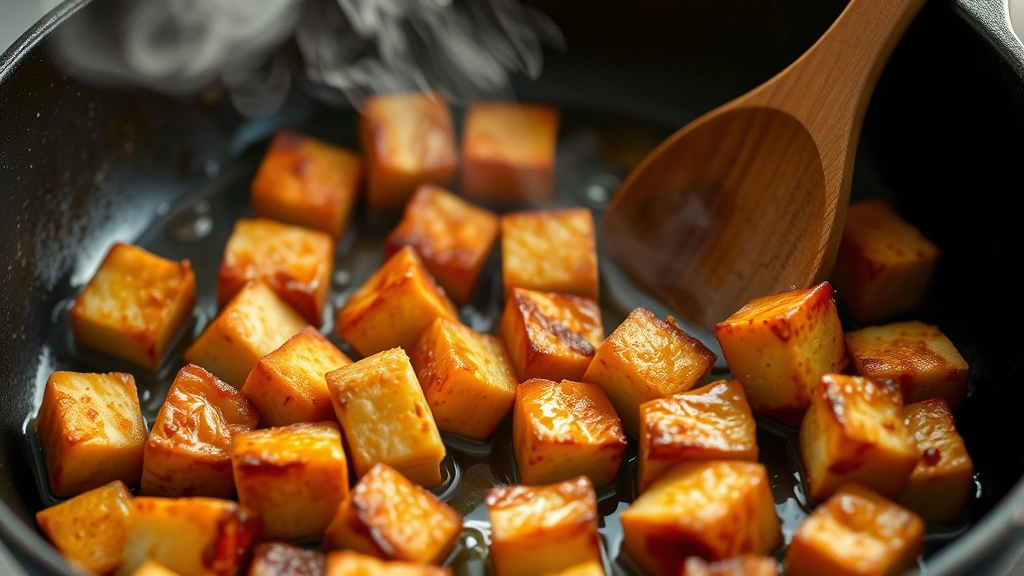
Pan-Frying Method: This is the most accessible method for home cooks and produces excellent results. Heat 2-3 tablespoons of oil in a large skillet over medium-high heat until shimmering. Oil selection matters—use neutral oils like vegetable, canola, or peanut oil. Avoid olive oil for this application as it has a lower smoke point. Once the oil is hot, carefully add your coated tofu cubes in a single layer. Avoid overcrowding the pan, which creates steam and prevents crisping. Work in batches if necessary. Leave each side undisturbed for 3-4 minutes to develop a golden crust. Flip and repeat on all sides. The total cooking time is typically 12-15 minutes for uniformly crispy cubes. Transfer finished tofu to a paper towel-lined plate to drain excess oil.
Deep-Frying Method: For the ultimate crispiness, deep-frying is unbeatable. Heat oil to 350°F in a heavy-bottomed pot or deep fryer. Use a wet batter coating for this method. Carefully lower tofu cubes into the hot oil and fry until golden brown, approximately 3-4 minutes. Don’t overcrowd the pot. Remove with a slotted spoon and drain on paper towels. Deep-fried tofu achieves maximum crunch with a delicate, crispy exterior.
Air-Frying Method: Air fryers produce surprisingly crispy tofu with minimal oil. Toss your coated tofu cubes with just 1-2 tablespoons of oil, then arrange them in a single layer in your air fryer basket. Cook at 375°F for 15-20 minutes, shaking the basket halfway through. The results rival pan-frying with significantly less oil and cleanup.
Oven-Baking Method: For a healthier option, bake your coated tofu at 425°F on a lined baking sheet. Toss the cubes with 1-2 tablespoons of oil, spread them in a single layer, and bake for 25-30 minutes, stirring halfway through. While this method produces less crispiness than frying, it’s convenient and creates pleasant texture when you use maximum heat.
Cast Iron Cooking: Cooking with cast iron provides superior heat retention and browning. A well-seasoned cast iron skillet creates exceptional crust on tofu. Follow the pan-frying method but use your preheated cast iron instead of a standard skillet. The superior heat distribution creates more uniform crispiness.
Professional chefs often combine methods for optimal results. For example, they might bake tofu first to remove moisture, then pan-fry it for final crispiness. This two-step approach guarantees texture perfection.
Serving Ideas and Pairings
Crispy tofu pairs beautifully with countless dishes and flavor profiles. Understanding complementary ingredients helps you create memorable meals.
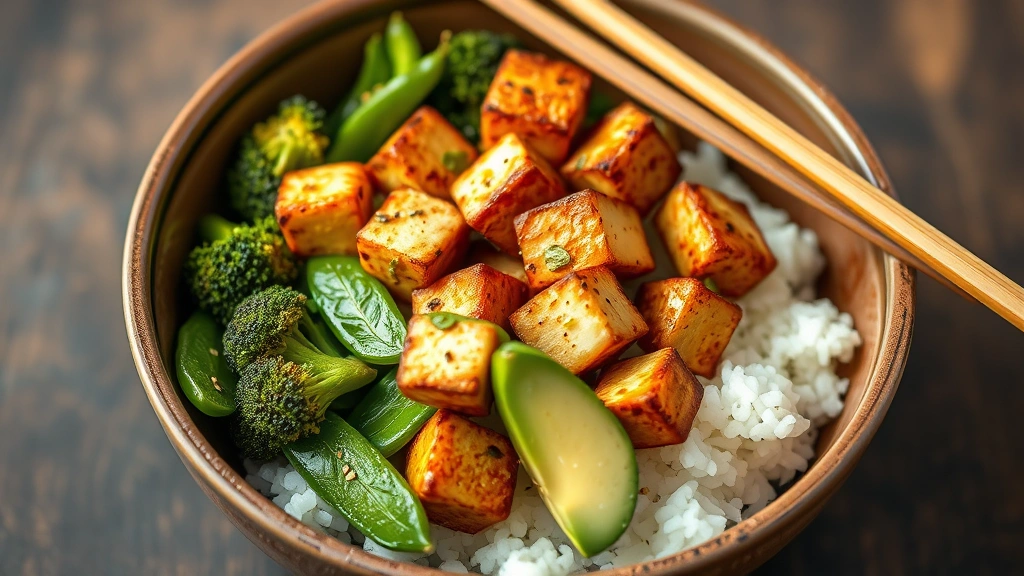
Asian-Inspired Bowls: Serve your crispy tofu over steamed rice or quinoa with roasted vegetables, avocado, and a drizzle of sesame oil. Add pickled ginger, nori strips, and a sprinkle of sesame seeds. This creates a balanced, satisfying bowl reminiscent of professional poke bowls.
Stir-Fry Applications: Add your pre-cooked crispy tofu to vegetable stir-fries during the final minute of cooking. This maintains crispiness while incorporating the tofu into the dish. Pair with bell peppers, snap peas, broccoli, and mushrooms for a complete meal. Serve over rice or noodles.
Grain Bowls: Layer crispy tofu with cooked grains, roasted vegetables, fresh greens, and your choice of sauce. Tahini dressing, peanut sauce, or sriracha mayo all complement crispy tofu excellently. This approach creates Instagram-worthy plates perfect for meal prep.
Sandwich and Wrap Options: Crispy tofu makes an excellent sandwich protein. Layer it in bread with lettuce, tomato, pickles, and your favorite spread. The crispiness provides satisfying textural contrast with soft bread. Wraps, pitas, and flatbreads also work wonderfully.
Salad Toppings: Crispy tofu elevates simple salads into complete meals. Top your favorite green salad with warm crispy tofu cubes, nuts, seeds, and vinaigrette. The temperature contrast and textural variety create interesting eating experiences.
Sauce Pairings: Serve crispy tofu with dipping sauces for entertaining. Sriracha mayo, peanut sauce, sweet and sour sauce, or teriyaki glaze all enhance crispy tofu beautifully. Guests enjoy customizing their experience with sauce options.
Troubleshooting Common Problems
Problem: Tofu Is Still Soggy
Solution: You likely didn’t press it long enough or used soft tofu instead of extra-firm. Always press for at least 30 minutes, and verify you’re using extra-firm varieties. Consider the freezing method for superior moisture removal.
Problem: Tofu Falls Apart During Cooking
Solution: Handle it gently with a wide spatula rather than tongs. Ensure your oil is hot enough before adding tofu. If using a wet batter, make sure it’s thick enough to hold cubes together. Some chefs press tofu longer to increase firmness and structural integrity.
Problem: Exterior Is Crispy but Interior Remains Cold
Solution: Your heat was too high or cooking time too short. Reduce heat slightly and cook longer, allowing heat to penetrate the center. Ensure cubes are uniform in size for even cooking. Smaller pieces cook through faster.
Problem: Tofu Tastes Bland
Solution: Season more generously or use a marinade before cooking. Tofu absorbs flavors readily, so don’t be shy with seasonings. Consider using a flavorful cooking liquid or sauce rather than plain oil. Some chefs season tofu multiple times throughout the cooking process.
Problem: Coating Falls Off During Cooking
Solution: Your tofu wasn’t dry enough before coating. Press it more thoroughly and pat it completely dry before applying your coating. Ensure your coating mixture adheres well by using enough liquid binder. Don’t move tofu around excessively while cooking—let it develop a crust that holds the coating.
Problem: Too Much Oil Absorption
Solution: Reduce oil quantity and use higher heat for shorter cooking times. Air-frying or baking reduces oil absorption compared to pan-frying. Drain cooked tofu on paper towels immediately after cooking. Some chefs use oil sprays instead of liquid oil for better control.
FAQ
How Long Can I Store Crispy Tofu?
Crispy tofu stays fresh in an airtight container in the refrigerator for 3-4 days. Reheat it in a 350°F oven for 5-10 minutes to restore crispiness. Avoid microwaving, which makes it soggy. For longer storage, freeze cooked tofu for up to one month, though texture may change slightly.
Can I Make Crispy Tofu Ahead for Meal Prep?
Yes, absolutely. Cook your tofu as directed and store it in airtight containers in the refrigerator. Reheat before serving to restore crispiness. Alternatively, prep your tofu through the pressing and coating stages, then cook it fresh when you’re ready to eat. This approach maximizes crispiness for finished meals.
What Oil Is Best for Cooking Crispy Tofu?
Neutral oils with high smoke points work best. Vegetable oil, canola oil, peanut oil, and avocado oil are all excellent choices. Avoid olive oil, which has a lower smoke point and imparts strong flavor. Coconut oil can work but may solidify as the tofu cools.
Is Extra-Firm Tofu Always Necessary?
For achieving maximum crispiness, yes. Extra-firm tofu is specifically designed for applications where texture matters. Firm tofu can work in a pinch if pressed extensively, but extra-firm yields superior results consistently. Silken tofu should never be used for crispy applications.
How Do I Know When Oil Is Hot Enough?
The oil should shimmer and move easily across the pan. A drop of water should sizzle immediately upon contact. Use a thermometer for precise temperature (around 350-375°F depending on method). If oil smokes, it’s too hot—reduce heat slightly.
Can I Use Cornstarch Substitute?
Potato starch or tapioca starch work similarly to cornstarch for creating crispiness. All-purpose flour creates less dramatic crispiness but still works. Arrowroot powder is another option. Avoid using only flour without starch, as the results won’t be as crispy.
Should I Marinate Before or After Cooking?
Marinating before cooking seasons the interior and helps moisture escape. Marinating after cooking adds surface flavor. For maximum impact, do both—marinate briefly before cooking, then toss with a glaze or seasoning after cooking.
What If I Don’t Have a Tofu Press?
Use the weighted board method with heavy items on top. Alternatively, wrap tofu in clean towels and let it sit for 45-60 minutes without weights—gravity alone removes significant moisture. The freezing method also works without any special equipment.
Why Is My Tofu Sticking to the Pan?
Your oil isn’t hot enough, or you’re moving the tofu too early. Wait 3-4 minutes before attempting to flip, allowing a crust to form that releases naturally. Ensure your pan and oil are properly preheated. Use a wide spatula for gentle maneuvering.
Can I Make This Recipe Gluten-Free?
Absolutely. Use cornstarch or potato starch for coating instead of flour. Verify all seasonings and sauces are gluten-free. This naturally gluten-free crispy tofu recipe works perfectly for those with dietary restrictions.


