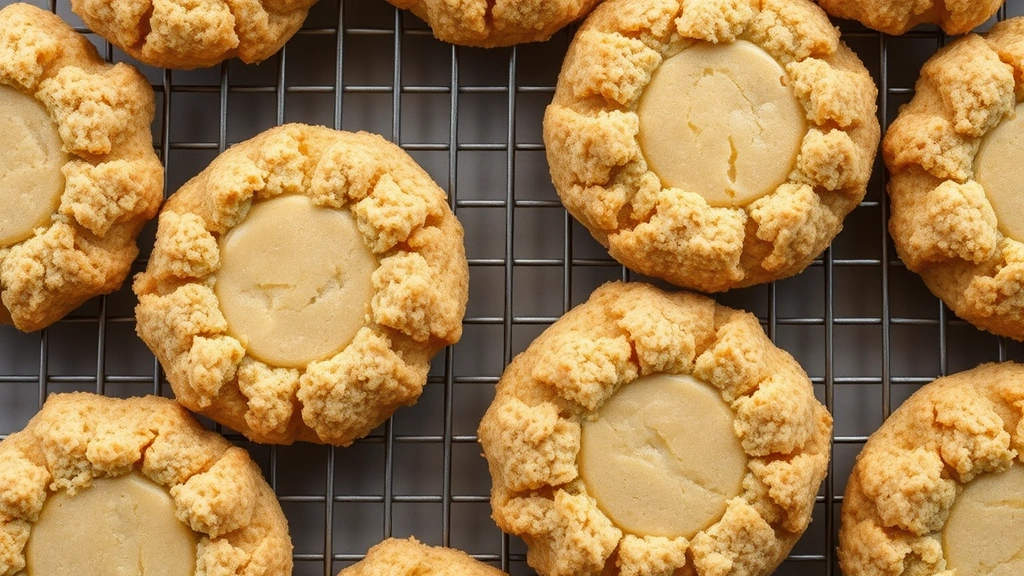
Crumbl Cookies Recipe: Home Baker’s Guide to Viral Treats
Crumbl Cookies has taken the dessert world by storm with their signature soft, buttery cookies that seem to melt on your tongue. The viral sensation that started as a small business has inspired home bakers everywhere to recreate these beloved treats in their own kitchens. Whether you’re craving their classic sugar cookie, chocolate chip, or their rotating weekly flavors, learning how to make Crumbl cookies at home is entirely achievable with the right techniques and ingredients.
The beauty of homemade Crumbl-style cookies lies in their perfect balance of crispy edges and chewy centers. Unlike traditional cookies that aim for uniform texture throughout, these treats require a specific baking approach and ingredient ratio that creates that signature contrast. This guide will walk you through everything you need to know to bake bakery-quality cookies in your own kitchen, from ingredient selection to advanced flavor variations.
What Makes Crumbl Cookies Special
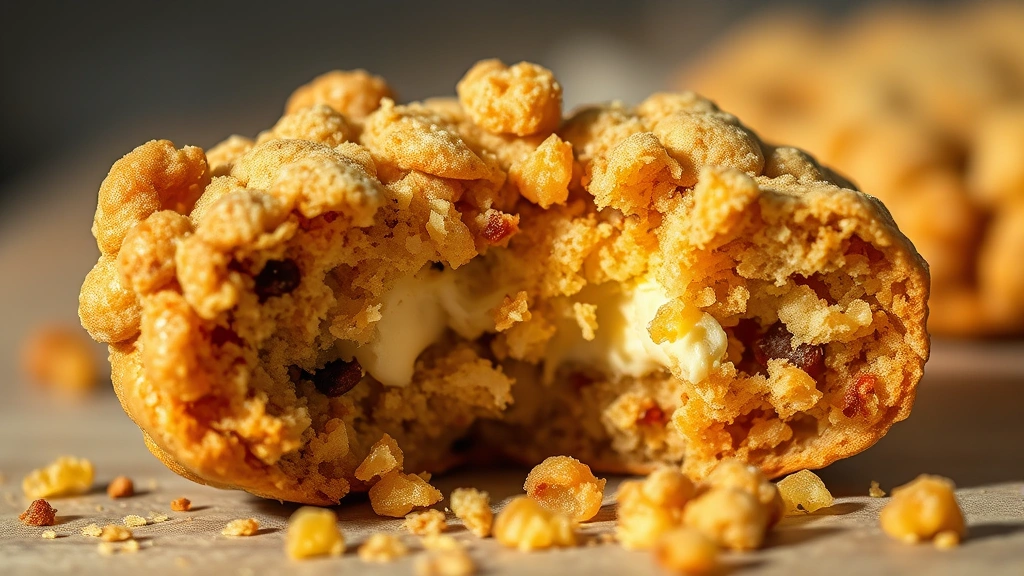
Crumbl Cookies distinguish themselves through several key characteristics that set them apart from standard homemade cookies. The most noticeable feature is their thick, fluffy texture with distinctly crispy edges. This textural contrast comes from a combination of factors: the specific ratio of butter to flour, careful attention to baking temperature, and precise timing that prevents over-baking the centers while achieving golden-brown edges.
The cookies are notably larger than typical homemade varieties, often weighing between 2-3 ounces each. This size requires different baking strategies than smaller cookies, as the interior needs time to set while edges achieve the perfect crispness. The dough itself is slightly less dense than traditional cookie doughs, incorporating air through proper creaming techniques and sometimes even a small amount of baking soda for lift.
Another defining characteristic is the use of high-quality vanilla extract and premium butter, which contribute to the rich, complex flavor that makes these cookies so addictive. Many home bakers overlook the importance of ingredient quality when attempting to recreate commercial recipes, but with Crumbl-style cookies, the ingredients truly matter. You’ll notice the difference when using real vanilla versus imitation, and European-style butter with higher fat content versus standard American butter.
Essential Ingredients and Substitutions
Creating authentic Crumbl cookies at home requires attention to ingredient selection. Here’s what you’ll need for the base recipe:
- Butter: 1 cup (226g) unsalted, softened to room temperature. European or cultured butter works best for richer flavor.
- Granulated sugar: 3/4 cup (150g) for sweetness and structure
- Brown sugar: 1/4 cup (50g) packed, adds moisture and depth
- Egg: 1 large room-temperature egg for binding
- Vanilla extract: 1 1/2 teaspoons pure vanilla extract (not imitation)
- All-purpose flour: 2 1/4 cups (280g) measured by weight for accuracy
- Baking soda: 1/4 teaspoon for lift
- Salt: 1/2 teaspoon fine sea salt
For substitutions, understand that each ingredient serves a specific purpose. If you must substitute butter, use a high-fat alternative like ghee, though the flavor will differ slightly. For the egg, you can use a flax egg (1 tablespoon ground flaxseed mixed with 3 tablespoons water), though the texture will be slightly less tender. Brown sugar can be replaced with molasses-sweetened granulated sugar if needed, but avoid reducing the total sugar content as it affects both flavor and texture.
Vanilla extract is non-negotiable for achieving that signature Crumbl flavor. Real vanilla contains hundreds of flavor compounds that imitation vanilla simply cannot replicate. If you’re concerned about alcohol content, the small amount used in cookies bakes off completely. Invest in quality vanilla extract from reputable sources like King Arthur Baking Company or The Vanilla Bean Organic Company.
Classic Sugar Cookie Base Recipe
The foundation of most Crumbl cookie variations is their classic sugar cookie recipe. This versatile base can be dressed up with frostings, mix-ins, or flavor extracts to create the rotating weekly flavors Crumbl is famous for. The recipe yields approximately 12-14 large cookies, depending on size.
Ingredients:
- 1 cup (226g) unsalted butter, softened
- 3/4 cup (150g) granulated sugar
- 1/4 cup (50g) packed brown sugar
- 1 large egg, room temperature
- 1 1/2 teaspoons pure vanilla extract
- 2 1/4 cups (280g) all-purpose flour
- 1/4 teaspoon baking soda
- 1/2 teaspoon fine sea salt
This base recipe can be easily adapted for various flavors. For chocolate chip cookies, fold in 1 1/2 cups of chocolate chips after the dry ingredients are incorporated. For a brown sugar version, increase brown sugar to 1 cup and reduce granulated sugar to 1/2 cup. The flexibility of this base is what makes it so popular among home bakers attempting to recreate Crumbl’s weekly rotating menu.
Step-by-Step Baking Instructions
Success with Crumbl cookies recipe requires methodical execution. Follow these steps carefully:
Step 1: Prepare Your Ingredients
Remove butter and egg from the refrigerator 30 minutes before starting. Room temperature ingredients blend more smoothly, creating better emulsification and a lighter dough. Measure flour by weight using a kitchen scale rather than the cup-and-spoon method, which can lead to 20% more flour than intended. Preheat your oven to 350°F (175°C).
Step 2: Cream Butter and Sugars
In a large mixing bowl, combine softened butter with both sugars. Using an electric mixer on medium speed, beat for 3-4 minutes until the mixture is light, fluffy, and pale. This creaming process incorporates air into the dough, which is crucial for achieving that signature fluffy texture. You should notice the mixture roughly doubling in volume and becoming noticeably lighter in color.
Step 3: Add Wet Ingredients
Add the room-temperature egg and vanilla extract to the creamed mixture. Beat on medium speed for 1-2 minutes until fully incorporated. The mixture may look slightly separated at first, but continued beating will bring it together into a smooth, homogeneous mixture. Scrape down the sides of the bowl as needed.
Step 4: Combine Dry Ingredients
In a separate bowl, whisk together flour, baking soda, and salt. This combines the leavening agent and salt evenly throughout the flour, preventing pockets of over-salted or over-leavened dough.
Step 5: Mix Wet and Dry
Add the dry ingredients to the wet ingredients in two additions, mixing on low speed. Add half the dry mixture, blend until just combined, then add the remaining flour mixture. Mix until a cohesive dough forms, being careful not to overmix, which can develop gluten and create tougher cookies.
Step 6: Portion the Dough
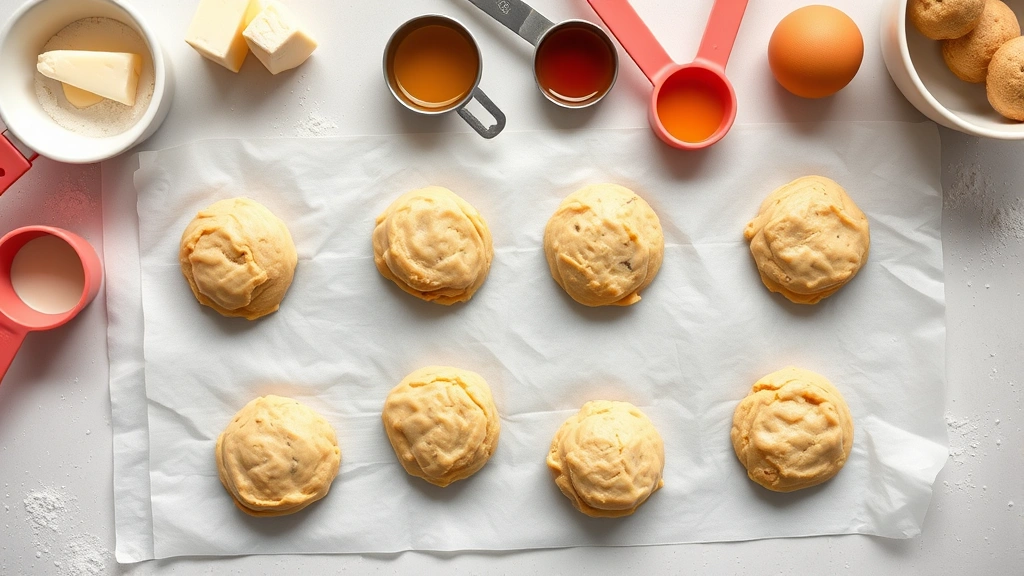
For authentic Crumbl-style cookies, use a 2-tablespoon cookie scoop or portion dough into 50-gram balls. The size is important—these large cookies require different baking times than standard cookies. Place dough balls on parchment-lined baking sheets, spacing them 3 inches apart as they will spread during baking.
Step 7: Chill Before Baking
Refrigerate dough balls for at least 30 minutes, preferably 2 hours. This resting period allows gluten to relax and helps prevent excessive spreading in the oven. Cold dough also bakes more evenly, with edges setting before the center spreads too much.
Temperature and Timing Secrets
The difference between mediocre and exceptional Crumbl-style cookies often comes down to oven temperature precision and baking time. This is where many home bakers struggle, as oven temperatures can vary significantly from their settings.
Invest in an oven thermometer to verify your oven’s actual temperature. Many home ovens run 25-50°F hotter or cooler than indicated. For Crumbl cookies, bake at 350°F (175°C) for 11-13 minutes for that perfect balance of crispy edges and chewy centers. The exact time depends on your oven’s characteristics and the size of your cookies.
Begin checking cookies at the 10-minute mark. The edges should be golden brown and set, while the center should still appear slightly underbaked—it will look almost raw in the very middle. This is intentional. Remove cookies when the edges are firm but the center still jiggles slightly when the baking sheet is gently shaken. The residual heat will continue cooking the centers as they cool.
Allow cookies to cool on the baking sheet for 5 minutes before transferring to a cooling rack. This crucial step prevents them from breaking apart while still warm and allows the structure to set. After 5 minutes, they should be firm enough to move without cracking but still warm and soft inside.
Rotate your baking sheets halfway through baking if your oven has hot spots. Most home ovens have uneven heat distribution, so rotating ensures even browning. If you’re baking multiple sheets, stagger them on different racks, rotating both the sheets and the racks halfway through.
Popular Flavor Variations
Once you master the base recipe, explore the flavor variations that make Crumbl famous. Their rotating weekly menu keeps customers coming back, and you can recreate these at home:
Chocolate Chip Cookies
Fold 1 1/2 cups semi-sweet or dark chocolate chips into the dough after adding dry ingredients. For extra richness, use a combination of milk and dark chocolate. Some bakers add a pinch of espresso powder to enhance chocolate flavor without adding coffee taste.
Brown Butter Cookies
Brown your butter before creaming by melting it in a saucepan over medium heat, stirring occasionally until it turns golden and smells nutty (about 5-7 minutes). Cool completely before using in the recipe. This adds deep, complex flavor that elevates the simple sugar cookie.
Cinnamon Sugar Cookies
Add 1 1/2 teaspoons ground cinnamon to the dry ingredients. After baking, while cookies are still warm, brush with melted butter and roll in cinnamon sugar (1/4 cup sugar mixed with 1 teaspoon cinnamon).
Lemon Cookies
Replace vanilla extract with 1 1/2 teaspoons lemon extract and add the zest of 2 lemons to the creamed butter and sugar mixture. For a glaze, mix powdered sugar with fresh lemon juice and drizzle over cooled cookies.
Cookies and Cream
Crush 8-10 Oreo cookies and fold into the dough along with 1 cup white chocolate chips. The cookies add both flavor and visual interest.
When creating your own variations, remember that additions like chocolate chips or crushed cookies add weight and can slightly increase baking time. Monitor carefully and add 30-60 seconds to baking time if needed.
Storage and Freshness Tips
One reason commercial Crumbl cookies taste so good is their freshness. Replicating this at home requires proper storage techniques.
Short-Term Storage (1-2 days)
Store cooled cookies in an airtight container at room temperature. Include a slice of bread to maintain moisture—the cookies will absorb just enough to stay soft without becoming stale. Replace the bread daily.
Medium-Term Storage (3-7 days)
Keep cookies in the refrigerator in an airtight container with parchment between layers. Cold slows staling significantly. Bring to room temperature 15 minutes before serving for optimal texture.
Long-Term Storage (up to 3 months)
Freeze baked cookies in a freezer-safe airtight container with parchment between layers. Thaw at room temperature for 1-2 hours before serving. Alternatively, freeze the dough balls and bake fresh cookies anytime—simply add 1-2 minutes to the baking time when baking from frozen.
Frosting and Toppings
If adding frosting like Crumbl does, apply it to completely cooled cookies. Buttercream frosting made from butter, powdered sugar, and vanilla extract works beautifully. For a thicker frosting that holds its shape, use cream cheese frosting. Apply generously and add toppings like sprinkles, crushed cookies, or chocolate drizzle while the frosting is still wet.
Troubleshooting Common Issues
Even experienced bakers encounter problems. Here’s how to address common Crumbl cookie issues:
Cookies Spread Too Much
This indicates your butter was too warm or your dough wasn’t chilled sufficiently. Ensure butter is softened but not melting, chill dough for at least 2 hours, and verify your oven temperature with a thermometer. Reduce baking soda slightly if you’ve been adding extra leavening.
Cookies Are Too Cakey
You may have added too much flour. Use a kitchen scale and measure by weight rather than volume. Also verify you’re not overmixing the dough, which develops gluten and creates a cake-like crumb. Mix only until ingredients are just combined.
Edges Burn Before Center Cooks
Your oven likely runs hot. Lower the temperature by 25°F and extend baking time by 1-2 minutes. Use an oven thermometer to confirm actual temperature. Consider moving baking sheets to a lower oven rack where heat is less intense.
Cookies Are Too Hard
You’ve likely overbaked them. Remove cookies when the center still looks slightly underbaked and appears to jiggle. They continue cooking on the hot pan. Also ensure you’re not storing them in an airtight container for more than a day without a moisture-retaining element like bread.
Cookies Don’t Hold Together
Your egg might have been cold when added, or you didn’t cream butter and sugar long enough. Ensure all ingredients are room temperature and cream for the full 3-4 minutes until light and fluffy. If cookies are already baked and crumbly, slightly reduce baking time next batch.
Inconsistent Cookie Sizes
Use a cookie scoop for portion consistency. A 2-tablespoon scoop creates properly-sized Crumbl-style cookies. Measure by weight if possible—aim for 45-50 gram portions for uniformity that ensures even baking.
FAQ
Can I make Crumbl cookies without eggs?
Yes, though the texture will differ slightly. Use a flax egg (1 tablespoon ground flaxseed mixed with 3 tablespoons water), but the cookies will be slightly less tender. Alternatively, try aquafaba (3 tablespoons of liquid from canned chickpeas) for a more neutral flavor that won’t affect the cookie’s taste profile.
Why are my homemade cookies never as good as the store-bought version?
Several factors contribute: ingredient quality (especially butter and vanilla), precise oven temperature, proper chilling time, and not overbaking. Commercial bakeries use calibrated ovens and quality ingredients. Using a kitchen scale for measurements and an oven thermometer for temperature monitoring will dramatically improve results. Also, freshly baked cookies are always superior—bake in smaller batches more frequently.
Can I use salted butter instead of unsalted?
Technically yes, but you’ll need to reduce the salt in the recipe to 1/4 teaspoon to avoid over-salting. It’s better to use unsalted butter so you control the exact salt content. This is similar to how professional bakers approach recipes—precision with salt is important.
How long does the dough need to chill?
Minimum 30 minutes, though 2 hours is ideal. Overnight chilling also works well. Chilled dough spreads less in the oven, allowing the center to cook before edges over-spread, which is crucial for that signature Crumbl texture.
What’s the best way to add frosting to these cookies?
Apply frosting only to completely cooled cookies. Use a spatula or piping bag to spread an even layer. For Crumbl-style presentation, apply a generous amount that slightly overhangs the cookie edge. Add toppings while frosting is still wet so they adhere properly. Popular toppings include rainbow sprinkles, crushed cookies, chocolate chips, or edible glitter.
Can I double this recipe?
Absolutely, and it’s recommended if you want multiple flavors. Doubling is straightforward—simply multiply all ingredients by two. However, when creaming butter and sugar, you may need to work in batches if your mixer bowl is small. Don’t overfill the mixer bowl, as this reduces the mixer’s effectiveness.
Are Crumbl cookies vegan-friendly?
The standard recipe contains butter and eggs, so it’s not vegan. To make vegan versions, substitute butter with vegan butter (1:1 ratio) and use a flax egg or aquafaba. Results will differ slightly but can still be delicious. Some bakers add a tablespoon of plant-based milk to the dough when using plant-based butter for better texture.
Why use both granulated and brown sugar?
Granulated sugar creates structure and crispness at the edges, while brown sugar adds moisture and chewy texture in the center. The combination creates the signature contrast that makes Crumbl cookies special. Using only one type of sugar will alter the final texture significantly.
Can I make mini Crumbl cookies?
Yes, use a 1-tablespoon scoop instead of 2-tablespoon. Reduce baking time to 8-10 minutes. The smaller size means edges set faster, so watch carefully to avoid overbaking. The texture will be slightly different—less pronounced contrast between crispy edges and chewy center—but they’ll still be delicious.
What’s the difference between Crumbl’s cookies and similar viral cookie brands?
Crumbl’s cookies are known for their specific texture: crispy edges with a chewy, almost gooey center. This comes from their precise baking method and the balance of ingredients. Other brands might focus on different textures—some prefer uniformly chewy cookies throughout. The technique in this guide specifically recreates the Crumbl signature style.


