Dog Ice Cream Recipe: Vet-Approved Treats Your Pup Will Love
Making homemade dog ice cream is one of the easiest ways to show your furry friend some extra love while keeping their health and safety in mind. Unlike human ice cream loaded with sugar, chocolate, and artificial ingredients that can harm dogs, a properly formulated dog ice cream recipe uses pet-safe ingredients that are both nutritious and delicious. Whether you’re looking to cool down your pup on a hot summer day or reward them for good behavior, homemade dog ice cream offers complete control over what goes into every frozen treat.
Store-bought dog treats often contain preservatives, excessive sodium, and fillers that aren’t ideal for your pet’s digestive system. By creating your own dog ice cream at home, you can customize recipes to match your dog’s dietary needs, avoid common allergens, and use wholesome ingredients like plain yogurt, peanut butter, and fresh fruits. This guide walks you through everything you need to know about making safe, delicious, and vet-approved dog ice cream that your canine companion will absolutely adore.
Ingredients Safe for Dogs
Before diving into specific dog ice cream recipe formulations, it’s crucial to understand which ingredients are genuinely safe for canine consumption. The foundation of any healthy dog ice cream starts with choosing ingredients that provide nutritional value without triggering digestive upset or health issues. Plain, unsweetened yogurt serves as an excellent base for dog ice cream because it contains probiotics that support digestive health. Look for yogurt with no added sugars or artificial sweeteners—plain Greek yogurt works particularly well since it’s thicker and creamier.
Natural peanut butter is another staple ingredient in dog ice cream recipes. Dogs love the rich, nutty flavor, and peanut butter provides healthy fats and protein. Always choose peanut butter without xylitol, an artificial sweetener that’s toxic to dogs even in small quantities. You can verify safety by checking the ingredient label carefully. Ripe bananas offer natural sweetness and are packed with potassium and vitamin B6. Pumpkin puree (not pumpkin pie filling) is another excellent addition that aids digestion and provides fiber.
Fresh fruits like blueberries, watermelon, and apples (without seeds) make delicious and nutritious additions to dog ice cream. These fruits are rich in antioxidants and vitamins. Coconut oil is safe for dogs in moderation and can add richness to your frozen treats. Plain cooked chicken or beef can be blended into ice cream for a protein boost that many dogs find irresistible. If you’re making savory dog ice cream, consider adding bone broth for extra flavor and collagen content that supports joint health.
Ingredients to Always Avoid
Understanding what not to include in dog ice cream is equally important as knowing what ingredients are beneficial. Chocolate in any form—dark, milk, or white—is toxic to dogs because it contains theobromine, a compound that dogs cannot metabolize efficiently. Even small amounts of chocolate can cause serious health complications including vomiting, diarrhea, rapid heart rate, and in severe cases, seizures or death.
Xylitol is perhaps the most dangerous ingredient lurking in many sugar-free products. This artificial sweetener causes rapid insulin release in dogs, leading to severe hypoglycemia (low blood sugar) within 10-30 minutes of consumption. Symptoms include weakness, vomiting, seizures, and potential liver failure. Always read ingredient labels meticulously, as xylitol appears in many “sugar-free” products marketed to health-conscious consumers.
Grapes and raisins should never be included in dog ice cream, as they contain compounds that can cause kidney failure in dogs. The toxic mechanism isn’t fully understood, but even small quantities pose serious risk. Macadamia nuts are toxic to dogs and can cause weakness, vomiting, tremors, and hyperthermia. Avocado contains persin, a fungicidal toxin that can cause gastrointestinal upset in dogs. Onions, garlic, and chives all contain thiosulfates that damage red blood cells and cause hemolytic anemia.
Alcohol and caffeine should be completely avoided, as dogs are far more sensitive to these substances than humans. High-sodium ingredients and excessive salt can lead to electrolyte imbalances and dehydration. While a small amount of honey is generally safe for adult dogs, it should be avoided for puppies under one year old due to botulism risk. Always consult your veterinarian if you’re uncertain about any ingredient.
Basic Peanut Butter Dog Ice Cream
This classic dog ice cream recipe is simple, requires minimal ingredients, and appeals to most dogs’ taste preferences. The combination of creamy peanut butter and cooling yogurt creates a treat that’s both delicious and nutritious. This recipe yields approximately 8-10 servings depending on portion size.
Ingredients:
- 1 cup plain, unsweetened Greek yogurt
- ½ cup natural peanut butter (xylitol-free)
- 1 ripe banana, mashed
- 2 tablespoons honey (optional, omit for puppies)
- ¼ cup filtered water or low-sodium chicken broth
Instructions:
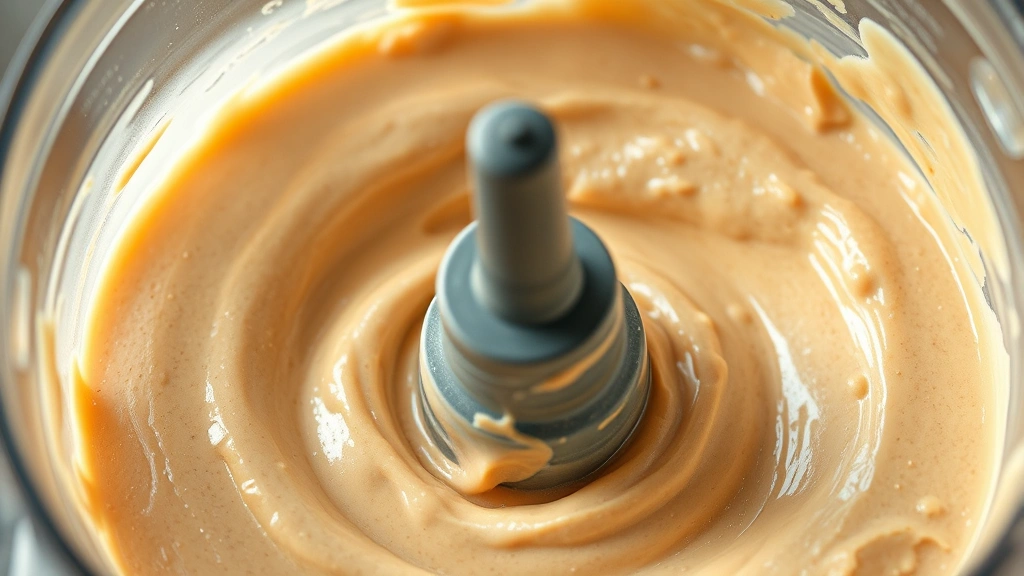
- Combine the Greek yogurt and natural peanut butter in a blender or food processor. Blend until smooth and well combined, breaking down any peanut butter clumps.
- Add the mashed banana to the mixture and blend until the banana is fully incorporated and the mixture has a consistent texture.
- If using honey, add it now and blend thoroughly. The honey adds sweetness that many dogs enjoy, though it’s completely optional.
- Slowly add filtered water or low-sodium chicken broth while blending. Add just enough liquid to reach a soft-serve ice cream consistency—not too thick, not too runny.
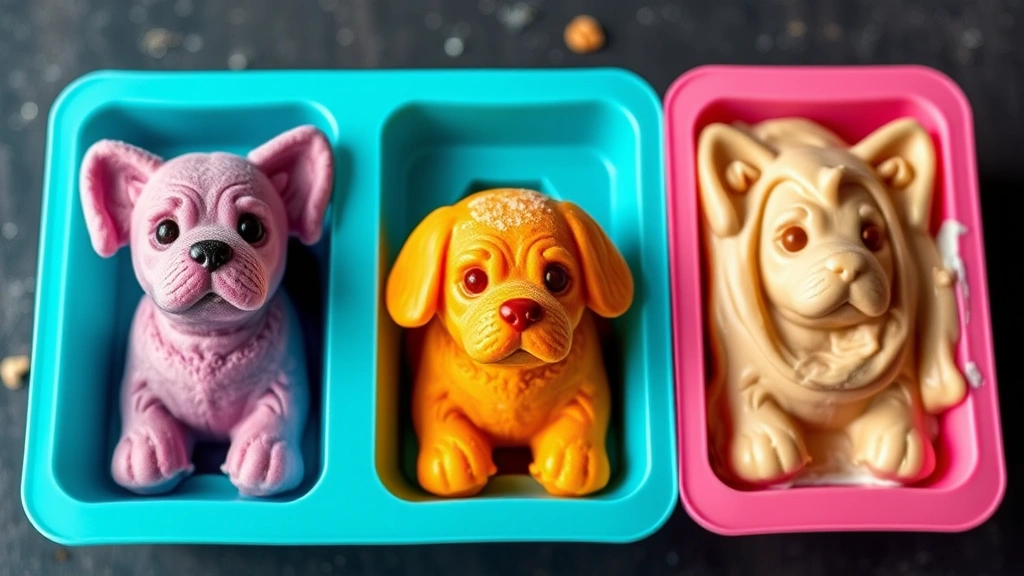
- Pour the mixture into ice cube trays or silicone molds for portion-controlled servings. Alternatively, use a shallow freezer-safe container and score it into squares before freezing.
- Freeze for at least 4-6 hours until completely solid. For ice cube trays, freezing overnight ensures complete solidification.
- Pop frozen treats from molds or cut into appropriate-sized pieces based on your dog’s size. Store in freezer bags for up to 3 months.
This peanut butter version works wonderfully as a training reward or special treat. The protein from peanut butter and yogurt helps keep your dog satisfied, while the banana provides natural sweetness and potassium. If your dog has a sensitive stomach, start with smaller portions to ensure they tolerate the ingredients well.
Yogurt Berry Dog Ice Cream
Berries are nutritional powerhouses packed with antioxidants, vitamins, and fiber. This yogurt berry dog ice cream recipe provides a refreshing alternative to peanut butter-based treats while supporting your dog’s immune system and cognitive function. Blueberries, in particular, are often called “superfoods” for their exceptional antioxidant content.
Ingredients:
- 2 cups plain, unsweetened Greek yogurt
- 1 cup fresh blueberries (or mixed berries)
- ½ ripe banana, mashed
- 1 tablespoon raw honey (optional)
- 3 tablespoons filtered water
Instructions:
- Place fresh blueberries in a food processor or blender and pulse several times until partially broken down. You want some texture remaining rather than a completely smooth puree.
- Add the Greek yogurt to the blueberries and blend until well combined. The mixture should have a beautiful purple color and berry texture throughout.
- Add the mashed banana and blend gently to incorporate without over-processing.
- If using honey, add it now and blend for a few seconds until evenly distributed.
- Slowly add filtered water while blending until you achieve a soft-serve consistency. Be conservative with water addition to avoid making the mixture too thin.
- Divide the mixture into ice cube trays or silicone molds. Small molds are ideal for controlling portion sizes and making it easy to serve individual treats.
- Freeze for 6-8 hours or until completely solid. Transfer frozen cubes to freezer bags for convenient storage.
Blueberries contain anthocyanins and resveratrol, compounds that support brain health and may help prevent cognitive decline in aging dogs. This recipe is particularly beneficial for senior dogs or those prone to inflammatory conditions. Watermelon can be substituted for blueberries in warmer months for a more hydrating treat, though you must remove all seeds first.
Banana Pumpkin Dog Ice Cream
Pumpkin is renowned among dog owners for its digestive benefits and appears frequently in veterinary-recommended treats. This banana pumpkin dog ice cream recipe combines the gut-healing properties of pumpkin with the potassium-rich goodness of bananas, creating a treat that’s both delicious and therapeutically beneficial for digestive health.
Ingredients:
- 1 cup plain, unsweetened Greek yogurt
- ¾ cup pure pumpkin puree (not pumpkin pie filling)
- 1 ripe banana, mashed
- 2 tablespoons natural peanut butter
- ¼ teaspoon cinnamon (optional but beneficial)
- 2-3 tablespoons filtered water
Instructions:
- Ensure you’re using pure pumpkin puree and not pumpkin pie filling, which contains added sugars and spices inappropriate for dogs. Check the label to confirm “100% pumpkin” is the only ingredient.
- Combine Greek yogurt and pumpkin puree in a blender or food processor. Blend until completely smooth and uniform in color.
- Add the mashed banana and natural peanut butter. Blend thoroughly until all ingredients are fully incorporated with no visible peanut butter streaks.
- If using cinnamon, add it now. Cinnamon is safe for dogs and provides anti-inflammatory benefits. Blend for a few seconds to distribute evenly.
- Add filtered water gradually while blending until the mixture reaches a soft-serve consistency that’s easy to portion but holds its shape.
- Pour into ice cube trays, silicone molds, or a shallow freezer-safe container. Using molds makes portion control straightforward and defrosting quicker.
- Freeze for at least 6 hours until completely solid. Store in freezer bags with a label indicating the date frozen.
Pumpkin contains soluble fiber that helps regulate digestive transit time, making this recipe excellent for dogs experiencing either constipation or loose stools. The probiotics in yogurt work synergistically with pumpkin’s fiber to optimize gut health. Many veterinarians recommend pumpkin as a natural remedy for digestive issues, making this recipe particularly valuable for dogs with sensitive stomachs or those recovering from gastrointestinal upset.
Storage and Serving Tips
Proper storage ensures your homemade dog ice cream maintains quality and safety throughout its shelf life. Frozen dog ice cream treats can be stored in your freezer for up to 3 months when kept in airtight containers or freezer bags. Label containers with the date frozen so you can track freshness. Remove as much air as possible from storage bags to prevent freezer burn, which affects texture and taste.
When serving frozen dog ice cream, consider your dog’s size and chewing habits. Small dogs may do better with smaller portions or softer treats that don’t require aggressive chewing. Large dogs can handle standard ice cube-sized portions or slightly larger treats. Always supervise your dog while eating frozen treats to ensure they’re not trying to swallow large chunks that could pose a choking hazard.
On extremely hot days, you might consider making a softer version by reducing freezing time or serving treats at a slightly warmer temperature. Some dogs prefer licking softer ice cream to crunching frozen cubes. If your dog has dental issues or is elderly, softer servings may be more comfortable. You can also serve frozen treats directly from the blender at a soft-serve consistency without freezing solid.
Consider pairing your homemade dog ice cream with other nutritious treats. You might create a complete frozen meal by layering dog ice cream with plain cooked shredded chicken recipes ingredients or incorporating elements similar to thin cut pork chop recipes by using finely shredded cooked pork as a mix-in. For special occasions, you could prepare a larger batch and serve it in a dog-safe bowl for a special treat experience.
Health Benefits and Nutritional Considerations
Homemade dog ice cream offers numerous health advantages compared to commercial dog treats or human ice cream. The controlled ingredients mean you’re avoiding artificial preservatives, excessive sodium, and chemical additives that can accumulate in your dog’s system over time. Greek yogurt provides high-quality protein essential for muscle maintenance and immune function, plus probiotics that support beneficial gut bacteria.
Natural peanut butter delivers healthy fats crucial for skin and coat health, while also providing vitamin E and magnesium. Bananas offer potassium, which supports heart health and muscle function. Pumpkin provides beta-carotene and fiber for optimal digestive health. Blueberries contain anthocyanins and other polyphenols with powerful antioxidant and anti-inflammatory properties that may help protect against age-related cognitive decline.
However, moderation is essential even with healthy homemade treats. Dog ice cream should constitute no more than 10% of your dog’s daily caloric intake to avoid nutritional imbalances. For a typical 50-pound dog consuming approximately 1,300 calories daily, this means limiting dog ice cream to roughly 130 calories per day. Consult your veterinarian about appropriate portion sizes for your specific dog based on their age, activity level, and health status.
Dogs with specific health conditions may benefit from customized ice cream recipes. Dogs with diabetes should avoid recipes with honey or high-glycemic fruits, instead focusing on low-sugar options with protein emphasis. Dogs with pancreatitis should avoid high-fat ingredients like peanut butter and coconut oil. Dogs with food allergies can have ice cream recipes customized using their safe proteins and produce. Always discuss dietary changes with your veterinarian, especially if your dog has existing health conditions or takes medications affected by dietary changes.
For additional insights into pet nutrition and food safety, consult resources like the Association of American Feed Control Officials or speak with a veterinary nutritionist. Many veterinary schools now offer nutritional counseling services, and your veterinarian can refer you to specialists if your dog has complex dietary needs. Understanding your dog’s individual nutritional requirements ensures that homemade treats support rather than compromise their health.
FAQ
Can I use regular yogurt instead of Greek yogurt for dog ice cream?
Regular yogurt can be used, but Greek yogurt is preferable because it’s thicker, creamier, and contains higher protein content. If using regular yogurt, you may need to reduce the water content or add a thickener like unsweetened applesauce to achieve proper consistency. Always ensure any yogurt is plain with no added sugars or artificial sweeteners.
How do I know if my dog has a sensitivity to dog ice cream ingredients?
Introduce dog ice cream slowly, starting with a small taste (about a teaspoon). Wait 24 hours and observe for any signs of digestive upset including vomiting, diarrhea, constipation, or excessive gas. If your dog tolerates the initial taste well, gradually increase portion sizes over several servings. If any adverse reactions occur, discontinue immediately and consult your veterinarian.
Can I add supplements to dog ice cream recipes?
Many beneficial supplements can be added to dog ice cream, including fish oil for omega-3 fatty acids, glucosamine for joint health, or probiotics for digestive support. However, always consult your veterinarian before adding supplements to ensure they’re appropriate for your dog’s specific health needs and won’t interact with any medications your dog takes.
Is it safe to use honey in dog ice cream?
Honey is generally safe for adult dogs in small quantities and provides natural sweetness and antimicrobial properties. However, honey should never be given to puppies under one year old due to botulism risk. For adult dogs, use raw honey in moderation—about one tablespoon per batch is appropriate. Avoid processed honey, which may contain additives.
Can I make dog ice cream without a freezer?
If you don’t have freezer space, you can serve the ice cream mixture at a soft-serve consistency immediately after blending. Some dogs actually prefer this texture to frozen treats. You can also refrigerate the mixture for a few hours to create a chilled pudding-like treat. For true ice cream texture, freezer access is necessary.
How often can I give my dog homemade ice cream?
Homemade dog ice cream can be offered several times weekly as part of a balanced diet, as long as portions are appropriate for your dog’s size and caloric needs. Treat ice cream as a supplement to regular meals rather than a primary food source. Monitor your dog’s weight and adjust treat frequency if you notice weight gain.
What’s the best way to defrost frozen dog ice cream?
Simply remove treats from the freezer and allow them to soften slightly at room temperature for 5-10 minutes before serving. This makes them easier for dogs to eat and digest. Never use a microwave to defrost, as this can create uneven heating and potentially burn your dog’s mouth. For older dogs or those with dental issues, you can defrost treats completely for a pudding-like consistency.
Can I use coconut milk in dog ice cream?
Full-fat coconut milk is safe for dogs in moderation and can create a creamy texture in dog ice cream recipes. However, coconut milk is high in fat, so use sparingly—about 2-3 tablespoons per batch. Avoid coconut milk with added guar gum or other additives. Always introduce coconut products slowly as they can cause digestive upset in sensitive dogs.
Are there commercial dog ice creams I should avoid?
Many commercial “dog ice creams” still contain xylitol, excessive sugar, or artificial ingredients harmful to dogs. Always read ingredient labels carefully. Look for products from reputable pet food manufacturers and consult your veterinarian about specific brands. Homemade versions give you complete control over ingredients, making them generally safer than commercial options.
Can I make dog ice cream with bone broth instead of water?
Yes, bone broth makes an excellent addition to dog ice cream recipes, adding collagen, gelatin, and flavor. Use low-sodium bone broth or make your own by simmering bones without salt or seasonings. Bone broth adds nutritional value and many dogs find the savory flavor irresistible. Substitute up to half the water content with bone broth for maximum benefit.


