Quick Asian Dishes? Home Cook Approved
Asian cuisine doesn’t require hours in the kitchen or a culinary degree to execute beautifully. Whether you’re craving vibrant stir-fries, aromatic noodle dishes, or savory rice bowls, the secret to quick Asian cooking lies in understanding a few fundamental techniques and keeping your pantry stocked with essential ingredients. This guide breaks down the best easy Asian recipes that deliver authentic flavors in 30 minutes or less, making weeknight dinners feel like restaurant-quality meals.
The beauty of Asian cooking is its efficiency. Most dishes rely on high heat, quick cooking times, and bold flavor combinations rather than lengthy preparation. By mastering just a handful of recipes and techniques, you’ll have the confidence to improvise and create countless variations. From Thai-inspired curries to Japanese stir-fries, these home cook-approved dishes prove that delicious Asian food is entirely achievable in your own kitchen.
Essential Pantry Staples for Asian Cooking
Before diving into recipes, stock your pantry with foundational ingredients that will transform your cooking instantly. These items are non-negotiable for authentic and quick Asian dishes. Soy sauce is the backbone of countless Asian recipes, providing umami depth and saltiness. Opt for low-sodium varieties if you prefer controlling salt levels in your dishes.
Sesame oil is a flavor powerhouse—just a teaspoon adds incredible complexity. Store it in a cool place since it oxidizes easily. Rice vinegar brings brightness and balance to dishes, cutting through richness without the harshness of distilled vinegar. Fish sauce might smell pungent in the bottle, but it’s essential for Thai and Vietnamese cooking, adding savory depth that’s impossible to replicate.
Stock these additional items: oyster sauce, hoisin sauce, ginger, garlic, white pepper, chili paste, and coconut milk. Dried chilies and fresh chilies provide heat and flavor. Keep jasmine rice or short-grain rice on hand for quick meals. Fresh ingredients like ginger and garlic should be purchased regularly, as they’re used in nearly every Asian dish.
Dried noodles—ramen, rice noodles, and egg noodles—are pantry essentials. Green onions, cilantro, and lime are finishing touches that elevate simple dishes into restaurant-quality meals. Serious Eats provides excellent guides on sourcing authentic Asian ingredients and understanding their uses.
Simple Stir-Fry Fundamentals
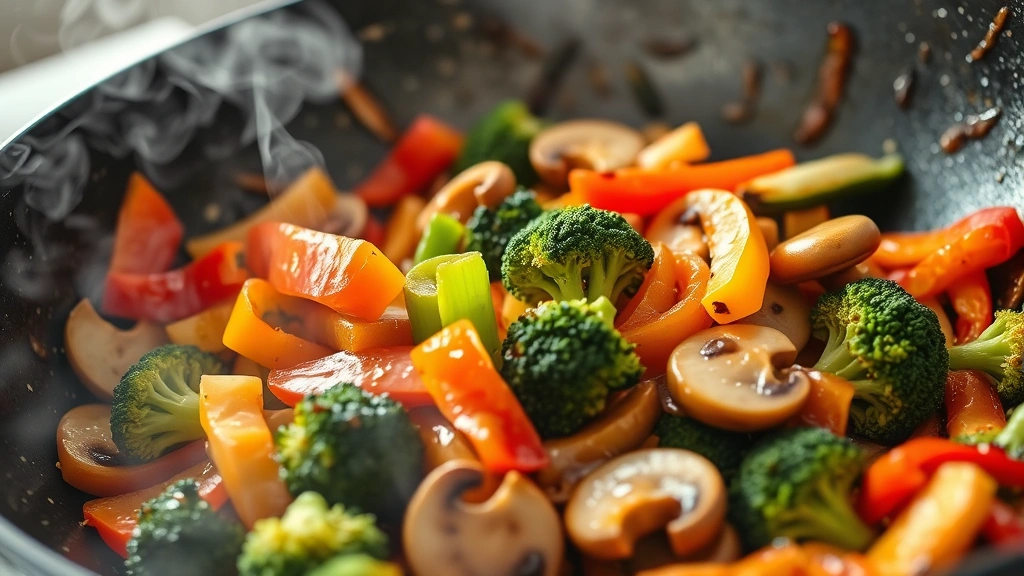
Mastering stir-fry is your gateway to countless easy Asian recipes. The technique is straightforward: high heat, quick cooking, and proper ingredient preparation. The key to success is mise en place—having everything prepped and ready before you start cooking. Stir-frying happens fast, and scrambling for ingredients mid-cook results in burned oil and uneven cooking.
Heat your wok or large skillet until it’s smoking. This is crucial—adequate heat creates the wok hei (breath of the wok) effect that gives stir-fries their characteristic flavor. Add oil with a high smoke point like vegetable or peanut oil. Avoid olive oil, which burns easily. Add aromatics first: minced garlic and ginger cook in seconds, so remove them before adding protein.
Cook protein (chicken, beef, shrimp, or tofu) separately if using meat, as it needs different cooking times than vegetables. Remove it temporarily, then cook vegetables in batches by texture—harder vegetables like broccoli first, delicate items like leafy greens last. Return protein to the pan, add sauce, and toss everything together for 30 seconds. The entire process should take 10-15 minutes from start to finish.
A classic chicken and broccoli stir-fry combines 1 pound sliced chicken breast, 4 cups broccoli florets, 3 cloves minced garlic, 1 tablespoon minced ginger, ¼ cup soy sauce, 2 tablespoons oyster sauce, 1 tablespoon sesame oil, and 1 teaspoon cornstarch mixed with 2 tablespoons water. Cook chicken first, set aside, stir-fry broccoli until tender-crisp, add aromatics, return chicken, pour sauce over, and toss for 30 seconds. Serve over rice in under 20 minutes.
Experiment with different proteins and vegetables once you understand the method. Try beef and snap peas, shrimp and bok choy, or tofu and mushrooms. The technique remains identical. For even faster cooking, consider using Ninja Air Fryer recipes for pre-cooked proteins or vegetables that need minimal preparation.
Quick Noodle Dishes
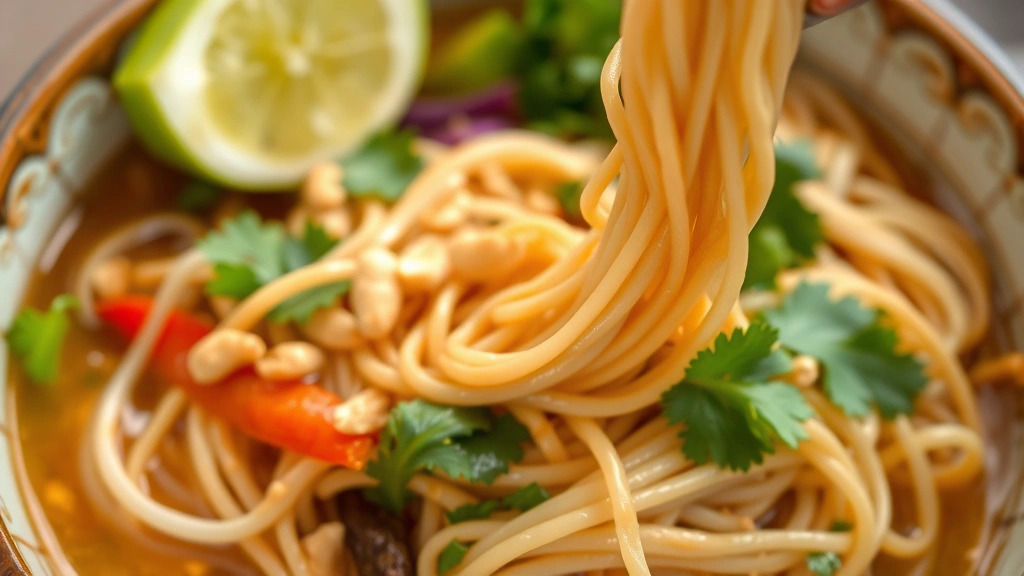
Noodle dishes are the ultimate quick Asian meal. From pad thai to ramen to lo mein, these dishes come together in 15-20 minutes and satisfy cravings instantly. Pad Thai is arguably the most popular Thai noodle dish for home cooks. It balances sweet, sour, salty, and spicy flavors in perfect harmony.
For two servings, soak 8 ounces rice noodles in warm water for 10 minutes while you prep other ingredients. Heat 2 tablespoons oil in a wok, add 2 minced garlic cloves, cook 10 seconds, then add 8 ounces protein (shrimp, chicken, or tofu). Cook until done, push to the side. Add 2 beaten eggs, scramble them, then add drained noodles. Pour in 3 tablespoons fish sauce, 2 tablespoons lime juice, 2 tablespoons brown sugar, and 1 teaspoon chili paste. Toss constantly for 2-3 minutes. Top with crushed peanuts, fresh cilantro, lime wedge, and green onions.
Singapore mei fun is another quick noodle option. This curry-flavored rice noodle dish comes together in 10 minutes. Cook the thin rice noodles according to package directions, drain, and set aside. Stir-fry aromatics and protein, add 2 tablespoons curry powder, cook 30 seconds, then add noodles with 3 tablespoons soy sauce, 1 tablespoon sesame oil, and 1 cup mixed vegetables (peas, carrots, green onions). Toss for 2-3 minutes and serve.
Cold sesame noodles are perfect for warm weather. Cook 8 ounces noodles (ramen or egg noodles work well), rinse with cold water, and drain. Mix 3 tablespoons sesame oil, 2 tablespoons soy sauce, 1 tablespoon rice vinegar, 1 minced garlic clove, 1 teaspoon minced ginger, and 1 teaspoon chili oil. Toss noodles with dressing, top with shredded cucumber, carrots, green onions, and cilantro. Can be served immediately or chilled for later.
These noodle dishes showcase how easy Asian recipes don’t require special equipment or rare ingredients. Most home cooks have everything needed already. For inspiration on technique and flavor combinations, Woks of Life offers authentic recipes from home cooks with Asian backgrounds.

Easy Rice Bowl Recipes
Rice bowls are the epitome of simplicity and versatility. Build a base of cooked rice, add protein, vegetables, and sauce, and you have a complete meal. Teriyaki chicken bowl is a weeknight favorite. Cook 1 pound sliced chicken in a skillet over medium-high heat until cooked through. Mix ¼ cup soy sauce, 2 tablespoons mirin or brown sugar, 1 tablespoon rice vinegar, 1 minced garlic clove, and 1 teaspoon minced ginger. Pour sauce over chicken, simmer for 2 minutes until thickened. Serve over rice with steamed broccoli, carrots, and a sprinkle of sesame seeds.
Salmon teriyaki bowl is equally simple and more elegant. Use the same sauce but cook salmon fillets skin-side down in a skillet for 4-5 minutes per side. The sauce creates a glaze that caramelizes beautifully on the salmon. This recipe appears in our Asian salmon recipe guide for additional variations and cooking techniques.
Beef and broccoli bowl combines sliced beef, steamed broccoli, and a savory sauce. Cook thin beef slices in a hot skillet, set aside, stir-fry broccoli, return beef, and add a sauce made from ¼ cup beef broth, 3 tablespoons soy sauce, 1 tablespoon oyster sauce, 1 teaspoon sesame oil, and 1 teaspoon cornstarch. Simmer until thickened, pour over rice.
Vegetarian bibimbap (Korean rice bowl) is colorful and nutritious. Arrange cooked rice in a bowl, top with sautéed spinach, shredded carrots, sliced cucumber, mushrooms, and a fried egg. Drizzle with gochujang (Korean red chili paste) mixed with sesame oil and soy sauce. The beauty of bibimbap is customization—use whatever vegetables you have available.
Rice bowls are perfect for meal prep. Cook rice and proteins ahead, store vegetables separately, and assemble bowls at mealtime. This approach makes weeknight dinners incredibly efficient while maintaining restaurant-quality results.
Sauce and Seasoning Shortcuts
Many home cooks struggle with Asian cooking because they don’t understand sauce ratios. Most Asian sauces follow predictable formulas: salty (soy sauce or fish sauce), sweet (sugar or honey), sour (vinegar or lime), and spicy (chili paste or fresh chilies). Learning these ratios transforms your cooking.
The basic stir-fry sauce ratio is 3:2:1 (soy sauce to liquid to thickener). For example: ¼ cup soy sauce, 3 tablespoons water or broth, 1 tablespoon cornstarch. This creates a glossy sauce that coats ingredients without making dishes soggy. Adjust the liquid ratio based on desired thickness—less liquid for concentrated flavor, more for a lighter sauce.
Thai curry sauce combines 1-2 tablespoons curry paste, 1 can coconut milk, 1 tablespoon fish sauce, and 1 teaspoon brown sugar. Cook the curry paste in oil for 30 seconds to bloom the spices, add coconut milk, bring to a simmer, add fish sauce and sugar, then add vegetables or protein. This single sauce works for countless variations.
Vietnamese dipping sauce (nuoc cham) is incredibly versatile. Combine 3 tablespoons fish sauce, 2 tablespoons lime juice, 1 tablespoon sugar, 1 minced garlic clove, and 1 minced red chili. This sauce pairs with spring rolls, grilled meats, and vegetables. The bright, punchy flavors elevate simple ingredients instantly.
Peanut sauce works for satay, spring rolls, and noodles. Mix ½ cup peanut butter, 3 tablespoons soy sauce, 2 tablespoons lime juice, 1 tablespoon brown sugar, 1 minced garlic clove, 1 teaspoon minced ginger, and water to reach desired consistency. Adjust sweetness and saltiness to your preference.
Once you master these sauce formulas, you can create countless easy Asian recipes without consulting recipes. The foundation remains consistent; only ingredients change. The Kitchn provides excellent sauce tutorials and flavor-balancing guides.
Using Modern Kitchen Tools
Modern kitchen equipment can accelerate Asian cooking significantly. A wok is ideal but not essential—a large skillet works well. Cast iron skillets, covered in our how to cook with cast iron guide, retain heat beautifully for stir-frying. Preheat cast iron thoroughly before cooking to achieve proper browning and heat distribution.
Food processors save enormous prep time. Mince garlic and ginger in bulk, slice vegetables quickly, and process pastes for curries. A sharp chef’s knife is invaluable—dull knives make cutting vegetables tedious and dangerous. Invest in a quality knife and maintain it properly.
Rice cookers are game-changers for home cooks. Set rice cooking while you prepare other components, and perfectly cooked rice is ready when needed. Many modern rice cookers have settings for different rice types, ensuring consistent results.
Instant Pot or pressure cooker dramatically reduces cooking times for dishes requiring longer simmering. Cook rice in 3 minutes, braise tough cuts of meat for quick Asian braises, or make bone broth for authentic soups. For air fryer enthusiasts, our Ninja Air Fryer recipes section includes Asian-inspired options like crispy tofu and chicken wings.
A mortar and pestle allows you to grind whole spices and create curry pastes from scratch. While not strictly necessary, freshly ground spices provide superior flavor compared to pre-ground options. This tool elevates your cooking when you’re ready to explore deeper into Asian cuisine.
Mise en place containers and a reliable kitchen scale improve efficiency and consistency. Weighing ingredients ensures recipes turn out the same way repeatedly, particularly important when learning new techniques.
FAQ
How can I make Asian dishes less spicy?
Reduce or omit fresh chilies, chili paste, and chili oil. Add more sweetness (sugar or honey) and dairy (coconut milk or yogurt) to balance heat. Start with smaller amounts of spicy ingredients and adjust upward—you can’t remove spice once added. Serve with cooling sides like cucumber or yogurt.
Can I substitute ingredients in Asian recipes?
Yes, within reason. Fish sauce can be replaced with soy sauce or anchovy paste (though flavor differs). Coconut milk can be substituted with heavy cream for Thai curries. Fresh ginger can use powdered ginger at ¼ the amount. However, some substitutions significantly alter the final dish, so experiment cautiously.
What’s the difference between soy sauce types?
Light soy sauce is saltier and thinner, used for seasoning. Dark soy sauce is thicker, slightly sweeter, and used for color and flavor. Tamari is gluten-free soy sauce. Coconut aminos is soy-free. For most recipes, regular soy sauce works fine. Purchase quality brands—they taste noticeably better than budget options.
How do I achieve wok hei in a home kitchen?
Wok hei (the breath of the wok) requires high heat and proper ventilation. Ensure your stove burner is at maximum heat, your wok or skillet is preheated until smoking, and your exhaust fan is running. Work quickly, keep ingredients moving, and don’t overcrowd the pan. Home kitchens rarely achieve the exact flavor of restaurant wok hei, but proper technique gets surprisingly close.
What are the best proteins for quick Asian dishes?
Thinly sliced chicken breast, shrimp, and flank steak cook in minutes. Ground meat (chicken, pork, beef) is quick and versatile. Tofu requires less cooking time than meat and absorbs flavors beautifully. Eggs are incredibly fast-cooking. Avoid thick cuts requiring long cooking times—slice them thinly to accelerate cooking.
Can I meal prep Asian dishes?
Components can be prepped ahead: cook rice, marinate proteins, chop vegetables, and prepare sauces. However, assemble stir-fries fresh since they lose texture when stored. Noodle dishes and rice bowls keep better. Store sauces and proteins separately, assemble at mealtime for best results. Most components keep 3-4 days refrigerated.
What’s the fastest Asian dish to make?
Cold sesame noodles, simple stir-fries, and rice bowls take 10-15 minutes. Pad Thai and quick curries take 15-20 minutes. If you have pre-cooked rice and proteins available, assembly takes 5 minutes. The key to speed is preparation and understanding technique—experienced cooks work faster because they don’t hesitate during cooking.


