Easy Sourdough Discard Ideas: Tried & True Recipes
If you maintain a sourdough starter, you know that feeding it regularly means discarding a portion of the culture to keep it healthy and manageable. Rather than tossing those precious discards into the compost, savvy bakers have discovered dozens of creative ways to use them in delicious recipes. Sourdough discard—that slightly tangy, bubbly mixture of flour and starter—is perfect for quick breads, pancakes, waffles, crackers, and even savory applications that add authentic flavor complexity to everyday dishes.
The beauty of sourdough discard recipes is their simplicity and versatility. You don’t need to plan ahead or maintain a strict feeding schedule to use your discards; most recipes accept discard at any stage of fermentation. Whether your starter is freshly fed and bubbly or a few days old and mellow, these tried-and-true ideas transform what might otherwise be waste into restaurant-quality results. Let’s explore the best ways to make the most of every bit of your sourdough culture.
Understanding Sourdough Discard
Sourdough discard is the portion of starter you remove before feeding. When maintaining a healthy starter, you typically discard 50% of the mixture, then feed with fresh flour and water. This process prevents your starter from becoming unwieldy while keeping the culture active and strong. The discard itself contains millions of active yeast and bacterial cells, making it an incredibly potent leavening agent for baking projects.
The flavor profile of sourdough discard varies depending on the age and feeding schedule of your starter. A freshly fed discard tastes milder and more neutral, while older discard develops deeper, more pronounced sour notes. This characteristic tang comes from lactic and acetic acids produced by the naturally occurring bacteria, primarily Lactobacillus species. Understanding this chemistry helps you choose appropriate recipes—delicate pancakes might benefit from fresher discard, while robust crackers and savory items shine with more mature, tangy versions.
Most sourdough discard recipes are forgiving about timing. Unlike traditional sourdough bread baking, which requires precise fermentation windows, discard recipes typically work with discard in any condition. This flexibility makes them ideal for busy bakers who want to maintain their starter without fussy scheduling. A simple rule: if your discard smells pleasantly sour and shows signs of fermentation (bubbles, risen surface), it’s ready to use.
Sourdough Pancakes & Waffles
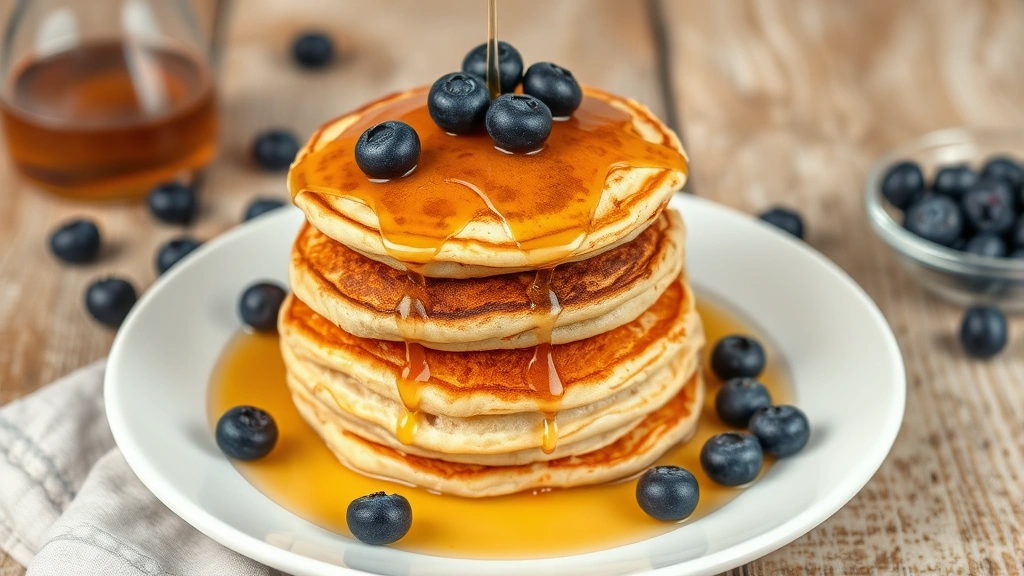
Sourdough pancakes represent one of the easiest and most satisfying ways to use discard. The natural leavening power creates fluffy, tender pancakes with subtle tang that pairs beautifully with maple syrup, fresh berries, or savory toppings. The recipe is straightforward: combine one cup of sourdough discard with one cup of flour, one tablespoon of sugar, one teaspoon of baking powder, half a teaspoon of baking soda, half a teaspoon of salt, one egg, and one cup of milk.
Mix the dry ingredients together, then whisk the wet ingredients separately before combining. The batter will be slightly thicker than traditional pancake batter due to the discard’s moisture content. Cook on a griddle or skillet over medium-high heat until bubbles form on the surface, then flip and cook until golden brown. The result is pancakes with exceptional texture—crispy exterior, fluffy interior, and complex flavor that regular pancakes simply cannot match.
Sourdough waffles follow the same basic formula with a few adjustments. Add two tablespoons of melted butter to the wet ingredients for extra richness and crispiness. Waffle batter should be slightly thinner than pancake batter, so you may need to add a splash more milk. The extended cooking time in a waffle iron creates incredibly crispy exteriors while the interior remains tender and moist. These waffles freeze beautifully—toast them straight from the freezer for quick breakfasts throughout the week.
For both pancakes and waffles, experiment with add-ins to customize your breakfast. Chocolate chips, blueberries, chopped nuts, or shredded coconut all work wonderfully. You can also try incorporating a chicken seasoning recipe into savory sourdough pancakes, serving them alongside scrambled eggs or bacon for a breakfast with depth and intrigue.
Quick Breads & Muffins
Sourdough discard quick breads are dense, moist, and deeply flavorful. Banana bread, zucchini bread, and pumpkin bread all benefit tremendously from the addition of sourdough discard. These recipes typically call for one cup of discard, which replaces some of the liquid and adds natural leavening power. You’ll often reduce the baking powder or baking soda slightly since the starter provides additional lift.
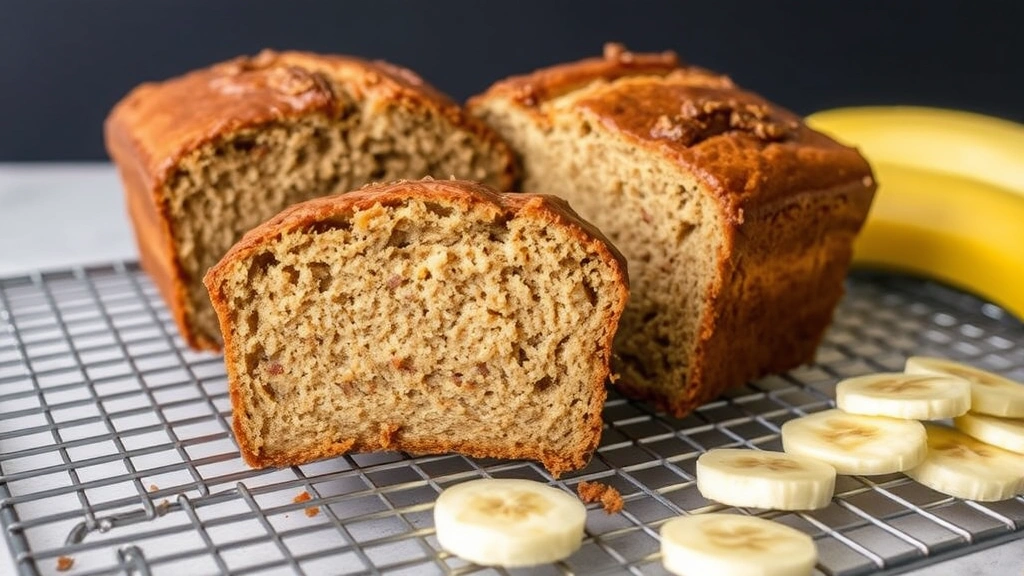
A classic sourdough banana bread recipe combines one cup of discard, one and a quarter cups of mashed banana, one-third cup of melted butter, one cup of sugar, one egg, and one teaspoon of vanilla extract. Mix these wet ingredients thoroughly, then combine with one and a half cups of flour, one teaspoon of baking soda, half a teaspoon of salt, and optional cinnamon or nutmeg. The result is bread with tender crumb, subtle sour notes that complement the banana, and superior moisture retention.
Sourdough muffins follow similar principles and offer portion-controlled convenience. The same banana bread batter works beautifully in muffin tins; simply divide the batter evenly and bake at 375°F for 18-22 minutes. Blueberry muffins, chocolate chip muffins, and even savory cheese-herb muffins all shine with sourdough discard. The natural fermentation creates a more complex flavor profile than conventional muffins, and the crumb structure remains tender even after a few days of storage.
Consider creating a recipe binder to organize your favorite sourdough discard variations. Document which discard ages work best with specific recipes, note any flavor adjustments you prefer, and track baking times in your particular oven. This personalized reference becomes invaluable as you develop your sourdough discard expertise.
Savory Sourdough Creations
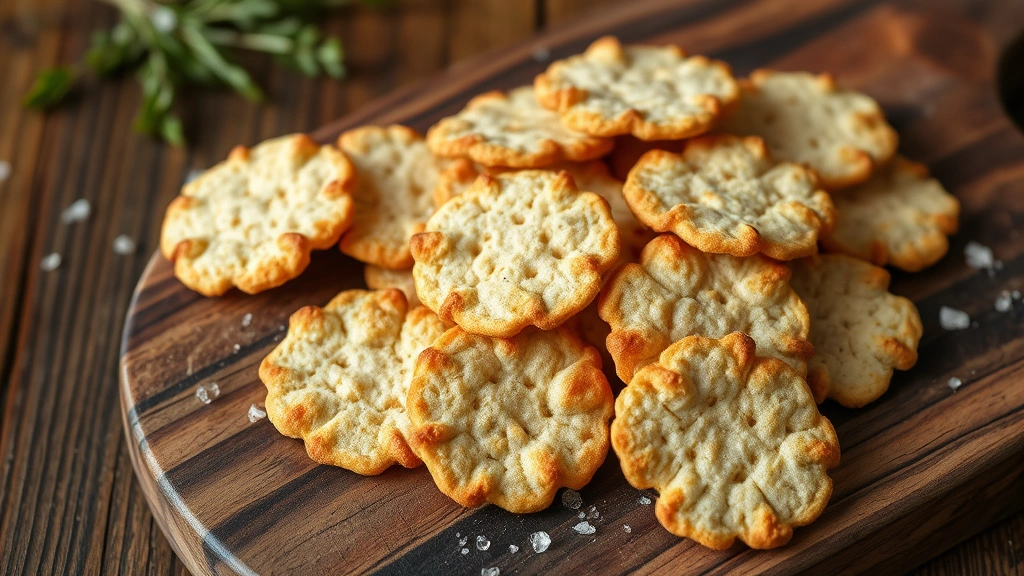
Beyond sweet applications, sourdough discard creates exceptional savory dishes. Sourdough crackers are crispy, flavorful, and addictively good. Mix one cup of discard with one cup of flour, one teaspoon of salt, one-quarter teaspoon of baking soda, and two tablespoons of olive oil. Knead until you have a stiff dough, then roll extremely thin between parchment paper. Cut into crackers, brush with olive oil and additional salt, then bake at 375°F for 12-15 minutes until golden and crispy.
Sourdough biscuits provide another savory avenue. The tangy flavor adds complexity to buttery, flaky biscuits perfect for breakfast or alongside soups and stews. Traditional biscuit recipes can be adapted by replacing half the liquid with sourdough discard, adjusting flour as needed to achieve the proper dough consistency. The fermentation in the discard enhances digestibility and develops subtle flavor notes that make these biscuits memorable.
Sourdough pizza dough represents a more advanced application, though still entirely manageable for home bakers. Use one cup of discard as part of your liquid, then follow your preferred pizza dough recipe. The discard adds natural rise, complex flavor, and improved texture. Allow the dough to ferment for several hours or overnight for maximum flavor development and digestibility. The result is pizza crust with exceptional chew, subtle tang, and satisfying complexity.
Sourdough discard also works beautifully in savory applications like chili seasoning recipe coatings for proteins, though you’d need to adapt traditional recipes. The tangy notes complement beef, chicken, and pork while adding moisture and tenderness. Combine discard with spices, garlic, and herbs to create coating mixtures for roasted or braised meats.
Crackers & Baked Goods
Beyond basic crackers, sourdough discard opens creative possibilities for various baked goods. Sourdough shortbread combines one cup of softened butter, one-half cup of sugar, one cup of sourdough discard, two cups of flour, and one-quarter teaspoon of salt. Mix butter and sugar until creamy, then add discard and flour. Press into a baking pan and bake at 325°F for 25-30 minutes until pale golden. The result is tender shortbread with subtle tang and superior texture compared to traditional recipes.
Sourdough focaccia uses discard as a significant portion of the dough liquid. Mix one cup of discard, one-half cup of water, three cups of flour, one and a half teaspoons of salt, and one teaspoon of instant yeast. Knead until smooth, then let rise for 4-8 hours. Stretch into an oiled pan, dimple the surface with your fingertips, brush with olive oil, and top with coarse salt and rosemary. Bake at 425°F for 20-25 minutes for focaccia with exceptional flavor and open crumb structure.
Sourdough English muffins showcase the unique texture sourdough discard imparts. These are cooked on a griddle rather than baked, creating crispy exteriors and tender, holey interiors perfect for toasting and loading with toppings. The discard provides natural leavening and subtle sour notes that make these muffins far superior to store-bought versions. They freeze beautifully and reheat perfectly in a toaster.
For those interested in expanding their sourdough repertoire beyond basic recipes, King Arthur Baking Company’s sourdough resources offer extensive guidance on technique and troubleshooting. Their detailed articles cover everything from starter maintenance to advanced fermentation strategies.
Storage & Preparation Tips
Proper storage of sourdough discard maximizes convenience and ensures you always have ready-to-use starter on hand. Many bakers maintain a dedicated container of discard in the refrigerator, separate from their main starter. Simply discard the required portion during feeding, then store it in an airtight container at room temperature if using within a few hours, or refrigerated for up to two weeks. The cold slows fermentation, preserving the discard in a stable state.
If you find yourself accumulating more discard than you can use, freezing is an excellent solution. Transfer discard to ice cube trays or small containers, freeze until solid, then transfer to freezer bags for long-term storage. Frozen discard keeps for several months and thaws quickly at room temperature. This strategy allows you to maintain your starter without guilt about waste, knowing you have a freezer full of baking potential.
When using frozen discard in recipes, thaw it completely and allow it to reach room temperature before incorporating into your batter or dough. Some recipes may require slight adjustments to flour ratios since thawed discard sometimes releases additional liquid. Keep notes on any modifications you make, building your personal database of successful applications.
For those seeking gluten free dairy free recipes, sourdough discard can be adapted using alternative flours and milk products, though results vary significantly. Whole grain flours work particularly well, adding nutrition while embracing the sourdough’s earthiness.
Understanding the hydration level of your discard helps predict how recipes will perform. Discard that’s freshly fed and bubbly contains more air and slightly different moisture content than older, deflated discard. Most recipes accommodate this variation, but noting these differences helps you troubleshoot if results don’t match expectations. A simple fix is adjusting flour or liquid slightly based on your specific discard’s consistency.
Consider maintaining a simple log of your discard usage. Note the date, recipe used, discard age, and results. Over time, you’ll identify patterns—perhaps you discover that three-day-old discard produces superior crackers, or that fresh discard works best for pancakes. This personalized knowledge transforms you from a recipe follower into an intuitive baker who understands their specific starter’s behavior.
If you’re interested in exploring high protein slow cooker recipes, you might also consider using sourdough discard in savory slow cooker breads or dumplings cooked atop stews—an unconventional but delicious application that combines two cooking methods.
FAQ
Can I use sourdough discard that smells very sour?
Absolutely. Mature, very sour discard works beautifully in recipes where you want pronounced sourdough flavor. Use it for crackers, savory breads, and robust quick breads. For milder applications like delicate pancakes or sweet muffins, fresher discard with less sour intensity might be preferable. Both versions are equally valid—it’s about matching the discard’s flavor to your recipe’s profile.
How much sourdough discard should I use in recipes?
Most recipes are flexible, typically accepting between one-half cup and one and a half cups of discard. A good starting point is replacing one-quarter to one-third of the liquid in your base recipe with sourdough discard. This adds flavor and natural leavening without overwhelming other ingredients. Keep notes on your adjustments and results to develop recipes tailored to your preferences.
Do I need to adjust baking soda or baking powder when using sourdough discard?
Yes, usually. Since sourdough discard already provides leavening power, reduce baking powder or baking soda by about one-quarter to one-half compared to the recipe’s original amount. This prevents over-rising and off-flavors from excess chemical leavening. However, most recipes tolerate some variation, so don’t stress about perfect measurements.
What’s the difference between using fresh versus aged sourdough discard?
Fresh discard (fed 4-8 hours prior) contains active yeast and bacteria with mild flavor. Aged discard (several days old) develops stronger sour notes and less active fermentation. Fresh discard provides better rise and milder flavor, making it ideal for sweet applications. Aged discard offers complex flavor perfect for savory items and crackers. Both work in most recipes; choose based on your desired flavor intensity.
Can I make sourdough discard recipes without a scale?
Absolutely. While weights provide precision, volume measurements work fine for sourdough discard recipes. Use standard measuring cups and spoons, level ingredients with a knife, and don’t pack flour into cups. Results may vary slightly between batches, but most recipes tolerate reasonable variation. Keep notes on your results to identify any patterns in your specific kitchen environment.
How long do sourdough discard baked goods last?
Most sourdough discard baked goods stay fresh for 3-5 days at room temperature in an airtight container. The natural fermentation and acidity actually improve keeping quality compared to conventional baked goods. Freeze items like pancakes, muffins, and crackers for longer storage—they thaw quickly and taste nearly identical to fresh-baked versions.


