Easy Edible Cookie Dough Recipe: A No-Bake Delight
Craving the delicious taste of cookie dough without worrying about raw eggs or food safety concerns? You’ve found the perfect solution. This easy edible cookie dough recipe transforms a guilty pleasure into a safe, indulgent treat that anyone can enjoy straight from the bowl. Whether you’re sneaking spoonfuls while baking, creating a dessert topping, or looking for a quick no-bake delight, this recipe delivers all the classic cookie dough flavor you love.
The secret lies in using heat-treated flour and pasteurized eggs or simply omitting eggs altogether, creating a completely safe version that tastes just as incredible as the traditional recipe. This no-bake approach means you can have homemade edible cookie dough ready in under 10 minutes—perfect for unexpected cravings or last-minute dessert needs. Let’s explore how to make this irresistible treat and discover all the creative ways to use it.
What Makes Edible Cookie Dough Safe and Delicious
Traditional cookie dough contains raw eggs and uncooked flour, which poses food safety risks from potential salmonella and E. coli contamination. This safe edible cookie dough eliminates those concerns through simple ingredient modifications. The key is using heat-treated flour, which has been specially processed to kill any harmful bacteria while maintaining its baking properties. You can purchase pre-treated flour at most grocery stores, or you can heat-treat regular flour yourself at home.
Another crucial element is replacing raw eggs with pasteurized versions or simply creating an eggless version that relies on butter and brown sugar for moisture and texture. This approach doesn’t compromise flavor—in fact, many people prefer the slightly denser, fudgier texture of eggless edible cookie dough. The combination of brown sugar, vanilla extract, and chocolate chips creates that authentic cookie dough taste everyone craves.
Understanding food safety in homemade treats is essential. If you’re interested in learning more about food safety guidelines, the official government resource provides comprehensive information about handling ingredients safely at home.
Essential Ingredients You’ll Need
Creating delicious edible cookie dough requires just a handful of quality ingredients. Here’s everything you’ll need:
- Softened butter (½ cup or 115g) – provides richness and creamy texture
- Brown sugar (½ cup or 100g) – adds sweetness and moisture
- Granulated sugar (¼ cup or 50g) – balances sweetness with granulated texture
- Vanilla extract (1 teaspoon) – enhances flavor depth
- Heat-treated all-purpose flour (¾ cup or 95g) – creates cookie dough structure safely
- Sea salt (¼ teaspoon) – balances sweetness and enhances flavor
- Mini chocolate chips (½ cup or 85g) – provides classic cookie dough appeal
- Optional: milk or cream (1-2 tablespoons) – adjusts consistency if needed
The quality of your ingredients directly impacts the final product. Use real butter rather than margarine, pure vanilla extract instead of imitation, and quality chocolate chips. These upgrades make a noticeable difference in taste and texture. For comfort food recipes like this, ingredient quality truly matters.
Step-by-Step Instructions
Preparation Phase: Before starting, ensure your butter is at room temperature—this makes mixing significantly easier and creates a smoother final texture. Room temperature butter incorporates air and combines smoothly with sugars. If your butter is too cold, let it sit on the counter for 15-20 minutes.
Step 1: Cream Butter and Sugars
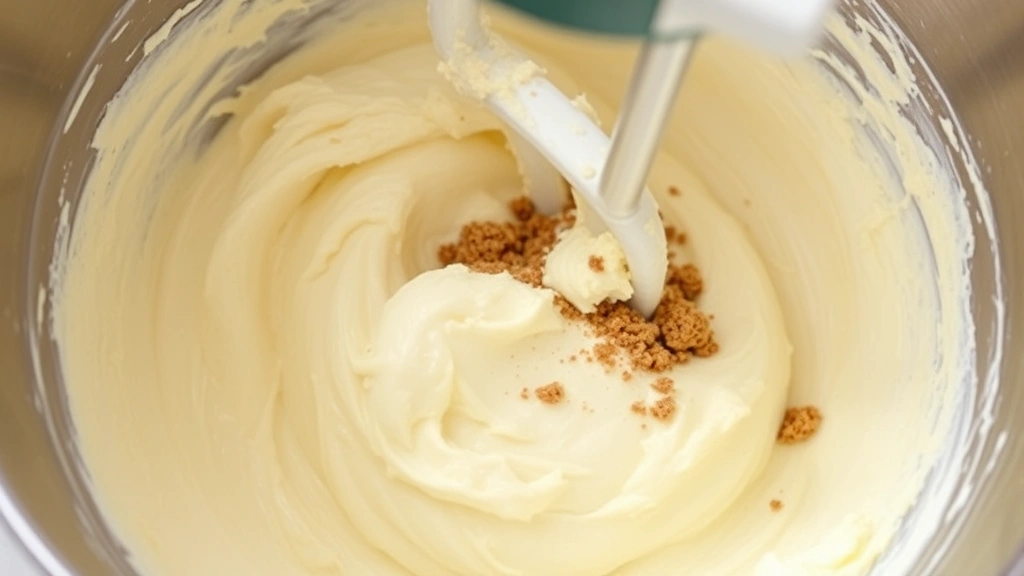
Add softened butter to a medium mixing bowl. Using an electric mixer on medium speed, beat the butter for about 1 minute until it becomes pale and creamy. This creaming process is crucial—it incorporates air into the mixture, creating a lighter texture. Gradually add brown sugar and granulated sugar while continuing to mix. Beat for another 2-3 minutes until the mixture becomes light, fluffy, and almost resembles frosting. This step typically takes 3-4 minutes total.
Step 2: Incorporate Vanilla Extract
Pour in the vanilla extract and mix on medium speed for about 30 seconds until fully incorporated. The vanilla should be evenly distributed throughout the butter mixture. You’ll notice the mixture smells absolutely divine at this point.
Step 3: Combine Dry Ingredients
In a separate small bowl, whisk together your heat-treated flour and sea salt. This whisking process aerates the flour and distributes the salt evenly. Sifting isn’t necessary, but whisking prevents lumps and ensures consistent seasoning.
Step 4: Mix Wet and Dry Ingredients
Reduce mixer speed to low. Gradually add the flour mixture to the butter mixture, mixing just until combined. Overmixing at this stage can develop gluten and create a tough texture. Mix for about 1-2 minutes until no streaks of flour remain. The mixture should look similar to traditional cookie dough.
Step 5: Fold in Chocolate Chips
Remove the bowl from the mixer and fold in the mini chocolate chips using a rubber spatula or wooden spoon. Use about 30-40 gentle folding motions until the chips are evenly distributed throughout. This manual folding prevents overmixing while ensuring every spoonful contains chocolate.
Step 6: Adjust Consistency
If your edible cookie dough seems too thick or crumbly, add milk or cream one tablespoon at a time, mixing gently until you reach your desired consistency. The dough should be thick enough to scoop but soft enough to spread. Most people prefer a texture similar to traditional cookie dough—soft, pliable, and easy to eat by the spoonful.

Flavor Variations to Try
Once you’ve mastered the basic edible cookie dough recipe, endless flavor possibilities await. These variations maintain the same safety standards while offering exciting taste profiles.
Brownie Batter Edition: Replace ¼ cup of flour with unsweetened cocoa powder. Add an extra 2 tablespoons of brown sugar and reduce granulated sugar to 2 tablespoons. Stir in ½ teaspoon of espresso powder to deepen chocolate flavor. This creates a rich, fudgy version perfect for chocolate lovers.
Salted Caramel Dream: Add ½ teaspoon of sea salt to the dry ingredients and ½ cup of caramel chips instead of chocolate chips. Drizzle with salted caramel sauce before serving. This combination of sweet caramel with salty notes creates an irresistible balance.
Peanut Butter Powerhouse: Replace ¼ cup of butter with creamy peanut butter. Increase vanilla extract to 1½ teaspoons. Use ½ cup of peanut butter chips instead of chocolate chips. Add ¼ teaspoon of cinnamon for warmth and depth.
Cookie Monster Version: Fold in ½ cup of crushed chocolate sandwich cookies along with the chocolate chips. This creates a chunky texture and intensifies the cookie flavor, making it feel like actual cookie dough.
Mint Chocolate Bliss: Add ¼ teaspoon of peppermint extract along with the vanilla. Reduce vanilla to ¾ teaspoon. Use ½ cup of dark chocolate chips mixed with ¼ cup of crushed mint candies. This provides a refreshing twist on the classic.
Snickerdoodle Sensation: Add 1 teaspoon of ground cinnamon to the dry ingredients. Replace chocolate chips with white chocolate chips. Add ¼ teaspoon of cream of tartar for authentic snickerdoodle flavor.
For more easy recipes and flavor inspiration, explore our extensive recipe collection.
Storage and Shelf Life Tips
Proper storage ensures your edible cookie dough stays fresh and maintains optimal texture. Since this recipe contains no preservatives, storage considerations are important.
Refrigerator Storage: Place your edible cookie dough in an airtight container or cover the bowl tightly with plastic wrap. Refrigerate for up to 5 days. Before serving, let it sit at room temperature for 10-15 minutes to soften slightly, making it easier to scoop and enjoy. The dough actually develops deeper flavors after a day or two in the refrigerator as ingredients meld together.
Freezer Storage: For longer storage, freeze your edible cookie dough for up to 3 months. Scoop the dough into tablespoon-sized portions using a cookie scoop, place them on a parchment-lined baking sheet, and freeze until solid (about 2 hours). Transfer the frozen portions to a freezer bag for convenient storage. Thaw individual portions in the refrigerator for 1-2 hours or at room temperature for 30-45 minutes before eating.
Portioning for Convenience: Create edible cookie dough bites by scooping small portions and freezing them individually. These frozen bites make perfect grab-and-go snacks that thaw quickly, ideal for busy days or when cravings strike suddenly.
Signs of Spoilage: Discard the dough if you notice any off odors, mold growth, or separation of ingredients. Trust your senses—if something seems off, it’s better to make a fresh batch than risk foodborne illness.
Creative Ways to Serve Edible Cookie Dough
Beyond eating straight from the spoon, this no-bake delight offers numerous serving possibilities that impress friends and family.
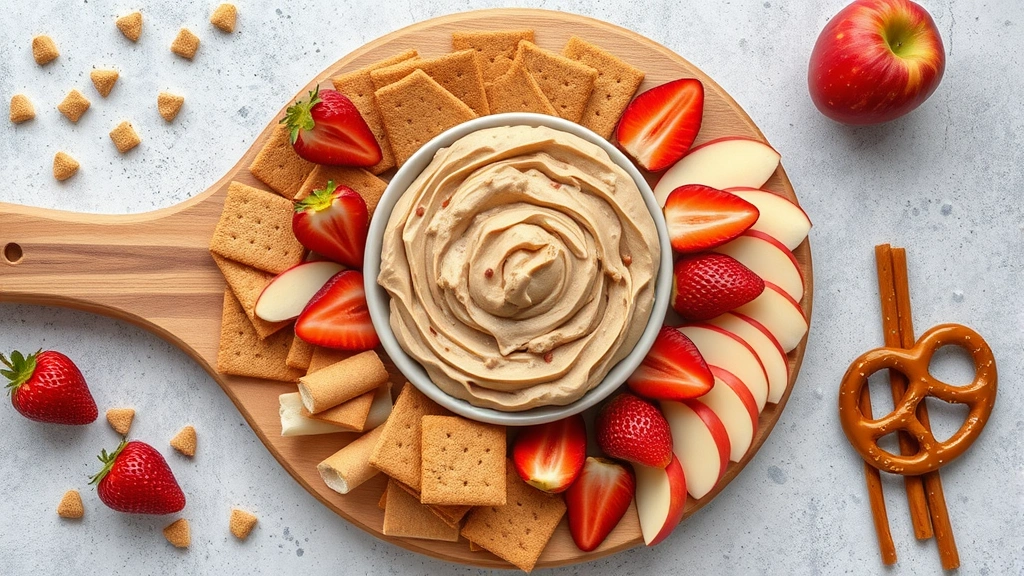
As a Dessert Dip: Transfer your edible cookie dough to a serving bowl and surround it with graham crackers, pretzels, apple slices, and strawberries. This creates an interactive dessert experience perfect for parties and gatherings. The combination of textures—soft dough with crunchy dippers—creates an engaging eating experience.
Layered Parfait: Alternate layers of edible cookie dough with whipped cream, vanilla yogurt, or pudding in individual glasses. Top with crushed cookies or granola. This elegant presentation transforms simple ingredients into an impressive dessert suitable for dinner parties.
Cookie Dough Stuffed Fruits: Hollow out strawberries, apple halves, or pear slices and fill them with edible cookie dough. The fruit provides natural sweetness that balances the dough’s richness while adding nutritional value.
Milkshake Mix-In: Blend spoonfuls of edible cookie dough into vanilla, chocolate, or caramel ice cream shakes. The dough chunks create texture and intensify flavor, making each sip more satisfying.
Cake Topping: Spread or dollop edible cookie dough onto frosted cakes or cupcakes. This adds an unexpected texture contrast and flavor dimension that guests will love. It works particularly well with vanilla, chocolate, and yellow cakes.
Brownie Enhancement: Crumble edible cookie dough over warm brownies before serving. The dough softens slightly from the brownie’s warmth, creating a gooey, delicious combination that elevates simple brownies into something special.
Breakfast Cookie Dough Spread: Use a slightly thinner consistency version as a spread on toast, bagels, or English muffins for an indulgent breakfast treat. It pairs surprisingly well with whole grain breads.
Troubleshooting Common Issues
Problem: Dough is too dry or crumbly
This typically occurs when flour is packed too tightly during measuring or when not enough butter is creamed. Solution: Add milk or cream one tablespoon at a time while mixing gently. Alternatively, ensure you’re measuring flour correctly by spooning it into your measuring cup and leveling with a knife rather than scooping directly from the bag.
Problem: Dough is too soft or runny
Overly soft dough usually results from warm kitchen temperatures or too much liquid. Solution: Refrigerate the dough for 30 minutes to firm it up. If the problem persists, add another 2-3 tablespoons of heat-treated flour, mixing gently. Ensure your butter was truly softened, not melted, at the beginning.
Problem: Chocolate chips are sinking to the bottom
This happens when chips are added during mixing rather than folded in gently at the end. Solution: Use mini chips rather than standard-sized chips, as they distribute more evenly. Fold them in gently by hand at the very end. Alternatively, toss the chips lightly in a small amount of flour before folding—this helps them stay suspended throughout the dough.
Problem: Dough tastes slightly metallic or off
This can occur if using low-quality vanilla extract or if the dough has been stored in a metal bowl too long. Solution: Always use pure vanilla extract rather than imitation. Store dough in glass or plastic containers. If metallic taste occurs, the dough should be discarded.
Problem: Grainy texture in the finished dough
Graininess usually indicates insufficient creaming time or sugar not fully incorporating. Solution: Ensure you cream the butter and sugars together for 3-4 minutes until the mixture becomes light and fluffy. The mixture should look almost like frosting before adding flour.
For more recipe guidance and troubleshooting, explore our detailed cooking guides.
FAQ
Is edible cookie dough truly safe to eat?
Yes, when made with heat-treated flour and pasteurized eggs (or no eggs), edible cookie dough is completely safe. The heat treatment kills harmful bacteria that could be present in raw flour and eggs. Always ensure you’re using specifically heat-treated flour purchased from reputable sources or properly heat-treat your own flour at home.
Can I use regular flour instead of heat-treated flour?
Not safely. Regular flour can contain E. coli and other harmful bacteria. If you can’t find heat-treated flour, you can heat-treat your own by spreading it on a baking sheet and baking at 350°F for 10 minutes, stirring occasionally. Let it cool completely before using. Alternatively, use the eggless version of this recipe, which is naturally safer.
How long does edible cookie dough last?
Refrigerated edible cookie dough lasts 5 days in an airtight container. Frozen dough keeps for up to 3 months. Always check for signs of spoilage before consuming, including off odors or visible mold.
Can I make this recipe vegan?
Yes! Replace the butter with vegan butter in equal amounts, and ensure your chocolate chips are vegan. The recipe doesn’t contain eggs, so it’s naturally vegan-friendly. The texture and taste will be nearly identical to the original version.
What’s the difference between edible cookie dough and regular cookie dough?
The key difference is safety. Regular cookie dough contains raw eggs and uncooked flour, which pose food safety risks. Edible cookie dough uses heat-treated flour and pasteurized eggs (or no eggs), making it safe to eat raw while maintaining authentic cookie dough flavor and texture.
Can I bake this dough into actual cookies?
Yes! Use this dough to bake traditional chocolate chip cookies. Scoop onto a baking sheet and bake at 350°F for 10-12 minutes until golden brown. However, the texture may be slightly different from standard cookie recipes since this dough is optimized for eating raw rather than baking.
Is heat-treated flour available at regular grocery stores?
Many grocery stores now carry heat-treated flour in their baking sections. Check brands like King Arthur, Bob’s Red Mill, and store brands. If your local store doesn’t stock it, you can purchase online from major retailers or specialty baking suppliers. Alternatively, heat-treat regular flour yourself at home.
Can I add other mix-ins besides chocolate chips?
Absolutely! Try crushed cookies, nuts, caramel chips, white chocolate chips, sprinkles, or candy pieces. Add up to ¾ cup of mix-ins total. Heavier ingredients like nuts may require a slightly thicker dough consistency.
What if I don’t have an electric mixer?
You can make this recipe entirely by hand! Use a wooden spoon and mix vigorously for 5-7 minutes during the creaming stage. It requires more elbow grease but produces the same delicious result. Ensure your butter is very soft at room temperature to make hand-mixing easier.
Can I make edible cookie dough for someone with a nut allergy?
Yes! This basic recipe is naturally nut-free. Simply avoid adding nuts and ensure your chocolate chips and any other mix-ins are nut-free and made in nut-free facilities. Always check labels carefully for cross-contamination warnings.
Making easy edible cookie dough at home is simpler than you might think, and the rewards are absolutely worth it. This no-bake delight satisfies cravings instantly while keeping food safety front and center. Whether you enjoy it straight from the spoon, serve it as a creative dessert, or experiment with exciting flavor variations, you’ll love having this recipe in your cooking repertoire. The combination of simple ingredients, minimal preparation time, and maximum flavor makes it perfect for any occasion—from quiet nights in to impressive entertaining. Try this recipe today and discover why edible cookie dough has become such a beloved treat!


