Elderberry Syrup Recipe: Herbalist-Approved Guide to Immune-Boosting Wellness
Elderberry syrup has become a cornerstone of natural wellness routines, prized by herbalists and health-conscious home cooks alike for its potent antioxidant properties and delicious berry flavor. This herbalist-approved elderberry syrup recipe transforms dried elderberries into a concentrated, shelf-stable elixir that supports immune function while delivering genuine culinary versatility. Whether you’re seeking to fortify your wellness arsenal during cold months or exploring traditional herbal remedies, homemade elderberry syrup offers superior quality compared to commercial alternatives, allowing you to control ingredients and customize the formula to your preferences.
Creating elderberry syrup at home requires minimal equipment and simple techniques that any home cook can master. The process combines dried elderberries with complementary herbs and spices—typically ginger, cinnamon, and cloves—to create a warming, complex-flavored syrup that tastes as good as it works. This guide walks you through every step, from sourcing quality ingredients to proper storage methods, ensuring your homemade syrup maintains potency and flavor throughout the season.

Understanding Elderberries and Their Benefits
Elderberries (Sambucus nigra) have been used in traditional medicine across Europe, Asia, and North America for centuries, representing one of the most researched herbal remedies in modern wellness practice. These dark purple berries contain remarkable concentrations of anthocyanins—powerful plant compounds that give elderberries their distinctive color and contribute to their antioxidant profile. Herbalists particularly value elderberries for their traditional use in supporting immune system function, though modern research continues exploring their full nutritional spectrum.
The syrup format proves especially effective because the slow-simmering process extracts and concentrates the beneficial compounds from dried berries while creating a palatable delivery method. Unlike raw berries or tablets, syrup allows for easy daily consumption and better absorption of fat-soluble compounds when combined with honey. Professional herbalists recommend the American Herbal Pharmacopoeia standards for elderberry preparation, which emphasize using quality dried berries and proper extraction techniques.
When selecting elderberries for your elderberry syrup recipe, prioritize organic, sustainably harvested varieties from reputable suppliers. The quality of your starting ingredient directly impacts the final syrup’s potency and flavor profile. Avoid pre-made syrup products when possible, as homemade versions allow you to verify ingredient sourcing and avoid unnecessary additives. This approach aligns with broader best healthy food recipes principles that emphasize whole-food preparation methods.

Essential Ingredients for Your Syrup
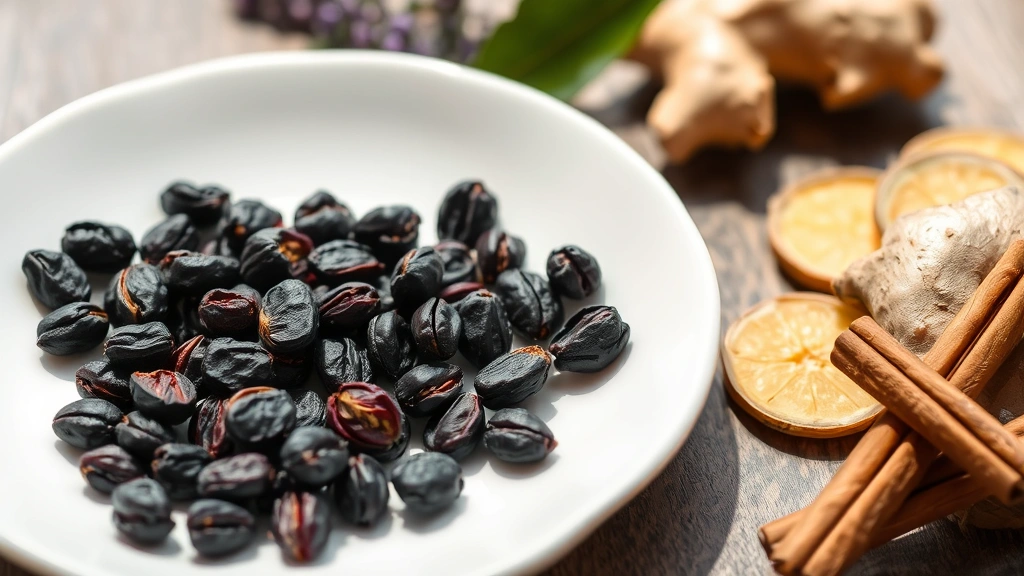
Creating an herbalist-approved elderberry syrup requires thoughtful ingredient selection, as each component contributes specific flavor notes and complementary benefits. The foundation consists of dried elderberries, which provide the primary active compounds and deep, slightly tart flavor. A typical batch uses one cup of dried elderberries—a quantity that yields approximately two cups of finished syrup with proper reduction.
Supporting ingredients amplify both flavor complexity and traditional wellness applications. Fresh ginger root (approximately 2-3 tablespoons, sliced) adds warming spice and aids digestion, while cinnamon sticks (2-3 pieces) contribute natural sweetness and antimicrobial properties. Whole cloves (approximately 1/2 teaspoon) provide warming depth and aromatic complexity. These spices aren’t merely flavor additions—herbalists include them because traditional formulations recognize their complementary properties.
Water forms the extraction medium, with most recipes calling for four cups to create proper concentration. Use filtered water when possible to avoid chlorine and other additives that might interfere with extraction. Many herbalists prefer spring water, though quality filtered tap water works effectively. The final essential ingredient is raw honey, which serves dual purposes: natural sweetener and preservative that extends shelf life while adding its own wellness properties. Plan for approximately one cup of honey per batch, added after the primary decoction cools slightly.
Optional ingredients allow personalization while maintaining herbalist principles. Fresh lemon juice brightens flavor and increases bioavailability of certain compounds. Turmeric (1/2 teaspoon) adds anti-inflammatory support and golden color. Echinacea or astragalus (1/4 cup dried) can be incorporated for additional immune support, though these modify the flavor profile noticeably. Vanilla extract (1/2 teaspoon) adds subtle sweetness without increasing sugar content.
Step-by-Step Preparation Method
Successful elderberry syrup preparation follows a deliberate timeline that balances extraction efficiency with flavor development. Begin by measuring your dried elderberries directly into a stainless steel or ceramic pot—avoid aluminum, which can react with acidic compounds and affect taste. Add your sliced ginger, cinnamon sticks, and whole cloves directly to the pot with the berries.
Pour four cups of filtered water over the berry and spice mixture, stirring gently to distribute ingredients evenly. Bring the combination to a gentle boil over medium-high heat, watching carefully to prevent aggressive boiling that might damage delicate compounds. Once boiling begins, immediately reduce heat to low and maintain a gentle simmer for 45-60 minutes. This extended simmer allows thorough extraction of anthocyanins and other beneficial compounds while concentrating flavors.
After the simmering period, you should notice the liquid has reduced to approximately half its original volume, displaying a deep purple-black color. This concentration indicates successful extraction. Remove the pot from heat and allow the mixture to cool for 15-20 minutes until comfortably warm but not hot to touch. Using a fine-mesh strainer or cheesecloth, carefully strain the liquid into a clean glass bowl, pressing gently on the solids to extract remaining liquid. Discard the spent berries and spices—consider adding them to food waste reduction practices by composting rather than discarding.
The strained liquid should measure approximately two cups. While still warm (not hot), stir in one cup of raw honey, mixing thoroughly until completely dissolved. Raw honey preserves its beneficial enzymes better than heated versions, making it the preferred choice despite higher cost. Avoid heating honey excessively, as temperatures above 140°F damage delicate compounds. Allow the mixture to cool completely before transferring to sterilized glass bottles for storage.
For those seeking additional extraction potency, some herbalists employ a secondary infusion method: after the initial decoction, they prepare a separate alcohol-based tincture using the same berries and spices with high-proof vodka or brandy, then combine the two extracts in a 1:1 ratio. This dual-extract method increases bioavailability but requires additional equipment and time.
Flavor Variations and Customization
While the classic elderberry syrup recipe provides an excellent foundation, herbalist-approved variations allow personalization based on taste preferences and specific wellness intentions. The warming spice variation increases cinnamon (4-5 sticks), adds star anise (2-3 pieces), and includes a pinch of nutmeg for enhanced warming properties—particularly valued during winter months. This version pairs beautifully with hot tea or warm milk-based beverages.
The citrus-forward variation incorporates lemon zest (from 1-2 organic lemons) and orange slices (1/4 cup fresh) during the simmering phase, creating a brighter flavor profile that appeals to those who find standard elderberry syrup too heavy. Some herbalists add a small amount of dried hibiscus (2 tablespoons) to this variation, which amplifies tartness and adds additional antioxidant compounds. The citrus version works exceptionally well in cocktails or as a base for cocktail sauce recipe applications.
The rose and flower variation adds dried rose petals (2 tablespoons) and dried lavender buds (1 tablespoon) to the initial simmer, creating a more delicate, floral-forward version. This approach appeals to herbalists focused on nervous system support and emotional wellness alongside physical immune function. The floral notes require slightly lighter spicing—reduce cloves to 1/4 teaspoon to prevent overwhelming the delicate flavors.
The adaptogenic variation incorporates dried ashwagandha root (2 tablespoons) and dried rhodiola (1 tablespoon) to create a syrup targeting stress resilience alongside immune support. These adaptogens require longer extraction time, so extend the simmering period to 75-90 minutes. This version tastes notably earthy, so some herbalists increase honey by an additional 1-2 tablespoons for palatability.
For culinary applications beyond wellness, the dessert variation reduces spices slightly and adds vanilla extract (1 teaspoon) plus a small amount of maple syrup (2 tablespoons) to create a syrup suitable for drizzling over yogurt, ice cream, or homemade bread preparations. This version maintains herbal integrity while emphasizing dessert compatibility.
Storage and Shelf Life Guidelines
Proper storage directly determines your elderberry syrup’s longevity and potency preservation. The honey component acts as natural preservative, creating an environment where beneficial compounds remain stable while preventing bacterial growth. Sterilized glass bottles—preferably dark amber or cobalt blue glass that filters light—provide optimal storage vessels. Sterilize bottles by running them through a hot dishwasher cycle or boiling them for 10 minutes before use.
Store your finished syrup in a cool, dark location away from direct sunlight, which degrades anthocyanins over time. A pantry, cellar, or kitchen cabinet away from heat sources works ideally. Properly prepared elderberry syrup with adequate honey content maintains quality for 2-3 months at room temperature, though refrigeration extends this period to 4-6 months. For extended storage beyond six months, some herbalists freeze syrup in ice cube trays, then transfer frozen cubes to freezer bags—this method preserves quality for up to one year.
The ratio of honey to berry extract matters significantly for preservation. Herbalists recommend maintaining at least a 1:2 ratio of honey to decoction (one part honey to two parts syrup) for optimal preservation without excessive sweetness. If your syrup seems insufficiently preserved after one month—indicated by mold growth or fermentation bubbles—transfer it to the refrigerator immediately to arrest any microbial activity.
Always use clean spoons or droppers when dispensing syrup to prevent contamination. Never double-dip used utensils back into the bottle, as this introduces bacteria that compromise preservation. If you notice any signs of fermentation, cloudiness beyond initial settling, or off-odors, discard the batch immediately rather than risk consuming compromised product.
Creative Uses Beyond Wellness
While herbalists primarily emphasize elderberry syrup’s wellness applications, this versatile preparation extends beautifully into culinary applications that leverage its complex flavor profile. The syrup’s deep berry notes and subtle spicing complement both sweet and savory dishes, expanding its utility beyond daily wellness shots.
In beverage applications, elderberry syrup transforms ordinary drinks into something remarkable. Stir one tablespoon into hot water with fresh lemon juice and ginger for a warming wellness tea, or combine with sparkling water and fresh mint for sophisticated non-alcoholic beverages. The syrup also enhances quick and easy pasta recipes when drizzled over creamy sauces—particularly those featuring duck, pork, or mushrooms. A tablespoon of elderberry syrup added to pan sauces creates unexpected depth and slight tartness that balances rich proteins.
Dessert applications showcase elderberry syrup’s versatility impressively. Swirl into vanilla yogurt, layer into cheesecake, or drizzle over chocolate cakes for elegant presentations that taste as sophisticated as they appear. The syrup works beautifully as a glaze for roasted stone fruits or a topping for panna cotta. Herbalists sometimes use it to create elderberry shrub drinks by combining equal parts syrup with apple cider vinegar—a preparation that extends shelf life indefinitely while creating a bright, tangy beverage base.
Savory applications surprise many cooks unfamiliar with berry-based cooking. A tablespoon of elderberry syrup enhances venison or wild game preparations, adding subtle sweetness that complements gamey flavors. Mix into vinaigrettes for salads featuring bitter greens like endive or radicchio, where the syrup’s sweetness provides balance. Some creative cooks reduce elderberry syrup by half on the stovetop to create a concentrated glaze for roasted vegetables or meats.
For gift-giving purposes, homemade elderberry syrup in attractive glass bottles makes an exceptional present for health-conscious friends and family. Include a simple label detailing the ingredients, preparation date, and suggested uses. Most recipients appreciate the thoughtfulness of a handmade wellness product far more than commercial alternatives.
FAQ
Can I use fresh elderberries instead of dried?
Fresh elderberries work, though they require adjustment to the recipe. Use approximately three cups of fresh berries (which contain more water) with the same four cups of water, extending simmering time to 75-90 minutes. Fresh berries may produce a slightly lighter-colored syrup with less concentrated flavor. Most herbalists prefer dried berries because their concentrated form yields more potent extracts with superior flavor development. Ensure any fresh elderberries come from reliable sources—wild varieties require positive identification, as some parts of the elderberry plant contain compounds that require proper preparation.
How much syrup should I consume daily?
Standard herbalist recommendations suggest one to two tablespoons daily for adults, typically taken in the morning with warm water or added to tea. Children typically receive half to one tablespoon daily, though consulting with a healthcare provider about age-appropriate dosing proves wise. The syrup’s honey content means it’s not appropriate for infants under one year. Pregnant or nursing individuals should consult healthcare providers before beginning any herbal supplement routine, including elderberry syrup.
What if my syrup crystallizes or separates?
Crystallization occurs naturally as honey settles and some compounds separate from liquid. Simply warm the bottle gently in hot water and shake vigorously to recombine ingredients—this causes no quality loss. If separation persists, strain through cheesecloth and recombine the layers. Fermentation bubbles or cloudiness indicate microbial growth and warrant discarding the batch. Slight sediment at the bottle bottom is normal and harmless; simply shake before use.
Can I make elderberry syrup without honey?
While possible, honey serves critical preservation and medicinal functions that other sweeteners don’t replicate identically. Alternatives like maple syrup or coconut sugar reduce shelf life significantly—expect only 2-4 weeks refrigerated storage. Glycerin-based preparations work but taste noticeably different. Herbalists specifically recommend honey because its antimicrobial properties and traditional use in herbal preparations support both preservation and wellness benefits. If you must avoid honey for dietary reasons, refrigerate syrup in small quantities and consume within two weeks, or explore alcohol-based tinctures instead.
Where can I source quality dried elderberries?
Reputable herbal suppliers like Mountain Rose Herbs, Starwest Botanicals, and specialty health food stores carry certified organic elderberries. Look for dark purple berries without discoloration or mold. Avoid berries with a musty smell, which indicates improper storage. Bulk purchasing from suppliers offers better value than retail packages, and many offer organic certifications verifying sustainable harvesting practices. Some farmers markets feature local herbalists selling fresh or dried elderberries during late summer months.
Is elderberry syrup safe during pregnancy?
Pregnant individuals should consult their healthcare provider before consuming elderberry syrup, as pregnancy represents a unique physiological state requiring individualized guidance. While elderberries have long traditional use histories, modern pregnancy care emphasizes cautious approaches to herbal preparations. Some healthcare providers consider moderate elderberry consumption acceptable during pregnancy, while others recommend avoiding it as a precautionary measure. This decision requires professional medical guidance rather than self-determination.
Can I combine elderberry syrup with other herbal preparations?
Generally yes, though certain combinations warrant caution. Elderberry syrup combines safely with echinacea, astragalus, and most common immune-supporting herbs. Avoid combining with blood-thinning medications or supplements without medical approval, as some herbal preparations interact with pharmaceutical drugs. Similarly, those taking immunosuppressant medications should consult healthcare providers before beginning elderberry supplementation, as its immune-supporting properties might theoretically interfere with medication function. When in doubt, discuss herbal combinations with qualified herbalists or healthcare providers.


