Extra Dirty Martini Perfected: A Mixologist’s Complete Guide
The extra dirty martini stands as one of cocktail culture’s most polarizing drinks—a bold statement that separates casual cocktail drinkers from true gin enthusiasts. Unlike its more restrained cousin, the classic martini, an extra dirty martini embraces the briny, savory character of olive brine with confidence and intention. This guide explores every dimension of crafting the perfect extra dirty martini, from ingredient selection to technique, ensuring you achieve that coveted balance between spirit-forward elegance and umami-rich intensity.
What makes an extra dirty martini truly exceptional? The answer lies in understanding how three simple components—gin, dry vermouth, and olive brine—interact at molecular and sensory levels. Many home bartenders and even some professional mixologists underestimate the complexity involved in this seemingly straightforward drink. The ratio of brine to spirit, the temperature of your glassware, the quality of your olives, and your mixing technique all contribute to the final result. This comprehensive guide demystifies each element, transforming you into someone capable of crafting an extra dirty martini that rivals any high-end cocktail bar.
Understanding the Extra Dirty Martini
The martini’s evolution from simple gin and vermouth cocktail to the complex, multifaceted drink we know today reflects broader changes in bartending philosophy and consumer preferences. The “dirty” designation emerged when bartenders began adding olive brine to the classic formula, introducing a savory, salty dimension that fundamentally altered the drink’s character. An “extra dirty” martini takes this concept further, incorporating a higher proportion of brine—typically anywhere from half an ounce to a full ounce per drink, depending on preference.
The scientific explanation for why olive brine transforms the martini experience involves understanding flavor compounds and their interactions. Olive brine contains sodium chloride, lactic acid, and various compounds extracted from the olives themselves. These elements don’t simply add saltiness; they enhance the botanical notes in gin while creating a more complex aromatic profile. The brine’s acidity also balances the spirit’s alcohol burn, making the drink feel smoother on the palate despite its strength. This is why an extra dirty martini, when properly executed, can feel more approachable than a bone-dry version, even though it contains identical amounts of alcohol.
Understanding the psychology of flavor preference helps explain the extra dirty martini’s devoted following. The savory umami taste triggers deep satisfaction in our brains—the same sensation we experience when enjoying a perfectly seared steak or aged cheese. This makes the extra dirty martini not just a drink, but a complete sensory experience that engages multiple taste receptors simultaneously. When you pair this with crispy pork belly or other rich appetizers, you create harmony between food and drink that elevates the entire experience.

Essential Ingredients and Selection
Success with the extra dirty martini begins long before you reach for your mixing glass. Each ingredient demands careful consideration and quality selection. Let’s examine what separates a mediocre extra dirty martini from an exceptional one.
Gin Selection and Characteristics
Gin serves as the foundation of your martini, accounting for approximately 80-90% of the final drink. The gin you choose will determine the overall flavor profile more than any other single ingredient. London Dry style gins—defined by their juniper-forward character and specific production regulations—remain the traditional choice for martinis. These gins typically exhibit prominent juniper with supporting notes of citrus, herbs, and spice.
For extra dirty martinis specifically, you’ll want a gin with enough botanical complexity to stand up to the briny intensity of the olive brine. Lighter, more delicate gins can become overwhelmed, resulting in a drink that tastes primarily of brine rather than a balanced combination. Consider gins like Tanqueray, Beefeater, or Bombay Sapphire, which offer sufficient structure and flavor intensity. Some mixologists prefer slightly more herbaceous gins like Hendrick’s or Botanivore, which can create interesting flavor interactions with the brine. Avoid overly trendy or heavily infused gins for your extra dirty martini—they often lack the backbone necessary for this particular application.
Dry Vermouth: The Overlooked Essential
Dry vermouth comprises only 10-20% of your martini, yet its impact disproportionately affects the final result. Too many home bartenders neglect vermouth quality, using whatever bottle happens to be available. This represents a critical error. Vermouth is a fortified wine with added botanicals, and like all wine, it deteriorates after opening.
Quality dry vermouths like Dolin, Noilly Prat, or Carpano Antica Formula offer distinct botanical profiles—typically featuring notes of herbs, spice, and subtle fruit. When shopping for dry vermouth, check the production date and purchase from retailers with good turnover. Once opened, store your vermouth in the refrigerator and replace the bottle every 2-3 months. An oxidized, stale vermouth will impart off-flavors that no amount of technique can overcome, regardless of your gin quality.
Olive Brine: The Defining Element
This is where the extra dirty martini truly distinguishes itself. The brine you use will directly influence your drink’s character. Most bartenders use the brine from a jar of quality green olives—specifically olives packed in a simple brine rather than heavily flavored varieties. Some establishments make their own brine, combining water, salt, and additional aromatics like garlic, herbs, or spices.
The concentration of salt in commercial olive brines varies considerably. Some are relatively mild, while others are intensely salty. Taste your brine before using it. If it seems excessively salty, you can dilute it slightly with filtered water to achieve better balance. Conversely, if it seems weak, you might need to use a larger proportion to achieve the “extra dirty” character. Premium olive producers often create superior brines because they’re less concerned with shelf stability and more focused on flavor quality. Consider upgrading to brines from artisanal producers—the difference is noticeable.
Equipment and Temperature Control
Temperature management represents perhaps the most underestimated aspect of martini preparation. A lukewarm martini is undrinkable, regardless of ingredient quality. Proper equipment and technique ensure your drink reaches the table at optimal temperature—typically between 28-32°F, cold enough to numb the palate slightly while remaining fluid.
The Mixing Vessel
Debate rages in cocktail communities about whether to stir or shake a martini. James Bond notwithstanding, stirring remains the traditional and technically superior method for martinis. Shaking introduces air bubbles and can over-dilute the drink while creating an undesirable cloudy appearance. A proper mixing glass—preferably a heavy, thick-walled vessel—allows you to stir the drink gently while maintaining temperature and achieving proper dilution.
Choose a mixing glass with a capacity of at least 16 ounces. The larger volume allows for proper heat exchange and prevents the drink from becoming over-diluted through extended stirring. Some mixologists prefer Japanese-style mixing glasses, which feature thinner walls that conduct temperature more efficiently. Whatever you choose, ensure it’s made from quality glass that won’t develop cracks from repeated thermal stress.
The Bar Spoon
Your bar spoon should be long enough to reach the bottom of your mixing glass while allowing you to grip it comfortably. Look for a weighted spoon with a flat or twisted handle—these provide better control during stirring. The spoon’s design affects how efficiently you can stir and the amount of control you maintain over the drink’s temperature and dilution. Invest in a quality bar spoon; it’s one of the most important tools in your cocktail arsenal.
Pre-Chilling Strategy
Before beginning preparation, chill all your glassware. The most effective method involves filling your martini glass with ice water while you prepare the drink, then discarding the water just before serving. Alternatively, you can place glasses in a freezer for at least 15 minutes. Some bars employ a “glass chiller” function on their ice machines, but home bartenders can achieve the same result with ice water. This step seems small but makes a significant difference in your final drink’s temperature.
The Perfect Recipe and Ratios
Now we arrive at the core question: what constitutes the perfect extra dirty martini? The answer depends partly on personal preference, but certain ratios have proven themselves through decades of bartending tradition.
The Classic Ratio
The traditional martini ratio is 6 parts gin to 1 part dry vermouth, with additional olive brine added to taste. For an extra dirty martini, we modify this formula:
- 2.5 ounces gin
- 0.5 ounces dry vermouth
- 0.75 ounces olive brine
- Stirred with ice for 30 seconds
- Strained into a chilled coupe or martini glass
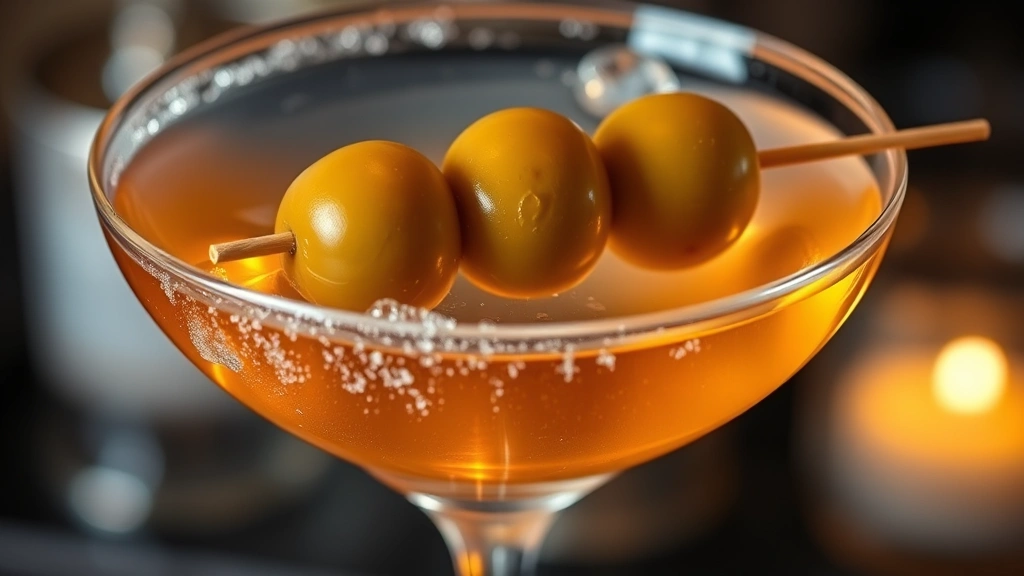
- Garnished with 2-3 olives
This ratio creates a drink that’s decidedly gin-forward while allowing the briny character to shine through. The vermouth provides structural complexity and botanical interest without dominating the palate. The olive brine adds savory depth and umami richness.
Adjusting for Personal Preference
Some drinkers prefer their extra dirty martinis even more assertive—increasing brine to a full ounce or even 1.25 ounces. Others find this excessive and prefer the ratio above. The key is understanding that you’re adjusting a balanced formula, not randomly adding more brine until the drink tastes like olive juice. Start with the classic ratio, then adjust incrementally based on your preference. Keep notes on what works for you.
Temperature and dilution also affect how you perceive the brine’s intensity. A properly chilled drink with adequate dilution will feel smoother and more balanced than an under-diluted, overly cold version. This is why technique matters as much as ratios.
Mixing Techniques and Methods
The mechanical process of mixing your martini dramatically affects the final result. Understanding proper technique transforms you from someone who merely combines ingredients into a true mixologist.
The Stir Technique
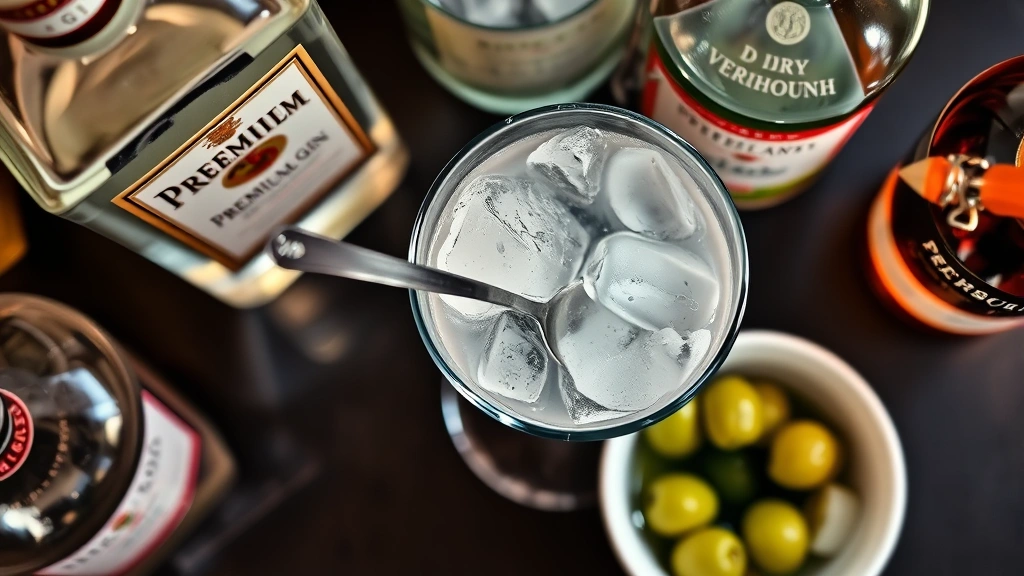
Fill your mixing glass approximately two-thirds full with quality ice—preferably large, dense cubes that melt slowly and efficiently chill the drink without over-diluting. Add your gin, vermouth, and olive brine to the glass. Using your bar spoon, stir gently but continuously for approximately 30 seconds. The goal is to achieve three things simultaneously: cooling the drink to proper temperature, diluting it slightly to open up the flavors, and combining the ingredients thoroughly.
Many home bartenders stir too aggressively or for too long. This excessive stirring introduces air bubbles and can over-dilute the drink. Conversely, stirring for fewer than 20 seconds may leave the drink insufficiently cold. The sweet spot—30 seconds of steady, controlled stirring—achieves optimal results for most environments and ice types.
Temperature Monitoring
Professional bartenders often monitor temperature during stirring by feeling the outside of the mixing glass. As the ice chills the liquid, the glass becomes progressively colder. When the exterior feels uncomfortably cold to hold, the drink has reached proper temperature. You can also use an instant-read thermometer; aim for the 28-32°F range mentioned earlier.
The Strain
Strain your drink using a Hawthorne strainer (the standard choice) or a julep strainer, depending on your preference and the mixing glass design. Strain smoothly and decisively into your pre-chilled glass. Any hesitation or extended contact between the drink and room-temperature air will begin warming your carefully chilled cocktail. The entire process from finishing the stir to completing the strain should take just a few seconds.
Garnish and Presentation
The garnish serves multiple functions in an extra dirty martini—it’s not merely decorative. It provides aromatic complexity, textural contrast, and visual appeal.
Olive Selection and Preparation
Use quality green olives, preferably Spanish or Italian varieties. The olive you choose should be firm and flavorful, with a briny character that complements your drink rather than overwhelming it. Some bartenders prefer Castelvetrano olives, which offer a buttery character and slightly milder brine. Others choose more assertive varieties like Picholine olives.
Prepare your olives by removing them from their brine just before serving and placing them on a cocktail pick or skewer. The number of olives—typically two or three—is partly aesthetic and partly functional. More olives add weight to the bottom of the glass, which some find pleasing; fewer olives allow the drink itself to be the focus.
Optional Garnish Variations
Some mixologists enhance the extra dirty martini with additional garnishes. A lemon twist—expressed over the drink to release oils—adds brightness and citrus complexity. A cocktail onion transforms the drink into a Gibson, though this is technically a different cocktail. Some modern bartenders experiment with smoked olives, marinated olives with garlic or herbs, or even blue cheese-stuffed olives, though traditionalists argue these variations distract from the core drinking experience.
Common Mistakes to Avoid
Even with quality ingredients and proper technique, certain pitfalls can derail your extra dirty martini preparation. Understanding these mistakes helps you avoid them.
Over-Dilution
The most common error involves stirring too long or using warm ice. Over-dilution weakens the drink’s spirit character and makes it taste watered down. Remember: 30 seconds is typically sufficient. If you’re stirring significantly longer, your ice may be too warm or your environment may be unusually hot. Adjust accordingly.
Stale Vermouth and Oxidized Brine
Using old vermouth or brines that have oxidized in an open container creates off-flavors that dominate the drink. Treat these ingredients with the same care you’d give to wine. Check dates, store properly, and replace regularly.
Inadequate Chilling
Serving a martini that’s not properly chilled is a disservice to yourself and anyone drinking it. Take the extra 15 minutes to properly chill your glassware. This single step elevates your entire experience.
Wrong Gin Selection
Choosing a gin that’s too delicate or too heavily infused undermines the balance you’re trying to achieve. Stick with proven London Dry gins until you develop enough experience to experiment successfully with alternatives.
Variations and Modern Twists
Once you’ve mastered the classic extra dirty martini, exploring variations expands your mixology repertoire. These modern interpretations maintain the core concept while introducing new flavor dimensions.
The Dirty Martini with Vermouth Alternatives
Some bartenders experiment with different vermouth styles. A dry martini made with a slightly sweet vermouth creates interesting complexity, though it moves away from the traditional formula. Others use herbal vermouths like Carpano Antica Formula or Dolin, which introduce different botanical characters. These variations work best when you understand how they’ll interact with your gin and brine selection.
Brine Variations
Creating custom brines allows you to tailor the drink to your specific preferences. Try making a brine with added garlic, fresh herbs, or spices. A brine infused with jalapeños creates a spicy variation that pairs excellently with tom yum soup as a pre-dinner cocktail. A brine with fresh rosemary or thyme adds herbaceous notes that enhance certain gin selections. Experiment cautiously—you’re looking to enhance, not completely transform, the core drinking experience.
Protein-Infused Variations
Some modern mixologists create “dirty martinis” using unusual brines. A bacon-fat infused martini offers rich, savory notes that create unexpected complexity. While these experiments can be interesting, they often venture so far from the traditional formula that they become different drinks entirely. Approach such variations as learning experiences rather than improvements on the classic.
Spirit Variations
While gin remains the traditional choice, some bartenders create vodka-based dirty martinis, which offer a cleaner, more neutral spirit base that allows the brine’s character to dominate. Tequila-based variations create margarita-adjacent drinks that bear little resemblance to a traditional martini. These experiments can be fun, but they represent departures from the classic formula rather than true variations.
If you’re interested in exploring how different spirits interact with savory elements, consider pairing your extra dirty martini with complementary foods. The umami-rich character makes it an excellent aperitif before meals featuring chicken pad thai or asian salmon. The briny character cleanses the palate between bites of rich proteins, making it a sophisticated choice for upscale dining experiences.
Understanding the science behind foods rich in antioxidants also informs your understanding of gin’s botanical compounds. Many of the same antioxidant-rich plants used in gin production—juniper, citrus peels, herbs—contribute to the drink’s complex flavor profile and perceived health benefits when consumed in moderation. Similarly, eel sauce and other umami-rich condiments share chemical compounds with the savory character you’re seeking in an extra dirty martini, explaining why certain flavor pairings feel naturally harmonious.
FAQ
What’s the difference between a dirty martini and an extra dirty martini?
A standard dirty martini contains approximately 0.25-0.5 ounces of olive brine, while an extra dirty martini uses 0.75-1.25 ounces. The increased brine creates a more pronounced savory, briny character. “Extra dirty” is subjective—some drinkers consider anything over 0.75 ounces excessive, while others prefer even higher ratios.
Should I use gin or vodka for an extra dirty martini?
Gin is the traditional and recommended choice. Gin’s botanical complexity provides flavor that stands up to the brine’s intensity. Vodka creates a cleaner, more neutral drink where the brine dominates entirely. If you prefer vodka-based drinks, consider a vodka martini with less brine, or simply acknowledge you’re creating a different drink from the traditional martini.
Can I make an extra dirty martini ahead of time?
No. Martinis should be prepared immediately before serving. Pre-mixing causes the drink to become excessively diluted and warm as ice melts over time. If you’re serving multiple people, prepare each drink individually just before serving. Some high-volume bars use pre-chilled bottles and specialized techniques to prepare multiple drinks simultaneously, but this requires professional equipment.
What type of glass should I use?
The classic martini glass (coupe) or a V-shaped cocktail glass work well. Some modern bartenders prefer coupes because they’re more stable and less prone to spilling. The V-shaped glass remains the traditional choice and offers elegant presentation. Ensure your chosen glass is pre-chilled before serving.
How much ice should I use when stirring?
Fill your mixing glass approximately two-thirds full with ice. This provides sufficient volume for proper temperature exchange without diluting the drink excessively. Use large, dense ice cubes when possible—they melt more slowly than smaller cubes, reducing over-dilution risk.
Is there a best time of day to drink an extra dirty martini?
Extra dirty martinis work excellently as pre-dinner aperitifs, particularly before meals with rich proteins or Asian cuisine. The briny character stimulates appetite and prepares the palate for complex flavors. Some drinkers enjoy them as evening cocktails, though their strength and intensity make them less suitable for casual daytime drinking.
Can I adjust the recipe for different gin types?
Yes, though the adjustments should be subtle. Lighter gins might benefit from slightly less vermouth to prevent being overwhelmed. Herbaceous gins might work well with slightly more brine to balance the botanical intensity. Start with the classic ratio and adjust incrementally based on taste. Keep notes on what works with different gins.


