Perfect Eye Round Roast Recipe: Home Cook Favorite Guide
The eye round roast stands as one of the most misunderstood cuts of beef in home kitchens. Many cooks shy away from this lean, budget-friendly cut, assuming it will turn out tough and dry. However, with the right techniques and understanding of how to properly prepare and cook an eye round roast, you can achieve remarkably tender, flavorful results that rival more expensive cuts. This comprehensive guide will walk you through everything you need to know to master this versatile roast.
Eye round roast comes from the rear leg of the cow, specifically the round primal. It’s an extremely lean cut with minimal marbling, which means it requires careful handling during cooking. The key to success lies in understanding proper temperature control, marinades, and slicing techniques. Whether you’re preparing a weeknight dinner or planning a special meal, this eye round roast recipe will become your go-to reference for consistently excellent results.
What makes this cut particularly appealing to home cooks is its affordability and versatility. You can prepare it as a classic roasted centerpiece, slice it thin for sandwiches, or cube it for stews. It’s also naturally high in protein and low in calories, making it an excellent choice for health-conscious meal planning.
Understanding Eye Round Roast Characteristics
Before diving into the cooking process, it’s essential to understand what makes eye round roast unique. This cut contains virtually no intramuscular fat, which means it won’t self-baste during cooking the way fattier roasts do. The muscle fibers are relatively tight and uniform, requiring specific techniques to break down and tenderize them effectively.
The typical eye round roast weighs between 2 to 4 pounds, making it ideal for families of four to six people. The shape is relatively uniform and cylindrical, which allows for even cooking when you follow proper techniques. The exterior often has a thin fat cap that you should leave intact during cooking, as it protects the lean meat underneath.
One of the biggest advantages of this cut is its consistency. Because the muscle structure is uniform, you can predict cooking times more accurately than with irregular cuts. This predictability makes it perfect for meal planning and timing dinner service precisely.
Selecting and Preparing Your Roast
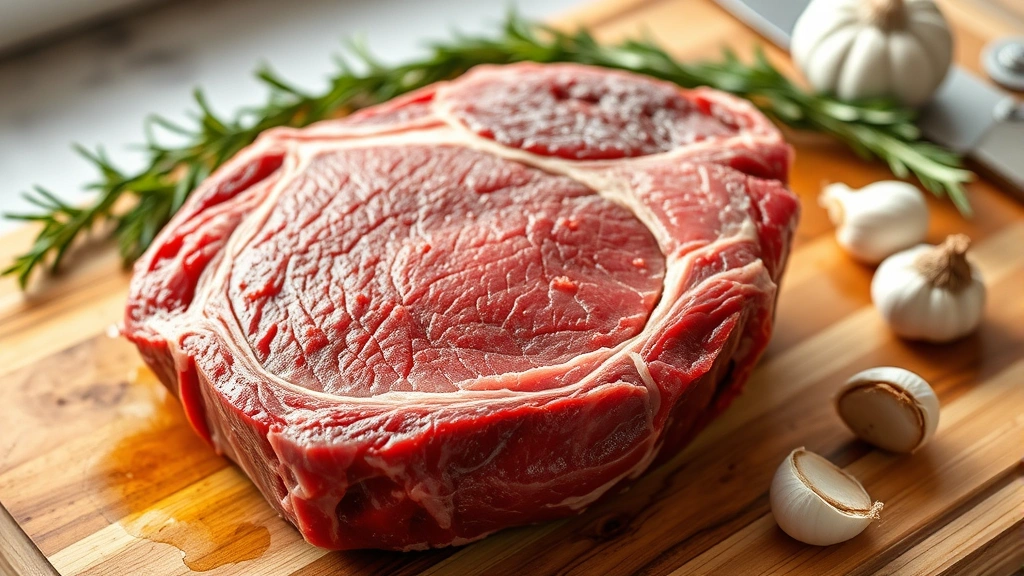
When shopping for eye round roast, look for meat that’s bright red in color with a thin, white fat cap. Avoid roasts that appear dark or have any brown discoloration, as this indicates age. The meat should smell fresh and pleasant, not sour or off-putting. Ask your butcher to trim the exterior fat cap to about ¼ inch thickness—this provides protection without excessive fat.
Remove your roast from the refrigerator 30 to 45 minutes before cooking. This allows the meat to come to room temperature, ensuring more even cooking throughout. Cold meat placed directly in a hot oven will develop an overly thick gray band of overcooked meat around the edges while the center remains undercooked.
Pat the roast completely dry using paper towels. Moisture on the surface prevents proper browning and creates steam rather than the desirable caramelized crust. For the best results, season generously with kosher salt and freshly ground black pepper at least 40 minutes before cooking, or even the night before. This allows salt to penetrate the muscle fibers and enhance flavor throughout.
Marinating for Maximum Tenderness
While not absolutely necessary, marinating significantly improves the tenderness of eye round roast. The acid in marinades helps break down muscle proteins, while aromatics add flavor depth. A simple marinade of olive oil, vinegar, garlic, and herbs works wonderfully. For best results, marinate for 12 to 24 hours in the refrigerator.
Basic Marinade Recipe:
- ½ cup olive oil
- ¼ cup red wine vinegar or balsamic vinegar
- 4 cloves garlic, minced
- 2 tablespoons Worcestershire sauce
- 1 tablespoon Dijon mustard
- 2 teaspoons dried rosemary or thyme
- 1 teaspoon paprika
- Salt and pepper to taste
Combine all marinade ingredients in a bowl and whisk together. Place your eye round roast in a large zip-top bag or shallow container and pour the marinade over it, ensuring complete coverage. Refrigerate for at least 12 hours, turning the roast halfway through if possible. This marinade technique works equally well whether you’re preparing a traditional roast or planning to slice it thin for thin sliced preparations.
Remove the roast from the marinade 30 minutes before cooking and pat it dry again. Reserve the marinade separately if you wish to use it for basting during cooking, though this is optional.
Cooking Methods and Temperature Control
Several cooking methods work well for eye round roast. The most reliable approach for home cooks is the low-and-slow oven method, which maintains consistent temperature and produces predictable results. Alternatively, you can sear the roast first for browning, then finish in the oven—this develops deeper flavor through the Maillard reaction.
Temperature control is absolutely critical when cooking lean roasts. The USDA recommends cooking beef to an internal temperature of 145°F (63°C) for medium-rare. For eye round roast specifically, aim for 130-135°F (54-57°C) internal temperature, as carryover cooking will raise it another 5 degrees while resting. Overcooking by even a few degrees results in a noticeably drier product.
Invest in a quality instant-read meat thermometer—this single tool is more important than any other piece of equipment when cooking lean roasts. Insert the thermometer into the thickest part of the roast without touching bone or fat. Check temperature every 15 minutes during the final stages of cooking to avoid overshooting your target.
Oven Roasting Technique
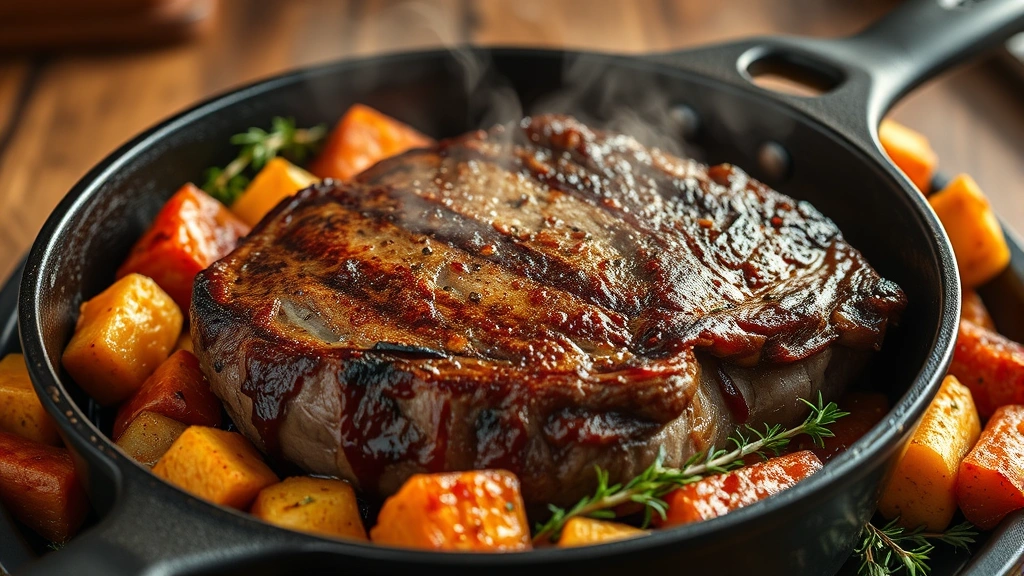
The most straightforward method for cooking eye round roast involves searing and oven roasting. Preheat your oven to 325°F (163°C). Heat 2 tablespoons of oil in a heavy-bottomed roasting pan or cast iron skillet over medium-high heat until shimmering. Carefully place the roast in the hot pan and sear for 2 to 3 minutes per side, developing a golden-brown crust on all surfaces. This step takes approximately 10 to 12 minutes total.
Once seared, transfer the roast to your roasting pan if it isn’t already there. Add ½ cup beef broth or water to the pan—this creates steam that keeps the exterior from drying while the interior cooks. You can also add sliced onions, carrots, and celery to create a flavorful base. Place the pan in the preheated oven and roast for approximately 15 to 18 minutes per pound for medium-rare.
For a 3-pound roast, expect cooking time of 45 to 54 minutes. Begin checking internal temperature at the 40-minute mark. Every oven varies, so use temperature as your guide rather than time. The roast is done when it reaches 130-135°F (54-57°C) in the thickest part.
Oven Roasting Steps:
- Preheat oven to 325°F (163°C)
- Sear roast on all sides in hot oil until deeply browned
- Add liquid and vegetables to roasting pan
- Transfer to oven and roast 15-18 minutes per pound
- Check temperature starting at 40 minutes
- Remove when internal temperature reaches 130-135°F (54-57°C)
- Rest for 10 minutes before slicing
For those seeking gluten-free and dairy-free cooking options, this basic eye round roast preparation is naturally compliant—just verify any broth or seasonings you use.
Resting and Slicing Like a Pro
Resting is non-negotiable when cooking lean roasts. After removing the roast from the oven, tent it loosely with aluminum foil and let it rest at room temperature for 10 to 15 minutes. During this resting period, muscle fibers relax and reabsorb moisture that was pushed to the surface during cooking. Cutting immediately without resting allows all these juices to run out onto your cutting board.
After resting, place the roast on a cutting board with a well or groove to catch juices. Using a sharp carving knife or slicing knife, cut against the grain into slices of your desired thickness. For eye round roast, slices should be approximately ¼ to ½ inch thick. Cutting against the grain is crucial—this shortens muscle fibers and makes each bite more tender.
Identify the grain direction by looking at the muscle fibers on the surface of the roast. They typically run lengthwise along the roast. Your knife should move perpendicular to these fibers. If you’re unsure about grain direction, make a small test cut first to verify you’re slicing correctly.
Arrange slices on a warm serving platter and drizzle with any pan juices collected during resting and slicing. These flavorful juices add moisture and enhance the eating experience, particularly important for a lean cut like eye round roast.
Serving Suggestions and Pairings
Eye round roast pairs beautifully with classic sides that complement its lean, savory character. Roasted red potatoes provide a starchy contrast, while roasted vegetables like Brussels sprouts, carrots, and parsnips add nutritional balance and visual appeal. Creamed horseradish sauce, gravy made from pan drippings, or a red wine reduction all enhance the roast’s natural flavors.
For a lighter approach, serve sliced eye round roast over fresh greens with vinaigrette, or use leftovers in sandwiches with crusty bread and condiments. The thin slices work particularly well in grain bowls with quinoa or rice, making this an excellent protein source for high protein meal prep.
Wine pairings should lean toward medium-bodied reds like Pinot Noir, Côtes du Rhône, or Merlot. These wines have enough acidity and tannin structure to complement the lean meat without overwhelming the palate. Lighter reds work better than full-bodied Cabernets, which can overpower the subtle flavors.
Storage and Leftovers
Properly stored eye round roast keeps well in the refrigerator for 3 to 4 days. Allow cooked roast to cool to room temperature, then transfer slices to an airtight container with any pan juices. The juices help maintain moisture and prevent the lean meat from drying out during storage.
For longer storage, freeze cooked roast slices for up to 3 months. Wrap individual slices in plastic wrap, then place them in a freezer bag with the air pressed out. Thaw overnight in the refrigerator before reheating. Reheat gently in a low oven (300°F/149°C) or in a pan with a bit of broth to prevent further moisture loss.
Leftover eye round roast transforms beautifully into various dishes. Slice thinly and use in burrito-style wraps, beef salads, or grain bowls. Dice leftovers for beef stew or chili. The versatility of this cut means you’ll rarely have truly wasted leftovers.
FAQ
How long does eye round roast take to cook?
Eye round roast typically cooks for 15 to 18 minutes per pound at 325°F (163°C). A 3-pound roast usually requires 45 to 54 minutes. Always use a meat thermometer to verify doneness rather than relying solely on time, as oven variations affect cooking speed.
Why is my eye round roast tough?
Toughness usually results from overcooking. Lean cuts like eye round roast become noticeably drier and tougher when internal temperature exceeds 140°F (60°C). Remove the roast at 130-135°F (54-57°C) and let carryover cooking finish the job. Additionally, failing to slice against the grain makes even properly cooked roast seem tougher.
Can I cook eye round roast in a slow cooker?
Yes, slow cookers work well for eye round roast. Sear the roast first for browning, then cook on low for 6 to 8 hours with broth and vegetables. This method produces very tender results, though the meat won’t have the same caramelized exterior as oven roasting. Use a meat thermometer to prevent overcooking.
What’s the difference between eye round and round steak?
Eye round comes from the center of the round primal and is suitable for roasting. Round steak is cut from the same area but sliced thinner and works better for braising, frying, or grinding. Eye round roast maintains its cylindrical shape and is designed for whole roasting.
Is eye round roast healthy?
Yes, eye round roast is an excellent protein source. A 3-ounce serving contains approximately 24 grams of protein and only 6 grams of fat, making it ideal for health-conscious eating and muscle-building diets. It’s naturally gluten-free and pairs well with vegetables for balanced nutrition.
How do I know when eye round roast is done?
Use an instant-read meat thermometer inserted into the thickest part of the roast. For medium-rare, target 130-135°F (54-57°C) internal temperature. Account for 5 degrees of carryover cooking while resting. Meat thermometers are far more reliable than visual cues or touch methods.
Can I marinate eye round roast overnight?
Absolutely. Overnight marinating (12 to 24 hours) is ideal for eye round roast. The extended time allows acids and enzymes to penetrate the lean meat fibers, significantly improving tenderness. Ensure the roast is completely submerged in marinade for even flavor development.


