Cozy Fall Baking Recipes: Grandma’s Favorites
There’s something magical about autumn that transforms the kitchen into a haven of warmth and comfort. The crisp air, the golden leaves, and the earlier sunsets all signal that it’s time to dust off those beloved baking pans and embrace the season with time-honored recipes. Fall baking isn’t just about following instructions—it’s about rekindling memories of standing beside grandma at the kitchen counter, watching her work with flour-dusted hands and a knowing smile. These treasured recipes have been passed down through generations, each one carrying stories of family gatherings, holiday preparations, and the simple joy of homemade treats.
Whether you’re a seasoned baker or someone who ventures into the kitchen only when the leaves begin to turn, this collection of fall baking recipes will guide you through creating the most authentic, delicious seasonal treats. From spiced cakes to buttery cookies, every recipe in this guide reflects the essence of autumn comfort and the timeless appeal of grandma’s kitchen. The flavors of cinnamon, nutmeg, clove, and pumpkin aren’t just ingredients—they’re the very soul of fall baking, evoking nostalgia and creating new memories with every bite.
Why Fall Baking Matters
Fall baking represents more than just a seasonal hobby—it’s a cultural tradition that connects us to our roots and to the people we love. When grandma baked, she wasn’t simply measuring ingredients; she was creating edible memories. The act of baking during autumn transforms ordinary ingredients into comfort food that warms both body and soul. This is why so many of us find ourselves drawn to the kitchen when September arrives, eager to recreate the exact flavors we remember from childhood.
The psychology behind fall baking is fascinating. Research shows that familiar aromas, especially those associated with cinnamon and vanilla, trigger powerful emotional responses and memories. When you bake grandma’s favorite recipes, you’re literally filling your home with the scents of nostalgia. Beyond the emotional connection, fall baking also offers practical benefits: it uses seasonal ingredients at their peak flavor, it’s an excellent way to spend quality time with family, and it provides homemade gifts that money simply cannot buy.
Understanding the importance of these traditions helps us approach fall baking with the reverence it deserves. These aren’t hurried recipes meant to be completed quickly; they’re meant to be savored, shared, and eventually passed on to the next generation. As you work through these recipes, remember that you’re participating in a centuries-old tradition of autumn hospitality and culinary craftsmanship.
Essential Fall Baking Ingredients
Before diving into specific recipes, let’s discuss the foundation of successful fall baking. Having the right ingredients on hand ensures that you can create these magical treats whenever inspiration strikes. The pantry essentials for fall baking are distinctly different from what you might keep stocked year-round, and understanding each ingredient’s role will elevate your baking results.
Warm Spices: Cinnamon, nutmeg, allspice, cloves, and ginger are the backbone of fall baking. These spices aren’t just flavor enhancers; they’re the very definition of autumn in your kitchen. Invest in high-quality spices, preferably whole spices that you grind yourself, as they’ll provide superior flavor compared to pre-ground varieties that have lost potency over time.
Pumpkin and Winter Squash: While pumpkin pie spice gets most of the attention, actual pumpkin puree is essential for creating authentic fall baked goods. Whether you use canned pumpkin for convenience or roast and puree fresh pumpkin for deeper flavor, this ingredient adds moisture, nutrition, and that unmistakable autumn essence.
Brown Sugar and Molasses: These ingredients provide the rich, deep flavors that characterize fall baking. Brown sugar’s molasses content adds complexity that white sugar simply cannot match, while unsulfured molasses brings an earthy sweetness to cookies and cakes.
Butter and Quality Fats: For fall baking, unsalted butter is non-negotiable. Grandma understood that butter creates the tender crumb and rich flavor that makes fall baked goods memorable. Some recipes benefit from brown butter, which adds a nutty depth that complements warm spices beautifully.
Flour Varieties: All-purpose flour is the workhorse of most fall baking recipes. However, understanding flour’s protein content and how it affects texture will help you achieve results that match grandma’s perfection. For some specialty recipes, you might also keep whole wheat flour or pastry flour on hand.
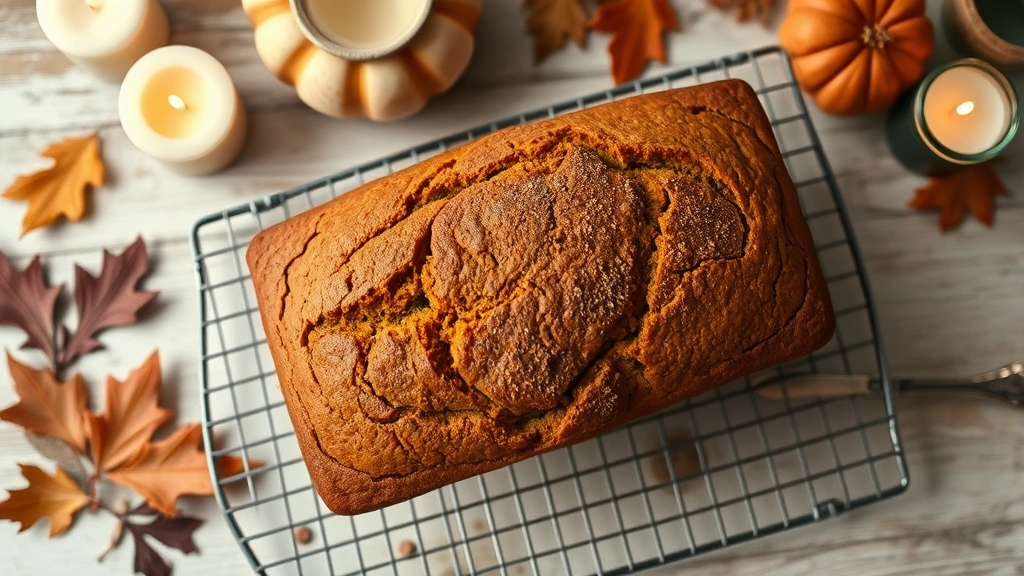
Classic Pumpkin Bread Recipe
Pumpkin bread is perhaps the quintessential fall baking recipe, and grandma’s version is usually the benchmark by which all others are measured. This recipe yields a moist, tender loaf with a subtle spice profile that lets the pumpkin flavor shine through without overwhelming the palate.
Ingredients:
- 1¾ cups all-purpose flour
- 1 teaspoon baking soda
- ½ teaspoon baking powder
- ½ teaspoon salt
- 1½ teaspoons ground cinnamon
- ½ teaspoon ground nutmeg
- ¼ teaspoon ground cloves
- 1¼ cups granulated sugar
- 1 cup pumpkin puree
- ½ cup vegetable oil
- 2 large eggs
- ⅓ cup water
- ½ cup chopped walnuts or pecans (optional)
Instructions:
- Preheat your oven to 350°F (175°C). Grease a 9×5-inch loaf pan and line the bottom with parchment paper for easy removal.
- In a medium bowl, whisk together flour, baking soda, baking powder, salt, cinnamon, nutmeg, and cloves. Set this dry mixture aside.
- In a large bowl, combine sugar, pumpkin puree, oil, eggs, and water. Mix until well combined, but don’t overmix—you want a smooth batter without developing too much gluten.
- Gently fold the dry ingredients into the wet ingredients until just combined. A few small lumps are perfectly acceptable; overmixing creates tough, dense bread.
- If using nuts, fold them in gently at the end. Pour the batter into your prepared pan, smoothing the top with a spatula.
- Bake for 55-65 minutes, until a toothpick inserted into the center comes out clean or with just a few moist crumbs. If the top begins browning too quickly, tent it loosely with aluminum foil.
- Allow the bread to cool in the pan for 15 minutes, then turn it out onto a wire rack to cool completely.
This recipe works beautifully because it respects the ingredient balance that grandma perfected. The oil keeps the bread incredibly moist, while the spice blend provides warmth without harshness. Serve slices with softened butter, cream cheese frosting, or simply on their own with a cup of tea.
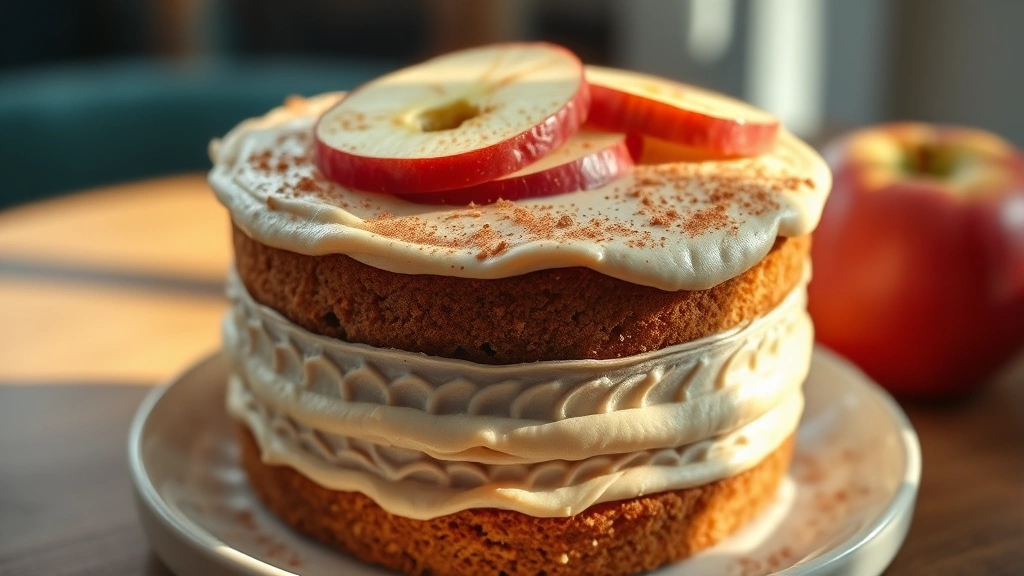
Spiced Apple Cake with Cinnamon Frosting
Apple cake represents the intersection of fall’s harvest and baking tradition. This recipe combines fresh apples with warm spices to create a cake that’s both sophisticated and deeply comforting. Unlike many apple cakes that can be dry, grandma’s version stays moist thanks to the generous amount of fresh apple throughout the batter.
Ingredients for Cake:
- 2 cups all-purpose flour
- 1½ teaspoons baking soda
- 1 teaspoon baking powder
- ½ teaspoon salt
- 2 teaspoons ground cinnamon
- 1 teaspoon ground nutmeg
- ¼ teaspoon ground allspice
- ½ cup (1 stick) butter, softened
- 1 cup granulated sugar
- 2 large eggs
- 1 teaspoon vanilla extract
- 3 cups diced apples (Granny Smith or Honeycrisp work best)
- ½ cup sour cream
Ingredients for Frosting:
- ½ cup (1 stick) butter, softened
- 3 cups powdered sugar
- 2 tablespoons heavy cream
- 1½ teaspoons vanilla extract
- 1 teaspoon ground cinnamon
Instructions:
- Preheat oven to 350°F (175°C). Grease and flour a 9-inch round cake pan (or two 8-inch pans for layer cakes).
- Whisk together flour, baking soda, baking powder, salt, cinnamon, nutmeg, and allspice in a medium bowl.
- In a large bowl, cream together softened butter and sugar until light and fluffy, approximately 3-4 minutes. Add eggs one at a time, beating well after each addition. Stir in vanilla extract.
- Alternate adding the dry ingredients and sour cream to the butter mixture, beginning and ending with dry ingredients. Mix until just combined after each addition.
- Fold in the diced apples gently, ensuring they’re evenly distributed throughout the batter.
- Pour batter into prepared pan and bake for 35-40 minutes (or 25-30 minutes for layer cakes), until a toothpick inserted in the center comes out clean.
- Cool in pan for 10 minutes, then turn out onto a wire rack to cool completely.
- For the frosting, beat softened butter until creamy. Gradually add powdered sugar, beating well. Add cream, vanilla, and cinnamon, beating until frosting reaches spreading consistency.
- Once cake is completely cool, frost generously between layers (if using layer pans) and over the top and sides.
This cake improves with time as the flavors meld together, making it perfect for baking a day ahead of serving. The tartness of Granny Smith apples provides balance to the sweet frosting, creating a sophisticated flavor profile that elevates this simple cake to something truly special.
Grandma’s Pecan Pie Bars
Pecan pie bars combine the appeal of the classic dessert with the convenience of bar cookies. These buttery, nutty treats are easier to serve at gatherings than whole pie slices, and they transport beautifully in containers, making them ideal for potlucks and holiday gatherings. The shortbread base provides the perfect foundation for the rich pecan filling.
Ingredients for Base:
- 1 cup (2 sticks) butter, softened
- 2 cups all-purpose flour
- ½ cup granulated sugar
- ¼ teaspoon salt
Ingredients for Filling:
- 1 cup brown sugar, packed
- ½ cup (1 stick) butter
- ⅓ cup honey
- 2 tablespoons heavy cream
- 1 teaspoon vanilla extract
- 3 cups pecan halves
- ¼ teaspoon salt
Instructions:
- Preheat oven to 350°F (175°C). Line a 9×13-inch baking pan with parchment paper, allowing edges to hang over for easy removal.
- For the base, cream together butter, flour, sugar, and salt until the mixture resembles coarse breadcrumbs. Press firmly into the bottom of the prepared pan.
- Bake the base for 12-15 minutes until lightly golden, then remove and allow to cool slightly while preparing the filling.
- For the filling, combine brown sugar, butter, honey, and cream in a saucepan over medium heat. Stir occasionally until the mixture reaches 240°F (soft ball stage) on a candy thermometer, approximately 5-7 minutes.
- Remove from heat and stir in vanilla, pecans, and salt. Pour this mixture over the partially baked base, spreading evenly.
- Bake for 20-25 minutes until the filling is set but still slightly soft in the center. The filling will continue to set as it cools.
- Cool completely in the pan on a wire rack, then refrigerate for at least 2 hours before cutting into bars.
These bars represent the perfect balance of texture and flavor—buttery shortbread, chewy filling, and toasted pecans all working in harmony. Store them in an airtight container at room temperature for up to one week, though they rarely last that long in most households.
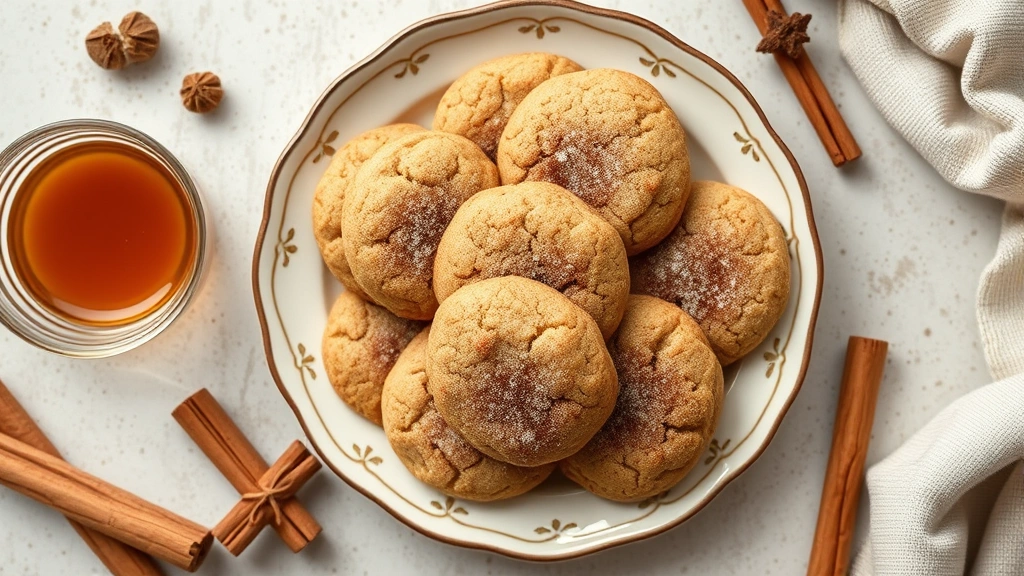
Brown Butter Snickerdoodles
Snickerdoodles might not be exclusively a fall recipe, but grandma’s brown butter version absolutely captures the essence of autumn baking. The nuttiness of brown butter elevates these simple cookies from ordinary to extraordinary, while the cinnamon-sugar coating provides the familiar comfort we all crave during cooler months.
Ingredients:
- ¾ cup (1½ sticks) butter
- ¾ cup granulated sugar
- ¼ cup brown sugar, packed
- 1 large egg
- ½ teaspoon vanilla extract
- 1¾ cups all-purpose flour
- ½ teaspoon cream of tartar
- ¼ teaspoon baking soda
- ¼ teaspoon salt
- 3 tablespoons granulated sugar (for rolling)
- 1½ tablespoons ground cinnamon (for rolling)
Instructions:
- Begin by browning the butter in a small saucepan over medium heat. Stir occasionally as the butter melts, foams, and eventually turns golden brown with a nutty aroma, approximately 5-7 minutes. Pour into a bowl, including all the browned bits, and allow to cool to room temperature.
- Once cooled, whisk the brown butter together with granulated sugar and brown sugar until combined. Add the egg and vanilla, whisking until smooth.
- In a separate bowl, whisk together flour, cream of tartar, baking soda, and salt.
- Fold the dry ingredients into the wet ingredients until just combined. Cover and refrigerate the dough for at least 30 minutes.
- Preheat oven to 375°F (190°C). Mix together the 3 tablespoons sugar and cinnamon in a small bowl for rolling.
- Scoop dough into 1-tablespoon portions, roll into balls, then roll each ball in the cinnamon-sugar mixture. Place on parchment-lined baking sheets, spacing them about 2 inches apart.
- Bake for 10-12 minutes until the edges are set but the centers still appear slightly underbaked—they’ll continue cooking as they cool.
- Allow cookies to cool on the baking sheet for 5 minutes before transferring to a wire rack.
The brown butter in these cookies creates a complex flavor that pairs beautifully with the simple cinnamon coating. These cookies stay soft for days when stored in an airtight container, making them perfect for enjoying throughout the fall season. Many bakers find that these cookies taste even better on the second or third day as flavors fully develop.
Baking Tips for Perfect Results
Creating successful fall baking recipes requires understanding not just the recipes themselves, but the principles that make them work. Grandma’s success in the kitchen came from years of experience and attention to detail. By incorporating these tips into your baking practice, you’ll develop the same intuition and skill that made her baked goods legendary.
Temperature Matters: Always bring eggs, butter, and other ingredients to room temperature before baking unless the recipe specifically states otherwise. Room temperature ingredients mix more evenly, creating better texture and more consistent results. Cold ingredients can create lumps and uneven baking. Set ingredients on the counter about 30 minutes before you begin, or use the Serious Eats detailed baking guides for temperature-specific tips.
Measure Accurately: Invest in a kitchen scale for weighing flour and other dry ingredients. While volume measurements (cups and tablespoons) work adequately, weight measurements eliminate variables caused by how tightly flour is packed. If you must use volume measurements, spoon flour into measuring cups and level with a knife rather than scooping directly from the bag.
Don’t Overmix: One of the most common mistakes in fall baking is overmixing. Overmixing develops gluten, which creates tough, dense baked goods instead of tender, crumbly ones. Mix wet and dry ingredients until just combined, with perhaps a few small flour streaks remaining. The batter will continue to combine as it bakes.
Use Quality Ingredients: Fall baking deserves quality ingredients. Invest in real vanilla extract, fresh spices, quality butter, and fresh eggs. These ingredients make a noticeable difference in flavor and texture. Grandma understood that shortcuts in ingredients always show up in the final product.
Understand Your Oven: Every oven has personality. Some run hot, others cool. Invest in an oven thermometer to understand your oven’s true temperature. Bake a test batch of cookies to see how your oven performs, then adjust timing accordingly in future recipes. Rotating pans halfway through baking often helps achieve more even browning.
Cool Completely: Resist the urge to frost warm cakes or eat warm cookies immediately. Cooling allows the structure to set properly, and frosting applied to warm cake will melt and slide off. Most fall baked goods actually improve in flavor as they cool and sit for a few hours, as flavors have time to develop and meld.
Storage Wisdom: Store soft cookies in an airtight container with a slice of bread to maintain softness. Store crispy cookies in a separate container to prevent them from absorbing moisture. Most fall baked goods keep well for 3-5 days at room temperature, and many freeze beautifully for up to three months.
Understanding these principles transforms you from someone who simply follows recipes to someone who truly understands baking. This knowledge allows you to adapt recipes, troubleshoot problems, and eventually develop the intuition that grandma possessed. Consider exploring King Arthur Baking Company’s comprehensive baking resources for deeper dives into baking science and technique.
Fall baking also benefits from understanding the seasonal aspect of ingredients. Fresh apples in September taste different from cold-stored apples in December. Early pumpkins have different moisture content than late-season ones. Paying attention to these subtle variations and adjusting recipes slightly keeps your baking fresh and interesting year after year.
One often-overlooked tip involves mise en place—preparing and measuring all ingredients before beginning to mix. Grandma always had her ingredients organized before she started, which prevented forgotten ingredients and ensured smooth baking sessions. This practice also allows you to notice if you’re missing something before you’re halfway through mixing.
FAQ
What are the best fall spices for baking?
The classic fall baking spices are cinnamon, nutmeg, cloves, allspice, and ginger. Cinnamon is the most prominent and recognizable, while nutmeg adds warmth and complexity. Cloves provide a slightly peppery note that shouldn’t overpower other flavors. Allspice tastes like a combination of cinnamon, nutmeg, and cloves. Ginger adds sharpness and bite. Start with these five and build your spice collection from there. Always purchase spices from sources with good turnover to ensure freshness and potency.
Can I substitute ingredients in fall baking recipes?
Some substitutions work better than others. For example, you can often substitute butter with coconut oil or use applesauce to replace some of the fat in recipes, though this may affect texture. You can use maple syrup instead of some sugar, though this increases moisture. However, avoid substituting leavening agents (baking soda and baking powder) or making major changes to flour quantities, as these affect the chemical structure of baked goods. When making substitutions, research how they affect baking chemistry or test in small batches before making large quantities.
How do I prevent my fall baked goods from being dry?
Dryness typically results from overbaking or using too much flour. Use an oven thermometer to ensure accurate temperatures, and remove baked goods when a toothpick inserted in the center comes out clean or with just a few moist crumbs—not completely dry. Measure flour by weight if possible, or spoon flour into measuring cups and level with a knife. Including ingredients like sour cream, yogurt, applesauce, or extra eggs adds moisture to cakes and quick breads. Storing baked goods properly also prevents them from drying out during storage.
What’s the difference between baking soda and baking powder?
Baking soda is sodium bicarbonate that requires an acid (like buttermilk, sour cream, or brown sugar) to activate and create lift. Baking powder is baking soda plus acid already included, making it a complete leavening agent. Some recipes use both: baking soda reacts immediately with acidic ingredients, while baking powder provides additional lift during baking. Never substitute one for the other without understanding the recipe’s acid content, as this affects both leavening and flavor.
How can I make fall baking recipes with less sugar?
Reducing sugar in baking is tricky because sugar affects texture, moisture, browning, and flavor. You can typically reduce sugar by 10-15% without major issues, but larger reductions require adjustments. Consider using sweeteners like honey or maple syrup that add flavor complexity. Increasing spices can compensate for reduced sweetness perception. For specific guidance, consult the Institute of Food Technologists’ resources on baking chemistry for detailed information on sugar’s role in baking.
Can I freeze fall baking recipes?
Most fall baked goods freeze beautifully. Cool completely before wrapping tightly in plastic wrap and aluminum foil, then place in freezer-safe containers. Unfrosted cakes, cookies, and quick breads typically freeze for up to three months. Frosted items also freeze well, though frosting may crack slightly as items freeze and thaw. Thaw at room temperature before serving. This makes fall baking an excellent strategy for preparing ahead for holidays or having homemade treats available throughout the season.
What equipment do I need for fall baking?
Essential equipment includes mixing bowls, measuring cups and spoons (or a kitchen scale), a whisk, wooden spoons, baking pans, wire cooling racks, and an oven thermometer. An electric mixer (stand or hand mixer) makes creaming butter and sugar much easier. A food processor helps with chopping nuts and mixing some doughs. Parchment paper prevents sticking and ensures even browning. As you develop your skills, you might add specialty items like a pastry bag for decorating or a candy thermometer for precise temperature control in recipes like pecan pie bars.


