Fig Tart Recipe: Pastry Chef Approved Guide to Elegant Desserts
Fig tarts represent the pinnacle of elegant home baking, combining buttery pastry with the natural sweetness of fresh figs in a dessert that impresses both family and guests. This pastry chef-approved recipe transforms simple ingredients into a sophisticated showstopper that tastes far more complex than it actually is. Whether you’re preparing for a dinner party or simply craving a refined treat, mastering this classic French-inspired dessert opens doors to countless variations and flavor combinations.
The beauty of fig tarts lies in their versatility and the way they celebrate seasonal produce. Fresh figs, when in season, offer a delicate honey-like flavor that pairs beautifully with almond cream, pastry cream, or simple butter and sugar. This comprehensive guide walks you through every step, from selecting the perfect figs to achieving a golden, flaky crust that pastry chefs demand.
Understanding Fig Varieties and Selection
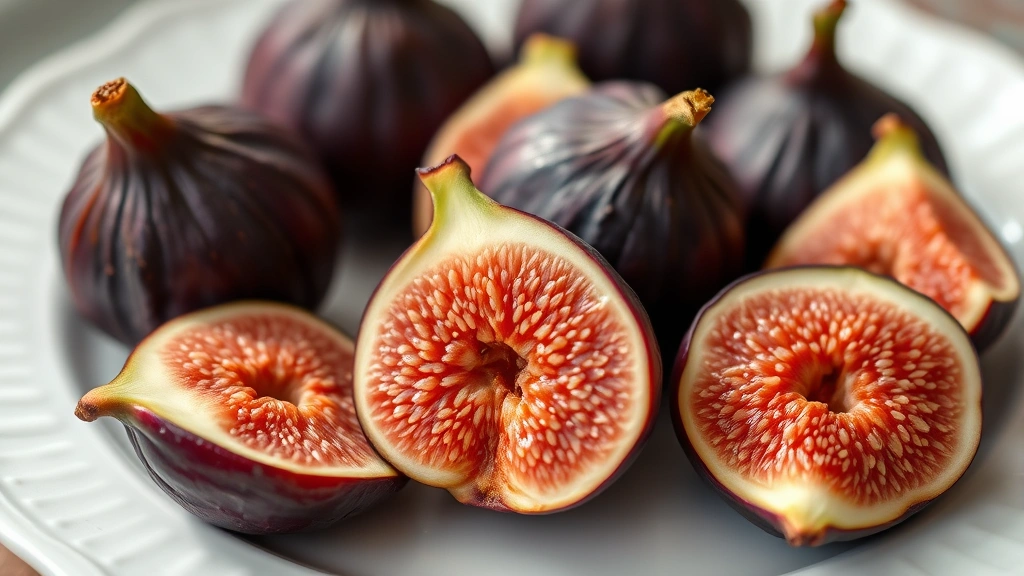
Selecting the right figs is crucial for creating a memorable fig tart. The most common varieties available in North America are Black Mission figs, which offer deep purple skin and pink flesh, and Calimyrna figs, which feature green skin and amber interiors. Black Mission figs tend toward earthier, more complex flavors, while Calimyrna varieties present brighter, slightly nuttier notes.
When shopping for figs, look for fruit that yields slightly to gentle pressure without feeling mushy. The skin should be intact with no splits or signs of fermentation. Fresh figs have a short season, typically running from late June through September, though some regions extend into October. If you cannot find fresh figs, dried figs can work wonderfully in complementary recipes, though they require rehydration and produce a different textural result.
Ripe figs should smell sweet and floral at the base. Avoid any with visible mold or overly soft spots. Store fresh figs in the refrigerator for up to three days, or leave them at room temperature if you plan to use them within 24 hours. This timing consideration is essential for planning your baking schedule.
Essential Ingredients and Substitutions
The foundation of an exceptional fig tart begins with quality ingredients. For the pastry shell, you’ll need all-purpose flour, cold unsalted butter, salt, sugar, and ice water. Professional bakers emphasize the importance of cold butter—this creates steam pockets that produce flakiness. The ratio typically follows one part sugar to three parts flour to two parts butter.
Your filling options depend on personal preference. A classic French approach uses almond cream, also called crème d’amande, which combines ground almonds, butter, sugar, and eggs. Alternatively, pastry cream offers a lighter option, while a simple mixture of mascarpone and honey creates a modern twist. Some bakers prefer leaving figs relatively unadorned, relying on a thin layer of apricot jam as both filling and glue.
For glazing, you have several paths forward. Apricot jam provides traditional shine and subtle flavor. A neutral glaze made from powdered sugar and water offers clean aesthetics. Some pastry chefs recommend a light egg wash before baking, while others apply glaze only after the tart cools. All approaches are valid—choose based on your desired final appearance and flavor profile.
Ingredient substitutions deserve consideration for dietary needs. Gluten-free all-purpose flour works in the crust, though results may be slightly less flaky. Vegan bakers can substitute coconut oil or vegan butter for dairy butter, adjusting liquid ratios slightly. Nut-free recipes simply omit the almond cream, doubling down on pastry cream or jam-based fillings instead.
Crafting the Perfect Tart Crust
The tart crust represents the most technically demanding component of this dessert, yet mastering it ensures success in countless other baking applications. Begin by combining 1.5 cups all-purpose flour, 0.5 teaspoon salt, and 2 tablespoons sugar in a large mixing bowl. Whisk these dry ingredients together to ensure even distribution.
Cut 10 tablespoons of cold unsalted butter into small cubes. Add butter to the flour mixture and work it in using a pastry cutter, two knives, or your fingertips, creating a breadcrumb-like texture. This step is critical—pastry chefs stress that the butter should remain distinct and cold, not fully incorporated. These butter pockets create the flakiness that defines excellent pastry.
Add 3-4 tablespoons of ice water, one tablespoon at a time, mixing gently with a fork until the dough just comes together. It should be shaggy and slightly moist, not wet or sticky. The exact water amount varies based on flour protein content and humidity. Wrap the dough in plastic wrap and refrigerate for at least 30 minutes, preferably 2 hours or overnight.
When ready to roll, remove the dough from the refrigerator and let it sit at room temperature for 5-10 minutes for easier handling. On a lightly floured surface, roll the dough to approximately 0.125 inches thick. Transfer it to a 9-inch tart pan with a removable bottom, pressing gently into corners and up the sides. Trim excess dough flush with the pan rim, then refrigerate for another 15 minutes.
For blind baking, which prevents a soggy bottom, line the pastry with parchment paper and fill with pie weights or dried beans. Bake at 375°F for 12-15 minutes until the crust is set but not browned. Remove weights and parchment, then return to the oven for 2-3 minutes if you notice the bottom looks pale. This technique ensures a crispy foundation for your tart.
Preparing Your Filling Options
Almond cream represents the classic choice for fig tarts, offering rich texture and complementary flavor. Combine 0.75 cups ground almonds, 0.5 cup softened butter, 0.5 cup sugar, 2 large eggs, 1 tablespoon flour, and 0.5 teaspoon almond extract. Beat the butter and sugar together until light and fluffy, then add eggs one at a time, beating well between additions. Fold in the almond mixture gently to avoid deflating.
Pastry cream provides an alternative that feels lighter and less dense. Heat 1 cup whole milk with a vanilla bean or 1 teaspoon vanilla extract until steaming. Whisk together 3 egg yolks, 0.25 cup sugar, and 2 tablespoons cornstarch. Temper the yolks by slowly adding hot milk while whisking constantly. Return the mixture to the pot and cook, stirring constantly, until it thickens and coats the back of a spoon. Strain through a fine sieve and cool before using.
A honey-mascarpone mixture offers modern simplicity. Whisk together 1 cup mascarpone cheese, 3 tablespoons honey, 0.25 teaspoon vanilla extract, and a pinch of sea salt. This filling requires no cooking and adds creamy richness without overwhelming the figs’ delicate flavor. Spread this mixture on your cooled tart shell just before adding figs.
Jam-only fillings work beautifully for minimalist presentations. Simply spread a thin layer of apricot jam on the cooled pastry shell. This approach highlights the figs themselves while providing moisture and subtle flavor. Some bakers brush the jam with a light coating of cognac or aged rum for sophistication.
Assembly and Baking Techniques
Once your tart shell has cooled completely, spread your chosen filling evenly across the bottom, leaving a thin border near the edges. If using almond cream, spread it in an even layer approximately 0.25 inches thick. The filling should be smooth and level—a offset spatula works perfectly for this task.
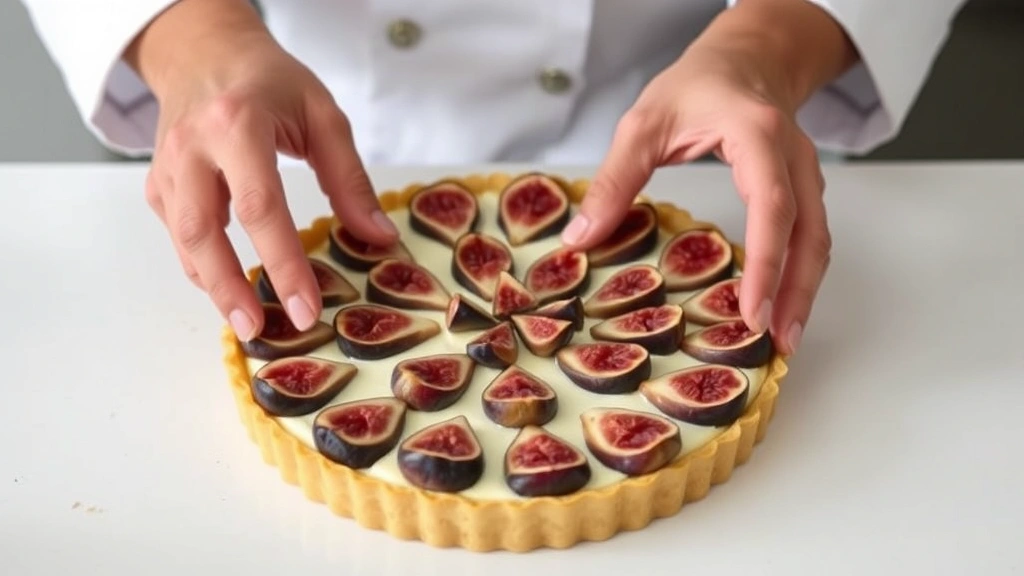
Prepare your figs by slicing them vertically from stem to bottom, creating halves or quarters depending on size. Pat them gently with paper towels to remove excess moisture, which prevents the tart from becoming soggy. Arrange the fig pieces on top of your filling in concentric circles, starting from the outer edge and working toward the center. Overlap slightly for visual appeal and even coverage.
Some bakers prefer standing fig quarters upright to showcase the beautiful interior. Others lay them flat in a shingled pattern. Both approaches are valid—choose based on your aesthetic preference. The important consideration is ensuring figs are distributed evenly so every slice contains fruit.
Before baking, you may brush the assembled tart lightly with egg wash (one beaten egg mixed with one tablespoon water) for a glossy finish. However, this step is optional—many pastry chefs skip it when using a jam glaze applied afterward. If applying egg wash, use a soft pastry brush and avoid pooling liquid in corners.
Bake the assembled tart at 375°F for 25-35 minutes until the crust turns golden brown and the filling appears set. If using almond cream, the filling will puff slightly and develop a light golden color. If the crust edges brown too quickly, tent the tart loosely with foil. The figs should look caramelized around the edges but not dried out.
Glazing and Finishing Touches
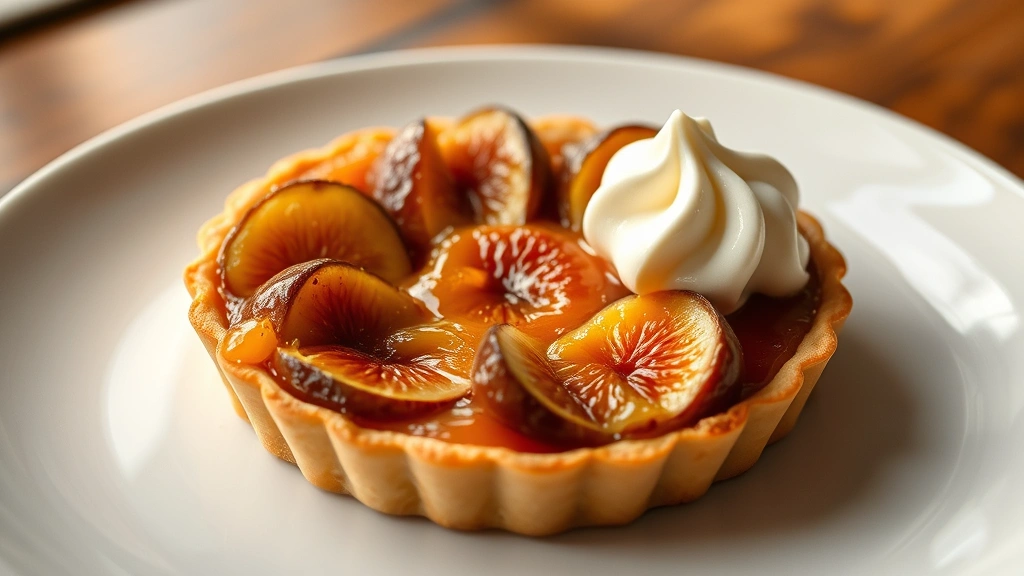
Glazing transforms a good tart into a showstopper while also protecting figs from oxidation. The most traditional approach uses apricot jam glaze. Heat 0.5 cup apricot jam with one tablespoon water over low heat, stirring until smooth. For a refined finish, strain the warm glaze through a fine sieve to remove any fruit pieces. Brush the glaze gently over the cooled tart using a soft pastry brush, ensuring even coverage.
A simple powdered sugar glaze offers a cleaner aesthetic. Whisk together 1 cup powdered sugar, 1-2 tablespoons milk, and 0.5 teaspoon vanilla extract until smooth. Drizzle this glaze over the cooled tart in decorative patterns, or spread it thinly across the surface. This approach works particularly well if you want the fig colors to remain prominent.
For a more luxurious finish, consider a honey glaze. Warm 0.25 cup honey with one tablespoon butter and a pinch of sea salt, then brush over the cooled tart. This enhances the figs’ natural sweetness while adding subtle sophistication. You might also brush the tart with a light coating of aged balsamic vinegar reduced with honey for a modern twist.
Once glazed, allow the tart to cool completely before slicing. This setting time ensures clean cuts and prevents filling from running. A hot knife dipped in water between cuts produces the most refined presentation. Garnish individual slices with fresh whipped cream, a quenelle of crème fraîche, or candied fig leaves if available.
Storage and Make-Ahead Tips
A finished fig tart keeps beautifully at room temperature for up to two days, covered loosely with plastic wrap. The pastry remains crisp and the filling stays fresh, making this an excellent option for advance preparation. If you need longer storage, refrigerate the tart for up to four days, allowing it to come to room temperature before serving for optimal flavor and texture.
The good news for busy bakers is that most components can be prepared separately. Your pastry dough keeps refrigerated for up to three days or frozen for three months. The blind-baked shell can be prepared one day ahead and stored in an airtight container. Your chosen filling can be made several hours in advance and refrigerated until assembly.
To assemble a day ahead, prepare the filled tart shell (with filling but without figs), cover it, and refrigerate overnight. Add the fig arrangement and glaze the morning of your event. This approach minimizes last-minute stress while ensuring maximum freshness. The only component that truly benefits from same-day preparation is the fig arrangement itself, as figs can oxidize if exposed to air too long.
For freezing, the best approach is to freeze the blind-baked, unfilled shell. Wrap it tightly in plastic wrap and foil, then freeze for up to three months. When ready to use, fill and bake from frozen, adding 5-10 minutes to the baking time. Do not freeze an already-baked, filled tart, as texture changes make the result less satisfying.
This recipe showcases why proper technique and equipment matter in baking. The same care you apply to pastry translates to other culinary pursuits, whether you’re exploring different cuisines or perfecting classic preparations.
FAQ
Can I make this tart without almonds?
Absolutely. Simply omit the almond cream and use pastry cream or honey-mascarpone filling instead. The tart will be equally delicious with a different flavor profile. Jam-based fillings also work wonderfully as a nut-free option.
What if I can’t find fresh figs?
Dried figs can substitute for fresh, though the texture and flavor differ. Rehydrate dried figs by soaking them in warm water for 15-20 minutes, then drain and pat dry before arranging. The result is chewier and more concentrated in flavor. Alternatively, use other stone fruits like plums or apricots during off-season.
How do I prevent a soggy bottom crust?
Blind baking is essential. Additionally, avoid overly wet fillings—if your filling seems loose, spread it slightly thinner. Some bakers brush the cooled crust with melted white chocolate before adding filling as an additional barrier. Ensure your oven temperature is accurate, as underbaking creates sogginess.
Can I make individual tarts instead?
Yes. Use 2-inch tartlet pans and reduce all component amounts proportionally. Blind bake for 8-10 minutes and reduce final baking time to 15-20 minutes. Individual tarts offer elegant presentation for dinner parties.
How far in advance can I prepare this?
The blind-baked shell keeps refrigerated for one day. The filled tart (with figs and glaze) keeps at room temperature for two days. For maximum freshness, assemble the tart the morning of serving if possible.
What wine pairs well with fig tart?
Dessert wines like Moscato d’Asti, Banyuls, or aged Madeira complement fig tart beautifully. For non-alcoholic pairings, try sparkling cider or herbal tea like chamomile.


