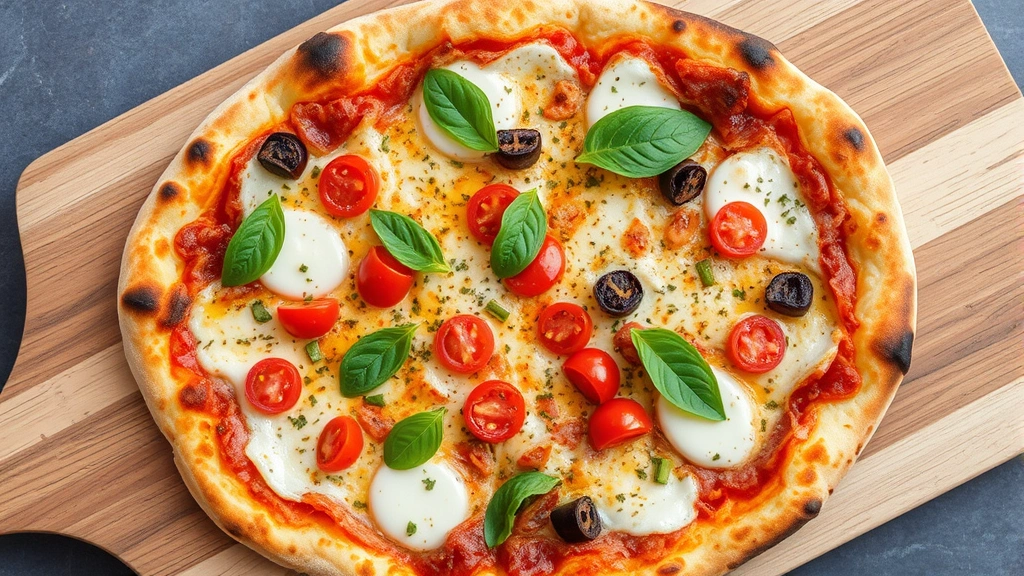
Flatbread Pizza Recipe: Chef’s Favorite Method
Flatbread pizza represents the perfect intersection of simplicity and sophistication in home cooking. Unlike traditional thick-crust pizzas that demand hours of rising and proofing, a quality flatbread pizza comes together in minutes while delivering restaurant-caliber results. This chef-approved method transforms humble ingredients into crispy, flavorful pizzas that rival any pizzeria, making it an ideal choice for weeknight dinners, entertaining guests, or meal prep adventures.
The beauty of mastering a flatbread pizza recipe lies in its versatility. Whether you’re topping it with grilled chicken for a protein-packed dinner, leftover proteins, or purely vegetarian combinations, the technique remains consistent and forgiving. Professional chefs favor this method because it eliminates the guesswork while maintaining complete control over texture, flavor, and doneness. You’ll discover that creating restaurant-quality flatbread pizzas at home is entirely achievable with the right approach.
Essential Ingredients for Flatbread Pizza
Building an outstanding flatbread pizza begins with understanding your ingredient options. The foundation requires quality flatbread, which can be store-bought pita, naan, focaccia, or homemade dough rolled thin. Professional chefs often prefer starting with pre-made flatbreads to streamline the process without sacrificing quality. You’ll need a robust tomato sauce or pizza sauce as your base—either homemade or a premium jarred version works beautifully.
Cheese selection dramatically impacts your final product. Fresh mozzarella creates a creamy, delicate texture, while low-moisture mozzarella provides superior browning and stretch. Many chefs combine both varieties: low-moisture mozzarella as your base layer for even melting, topped with fresh mozzarella for that luxurious finish. Ricotta adds richness and creaminess when dolloped strategically. Consider incorporating aged cheeses like parmesan or asiago for depth and complexity.
Your protein selections should reflect seasonal availability and personal preference. Cured meats like prosciutto, pancetta, or quality pepperoni add salty, umami notes. Cooked proteins—roasted chicken, sautéed shrimp, or crumbled sausage—should be prepared before assembly. Fresh vegetables benefit from quick cooking or marinating to remove excess moisture that could compromise crispness. Aromatics like garlic, fresh basil, and oregano should be premium quality since they’ll shine without lengthy cooking times.
Preparing Your Flatbread Base
The flatbread foundation determines your pizza’s structural integrity and final texture. If purchasing pre-made flatbread, select varieties with substance—thin pitas work for delicate toppings, while thicker naan or focaccia handle generous applications. Allow refrigerated flatbread to reach room temperature before cooking, approximately 15 minutes, ensuring even cooking throughout.
For homemade flatbread, professional chefs recommend a simple approach: combine all-purpose flour, warm water, salt, and minimal yeast or baking powder. The dough requires only brief kneading until smooth, then a short rest period. Roll the dough to your desired thickness—thinner for crispier results, thicker for chewier texture. A quarter-inch thickness represents the professional sweet spot, providing structural support while maintaining pleasant chewiness.
Pre-cooking your flatbread base, called par-baking, creates superior results. Brush lightly with olive oil on both sides, then cook on a preheated baking sheet or pizza stone at 425°F for 3-4 minutes until just beginning to firm. This step prevents soggy centers while allowing toppings to cook properly. Professional pizzerias employ this technique universally because it guarantees consistent texture regardless of topping moisture content.
Sauce and Flavor Foundation
Your sauce choice establishes the flavor profile for your entire flatbread pizza. Classic tomato sauce should be seasoned assertively—quality sea salt, freshly ground black pepper, dried oregano, and minced garlic create a robust foundation. Professional chefs often reduce their sauce slightly over medium heat for 10-15 minutes to concentrate flavors and minimize excess moisture that could compromise crispness.
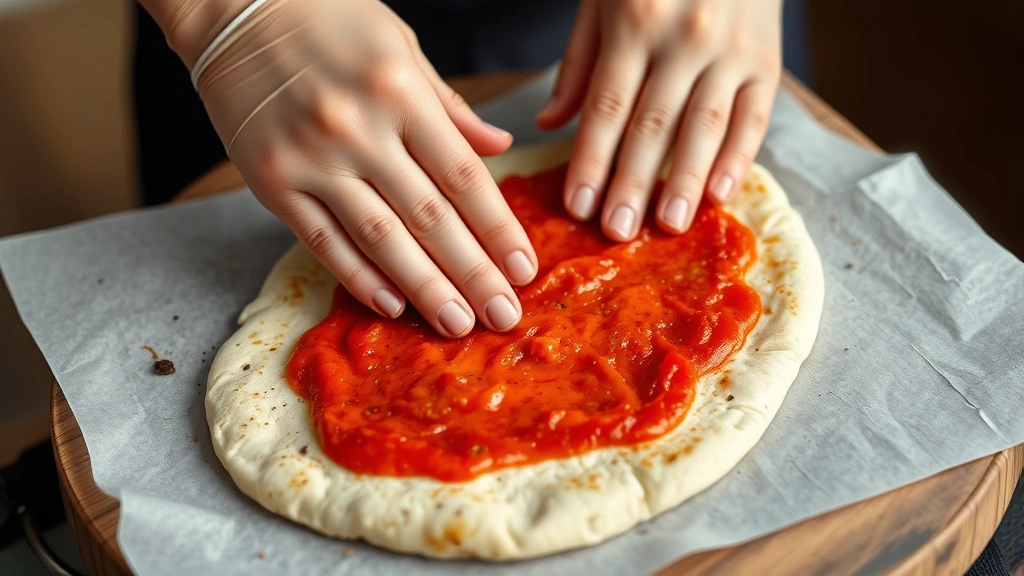
Application technique matters significantly. Rather than spreading sauce to the pizza’s edges, leave a half-inch border for optimal crust texture. Use approximately 2-3 tablespoons of sauce per flatbread pizza—less than you’d use for traditional pizza since the thin base can’t support excessive moisture. A light hand prevents sogginess while allowing other flavors to shine.
Alternative sauce bases expand your creative possibilities. Pesto provides herbal brightness and works beautifully with vegetables and lighter proteins. Ricotta mixed with lemon zest and garlic creates a creamy, sophisticated base. Barbecue sauce pairs excellently with smoked meats and caramelized onions. Hummus offers Mediterranean flair with roasted vegetables and feta. White sauce—a simple béchamel with nutmeg and gruyere—provides decadent richness reminiscent of classic French techniques.
Topping Strategy and Assembly
Professional assembly follows a specific sequence ensuring optimal flavor development and texture. After your par-baked flatbread reaches the assembly station, apply sauce first in a thin, even layer. Next, distribute your base cheese—typically low-moisture mozzarella—in a single layer covering approximately 80% of the surface, leaving that critical border.
Your protein layer comes next. If using cured meats like prosciutto, tear into bite-sized pieces rather than slicing uniformly, creating varied texture. Cooked proteins should be distributed evenly to ensure each bite includes protein. If proteins are cold, this step is perfectly fine since they’ll warm through during final cooking.
Fresh vegetables should be sliced uniformly and arranged thoughtfully. Thin onion slices, bell pepper strips, mushroom slices, and zucchini rounds cook more evenly than thick pieces. Consider pre-cooking vegetables that release significant moisture—mushrooms, zucchini, and eggplant benefit from quick sautéing before topping application. This removes excess water and concentrates flavors.
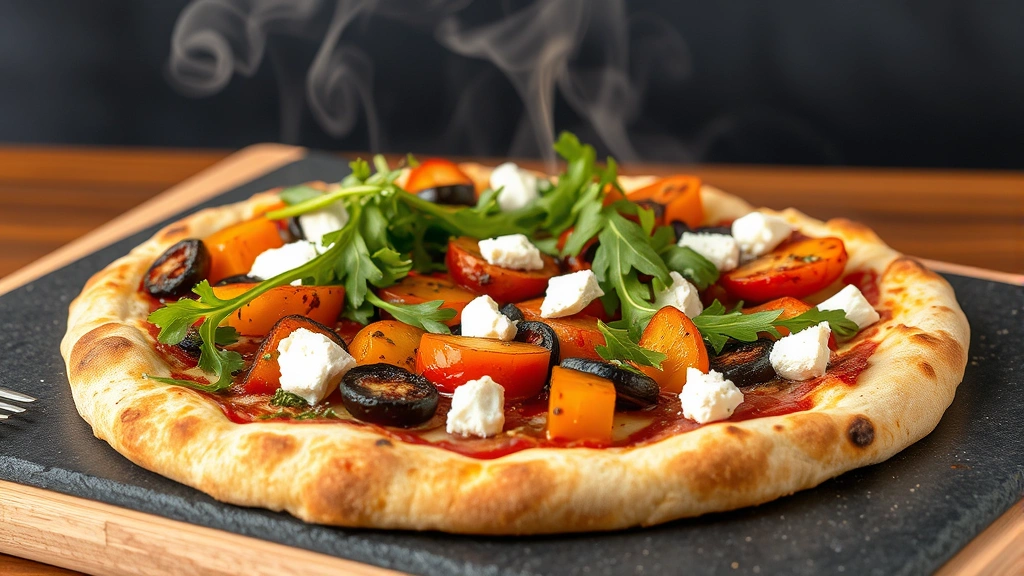
Fresh herbs and delicate ingredients belong on top, added either before final cooking or immediately after removal from heat. Fresh basil, arugula, and microgreens wilt beautifully from residual heat without overcooking. Crumbled goat cheese, dollops of ricotta, and fresh mozzarella pieces soften luxuriously without becoming rubbery. This layering approach prevents delicate ingredients from becoming scorched while maximizing their contribution to the final dish.
Cooking Techniques for Perfect Results
Temperature control represents the defining factor in flatbread pizza success. Professional chefs preheat their ovens to 425-450°F, ensuring the flatbread crisps while cheese melts and browns appropriately. A pizza stone or baking steel, preheated for at least 15 minutes, distributes heat evenly and creates superior crust texture compared to baking sheets.
Cooking time typically ranges from 8-12 minutes depending on your oven’s characteristics and topping density. Lighter toppings cook faster, while heavily loaded pizzas require additional time. The visual cue for doneness: cheese should be melted and beginning to brown at the edges, while the flatbread bottom achieves light golden color with slight char marks indicating proper crisping.
Stovetop cooking offers an alternative method favored by chefs with limited oven space. Heat a cast-iron skillet or heavy-bottomed pan over medium-high heat. Place your topped flatbread directly in the pan, cooking 4-5 minutes until the bottom achieves light browning. Transfer to a preheated broiler for 2-3 minutes, watching carefully, until cheese melts and browns. This method creates exceptional crust texture with a crispy exterior and tender interior.
Grilling techniques work beautifully for outdoor entertaining. Oil your grill grates thoroughly and heat to medium-high. Cook your par-baked flatbread directly on grates for 1-2 minutes until grill marks appear, then flip. Quickly add sauce, cheese, and toppings to the cooked side, cover the grill, and cook 3-4 minutes until cheese melts. The smoke infusion from grilling adds sophisticated depth impossible to achieve in ovens.
Chef Tips for Professional Outcomes
Moisture management separates exceptional flatbread pizzas from disappointing ones. Pat-dry all pre-cooked vegetables with paper towels before topping application. Use low-moisture mozzarella as your primary cheese to prevent weeping. If your sauce seems particularly wet, strain excess liquid through cheesecloth before application. These small details prevent soggy centers that undermine all other preparation efforts.
Temperature consistency ensures even cooking across your entire pizza. Remove all ingredients from refrigeration 15-20 minutes before assembly, allowing them to approach room temperature. Cold toppings create uneven cooking, with edges overdone while centers remain cool. This simple step requires no additional effort but dramatically improves results.
Quality ingredient selection elevates your final product noticeably. Premium mozzarella melts more smoothly than budget alternatives. San Marzano tomatoes produce superior sauce compared to standard varieties. Fresh herbs make dramatic differences in flavor intensity. While these ingredients cost slightly more, the improvement in your flatbread pizza recipe justifies the investment for regular preparation.
Seasoning layers throughout the cooking process prevent flat, one-dimensional flavors. Season your sauce appropriately before application. Add salt and pepper to cheese mixtures. Finish cooked pizzas with fresh cracked black pepper, fleur de sel, and fresh herb garnishes. This approach creates complex flavor profiles that taste restaurant-quality.
Variations and Creative Combinations
Your flatbread pizza recipe becomes a canvas for creative expression once you understand the fundamental technique. Consider pairing leftover steak with caramelized onions and blue cheese for a sophisticated steakhouse-inspired creation. Thinly sliced steak, cooled to room temperature, provides luxurious protein without requiring additional cooking.
Mediterranean-inspired versions feature roasted red peppers, kalamata olives, crumbled feta, and fresh oregano atop a light tomato sauce. The combination delivers bright, herbaceous flavors reminiscent of Greek cuisine. Add sun-dried tomatoes and pine nuts for additional texture and depth.
For entertaining, consider breakfast flatbread pizzas featuring scrambled eggs, crispy bacon, and sharp cheddar, perfect for brunch gatherings. A drizzle of truffle oil and fresh chives creates an elegant touch transforming breakfast into sophisticated entertaining.
Barbecue chicken flatbreads combine pulled or shredded chicken with smoky barbecue sauce, red onion, cilantro, and a dollop of sour cream after cooking. The contrast between smoky, spicy, and cool, creamy elements creates dynamic flavor complexity. This variation proves especially popular for casual entertaining and family dinners.
Vegetarian versions shine when composed thoughtfully. Roasted vegetables—zucchini, eggplant, bell peppers, and cherry tomatoes—combined with fresh mozzarella, pesto, and balsamic glaze create satisfying, restaurant-quality meals. The natural sweetness of roasted vegetables and the brightness of pesto provide depth that prevents vegetarian pizzas from feeling incomplete.
Seafood flatbreads offer sophisticated options for special occasions. Shrimp scampi-style pizzas feature garlic-butter shrimp, white wine reduction, fresh parmesan, and lemon zest. Smoked salmon versions with crème fraîche, capers, red onion, and fresh dill deliver elegant, refined flavors suitable for impressive entertaining.
Truffle variations elevate flatbread pizzas into luxury territory. A thin application of truffle oil drizzled after cooking, combined with wild mushrooms, gruyere, and fresh thyme, creates an indulgent experience. The earthy, complex truffle flavor transforms simple ingredients into something extraordinary without requiring elaborate techniques.
FAQ
Can I make flatbread pizza dough ahead of time?
Absolutely. Prepare your dough, wrap it tightly in plastic wrap, and refrigerate for up to 24 hours. Cold dough develops more complex flavors through extended fermentation. Remove from refrigeration 20 minutes before rolling to make handling easier. You can also freeze dough for up to three months—thaw overnight in the refrigerator before use.
What’s the difference between flatbread pizza and regular pizza?
Flatbread pizza uses thinner bases requiring less rising time, cooking faster and crisping more readily. Traditional pizza employs thicker, airier dough requiring extended fermentation. Flatbread pizzas suit quick weeknight preparation, while traditional pizzas suit patient bakers seeking deeper, more developed flavors and chewier texture.
How do I prevent my flatbread pizza from becoming soggy?
Par-bake your flatbread before adding toppings, pat-dry all vegetables, use low-moisture mozzarella, apply sauce sparingly, and avoid excessive fresh ingredients that release moisture. These techniques ensure crispy, structurally sound pizzas regardless of topping choices.
Can I cook flatbread pizza on a regular baking sheet?
Yes, though results improve significantly with a preheated pizza stone or steel. If using baking sheets, preheat thoroughly and place on the lowest oven rack to maximize bottom heat exposure. Increase cooking time by 2-3 minutes to ensure proper crisping.
What temperature should my oven be?
Professional chefs recommend 425-450°F for optimal results. This temperature range allows cheese to melt and brown while the flatbread crisps without burning. Convection settings reduce cooking time by approximately 25%, requiring careful monitoring to prevent overcooking.
How long does flatbread pizza keep as leftovers?
Properly stored in airtight containers, flatbread pizza maintains quality for 3-4 days in the refrigerator. Reheat in a 350°F oven for 5-7 minutes until warmed through, preserving crust texture better than microwaving. Cold flatbread pizza makes excellent next-day lunch options.


