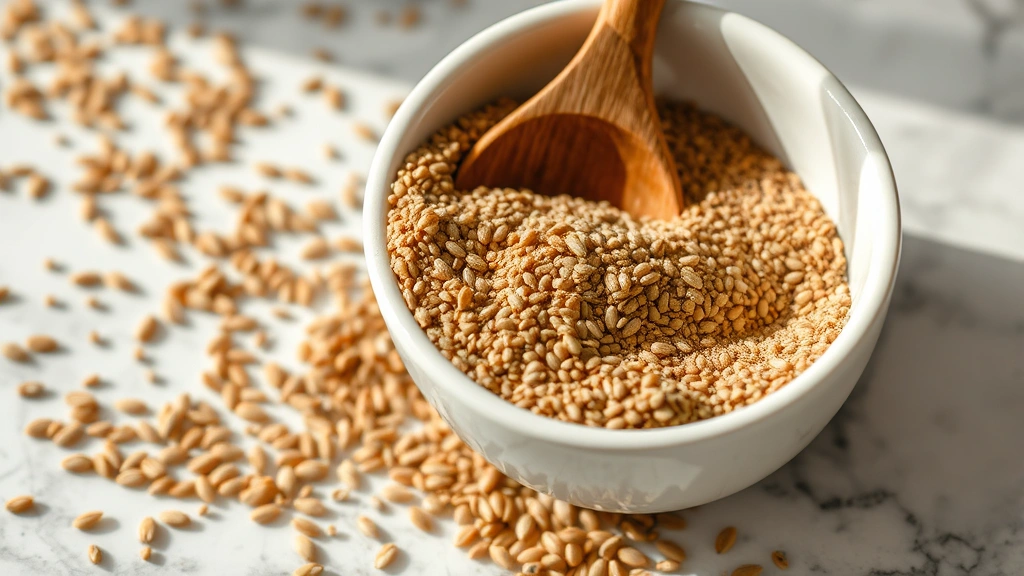
Flax Egg Recipe: The Ultimate Vegan Baking Essential
If you’re navigating the world of vegan baking, you’ve likely encountered the term “flax egg” more than once. This simple yet ingenious substitute has revolutionized plant-based cooking by providing a reliable binding agent that mimics the function of traditional eggs. Whether you’re baking cookies, brownies, pancakes, or bread, understanding how to make and use flax eggs is essential for creating moisture-rich, structurally sound baked goods.
Flax eggs are created by combining ground flaxseed with water, resulting in a gelatinous mixture that acts as a binder in recipes. The magic happens when the soluble fiber in flaxseeds absorbs liquid and creates a thick, egg-like consistency. This simple transformation opens doors to countless vegan desserts and breakfast treats that would otherwise be impossible to achieve without animal products. In this comprehensive guide, we’ll explore everything you need to know about flax egg recipes, from basic preparation to advanced baking applications.
What Exactly Is a Flax Egg?
A flax egg is a plant-based egg substitute made from ground flaxseed and water. The primary component, flaxseed, comes from the flax plant and contains high levels of soluble fiber and omega-3 fatty acids. When ground flaxseed combines with liquid, it develops a mucilaginous (gel-like) texture that serves multiple functions in baking.
The science behind flax eggs is straightforward yet effective. Flaxseeds contain compounds called lignans and mucilage, which create a binding effect when hydrated. This binding property allows flax eggs to hold ingredients together, add moisture to baked goods, and create a structure similar to what eggs would provide. Unlike eggs, however, flax eggs don’t provide the same leavening effect, so recipes may require additional rising agents like baking powder or baking soda.
Nutritionally, flax eggs offer impressive benefits. They’re rich in omega-3 fatty acids, dietary fiber, and lignans—compounds with potential antioxidant properties. A single flax egg contains approximately 55 calories and provides roughly 1.5 grams of protein, making them a nutrient-dense alternative to traditional eggs. This makes flax eggs particularly valuable for those following vegan diets or managing egg allergies.

Basic Flax Egg Recipe
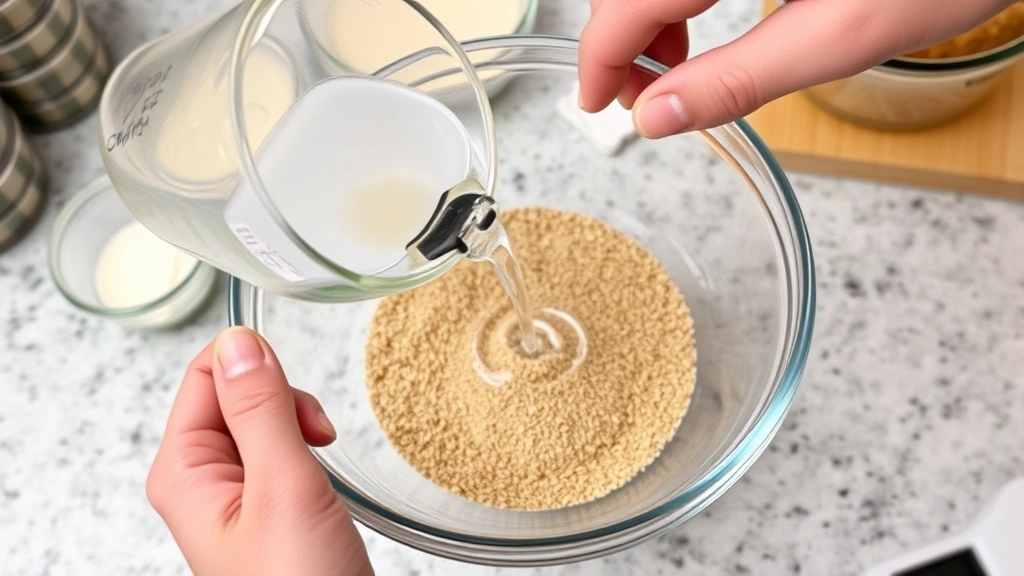
Creating a flax egg is remarkably simple and requires just two ingredients: ground flaxseed and water. The standard ratio is 1 tablespoon of ground flaxseed to 3 tablespoons of water, which creates one flax egg equivalent to one large chicken egg in binding power.
- Measure your ingredients: Start with 1 tablespoon of ground flaxseed (also called flax meal). Ensure it’s finely ground; whole flaxseeds won’t hydrate properly and won’t create the desired gel consistency.
- Add water: Pour 3 tablespoons of room-temperature or cool water into a small bowl or cup. Avoid hot water, as excessive heat can damage some of flaxseed’s nutritional properties.
- Mix thoroughly: Combine the ground flaxseed and water, stirring well to eliminate lumps. Use a fork or small whisk to ensure even distribution.
- Let it sit: Allow the mixture to rest for 5-15 minutes at room temperature. During this time, the flaxseed will absorb the water and develop its characteristic gel texture. The longer it sits, the thicker it becomes.
- Stir again: Before using, give the flax egg another quick stir to ensure consistency throughout.
This basic recipe can be scaled up or down depending on your baking needs. For multiple flax eggs, simply multiply the amounts accordingly. If you’re making a recipe that calls for three eggs, you’ll need 3 tablespoons of ground flaxseed and 9 tablespoons of water.
How to Use Flax Eggs in Baking
Understanding how to properly incorporate flax eggs into recipes is crucial for baking success. Flax eggs function differently than traditional eggs in several important ways, and recognizing these differences ensures your baked goods turn out perfectly every time.
Binding and moisture: Flax eggs excel at holding dry ingredients together and adding moisture to baked goods. They work particularly well in recipes that don’t require significant rising or leavening. Dense cakes, brownies, cookies, and quick breads respond beautifully to flax egg substitution.
Substitution ratios: One prepared flax egg replaces one large chicken egg in most recipes. However, if your recipe relies heavily on eggs for structure (like angel food cake or soufflé), flax eggs may not provide adequate results. For recipes calling for 1-2 eggs, flax eggs work excellently. For recipes with 3 or more eggs, you may need to adjust other ingredients or combine flax eggs with additional binders.
Adjusting liquid content: Since flax eggs add moisture to recipes, you may need to reduce other liquid ingredients slightly. If your recipe calls for 1 cup of milk and 2 eggs, try using 3/4 cup of milk when substituting with flax eggs. This prevents your baked goods from becoming too wet or dense.
When preparing homemade bread, flax eggs can strengthen the dough structure and add nutritional value. They’re particularly useful in vegan sandwich breads and enriched doughs that benefit from added moisture and binding power.
Best Baking Applications
Flax eggs shine in specific baking applications where their properties align perfectly with recipe requirements. Understanding which applications work best helps you achieve consistent, delicious results.
Brownies and chocolate cakes: These dense, moist baked goods are ideal candidates for flax egg substitution. The moisture that flax eggs provide prevents these treats from becoming dry, while the binding power creates a fudgy, cohesive texture. Chocolate flavors also mask any subtle nutty undertones that flaxseed might impart.
Cookies: Most cookie recipes work wonderfully with flax eggs. Whether you’re making chocolate chip cookies, oatmeal raisin, or peanut butter varieties, flax eggs hold the dough together effectively. The cookies may spread slightly more than traditional versions, so you might need to refrigerate the dough longer before baking.
Muffins and quick breads: Banana bread, zucchini bread, pumpkin bread, and similar quick breads benefit tremendously from flax egg substitution. These recipes already contain significant moisture and flavor, making flax eggs an ideal replacement. The result is tender, moist bread with excellent crumb structure.
Pancakes and waffles: Flax eggs create wonderfully tender pancakes and waffles with a slight nutty undertone. They help bind the batter while maintaining a light, fluffy texture when combined with proper leavening agents. For breakfast applications, flax eggs also boost the nutritional profile significantly.
Vegan desserts: When creating vegetarian baking projects, flax eggs are indispensable. They work in vegan brownies, cakes, cookies, and custard-based desserts where plant-based ingredients are essential.
Applications to avoid: Flax eggs don’t work well in recipes requiring significant leavening without additional help, such as sponge cakes or angel food cakes. They’re also less suitable for recipes where eggs provide primary structure, like certain custards or meringues. In these cases, combining flax eggs with other binders or using alternative substitutes may be necessary.
Storage and Preparation Tips
Proper storage and preparation of flax eggs ensures you always have this ingredient ready when inspiration strikes.
Storing ground flaxseed: Ground flaxseed oxidizes quickly when exposed to air and light, so proper storage is essential. Keep ground flaxseed in an airtwhole container in your refrigerator or freezer. In the refrigerator, ground flaxseed stays fresh for approximately 2-3 months. In the freezer, it maintains quality for up to 6 months. Always check for any off smells before using.
Preparing flax eggs in advance: While flax eggs are best used immediately after preparation, you can make them up to 24 hours ahead. Store prepared flax eggs in an airtight container in the refrigerator. Before using, stir well and add a few drops of water if the mixture has become too thick.
Batch preparation: For regular bakers, consider preparing flax eggs in batches. Mix multiple flax eggs together in a jar and refrigerate. You’ll have them ready whenever a recipe calls for them. This method saves time and ensures consistency in your baking projects.
Temperature considerations: Always use room-temperature or cool water when preparing flax eggs. Hot water can damage some of the nutritional compounds in flaxseed. Room-temperature water allows proper hydration and gel formation without heat damage.
Grinding your own flaxseeds: For maximum freshness, purchase whole flaxseeds and grind them yourself using a coffee grinder or food processor. Freshly ground flaxseed has superior nutritional content and binding power compared to pre-ground versions. Grind only what you need, as whole flaxseeds store longer than ground versions.
Troubleshooting Common Issues
Even experienced bakers encounter challenges when working with flax eggs. Understanding common problems and their solutions helps you troubleshoot effectively.
Mixture too thick or too thin: If your flax egg mixture is too thick, add water in small increments (1/2 teaspoon at a time) until reaching the desired consistency. If it’s too thin, wait longer for hydration or add more ground flaxseed. Remember that the mixture will continue thickening as it sits.
Baked goods too dense: Overly dense baked goods often result from using too much flax egg or not adjusting leavening agents. Ensure you’re using the correct ratio (1 tablespoon ground flaxseed to 3 tablespoons water per egg equivalent). If your recipe uses multiple eggs, consider adding extra baking powder or baking soda to compensate for reduced leavening.
Baked goods too dry: Conversely, if your baked goods turn out dry, you may have reduced liquid too aggressively. Flax eggs add significant moisture, but you shouldn’t eliminate all other liquids. Start by reducing other liquids by only 25%, then adjust in future batches based on results.
Nutty flavor too pronounced: Some people detect a subtle nutty flavor in baked goods made with flax eggs. This is normal and typically unnoticeable in chocolate-based recipes. For recipes where you want to minimize this flavor, use less flaxseed or mask it with strong flavors like vanilla, cinnamon, or cocoa.
Cookies spreading too much: If your cookies spread excessively, refrigerate the dough for 30-60 minutes before baking. Flax egg doughs sometimes spread more than traditional doughs due to increased moisture. Chilling allows the dough to firm up and bake more evenly.
Texture issues: If your baked goods have a slightly grainy texture, ensure you’re using finely ground flaxseed (flax meal), not whole flaxseeds. Whole flaxseeds won’t hydrate properly and create an undesirable texture. Additionally, ensure thorough mixing to eliminate lumps in the flax egg mixture.
For more comprehensive baking guidance, explore resources like King Arthur Baking Company, which offers extensive baking science information and troubleshooting guides. You might also find Serious Eats helpful for understanding the chemistry behind ingredient substitutions.
FAQ
Can I use whole flaxseeds instead of ground flaxseed?
No, whole flaxseeds won’t hydrate properly and won’t create the gel consistency needed for binding. Always use ground flaxseed (also called flax meal) or grind whole seeds yourself immediately before use.
How long does a prepared flax egg last?
Prepared flax eggs are best used immediately but can be refrigerated for up to 24 hours. Stir well before using and add a few drops of water if the mixture has thickened considerably.
Can I use flax eggs in every recipe that calls for eggs?
Flax eggs work best in recipes calling for 1-2 eggs and in recipes where eggs primarily provide binding and moisture. They don’t work well in recipes requiring significant leavening or where eggs provide primary structure, like angel food cake.
Do flax eggs taste like flaxseed?
In most recipes, the flaxseed flavor is subtle or unnoticeable, especially in chocolate-based treats. In lighter-flavored recipes, you might detect a subtle nutty undertone, which most people find pleasant.
Are flax eggs nutritionally superior to regular eggs?
Flax eggs and regular eggs have different nutritional profiles. Flax eggs provide more fiber and omega-3 fatty acids, while regular eggs contain more complete protein and choline. Both are nutritious choices; the best option depends on your dietary needs and preferences.
Can I freeze flax eggs?
Yes, you can freeze prepared flax eggs in ice cube trays. Once frozen, transfer them to freezer bags for long-term storage. Thaw at room temperature before using, and stir well as separation may occur.
What’s the difference between flax eggs and chia eggs?
Both work similarly as binders, using the ratio of 1 tablespoon ground seeds to 3 tablespoons water per egg. Chia eggs hydrate slightly faster (3-5 minutes versus 5-15 minutes for flax) and have a milder flavor. Either works as a substitute for the other.
Why did my flax egg recipe fail?
Common reasons include using whole instead of ground flaxseed, not allowing adequate hydration time, using hot water, or not adjusting other recipe ingredients for the added moisture. Review the troubleshooting section for specific solutions based on your results.
Mastering flax egg recipes opens endless possibilities for vegan baking. Whether you’re preparing simple baked treats or elaborate desserts, understanding this essential ingredient ensures consistent, delicious results. Combine your flax egg knowledge with skills like sauce preparation to create complete vegan meals that satisfy every craving. Start experimenting with flax eggs today and discover why they’ve become indispensable in modern plant-based kitchens.


