French Dressing Recipe: Grandma’s Secret
French dressing holds a special place in American culinary tradition, though it bears little resemblance to what the French actually serve. This tangy, slightly sweet vinaigrette has graced salad bowls and appetizer platters for generations, and today we’re unveiling the closely guarded recipe that made Grandma’s kitchen legendary. The beauty of this classic condiment lies in its simplicity—just a handful of pantry staples transform into something that elevates everything from garden greens to hanky panky appetizers.
What makes a French dressing truly special isn’t complicated chemistry or exotic ingredients. It’s understanding the perfect balance between acid and oil, knowing when to add sweetness, and mastering the emulsification technique that gives it that signature creamy texture without cream. Grandma understood these principles intuitively, adjusting ratios by feel and taste rather than strict measurements. Now, we’ll break down her secrets into clear, reproducible steps so you can recreate that nostalgic magic in your own kitchen.
What Is French Dressing
French dressing represents a distinctly American interpretation of vinaigrette, characterized by its emulsified, creamy consistency and subtly sweet flavor profile. Unlike classic French vinaigrette, which remains thin and oil-based, French dressing achieves its body through emulsification—the process of suspending oil droplets throughout the vinegar base. This technique creates a pourable yet coating consistency that clings beautifully to salad leaves and vegetables.
The history of French dressing in America traces back to the early 20th century when it became a staple in American diners and home kitchens. Grandmothers across the nation developed their own versions, each adding personal touches that reflected family preferences and available ingredients. The dressing’s versatility made it indispensable—equally at home on a simple iceberg lettuce salad or as a dipping sauce for corn dip recipes and vegetable platters.
Understanding what makes French dressing different from other vinaigrettes helps you appreciate why Grandma’s version works so well. The emulsification process requires patience and technique, but the reward is a dressing that coats evenly and tastes consistently delicious throughout storage.
Ingredients You’ll Need
Grandma’s French dressing recipe relies on just seven core ingredients, each playing a crucial role in the final result:
- Vegetable Oil: One cup forms the foundation. Grandma preferred neutral oils like canola or vegetable oil because they don’t compete with other flavors.
- Apple Cider Vinegar: Half cup provides the tangy backbone. Some grandmothers substituted white vinegar, but apple cider vinegar adds subtle depth.
- Tomato Sauce: One-quarter cup contributes color, body, and umami richness. This ingredient distinguishes French dressing from simpler vinaigrettes.
- Sugar: Two tablespoons balance the acidity with gentle sweetness—the hallmark of classic French dressing.
- Salt: One teaspoon enhances all flavors and aids emulsification.
- Paprika: One teaspoon adds warmth and a subtle smoky note.
- Garlic Powder: Half teaspoon provides savory depth without overwhelming the palate.
Optional additions that Grandma sometimes included: dry mustard powder (one-quarter teaspoon), Worcestershire sauce (one-quarter teaspoon), or a pinch of cayenne pepper for those who enjoyed gentle heat. These modifications allowed her to customize the dressing for different meals and preferences.
Step-by-Step Instructions
The process of making French dressing requires attention to detail, but nothing difficult. Grandma’s method emphasized patience and proper technique:
- Combine Dry Ingredients: In a medium mixing bowl, whisk together salt, paprika, garlic powder, and any optional spices. This ensures even distribution throughout the dressing.
- Add Wet Ingredients: Pour the apple cider vinegar, tomato sauce, and sugar into the bowl with your dry ingredients. Whisk thoroughly until the sugar dissolves completely and the mixture becomes smooth.
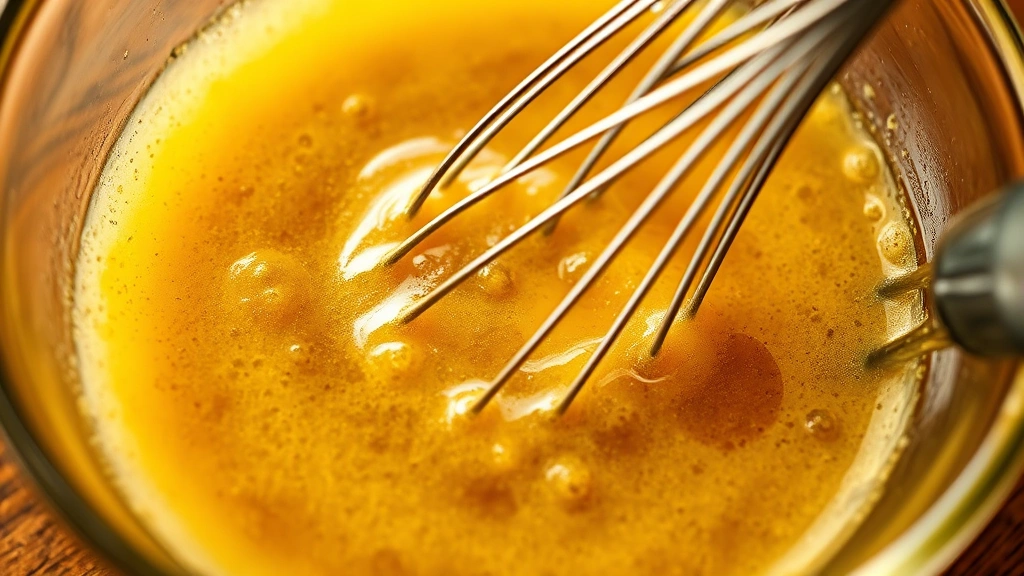
- Begin Emulsification: Here’s where Grandma’s technique shines. While whisking constantly, add the oil very slowly—just a few drops at first. This gradual incorporation allows the vinegar base to absorb the oil droplets, creating emulsion rather than separation.
- Continue Whisking: As the mixture begins to thicken and darken slightly, continue adding oil in a thin stream while maintaining vigorous whisking. This stage typically takes 3-5 minutes of continuous effort.
- Test Consistency: The dressing should reach a consistency similar to thin mayonnaise—creamy enough to coat a spoon but pourable enough to drizzle. If it becomes too thick, whisk in additional vinegar one teaspoon at a time.
- Final Taste Adjustment: Taste your creation. Does it need more sweetness? Add sugar one-quarter teaspoon at a time. Too tangy? Increase oil slightly. This final adjustment step is where Grandma’s intuition made all the difference.
Grandma’s Pro Tips
After decades of dressing-making, Grandma developed insights that transformed good recipes into exceptional ones:
Temperature Matters: Room-temperature ingredients emulsify more readily than cold ones. Grandma removed her vinegar and oil from cool storage areas 15 minutes before making dressing. This small step significantly improved success rates.
Whisking Technique: The motion matters as much as the persistence. Use a fork or whisk with smaller tines rather than large balloon whisks—they incorporate air more efficiently and create better emulsion. Grandma’s wrist moved in small, rapid circles rather than large sweeping motions.
The Oil Addition Method: This cannot be overstated. Rushing oil addition causes the emulsion to break, resulting in separated, watery dressing. Grandma poured oil with her non-dominant hand while whisking with the dominant hand, never adding more than a thin stream. Patience here determines success.
Tomato Sauce Selection: Grandma used plain tomato sauce without added garlic, spices, or herbs. This gave her complete control over flavors. She avoided tomato paste (too concentrated) and canned tomatoes with chunks (inconsistent texture).
Vinegar Preference: While apple cider vinegar was her default, Grandma experimented seasonally. In summer, white vinegar made lighter, brighter dressing perfect for delicate greens. In winter, she occasionally added a splash of balsamic vinegar for deeper complexity.
Preventing Separation: If your dressing breaks during preparation, don’t panic. Start fresh with a clean bowl, add one tablespoon of water, then slowly whisk in the separated dressing a teaspoon at a time. This often restores emulsion.
Variations and Customizations
While Grandma’s classic recipe remained her go-to, she enjoyed creating variations for specific purposes. This flexibility kept her dressing exciting after decades of use.
Herbed French Dressing: Add one-quarter teaspoon each of dried oregano, dried basil, and dried thyme along with the dry ingredients. This version pairs beautifully with Italian sub recipes and Mediterranean salads.
Spicy Version: Increase cayenne pepper to one-quarter teaspoon and add one-eighth teaspoon of hot sauce powder or dried chili flakes. This variation appealed to family members who enjoyed heat.
Honey French Dressing: Replace sugar with two tablespoons of honey for a rounder, more complex sweetness. Honey also aids emulsification due to its viscosity.
Mustard-Enhanced Dressing: Add one teaspoon of Dijon mustard to the wet ingredients before oil addition. Mustard acts as a natural emulsifier, making the process easier and creating a more stable final product.
Roasted Garlic Version: Roast one garlic clove until soft, then mash it into the vinegar mixture before oil addition. This creates deeper, more sophisticated garlic flavor than powder alone.
Lighter Oil Version: For best healthy food recipes, reduce oil to three-quarters cup and add two tablespoons of water. This maintains texture while reducing fat content.
Storage and Shelf Life
Proper storage extends your French dressing’s life and maintains quality. Grandma followed these storage principles religiously:
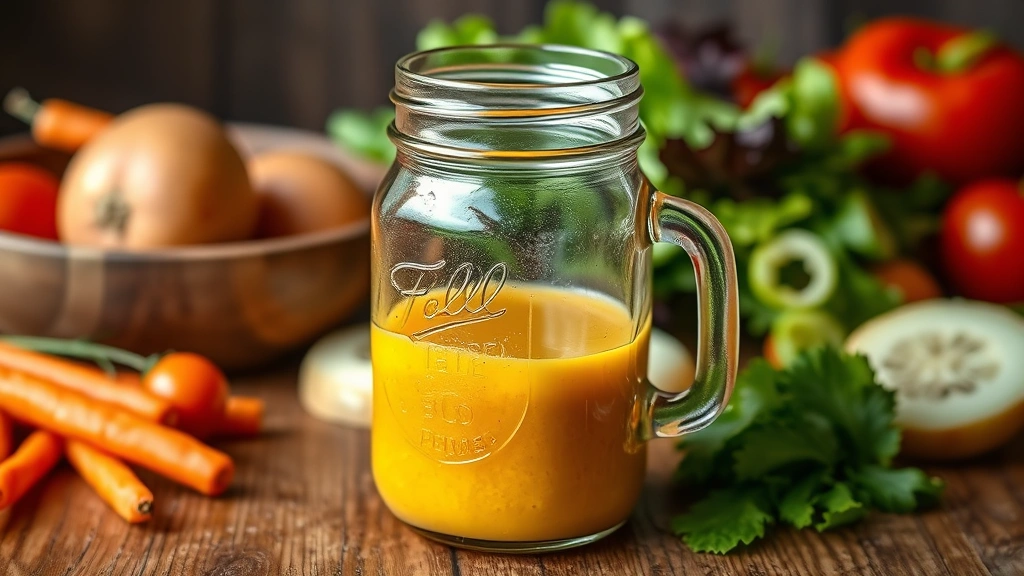
Container Selection: Glass jars with tight-sealing lids worked best. Grandma preferred wide-mouth mason jars because they were easy to fill, clean, and shake before use. Avoid plastic containers, which can absorb oil and vinegar flavors over time.
Refrigeration Requirements: Store finished dressing in the refrigerator, where it keeps for 10-14 days. The cool temperature slows oxidation and prevents bacterial growth.
Separation During Storage: Some separation is normal—oil may rise to the top over time. This doesn’t indicate spoilage; simply shake the jar vigorously for 30 seconds before each use to re-emulsify.
Recognizing Spoilage: Discard dressing if it develops an off smell, shows visible mold, or tastes noticeably different from fresh batches. These signs indicate bacterial growth or oxidation.
Extended Storage: If you want dressing to last longer, add one-quarter teaspoon of xanthan gum to the dry ingredients. This natural thickener stabilizes emulsion and extends shelf life to 3 weeks.
Serving Suggestions
Grandma’s French dressing shone in numerous applications beyond simple salads. Her creativity with serving suggestions inspired family meals for generations.
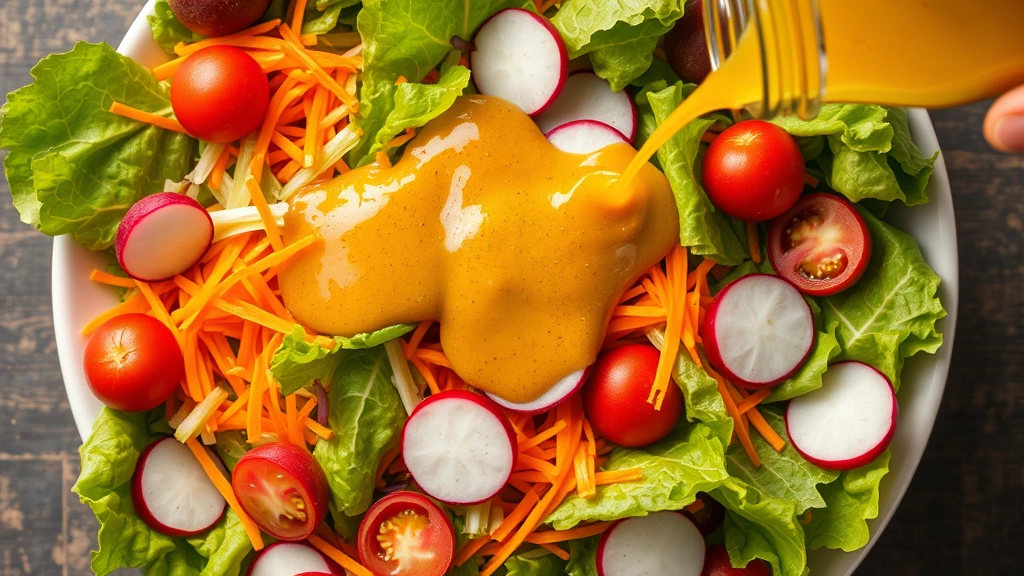
Traditional Salads: Toss with iceberg lettuce, shredded carrots, and sliced radishes for the classic preparation. This simple combination lets the dressing shine without competing flavors.
Composed Salads: Arrange lettuce on a plate, then top with hard-boiled eggs, bacon bits, tomato wedges, and shredded cheese. Drizzle dressing over the top and serve.
Vegetable Platters: Use as a dipping sauce for raw vegetables at parties. Its creamy consistency makes it perfect for dunking carrots, celery, bell peppers, and cherry tomatoes.
Sandwich Spread: Thin the dressing slightly with water to spreadable consistency, then use on sandwiches and wraps. It adds flavor without the heaviness of mayonnaise.
Appetizer Enhancement: Drizzle over street tacos recipe variations or use as a dipping sauce for fried appetizers. The acidity cuts through richness beautifully.
Marinating Base: Mix dressing with an equal part of water to create a marinade for chicken, pork, or vegetables. The vinegar and oil penetrate proteins while adding flavor complexity.
Quick Breakfast Enhancement: For quick breakfast recipes, drizzle over scrambled eggs or use as a dip for breakfast vegetables.
FAQ
Why won’t my French dressing emulsify?
The most common reason is adding oil too quickly. Emulsification requires time—the vinegar base needs to absorb each oil droplet gradually. Additionally, ensure all ingredients are at room temperature; cold ingredients resist emulsification. If separation occurs mid-preparation, start over with a clean bowl and add the separated mixture back slowly while whisking a clean base.
Can I make French dressing without tomato sauce?
Yes, though the result differs from traditional French dressing. Substitute tomato sauce with one-quarter teaspoon of tomato powder mixed with one tablespoon of water, or use a tablespoon of ketchup. These alternatives provide color and umami, though they may add slight sweetness requiring adjustment of sugar content.
Is French dressing healthier than ranch dressing?
French dressing contains less saturated fat than ranch because it lacks dairy ingredients. However, both contain similar oil quantities. For healthier options, reduce oil to three-quarters cup and add water to maintain consistency. The tangy, vinegar-forward profile of French dressing makes it naturally lighter-tasting than creamy ranch.
How do I fix separated French dressing?
If your finished dressing separates, place one tablespoon of water in a clean bowl and slowly whisk in the separated dressing one teaspoon at a time. The water acts as a new emulsion base, allowing the oil and vinegar to recombine. This technique works approximately 70% of the time.
Can I substitute apple cider vinegar with other vinegars?
Absolutely. White vinegar creates a sharper, more acidic dressing. Red wine vinegar adds subtle fruitiness. Balsamic vinegar darkens the color and adds complexity. Experiment with different vinegars to find your preference, though you may need to adjust sugar slightly to balance acidity changes.
Why is my dressing too thin or too thick?
Thickness depends on oil-to-vinegar ratio and emulsification success. If too thin, whisk in additional oil one teaspoon at a time. If too thick, add vinegar or water one teaspoon at a time. Remember that dressing thickens slightly during refrigeration as emulsion stabilizes.
How long does homemade French dressing last?
Properly stored in a sealed glass container in the refrigerator, French dressing lasts 10-14 days. The vinegar and salt act as preservatives, but the oil can eventually oxidize. Adding xanthan gum extends shelf life to approximately three weeks without significantly altering taste or texture.


