Fresas con Crema Recipe: Grandma’s Secret to Perfect Strawberries and Cream
There’s something magical about fresas con crema—a classic Mexican dessert that transforms simple strawberries into something utterly sublime. This beloved treat, passed down through generations of Mexican families, combines fresh ripe strawberries with a luscious cream topping that’s equal parts elegant and comforting. My grandmother guarded her recipe like a family heirloom, and today I’m sharing the secrets that make this dessert truly exceptional.
What makes this dish so special isn’t just the ingredients—it’s the technique, the quality of produce, and the love baked into every layer. Whether you’re preparing this for a Sunday family gathering or an elegant dinner party, fresas con crema delivers restaurant-quality results that will have your guests asking for the recipe. The beauty of this dessert lies in its simplicity: fresh strawberries, sweetened cream, and a few carefully chosen ingredients create magic on the plate.
Unlike complicated desserts that require hours of preparation, this traditional Mexican favorite can be assembled in minutes, yet it tastes like you’ve spent all day in the kitchen. It’s the perfect dessert for those who want to impress without stress, and it pairs beautifully with quick breakfast recipes or stands alone as an elegant finale to any meal.
Understanding Fresas con Crema: A Mexican Tradition
Fresas con crema is more than just strawberries and cream—it’s a cultural staple that represents Mexican hospitality and family traditions. The dish originated in Mexico, where fresh strawberries grow abundantly in regions like Michoacán and Guanajuato. During strawberry season, families celebrate with this simple yet sophisticated dessert that showcases the fruit’s natural sweetness.
The traditional preparation method involves selecting peak-season strawberries, macerating them with sugar to release their juices, and topping them with a rich, velvety cream. The cream component is where grandmothers have historically kept their secrets—some use heavy whipping cream, others incorporate sweetened condensed milk, and the most traditional recipes feature crema mexicana, a cultured cream with a tangy flavor profile that’s distinctly different from American heavy cream.
Understanding the history and cultural significance of this dish helps you appreciate why each element matters. When you make fresas con crema, you’re honoring generations of culinary tradition while creating new memories with your own family. This dessert bridges the gap between best healthy food recipes and indulgent treats, as fresh strawberries provide natural sweetness and nutritional benefits.
Essential Ingredients and Substitutions
The magic of fresas con crema begins with selecting the right ingredients. While the ingredient list is short, quality matters tremendously. Here’s what you’ll need:
- Fresh Strawberries: 2 pounds of ripe, fragrant strawberries—look for deep red color and sweet aroma. Avoid large, pale berries that lack flavor.
- Sugar: ½ cup granulated sugar for macerating berries, plus additional sugar for the cream
- Heavy Whipping Cream: 2 cups, cold
- Sweetened Condensed Milk: ½ cup (this is the secret ingredient many grandmothers use)
- Vanilla Extract: 1 teaspoon pure vanilla, not imitation
- Lime or Lemon Juice: ½ teaspoon, freshly squeezed
- Salt: A pinch of sea salt to enhance flavors
Ingredient Substitutions: If you can’t find sweetened condensed milk, substitute with ¼ cup powdered sugar mixed into the heavy cream. For those avoiding dairy, coconut cream creates an acceptable alternative, though the flavor profile changes. Some cooks prefer crema mexicana instead of heavy cream—this cultured cream adds tanginess that’s authentically Mexican.
The citrus element is crucial; it brightens the cream and prevents the dessert from becoming cloying. Lime juice is traditional in Mexico, but lemon works beautifully too. Never skip this ingredient, as it’s the secret that makes people say, “I can’t quite identify what makes this taste so good.”
Grandma’s Secret Techniques
My grandmother taught me that technique separates good fresas con crema from extraordinary versions. Here are her secrets:
The Maceration Method: Never skip the step of macerating strawberries with sugar. This process, which takes 30-60 minutes, draws out the berries’ natural juices and intensifies their flavor. Slice your strawberries, toss with ½ cup sugar, and let them sit at room temperature. The berries will release a beautiful crimson syrup that becomes part of the final dish. Grandmother always said, “Patience with the berries is patience with flavor.”
Temperature Control: Keep all cream ingredients cold. Chill your mixing bowl and beaters for at least 30 minutes before whipping cream. Cold temperatures create more stable peaks and prevent the cream from becoming butter. Grandma kept her mixing bowl in the freezer between uses.
The Whipping Technique: Begin whipping cream on medium speed, not high. High speed incorporates too much air and can cause overwhipping. Watch carefully as soft peaks form—this is the ideal texture for folding in sweetened condensed milk and vanilla. Stop whipping as soon as stiff peaks form; one extra minute of beating can ruin the texture.
Flavor Layering: Grandma always tasted her cream mixture before serving and adjusted sweetness and vanilla accordingly. She’d say, “Taste as you go—your palate is your best guide.” Add vanilla gradually, as a little goes a long way. The lime juice should be a whisper, not a shout.
These techniques transform basic ingredients into something that tastes like it required hours of work, when in reality, most of the time is passive maceration. This approach aligns with preparing healthy dessert recipes that don’t sacrifice flavor for nutrition.
Step-by-Step Preparation Guide
Step 1: Prepare the Strawberries
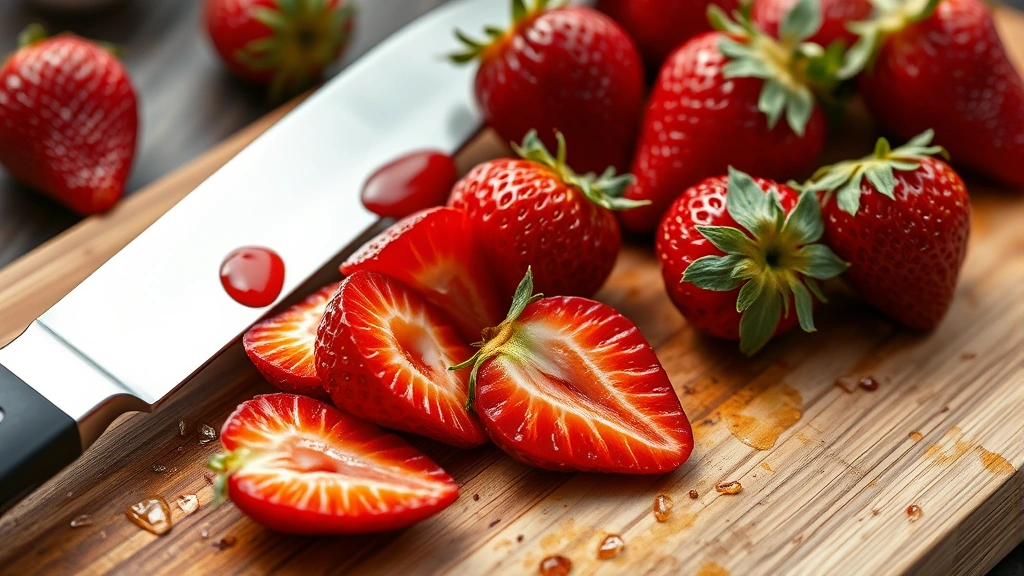
Rinse fresh strawberries under cool running water and pat dry thoroughly with paper towels. Moisture on the berries will dilute the maceration liquid. Remove the green hulls by cutting at an angle with a sharp knife. Slice berries into uniform ¼-inch thick pieces—uniformity ensures even maceration and better presentation. Place sliced strawberries in a large glass or ceramic bowl (avoid metal, which can react with the fruit’s acids).
Step 2: Macerate the Strawberries
Sprinkle ½ cup granulated sugar over the sliced strawberries. Gently toss with a rubber spatula, being careful not to crush the berries. Cover the bowl with plastic wrap and let sit at room temperature for 45-60 minutes. During this time, the strawberries will release their juices and become infused with sugar. You’ll see a beautiful ruby-colored liquid collect at the bottom of the bowl—this is liquid gold for your dessert.
Step 3: Prepare the Cream Base
While strawberries macerate, pour 2 cups of cold heavy whipping cream into a chilled mixing bowl. Begin whipping on medium speed. After 2-3 minutes, soft peaks will form—the cream holds its shape but peaks curl over when you lift the beaters. At this point, add ½ cup sweetened condensed milk, 1 teaspoon vanilla extract, and ½ teaspoon fresh lime juice.
Step 4: Achieve Perfect Peaks
Continue whipping on medium speed for another 1-2 minutes until stiff peaks form. The cream should be thick enough to hold its shape but still have a silky texture. You should be able to draw peaks that stand straight up. Taste the cream and adjust vanilla or sweetness if needed. Remember that the strawberries contribute natural sweetness, so the cream shouldn’t be overly sweet on its own.
Step 5: Combine and Chill
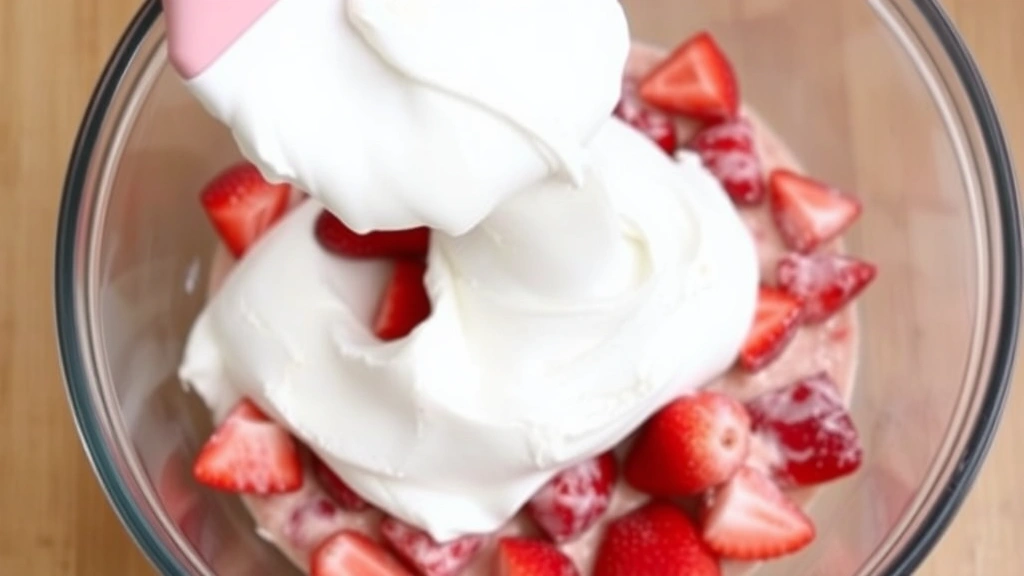
Reserve about ⅓ of the macerated strawberries with their juices in a separate container. Gently fold the remaining ⅔ of strawberries and their liquid into the whipped cream using a rubber spatula. Use a folding motion—cutting down through the middle, across the bottom, and up the side—rather than stirring, which deflates the cream. The goal is to maintain the light, airy texture while distributing the berries evenly.
Step 6: Final Assembly
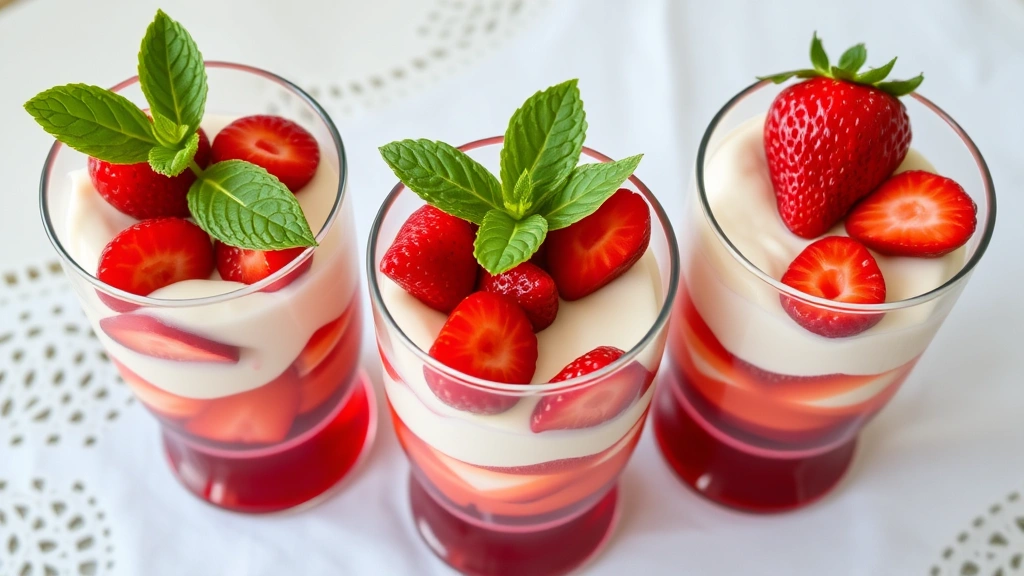
Divide the strawberry-cream mixture among serving glasses, bowls, or plates. Top each portion with a spoonful of the reserved fresh strawberries and their juices. This creates a beautiful contrast of textures—creamy underneath, fresh berries on top. Serve immediately, or chill for up to 2 hours before serving.
Presentation and Serving Suggestions
Presentation elevates fresas con crema from everyday dessert to restaurant-quality finale. Here are grandma’s presentation secrets:
Glassware Choices: Serve in clear glasses or bowls so the beautiful layers are visible. Martini glasses, wine glasses, or dessert bowls all work beautifully. The visual appeal of ruby-red strawberries against white cream is part of the dish’s charm.
Garnishing Techniques: Top each serving with a perfect whole strawberry, a small mint leaf, or a light dusting of finely grated lime zest. Some cooks add a delicate almond cookie or a thin wafer on the side. Avoid over-garnishing—simplicity is elegance with this classic dessert.
Temperature Considerations: Serve fresas con crema cold, straight from the refrigerator. The contrast between cold cream and the juicy berries is essential to the experience. Never serve at room temperature.
Serving Size: A typical serving is about 1 cup of the cream mixture topped with fresh berries. This dessert is rich, so smaller portions are often satisfying. One batch typically serves 6-8 people.
Pairing Suggestions: Serve alongside coffee or a light dessert wine. In Mexico, it’s often paired with sweet wines like Moscato or even champagne. For a simpler approach, coffee is perfect. The tartness of lime in the cream balances beautifully with both options.
Storage and Make-Ahead Tips
One of the advantages of fresas con crema is its flexibility for advance preparation. Here’s how to manage timing:
Macerated Strawberries: Prepare strawberries up to 24 hours in advance. Store in an airtight container in the refrigerator. The flavor actually improves as they sit, becoming more concentrated. The liquid will continue to develop, creating more syrup.
Whipped Cream Mixture: The combined cream and strawberry mixture is best assembled no more than 2-4 hours before serving. Beyond that, the cream begins to weep and separate slightly. However, you can prepare the whipped cream base (without folding in strawberries) up to 8 hours ahead. Cover and refrigerate, then fold in the macerated strawberries just before serving.
Individual Components: For maximum flexibility, prepare each component separately: macerated strawberries, whipped cream, and reserved fresh berries. Assemble just before serving for the best texture and presentation. This approach works well for large gatherings.
Freezing Considerations: While you can freeze whipped cream, the texture changes upon thawing. It’s better to keep components refrigerated rather than frozen. The strawberries themselves don’t freeze well, as they become mushy when thawed.
Flavor Development: Interestingly, macerated strawberries taste better the next day. If you’re making this for a special occasion, prepare the berries a full day in advance. This allows flavors to meld and intensify, creating a more sophisticated dessert that tastes like you’ve invested considerable effort.
This make-ahead flexibility means you can focus on other aspects of your meal while still delivering an impressive dessert. It’s particularly valuable when you’re also preparing quick and easy pasta recipes or other dinner components that require last-minute attention.
Seasonal Variations: While strawberry season (spring through early summer) is ideal, you can make fresas con crema year-round using high-quality frozen strawberries. Thaw them completely and drain excess liquid before maceration. The flavor won’t be quite as bright as fresh berries, but it’s still delicious.
Frequently Asked Questions
Can I make fresas con crema without sweetened condensed milk?
Yes, absolutely. Replace sweetened condensed milk with ¼ cup powdered sugar mixed directly into the whipped cream. The texture will be slightly different—less dense—but the flavor is comparable. Some cooks prefer this version as it’s lighter. You can also use a combination of both for a middle ground.
Why is my whipped cream separating or becoming grainy?
This typically happens from overwhipping. Stop whipping as soon as stiff peaks form. If you’ve already overwhipped, you’ve essentially made butter—there’s no recovering it, unfortunately. Start fresh with cold cream. Also ensure your bowl and beaters are properly chilled before beginning.
Can I use crema mexicana instead of heavy whipping cream?
This is actually traditional in Mexico. Crema mexicana has a tangier, richer flavor than heavy whipping cream. You can whip it similarly, though it may not achieve quite the same volume. If using crema mexicana, reduce or eliminate the lime juice, as the cream’s natural tang is already present.
How do I select the best strawberries?
Look for berries that are deeply colored, fragrant, and firm to the touch. Avoid berries with soft spots, mold, or pale areas. Size doesn’t matter for flavor—medium berries are often sweeter than large ones. Buy from farmers markets when possible, as these berries are fresher than supermarket varieties. If strawberries don’t smell sweet, they won’t taste sweet, so always smell them before purchasing.
Can I make this dessert ahead for a party?
Macerate strawberries up to 24 hours ahead. Prepare whipped cream no more than 4 hours before serving. For best results, fold the strawberries into cream just before plating. If you need more flexibility, assemble components separately and let guests build their own bowls—this also creates an interactive, fun element.
What if I don’t have lime juice?
Lemon juice works beautifully as a substitute. You could also use a tiny amount of orange zest, though lime is traditional. The citrus element is important for brightening the cream and preventing it from tasting too sweet, so don’t skip this ingredient entirely.
Is fresas con crema suitable for dietary restrictions?
The traditional recipe contains dairy, so it’s not vegan. However, you can substitute coconut cream or cashew cream for dairy cream. Use coconut milk (the thick kind from a can) mixed with a little powdered sugar as a vegan alternative. The flavor will be different but still delicious. For foods to avoid for weight loss, note that this is a rich dessert best enjoyed in moderation, though fresh strawberries provide fiber and vitamins.
How do I prevent the strawberries from turning the cream pink?
Some color transfer is inevitable and actually desirable—it creates a beautiful gradient. To minimize excessive color bleeding, keep macerated strawberries and whipped cream separate until just before serving. Fold them together gently and briefly. The reserved fresh strawberries on top will maintain their vibrant color.
Can I add alcohol to fresas con crema?
Yes! A tablespoon of Cointreau, Grand Marnier, or even champagne adds sophistication. Add alcohol to the macerated strawberries rather than the cream. Some cooks add a splash of rum or brandy. This transforms the dessert into an adult-only version perfect for dinner parties.


