Crispy Fried Calamari? Pro Chef’s Recipe
Fried calamari stands as one of the most beloved appetizers in Mediterranean cuisine, yet achieving that perfect golden-brown exterior with tender, succulent squid inside remains a challenge for home cooks. Professional chefs understand that this seemingly simple dish requires precision, technique, and attention to detail. The difference between rubbery, tough calamari and restaurant-quality results lies in proper preparation, temperature control, and the right breading method.
This comprehensive guide reveals the professional techniques used in top kitchens to create crispy fried calamari that rivals any upscale Italian or Spanish restaurant. Whether you’re preparing this classic appetizer for a dinner party or simply craving authentic Mediterranean flavors, mastering this recipe will elevate your cooking repertoire and impress your guests with restaurant-quality results at home.
Selecting and Preparing Fresh Calamari
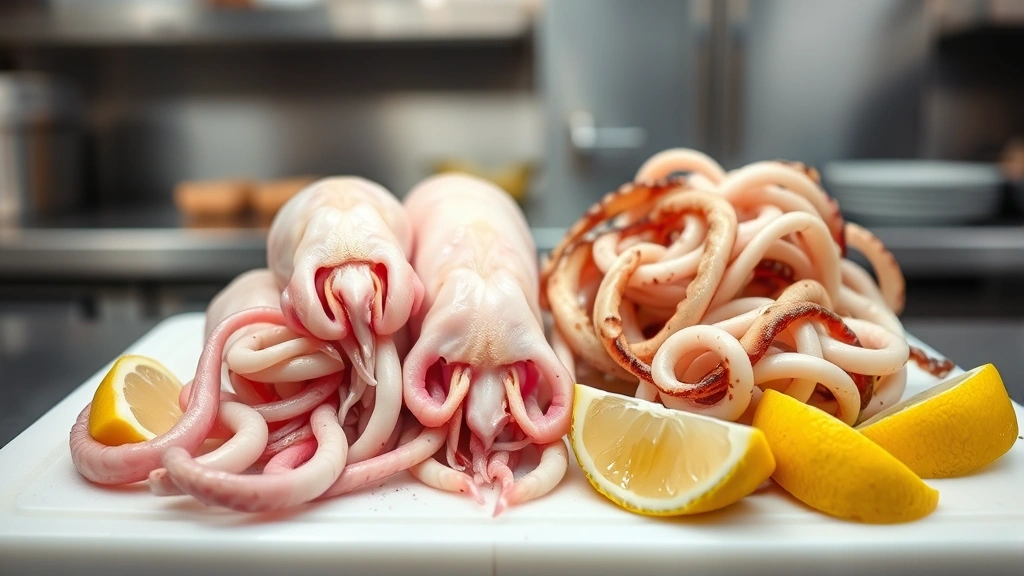
The foundation of exceptional fried calamari begins at the market. Choosing the right squid makes an enormous difference in your final dish. Look for calamari that smells like the ocean—clean and fresh—without any ammonia odor. Fresh squid should have a firm texture and translucent, glossy appearance. The skin should be intact and the flesh should spring back when gently pressed.
When purchasing, request that your fishmonger clean the calamari for you, though understanding the cleaning process yourself ensures quality control. Each squid consists of the tube (mantle), tentacles, and fins. Professional chefs often use a combination of tube rings and tentacles for textural variety in a single dish.
To clean calamari properly, hold the head and gently pull it away from the tube, removing the internal organs and transparent quill (the shell-like structure). Rinse the tube thoroughly under cold running water, rubbing gently to remove the thin outer skin. This skin removal is crucial—it prevents the calamari from becoming tough during frying. Cut the cleaned tubes into rings approximately one-quarter inch thick. Leave tentacles whole or cut them in half depending on size.
Pat the calamari completely dry with paper towels before breading. Moisture is the enemy of crispiness; any water left on the surface will create steam during frying, resulting in soggy coating rather than that coveted crispy exterior. Many professional kitchens refrigerate cleaned calamari for several hours or overnight to allow any remaining moisture to evaporate naturally.
The Science Behind the Perfect Breading
Professional chefs recognize that the breading method directly determines texture and crispness. The traditional Italian approach uses a simple flour coating, but modern techniques often employ a double-dredging system for superior results. This method involves coating the calamari in flour, then dipping it in liquid, then coating again in flour—creating multiple layers that fry to exceptional crispiness.
Start with all-purpose flour as your base. Some chefs add cornstarch to the flour mixture, using a ratio of three parts flour to one part cornstarch. Cornstarch absorbs less moisture than flour alone, resulting in a crispier final product. The starch also gelatinizes at lower temperatures, creating that desirable golden color and crispy texture.
For the liquid component, traditional recipes use beaten eggs, but professional techniques often employ a combination of cold water, egg, and a small amount of baking soda or club soda. The carbonation in club soda creates tiny bubbles in the coating, producing an extraordinarily light and crispy texture. The baking soda provides additional lift and ensures the coating remains crispy even after sitting briefly.
Season your flour mixture generously with sea salt, white pepper, and a pinch of cayenne pepper for subtle heat. Some chefs add dried oregano, garlic powder, or Italian seasoning to the flour. The key is building flavor into the coating itself rather than relying solely on dipping sauces.
Oil Temperature and Frying Technique
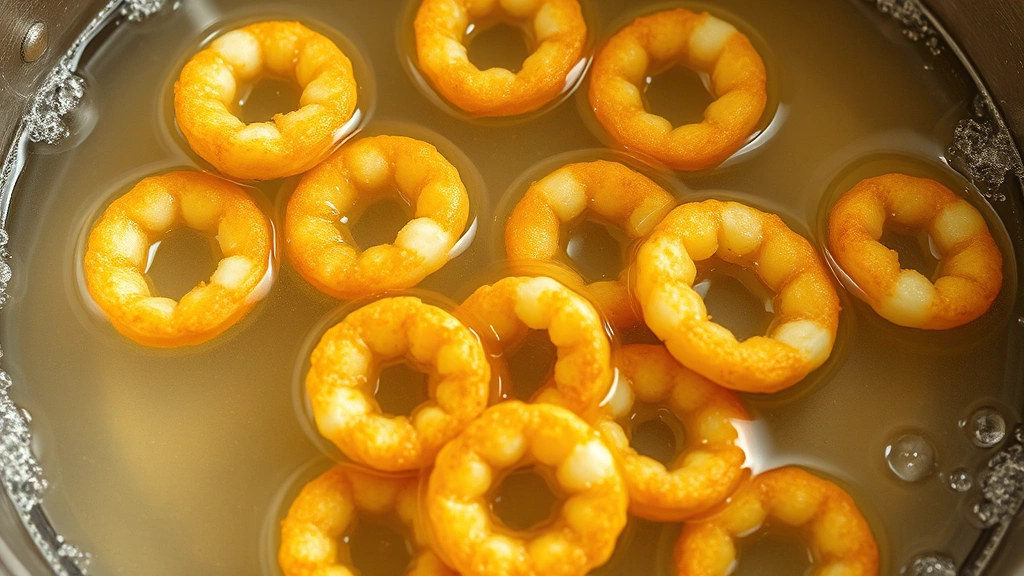
Temperature control separates mediocre fried calamari from exceptional results. Professional kitchens maintain oil at precisely 350-375°F (175-190°C). At this temperature, the exterior crisps rapidly while the interior cooks through without becoming rubbery or tough.
Use a reliable candy or deep-fry thermometer—this is not an area for guessing. Oil that’s too cool produces greasy, soggy calamari. Oil that’s too hot burns the exterior before the interior finishes cooking. Many home cooks underestimate how critical this single factor is to success.
Choose an oil with a high smoke point: vegetable oil, canola oil, peanut oil, or refined coconut oil all work excellently. Avoid olive oil for deep frying—its lower smoke point and strong flavor don’t suit this application. Allow your oil to come to temperature slowly, giving it at least 10-15 minutes to reach and stabilize at your target temperature.
When frying, work in small batches. Overcrowding the pan drops the oil temperature dramatically, resulting in oil absorption rather than cooking. Professional fryers maintain consistent temperature because they have sufficient oil volume and powerful heating elements. At home, frying in smaller batches ensures your oil temperature remains stable. Wait 1-2 minutes between batches, allowing the oil to return to target temperature.
Use a slotted spoon or spider strainer to gently lower calamari into the hot oil. Fry for 1.5 to 2 minutes, until golden brown and crispy. The calamari will sink initially, then float to the surface as it cooks. Once floating, allow another 30-45 seconds for complete cooking and optimal crispiness.
Step-by-Step Professional Recipe
Ingredients:
- 2 pounds fresh calamari, cleaned and dried
- 1 cup all-purpose flour
- 1/3 cup cornstarch
- 1 teaspoon sea salt
- 1/2 teaspoon white pepper
- 1/4 teaspoon cayenne pepper
- 1/2 teaspoon dried oregano
- 2 eggs, beaten
- 1/2 cup club soda or cold water
- Oil for frying (vegetable, canola, or peanut oil)
- Lemon wedges for serving
Instructions:
- Prepare the calamari: Cut cleaned squid tubes into rings approximately 1/4-inch thick. Leave tentacles whole or halve if very large. Pat completely dry with paper towels and set aside at room temperature for 10 minutes to allow any residual moisture to evaporate.
- Mix dry ingredients: In a shallow bowl, whisk together flour, cornstarch, sea salt, white pepper, cayenne pepper, and oregano. This mixture will be used twice in the double-dredging process.
- Prepare wet mixture: In another shallow bowl, whisk together beaten eggs and club soda until well combined. The club soda should be cold and recently opened to maximize carbonation.
- Heat oil: Pour oil into a deep pot or Dutch oven to a depth of 3-4 inches. Heat to exactly 350-375°F, checking temperature with a reliable thermometer. Allow oil to stabilize at target temperature for at least 5 minutes before beginning to fry.
- First dredge: Working with a handful of calamari pieces, coat thoroughly in the flour mixture, shaking off excess. Place coated pieces on a clean plate.
- Second dredge: Dip each flour-coated piece into the egg and club soda mixture, then immediately return to the flour mixture for a second coating. Ensure complete coverage. This double-coating technique creates the signature crispy texture.
- Fry in batches: Using a slotted spoon, gently lower calamari into hot oil in a single layer, working with approximately 1/4 of the total amount at a time. Fry for 1.5 to 2 minutes until deep golden brown and crispy.
- Drain and season: Remove cooked calamari with a slotted spoon and place on paper towels. Season immediately with additional salt while still hot, allowing the seasoning to adhere to the warm surface.
- Rest and serve: Allow calamari to rest for 2-3 minutes before serving. This brief rest period allows the exterior to set fully while the interior remains tender.
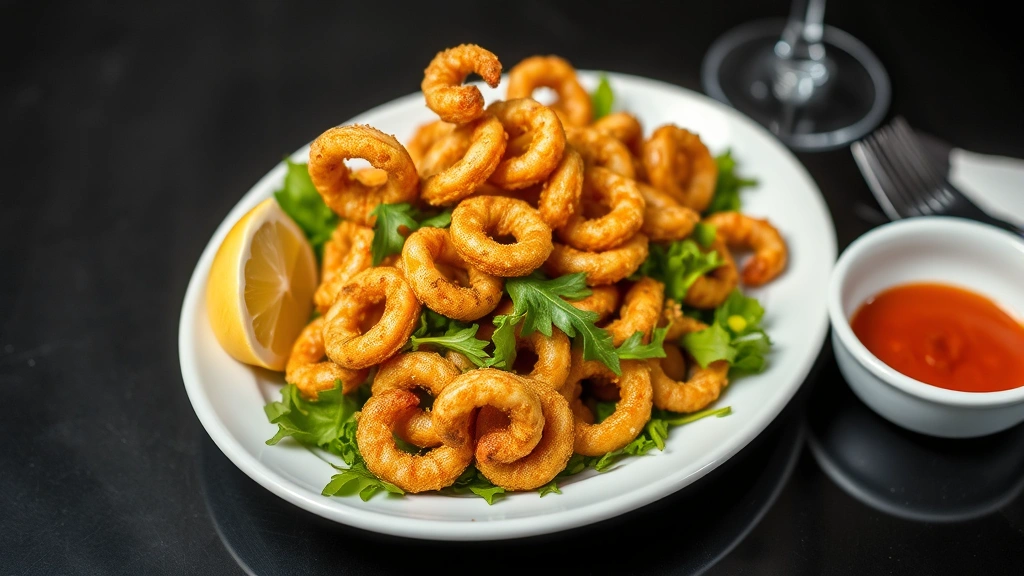
For an even more professional presentation, serve your fried calamari on a bed of arugula or mixed greens, drizzled with high-quality extra virgin olive oil and fresh lemon juice. This echoes the plating style found in top Mediterranean restaurants.
Serving and Pairing Suggestions
Fried calamari shines when served with the right accompaniments. The most traditional pairing is fresh lemon wedges—the acidity cuts through the richness of the fried coating perfectly. Squeeze lemon directly over the calamari just before eating.
Professional kitchens typically offer multiple dipping sauces. A simple marinara sauce provides classic Italian flair. Aioli—a garlic mayonnaise—offers creamy richness that complements the crispy texture. For Mediterranean influence, try tzatziki (yogurt-based cucumber sauce) or a spicy harissa-infused mayo.
Consider pairing your fried calamari with homemade pasta as part of a larger Italian-inspired meal. Alternatively, serve alongside crusty homemade bread to soak up any remaining cooking oil and sauce.
For beverage pairings, crispy fried calamari pairs beautifully with crisp white wines like Pinot Grigio or Vermentino. The wine’s acidity and light body complement the dish without overwhelming delicate squid flavor. Light lagers or pilsners work excellently for beer pairings, as their carbonation and refreshing quality balance the richness of fried food.
Temperature matters significantly when serving. Fried calamari should be consumed immediately after cooking—it remains crispy for only about 5 minutes at room temperature. If you must hold it for service, keep it in a warm oven at 200°F on a wire rack (not paper towels, which trap steam and cause sogginess).
Troubleshooting Common Issues
Rubbery or Tough Calamari: This typically results from overcooking. Reduce frying time by 15-30 seconds. Additionally, ensure you’ve removed the thin outer skin during cleaning—this skin toughens when fried. If calamari is tough even with proper cooking time, you may have older squid. Always purchase the freshest calamari available.
Greasy or Soggy Coating: Your oil temperature is likely too low. Increase to 375°F and verify with an accurate thermometer. Oil that’s too cool doesn’t seal the exterior quickly, allowing oil absorption. Additionally, ensure you’re not overcrowding the pan—this causes temperature drops that result in greasy coating.
Coating Falls Off: Insufficient drying before breading causes this issue. Pat calamari completely dry and allow to sit uncovered for 10 minutes before starting the breading process. Additionally, ensure your double-dredging process completely coats each piece—any exposed calamari surface will cause coating separation.
Pale or Insufficient Browning: Your oil temperature may be too high, cooking the exterior too quickly before it browns. Lower temperature to 350°F. Alternatively, your flour mixture may need more cornstarch, which aids browning. If using club soda, verify it’s fresh and carbonated—flat club soda won’t provide the necessary lift for optimal browning.
Uneven Cooking: This results from inconsistent piece size or overcrowding. Cut calamari into uniform rings and fry in small batches. Uniform sizing ensures even cooking throughout.
Understanding these common problems empowers you to troubleshoot and refine your technique. Most issues stem from temperature control or preparation shortcuts—addressing these fundamentals produces consistently excellent results.
FAQ
Can I prepare calamari ahead of time?
Yes, professional kitchens often clean and cut calamari several hours ahead. Store covered in the refrigerator to prevent moisture absorption from the air. Complete the breading process only immediately before frying, as wet coating becomes soggy if it sits too long.
What’s the best oil for frying calamari?
Vegetable oil, canola oil, and peanut oil all work excellently due to high smoke points and neutral flavor. Avoid olive oil and coconut oil—olive oil’s low smoke point makes it unsuitable for deep frying, while coconut oil’s strong flavor overwhelms delicate squid.
Can I use frozen calamari instead of fresh?
Fresh calamari produces superior texture and flavor, but quality frozen calamari works acceptably. Thaw completely in the refrigerator and pat very dry before breading, as frozen calamari typically contains more water.
How do I store leftover fried calamari?
Fried calamari is best consumed immediately. If you must store leftovers, refrigerate in an airtight container for up to 24 hours. Reheat in a 350°F oven for 5-7 minutes on a wire rack to restore crispiness. Avoid microwaving, which produces soggy results.
What’s the difference between Italian and Spanish fried calamari preparation?
Italian versions typically use simple flour coating and serve with marinara sauce. Spanish calamari often features a slightly thicker breading and is frequently served with aioli. Both approaches use identical frying principles—the differences are primarily in coating thickness and sauce selection.
Can I make this recipe without club soda?
Yes, though results won’t be quite as crispy. Use cold water mixed with beaten eggs instead. For optimal crispiness without club soda, add 1/2 teaspoon of baking soda to your flour mixture—this provides lift and crispiness through chemical leavening.
How much calamari should I prepare per person?
As an appetizer, plan for 3-4 ounces per person. As a main course with accompanying sides, prepare 6-8 ounces per person. Fried calamari is rich, so moderate portions satisfy.
Should I marinate calamari before frying?
Professional chefs typically don’t marinate calamari before frying, as this introduces excess moisture that interferes with crispiness. Instead, build flavor through seasoned flour coating and serve with flavorful dipping sauces.
What temperature should dipping sauces be?
Serve dipping sauces at room temperature or slightly chilled. Cold sauces contrast beautifully with hot fried calamari. Some chefs gently warm marinara sauce to approximately 120°F for enhanced flavor, but never serve boiling hot sauce.
Can I deep fry calamari in a shallow skillet?
While possible, a deep pot or Dutch oven produces superior results. Deep vessels maintain more consistent oil temperature and reduce splashing. If using a shallow skillet, work in very small batches and monitor oil temperature closely.


