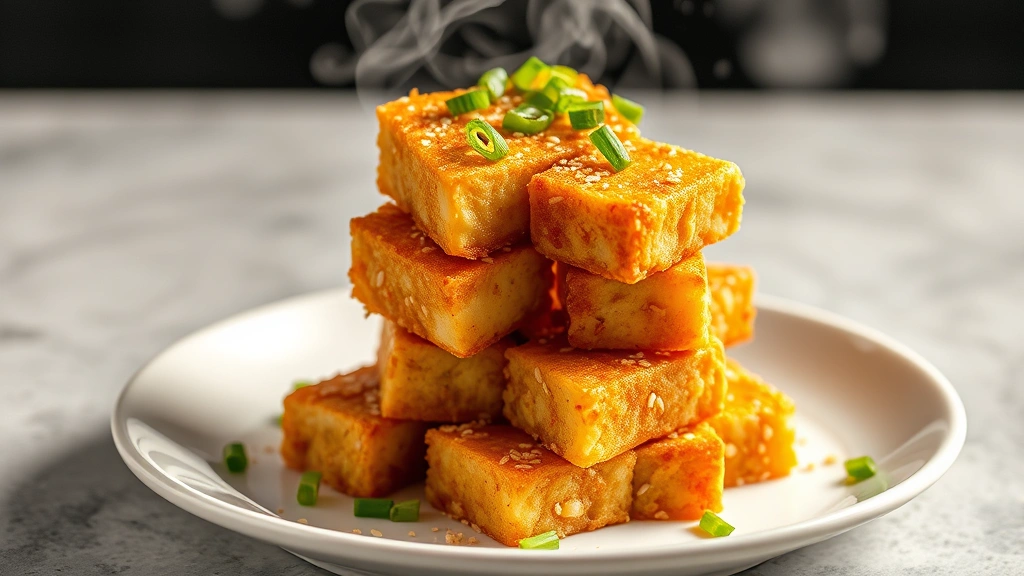
Crispy Fried Tofu? Chef’s Secret Recipe for Perfect Golden Texture
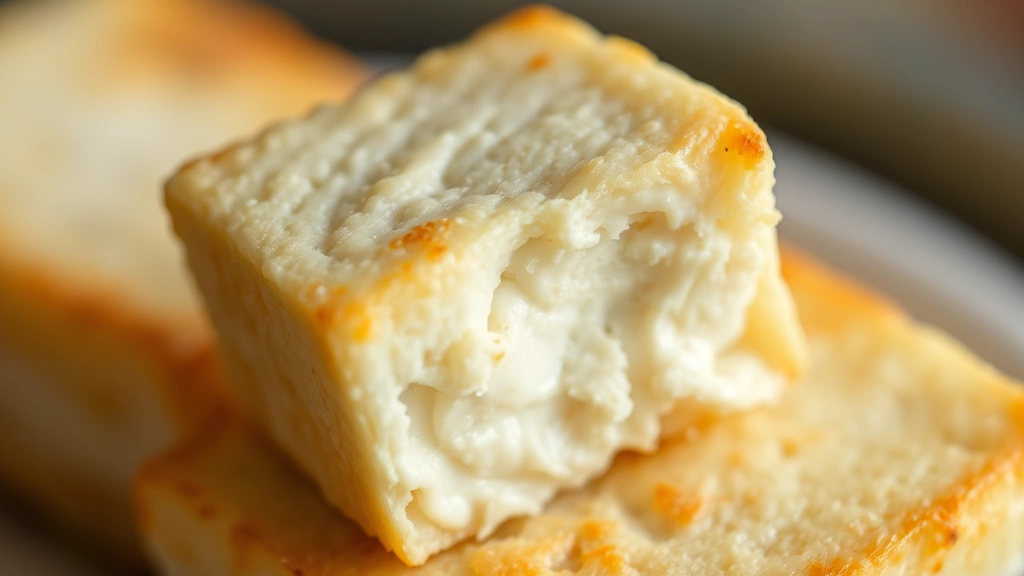
Crispy fried tofu is one of those dishes that separates casual home cooks from seasoned culinary professionals. The challenge isn’t complicated—it’s all about mastering a few critical techniques that transform soft, delicate tofu into golden-brown, crunchy exterior perfection while maintaining a tender interior. This chef’s secret recipe reveals exactly how restaurants achieve that irresistible textural contrast that keeps people coming back for more.
Whether you’re preparing tofu for a stir-fry, serving it as an appetizer, or creating a protein-packed bowl meal, understanding the science behind crisping will elevate your cooking game significantly. The difference between soggy, greasy tofu and restaurant-quality crispy fried tofu comes down to moisture management, oil temperature precision, and strategic coating techniques that most home cooks overlook.
Understanding Tofu Types and Selection
The foundation of exceptional crispy fried tofu starts with selecting the right type. Not all tofu varieties work equally well for frying. Extra-firm tofu is your best friend here—it contains significantly less water than silken or soft varieties, which means less moisture to manage during the cooking process. This structural integrity is crucial because it prevents your tofu from falling apart when it hits the hot oil.
Look for tofu that’s been pressed and vacuum-sealed, as these typically have lower water content from the manufacturing process. The color should be clean white or pale cream, indicating freshness. Check the expiration date carefully, and when you open the package, smell it—fresh tofu should have a mild, clean scent. Any sour or off odor means it’s past its prime.
Store-bought extra-firm tofu is often already partially pressed, but this doesn’t mean you can skip the additional pressing step. Even well-drained tofu contains residual moisture that will sabotage your crispy exterior if you don’t remove it. Many professional chefs actually freeze their tofu overnight, then thaw it completely before pressing—this creates a more porous structure that crisps up even better.
The Moisture Management Secret
This is where most home cooks fail. Moisture is the enemy of crispiness because water creates steam, and steam prevents oil from properly browning the exterior. Professional kitchens use specialized tofu presses, but you can achieve nearly identical results at home with basic equipment.
The pressing method: After removing tofu from its packaging and draining the liquid, wrap the block in several layers of paper towels or a clean kitchen towel. Place it on a cutting board, then position another cutting board on top. Add weight—canned goods, a cast iron skillet, or heavy books work perfectly. Let this sit for at least 30 minutes, though 60 minutes is better. You’ll be amazed at how much liquid comes out.
After the initial press, cut your tofu into cubes or slabs (depending on your desired final size), and press again for another 20-30 minutes. This second pressing is where the real magic happens. The cut surfaces expose more interior moisture, and removing this liquid makes a dramatic difference in your final crispiness level.
Some advanced techniques include salting the tofu cubes lightly and letting them sit for 15 minutes—the salt draws out additional moisture through osmosis. Pat them completely dry with paper towels before proceeding. This extra step might seem tedious, but it’s the difference between good and exceptional results.
Coating and Seasoning Techniques
The coating serves multiple purposes: it creates a barrier that prevents oil absorption, provides structural support during frying, and develops that golden, crunchy exterior. The classic approach uses cornstarch mixed with flour, but the ratio matters tremendously.
The signature coating blend: Combine one-half cup cornstarch, one-quarter cup all-purpose flour, one teaspoon salt, one-half teaspoon white pepper, one-half teaspoon garlic powder, and one-quarter teaspoon cayenne pepper. Some chefs add one-quarter teaspoon of baking powder to increase crispiness further—the baking powder creates tiny air pockets that fry up incredibly crunchy.
The cornstarch-to-flour ratio is critical. Pure cornstarch alone creates too delicate a crust that shatters messily. Pure flour absorbs too much oil and becomes greasy. The 2:1 ratio of cornstarch to flour provides the optimal balance—it fries to a golden, crispy finish without excessive oil absorption.
Seasoning directly into the coating mixture is more effective than seasoning after frying. The spices fuse into the crust during cooking rather than sitting on the surface. This creates deeper flavor integration. Toast your spices lightly in a dry pan for 30 seconds before adding them to your coating—this amplifies their aromatic compounds.
For the wet coating component, use ice-cold carbonated water instead of regular water. The carbonation creates additional texture and crispiness—it’s a technique borrowed from Japanese tempura chefs. Mix one-third cup ice-cold carbonated water with one-quarter cup cornstarch and one-eighth teaspoon salt to create a light batter. The key is keeping everything as cold as possible.
Oil Temperature and Frying Method
Temperature control is absolutely non-negotiable for crispy fried tofu success. Too cool, and your tofu absorbs oil and becomes greasy. Too hot, and the outside burns before the inside crisps. The target temperature is 350-365°F (175-185°C). Use a reliable food thermometer or instant-read thermometer—eyeballing it simply doesn’t work.
The oil choice matters more than most cooks realize. Use neutral-flavored oils with high smoke points: peanut oil (450°F smoke point), vegetable oil (400-450°F), or refined coconut oil (450°F). Avoid olive oil, which has too low a smoke point and will impart bitter flavors. Peanut oil is the professional choice because it has the highest smoke point and remains most stable during the frying process.
Fill your pan or wok with about three inches of oil. This depth allows tofu pieces to fry evenly without touching the bottom. If pieces touch the bottom, they’ll stick and cook unevenly. A heavy-bottomed pot or wok maintains temperature better than thin cookware.
The double-fry method, borrowed from professional deep-frying techniques, produces superior results. First fry at 325°F for 4-5 minutes until the exterior is set but not yet golden. Remove and let rest for 2-3 minutes. Then increase oil temperature to 375°F and fry again for 2-3 minutes until deeply golden. This two-stage approach gives you a crispy exterior with minimal oil absorption.
Work in small batches—overcrowding the pan drops oil temperature dramatically, and cold oil creates greasy food. Fry only enough tofu pieces that they have space to move freely without touching.
Step-by-Step Cooking Process
Step 1: Select and Press Tofu
Purchase one 14-16 ounce block of extra-firm tofu. Remove from packaging and drain liquid. Wrap in paper towels and press under weight for 30-60 minutes. Cut into half-inch cubes or three-quarter-inch slabs. Press again for 20-30 minutes until completely dry to the touch.
Step 2: Prepare Coating Station
Set up three shallow bowls in assembly-line fashion. Bowl one: mix ice-cold carbonated water with one-quarter cup cornstarch and one-eighth teaspoon salt until smooth. Bowl two: your dry coating mixture (cornstarch, flour, salt, spices). Bowl three: empty for dusted tofu waiting to fry. Have paper towels ready for blotting.
Step 3: Coat Tofu Pieces
Working with 4-5 pieces at a time, dip each into the wet coating until completely covered. Immediately transfer to the dry coating mixture and toss to coat evenly. Shake off excess coating and place on a clean plate. Let coated pieces sit for 5 minutes—this allows the coating to set slightly, creating better adhesion during frying.
Step 4: Heat Oil to Temperature
Pour three inches of peanut oil into your wok or heavy-bottomed pot. Heat to exactly 325°F, using a thermometer to verify. Maintain this temperature throughout the first frying stage.
Step 5: First Fry (Setting Stage)
Carefully lower 6-8 coated tofu pieces into the hot oil using a slotted spoon. Avoid dropping them, which causes splattering. They should sink slightly, then float as they cook. Fry for 4-5 minutes until the coating is set and pale golden. Don’t stir—let them cook undisturbed. Remove with a slotted spoon and place on a paper towel-lined plate. Let rest for 2-3 minutes while you fry remaining batches.
Step 6: Increase Temperature and Second Fry
Increase oil temperature to 375°F. Once it reaches temperature, carefully return first batch of partially fried tofu to the oil. Fry for 2-3 minutes until deeply golden brown and crispy. Remove and drain on fresh paper towels. Repeat with remaining batches.
Step 7: Season and Serve Immediately
While still hot, sprinkle with fleur de sel or finishing salt and any additional seasonings you desire. Serve within 5 minutes while the exterior is maximally crispy. Crispy fried tofu deteriorates quickly as it cools and moisture reabsorbs.
Serving Suggestions and Pairings
Crispy fried tofu’s versatility makes it suitable for countless applications. Serve it as a protein component in summer salad recipes for added textural contrast and plant-based nutrition. The crispy exterior provides wonderful textural interplay against fresh greens and light vinaigrettes.
Create a protein-forward bowl by pairing crispy tofu with steamed rice, roasted vegetables, and a flavorful sauce—think Vietnamese dipping sauce with lime and chili, or Thai sweet and sour sauce. The tofu’s neutral flavor allows it to play well with virtually any sauce profile.
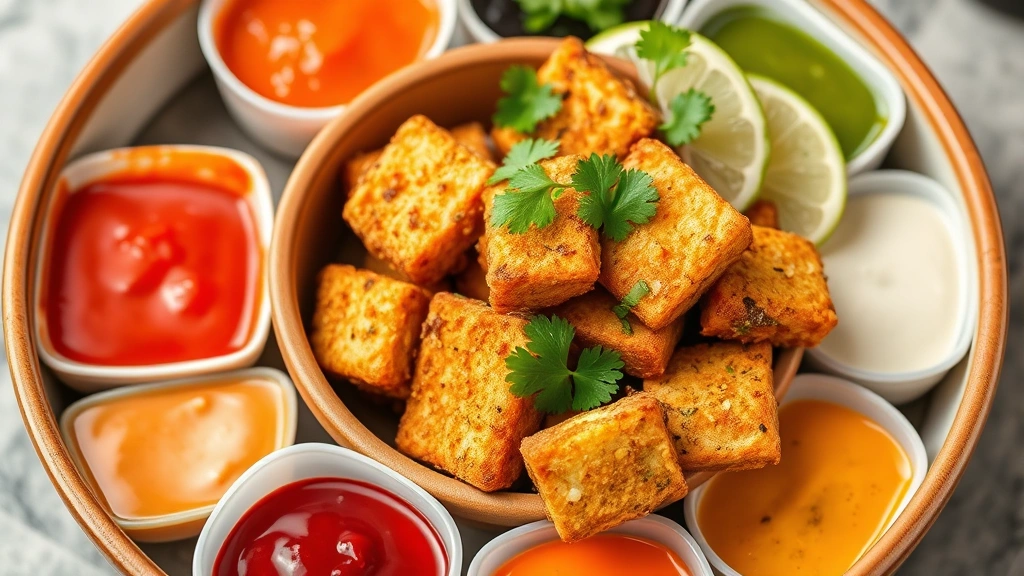
For appetizers, serve crispy tofu cubes with dipping sauces: sriracha mayo, sweet chili sauce, or a peanut dipping sauce inspired by Peruvian chicken recipe flavor profiles. The tofu becomes a vehicle for bold, complementary flavors.
Incorporate crispy fried tofu into stir-fries during the final minute of cooking—the residual heat won’t soften the crust, and you’ll maintain that valuable textural element throughout the dish. Combine it with your choice of vegetables and sauce for a complete meal.
For those seeking easy vegan breakfast ideas, crispy tofu works beautifully in morning scrambles with vegetables and herbs. Its protein content and satisfying texture make it an excellent alternative to eggs.
Pair crispy fried tofu with quick and easy pasta recipes as a plant-based protein addition. Toss it into creamy pasta dishes or light olive oil-based preparations.
For those who enjoy richer preparations, try incorporating crispy tofu into chicken carbonara recipe adaptations—the tofu’s neutral flavor won’t compete with the traditional carbonara sauce while providing substantial protein.
Smothered preparations work beautifully with crispy tofu. Layer it under smothered chicken recipe style sauces for a satisfying vegan main course with rich, comforting flavors.
FAQ
Can I make crispy fried tofu ahead of time?
Crispy fried tofu is best served immediately while the exterior maintains maximum crispiness. However, you can prepare it up to 2 hours ahead and reheat in a 400°F oven for 5-7 minutes to restore crispiness. Store cooled tofu in an airtight container in the refrigerator for up to 3 days. Reheating in the oven is far superior to microwaving, which will soften the crust.
Why did my tofu come out greasy?
Greasiness indicates insufficient moisture removal before frying, inadequate coating coverage, or oil temperature that was too low. Ensure you press tofu for the full 60 minutes combined, verify your oil temperature with a thermometer, and make certain your coating completely covers each piece with no bare spots.
Can I use soft tofu instead of extra-firm?
Not recommended. Soft tofu contains too much water and lacks structural integrity—it will fall apart during frying. Silken tofu is even worse. Extra-firm is essential for achieving the crispy texture and maintaining piece integrity throughout cooking.
What oil is best for frying tofu?
Peanut oil is the professional choice due to its 450°F smoke point and neutral flavor. Vegetable oil and refined coconut oil are acceptable alternatives. Avoid olive oil, which has too low a smoke point and will develop bitter flavors at frying temperatures.
How do I know when the oil is the right temperature?
Use an instant-read or deep-fry thermometer—eyeballing is unreliable. At 325°F, a wooden chopstick inserted into oil will produce steady bubbles. At 375°F, bubbles form rapidly and vigorously. These visual cues help verify thermometer readings.
Can I shallow fry instead of deep fry?
Shallow frying with one-half inch of oil produces less crispy results than deep frying with three inches. If you must shallow fry, increase coating thickness and reduce temperature to 300°F, cooking longer. The results won’t match deep-frying quality, but it’s possible in a pinch.
What’s the best way to store leftover crispy tofu?
Store cooled tofu in an airtight container in the refrigerator for up to 3 days. Reheat in a 400°F oven for 5-7 minutes to restore crispiness. Avoid microwaving, which creates soggy texture. Frozen storage is possible for up to 1 month, though texture quality diminishes slightly upon thawing and reheating.
Can I add different seasonings to the coating?
Absolutely. Experiment with five-spice powder, smoked paprika, Italian seasoning, or curry powder. Toast dried spices for 30 seconds in a dry pan before adding to your dry coating mixture to amplify their flavor. Keep total spice additions to one-half teaspoon per batch to maintain balance.


