
Authentic German Chocolate Frosting: Grandma’s Secret Recipe
German chocolate frosting isn’t actually German at all—it’s an American creation born from a chocolate bar named after a man named Sam German. But that doesn’t make this frosting any less delicious or iconic. My grandmother guarded her German chocolate frosting recipe like a precious heirloom, and after years of watching her work in the kitchen, I finally unlocked the secrets that make this frosting so irresistibly creamy, nutty, and caramel-rich. This frosting transforms a simple cake into something extraordinary, with its signature combination of sweetened condensed milk, butter, egg yolks, pecans, and coconut.
What makes authentic German chocolate frosting different from other frostings is its cooked nature and the way the ingredients meld together to create a glossy, slightly thick topping that doesn’t require piping skills. Unlike buttercream frostings that are whipped and airy, this frosting is dense, fudgy, and practically melts on your tongue. The caramelization that happens during cooking adds depth and complexity that elevates the entire cake experience. Whether you’re baking for a special occasion or simply craving that nostalgic taste of homemade goodness, mastering this recipe will make you the hero of any gathering.
What Makes German Chocolate Frosting Special
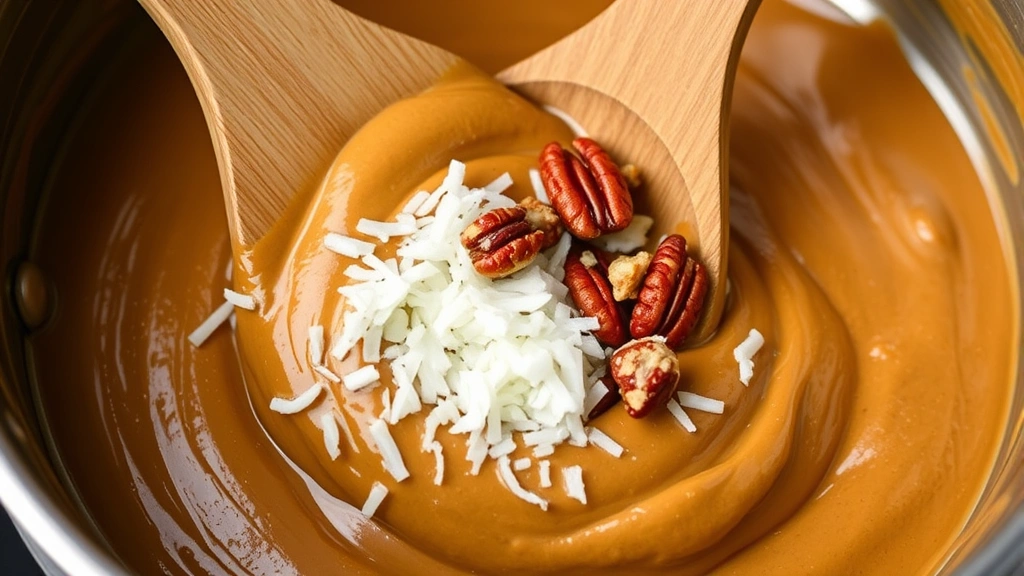
German chocolate frosting stands apart because it’s cooked on the stovetop, which fundamentally changes its texture and flavor profile compared to uncooked frostings. The cooking process creates a chemical reaction between the butter, sweetened condensed milk, and egg yolks that produces a silky, almost fudgy consistency. This isn’t spread thinly like buttercream; instead, it’s applied generously between layers and creates a thick, luxurious filling that holds its shape beautifully.
The inclusion of pecans and coconut makes this frosting a complete flavor experience. The pecans add a subtle earthiness and crunch, while the coconut contributes tropical sweetness and texture. When you combine these elements with the caramelized notes from cooking, you get a frosting that’s far more complex than the sum of its parts. My grandmother always said the secret was patience—not rushing the cooking process and stirring constantly to ensure even heat distribution.
Unlike cheese-based sauces that require precise temperature control, German chocolate frosting is more forgiving once you understand the basic technique. The frosting thickens as it cools, so timing your application is crucial. You want it warm enough to spread easily but cool enough that it won’t melt into the cake layers.
Essential Ingredients Breakdown
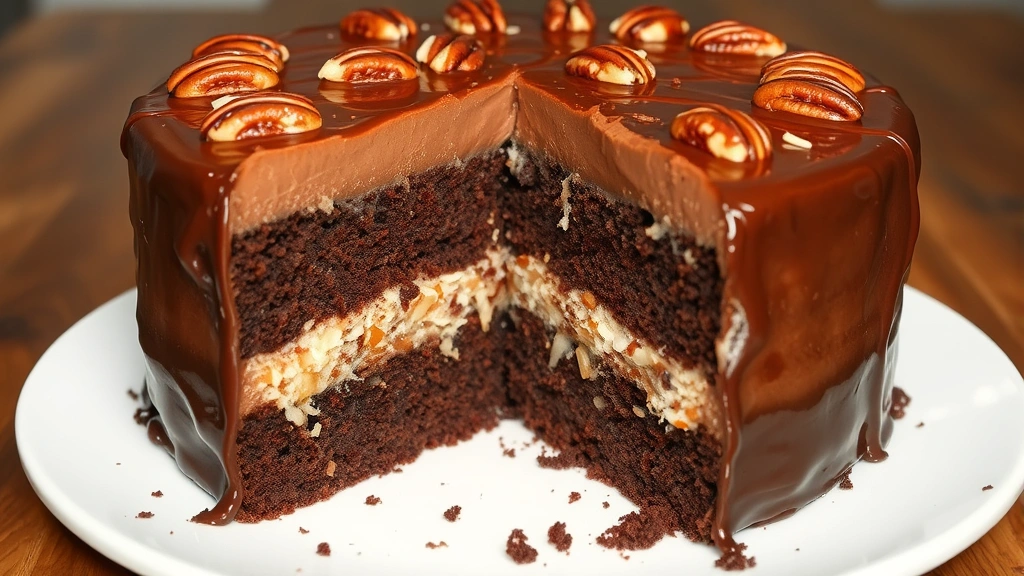
Understanding each ingredient’s role helps you appreciate why this frosting works so beautifully:
- Butter (1 cup or 2 sticks): Provides richness and helps create the smooth texture. Use unsalted butter so you can control the salt content. Room temperature butter incorporates more smoothly into the mixture.
- Sweetened Condensed Milk (one 14-ounce can): This is non-negotiable for authentic German chocolate frosting. The condensed milk provides sweetness, creaminess, and helps achieve that signature glossy finish. Regular evaporated milk won’t produce the same results.
- Egg Yolks (3 large): These act as an emulsifier, helping bind all the ingredients together while adding richness. Always use fresh, high-quality eggs. Some cooks prefer pasteurized eggs for safety.
- Vanilla Extract (1 teaspoon): Enhances the overall flavor profile and adds depth. Use pure vanilla extract, not imitation, for the best taste.
- Pecans (2 cups, chopped): Toasted pecans offer superior flavor. Toast them at 350°F for 8-10 minutes before chopping to intensify their nutty character.
- Shredded Coconut (2 cups, flaked): Use unsweetened coconut for better control over sweetness, though sweetened coconut works if that’s what you prefer. Toasting the coconut for 5-7 minutes brings out its natural flavor.
- Salt (¼ teaspoon): A pinch of salt balances the sweetness and enhances all the flavors working together.
Quality matters with every ingredient. The butter should be fresh and unsalted, the eggs should be from happy chickens if possible, and the nuts should smell fragrant and fresh. These ingredients are what transform a simple cake into something memorable.
Step-by-Step Cooking Instructions
Follow these instructions carefully to achieve perfect German chocolate frosting every time:
- Combine wet ingredients: In a heavy-bottomed saucepan, melt 1 cup of unsalted butter over medium heat. Once melted, add one 14-ounce can of sweetened condensed milk and stir to combine. The mixture should be smooth and uniform.
- Temper the egg yolks: In a small bowl, whisk 3 egg yolks together. Slowly add 2-3 tablespoons of the hot butter mixture to the yolks while whisking constantly. This tempers the eggs and prevents them from scrambling when added to the hot pan.
- Combine carefully: Slowly pour the tempered egg yolks into the saucepan while stirring constantly. The mixture will begin to thicken immediately. Continue stirring to ensure the eggs cook evenly throughout.
- Cook and stir: Continue cooking over medium heat for 12-15 minutes, stirring constantly. The frosting will gradually thicken and develop a deeper caramel color. You’ll notice the mixture becoming glossier and more cohesive. Don’t rush this step—the cooking time is essential for proper texture development.
- Add vanilla: Remove the pan from heat and stir in 1 teaspoon of pure vanilla extract. Mix until fully incorporated.
- Fold in mix-ins: Add 2 cups of chopped toasted pecans and 2 cups of shredded coconut. Stir until evenly distributed throughout. The frosting should be thick but spreadable.
- Cool slightly: Let the frosting cool for 5-10 minutes before applying to your cake. This cooling period allows it to firm up slightly while remaining workable.
The constant stirring during cooking prevents sticking on the bottom of the pan and ensures even heat distribution. A wooden spoon or silicone spatula works best because metal spoons can conduct heat too quickly. If you notice lumps forming, strain the frosting through a fine-mesh sieve.
Pro Tips for Perfect Results
My grandmother shared these secrets after decades of making this frosting:
- Toast your nuts and coconut: This step elevates the flavor dramatically. Toasted pecans and coconut have deeper, more complex flavors than raw versions. Spread them on a baking sheet and toast at 350°F for 8-10 minutes, stirring halfway through.
- Use a candy thermometer: If you’re concerned about texture, aim for 230-235°F (soft-ball stage). This ensures consistent results without guesswork.
- Don’t skip the tempering step: Tempering the egg yolks prevents them from scrambling, which would create an unpleasant grainy texture. This step takes only a minute but makes a huge difference.
- Stir constantly: Uneven heat causes lumps and scorching. A constant, methodical stirring motion ensures the frosting cooks evenly.
- Use heavy-bottomed pans: Thin pans create hot spots that can cause burning. A heavy pan distributes heat more evenly.
- Apply while warm: The frosting spreads most easily when still slightly warm. If it cools too much, gently reheat it over low heat or in a double boiler.
- Layer generously: Unlike buttercream, German chocolate frosting is meant to be applied thickly. Don’t skimp on the frosting between layers.
I learned from experience that rushing these steps leads to disappointing results. Take your time, follow the process methodically, and you’ll achieve frosting that rivals any bakery version.
Storage and Make-Ahead Strategies
One of the beautiful aspects of German chocolate frosting is its stability and ability to be made ahead:
Room Temperature Storage: Freshly made frosting can sit at room temperature for up to 8 hours. Cover it loosely with plastic wrap to prevent it from drying out. The frosting will firm up as it cools completely, which is perfect for frosting a cake.
Refrigerator Storage: Store leftover frosting in an airtight container in the refrigerator for up to 2 weeks. The frosting will become quite firm when cold. To use refrigerated frosting, let it come to room temperature (about 30 minutes) or gently reheat it in a double boiler over low heat, stirring occasionally, until it reaches spreading consistency.
Make-Ahead Option: You can prepare the frosting up to 2 days before you plan to frost your cake. This actually works in your favor because you can bake your cake layers, let them cool completely, and then apply the frosting when you’re ready. Just reheat gently before applying if the frosting has been refrigerated.
Freezing: While technically you can freeze German chocolate frosting, I don’t recommend it because the texture can become grainy upon thawing. The frosting is best used fresh or within a few days of making it.
When frosting a layer cake, I recommend using a frosting spatula or offset spatula for the smoothest application. Dip the spatula in hot water and wipe it dry between strokes to achieve a polished finish.
Troubleshooting Common Issues
Even experienced bakers encounter occasional problems. Here’s how to solve them:
Frosting is too thin: If your frosting isn’t thickening properly, you may not have cooked it long enough. Return it to the heat and continue cooking for another 5 minutes while stirring constantly. Alternatively, you can let it cool longer before applying it to the cake. The frosting will thicken significantly as it cools to room temperature.
Frosting is too thick: If the frosting has become too firm to spread, gently reheat it in a double boiler. Add a tablespoon of milk or cream at a time while stirring until you reach the desired consistency. Be careful not to make it too thin, as it will be difficult to work with.
Lumpy texture: Lumps usually indicate that the eggs scrambled during cooking. This happens when you add cold eggs directly to hot liquid or don’t stir enough. If this occurs, strain the frosting through a fine-mesh sieve to remove lumps. In the future, always temper your eggs and stir constantly.
Grainy texture: Graininess can result from overcooking or cooking at too high a temperature. Cook at medium heat and watch carefully. If it happens, you can sometimes smooth it out by stirring in a tablespoon of hot milk and whisking vigorously.
Separating or breaking: If the frosting appears to be separating, it may have been cooked too long or at too high a temperature. Gently reheat it in a double boiler while whisking constantly. The emulsification should reestablish itself.
Not sweet enough: You can add 2-3 tablespoons of powdered sugar if the frosting needs more sweetness. Stir it in thoroughly. Remember that the frosting is quite sweet already due to the condensed milk, so taste it at room temperature before adding more sugar.
These troubleshooting tips come from years of kitchen experience and common mistakes that are easily corrected with patience and understanding of how the ingredients interact.
FAQ
Can I make German chocolate frosting without eggs?
Traditional German chocolate frosting requires eggs for proper texture and emulsification. However, you can use pasteurized eggs if you’re concerned about food safety. Some bakers substitute eggs with egg replacer, though the texture won’t be identical. The frosting may be slightly less creamy and more prone to separating.
What’s the difference between German chocolate frosting and German chocolate cake filling?
They’re essentially the same thing. German chocolate frosting is thick enough to use as a filling between cake layers and as a topping. Some recipes make a slightly thinner version specifically for spreading on top of the cake, but the core ingredients and cooking method remain identical.
Can I use coconut oil instead of butter?
I don’t recommend substituting coconut oil for butter in this recipe. Butter provides the specific flavor profile and texture that makes German chocolate frosting distinctive. Coconut oil would change the taste significantly and might affect the emulsification process. Stick with real butter for the best results.
How much frosting do I need for a three-layer cake?
This recipe makes approximately 4-5 cups of frosting, which is enough for a standard three-layer 9-inch cake with generous layers between each tier and a coating on top. If you prefer thicker layers, you might need to make 1.5 times the recipe.
Is it safe to eat raw egg yolks in this frosting?
The egg yolks in German chocolate frosting are cooked as they’re tempered and stirred into the hot butter and condensed milk mixture. They reach a safe temperature during the cooking process. If you’re still concerned, use pasteurized eggs, which are available at most grocery stores.
Can I add more chocolate flavor to German chocolate frosting?
While this frosting isn’t chocolate-heavy by design, you can add 2-3 tablespoons of cocoa powder if you want more chocolate flavor. Add it during the cooking stage and whisk thoroughly to prevent lumps. This will darken the frosting and add cocoa depth.
What if my kitchen is very warm?
Warm kitchens can make frosting softer and more difficult to work with. If this is an issue, you can refrigerate the frosting for 15-20 minutes before applying it to the cake. Work quickly and keep the cake in a cool spot while frosting it. You might also consider frosting the cake earlier in the day when it’s cooler.
Can I substitute the pecans with walnuts or other nuts?
Yes, you can use walnuts, almonds, or macadamia nuts. Each will give a slightly different flavor. Walnuts are the most common substitute and work wonderfully. Toast any nuts you choose to enhance their flavor before chopping and adding them to the frosting.


